


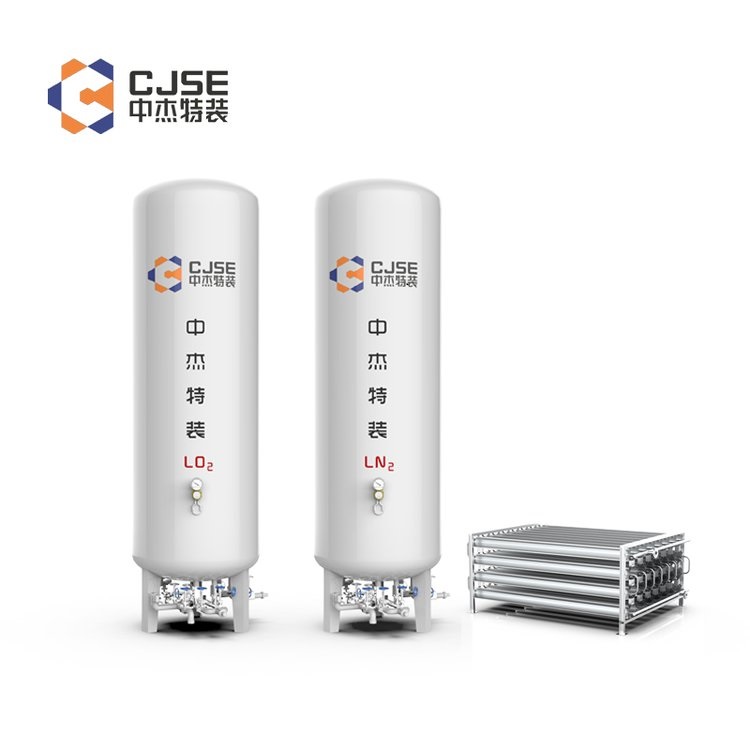
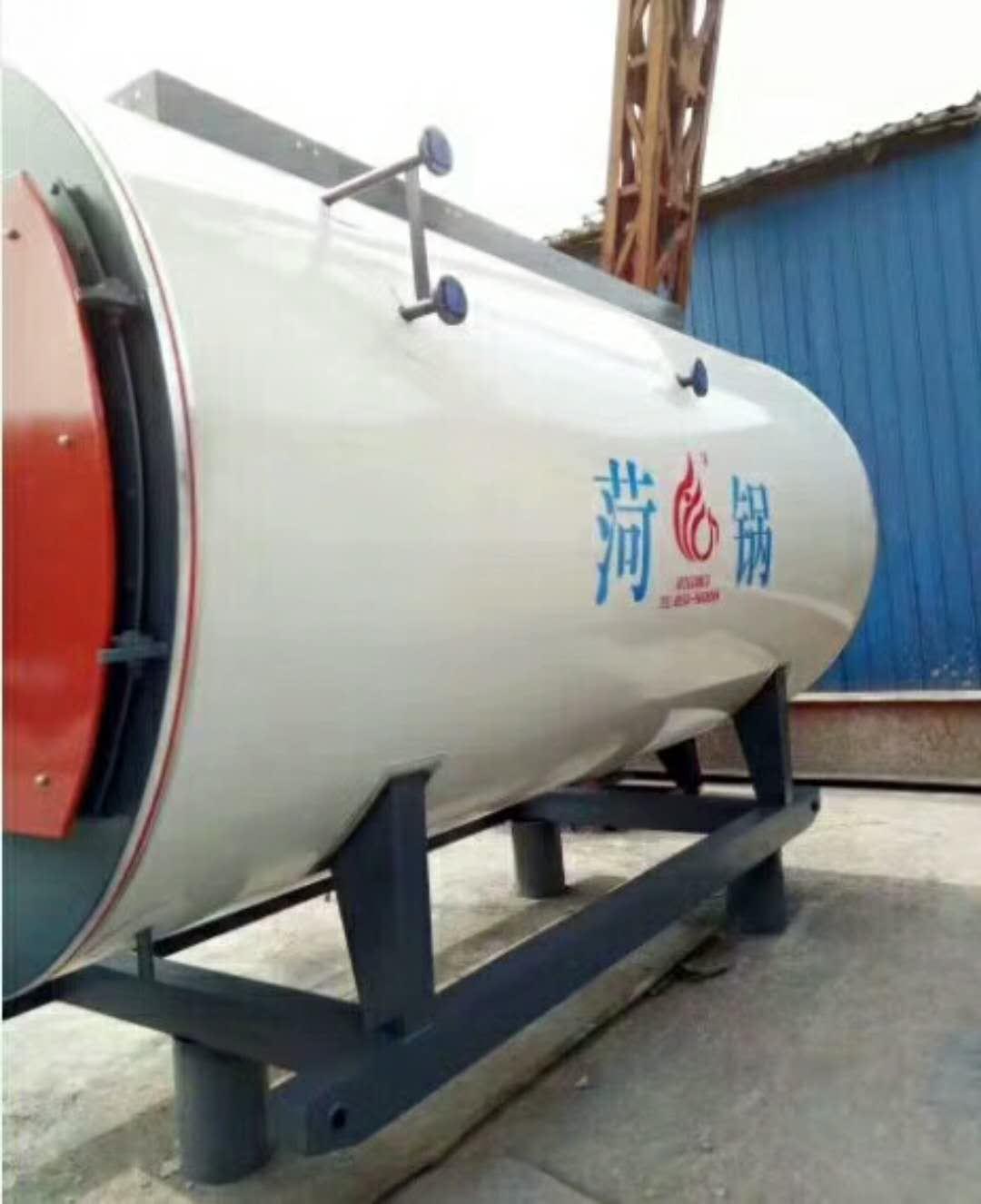
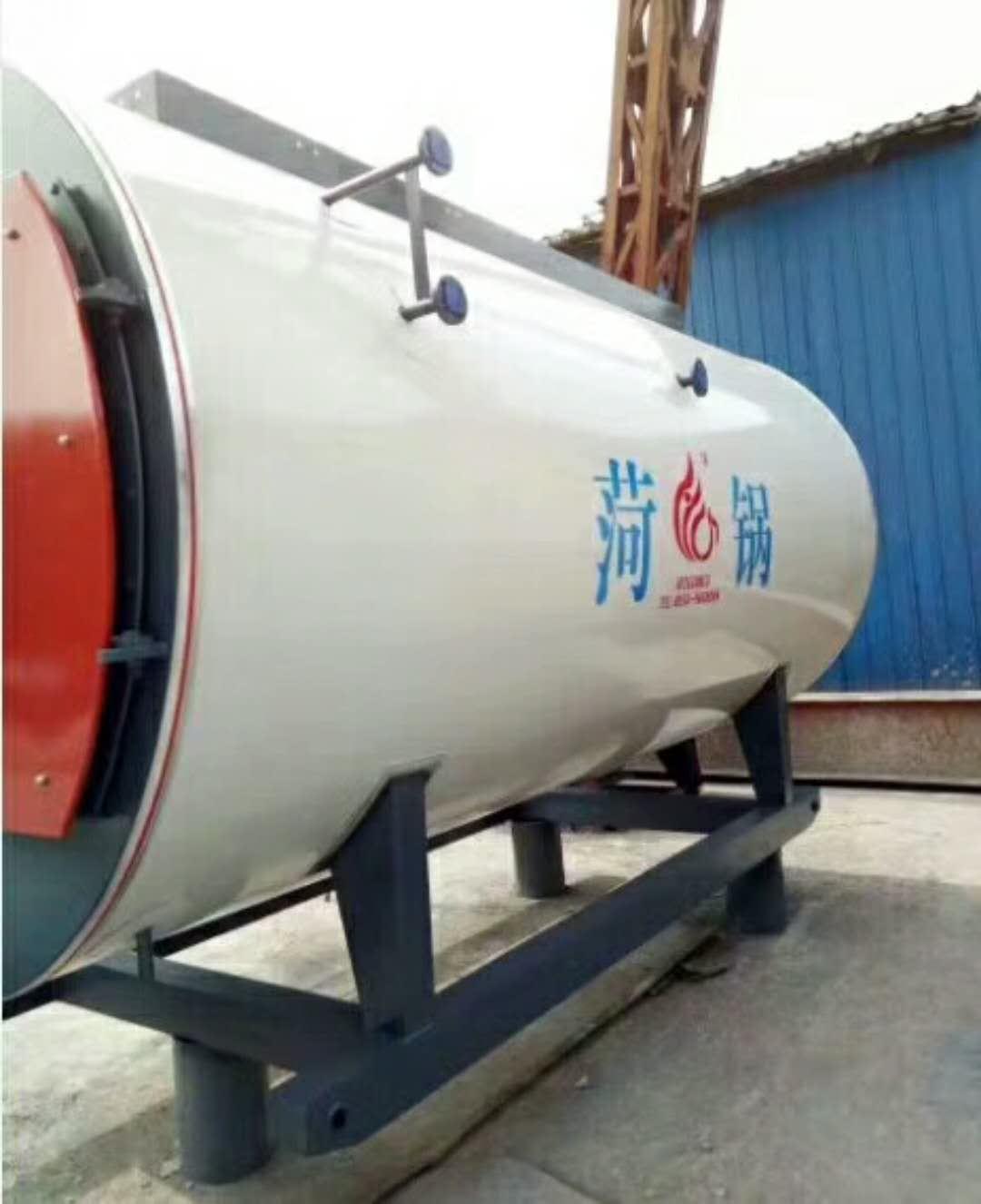
Shandong Zhongjie Special Equipment's main products include: fuel (gas) boilers, organic heat carrier boilers, biomass boilers, waste heat recovery boilers, and other boiler products; vacuum insulation cryogenic pressure vessels such as LNG tanks, oxygen/nitrogen/argon tanks, and CO2 tanks; pressure vessel products such as denitrification engineering equipment, heat storage and energy storage equipment, and complete chemical equipment; central air conditioning and HVAC equipment such as ground (water) source heat pumps, air source units, water-cooled screw units, and air-cooled modular units. Planned products include large-scale energy centers, LNG transport vehicles, LNG tank containers, and other green energy equipment.
To extend the service life of liquid argon storage tanks, the following measures can be taken:
Regular inspections and maintenance: Conduct regular visual inspections of the liquid argon tank, checks on valves and connections, and leak detection and pressure testing, among other measures. Identify and repair potential issues promptly to ensure the normal operation of the tank.
Maintain Insulation: The insulation is crucial for the thermal retention of liquid argon tanks. Regularly inspect the integrity and insulating properties of the insulation, repair or replace damaged insulation materials to ensure the tank's insulating effectiveness.
Regulate liquid argon temperature: Maintain the temperature of liquid argon within an appropriate range to prevent damage to the storage tank from excessive or low temperatures. Implement suitable cooling or heating measures to ensure stable temperature of the liquid argon.
Corrosion Protection: The outer shell and internal structure of the liquid argon tank should be protected against corrosion and oxidation. Regular inspections and maintenance of the protective coating are required to ensure its integrity.
Avoid excessive pressure and overfilling: Prevent the internal pressure of the tank from being too high or too low, and avoid overfilling with liquid argon. Excessive pressure and overfilling can lead to structural rupture or damage of the tank.
Regular cleaning and draining: Periodically clean the interior of the tank to remove accumulated impurities and dirt. Regularly drain to prevent contaminants and sediments in liquid argon from damaging the tank.
Safety Operations and Training: Ensure operators are equipped with knowledge and skills for safe operation of liquid argon storage tanks. Strengthen safety training to enhance operators' safety awareness and emergency response capabilities.
Manage records and documents: Establish comprehensive management records and documents, including tank usage, inspection logs, maintenance records, etc. Regularly review and update management records to ensure safe management and maintenance of the tanks.
These measures can help extend the service life of liquid argon storage tanks, but specific operations and management are required based on the type and application of the tank. When performing maintenance and operation, please follow relevant regulations and standards, and consult with experts to ensure safety and effectiveness.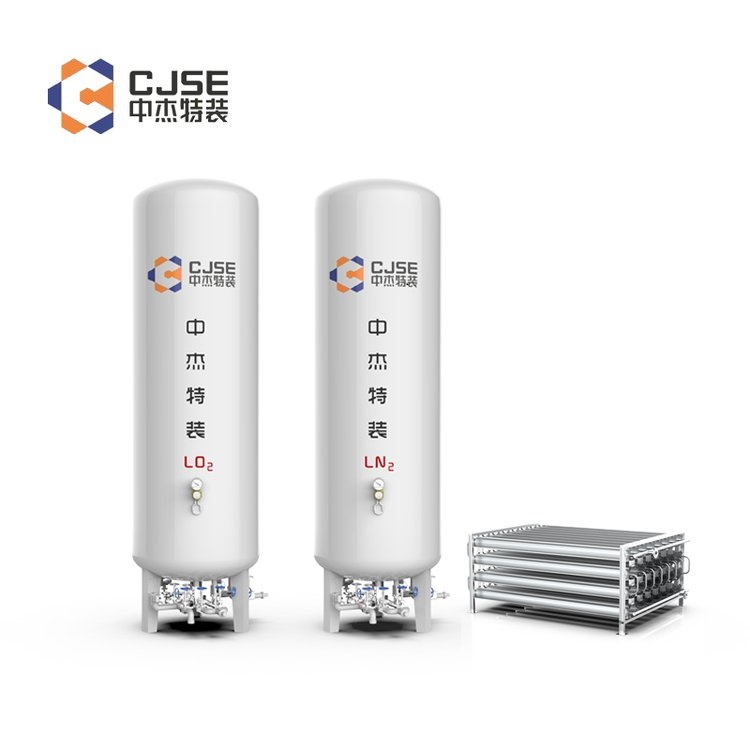
Operation procedures for liquid oxygen tanks should be established based on the specific tank design and usage requirements. The following are some common contents of general operation procedures for liquid oxygen tanks:
- Operator Training: Ensure that operators have received relevant training for liquid oxygen tanks, understanding the tank's structure, performance, operation procedures, and safety considerations.
- Safety Inspections: Conduct necessary safety checks before operating liquid oxygen tanks, including checking the tank's integrity, the sealing of valves and pipelines, and the condition of the insulation layer.
- Liquid Oxygen Supply: Ensure that the liquid oxygen supply system is functioning properly, including inspecting the status of the supply pipelines, valves, and pressure gauges, and ensuring an adequate supply of liquid oxygen.
- Tank Pressure Control: Monitor the pressure of the liquid oxygen tank to ensure it remains within a safe range. If necessary, control the tank's pressure by adjusting pressure valves or pressure relief devices.
- Leak Control: Regularly inspect the sealing of the tank and pipelines to ensure there are no leaks. If a leak is detected, take immediate action to control the leak and notify relevant personnel.
- Fire Prevention Measures: Prohibit open flames and prevent sparks and high-temperature objects from contacting the tank around the liquid oxygen tank. Establish fire prevention facilities and fire extinguishing equipment, and inspect and maintain them regularly.
- Safety Distance: Maintain a certain safety distance around the liquid oxygen tank to prevent the spread of fires, explosions, and leaks.
- Maintenance and Repair: Regularly perform maintenance and repairs on the tank, including cleaning the tank, inspecting the insulation layer, valves, and pipelines, to ensure the tank operates normally.
- Waste Disposal: Properly dispose of waste generated by liquid oxygen tanks, including residual liquid oxygen, waste gases, and waste liquids, in accordance with relevant environmental protection regulations and standards.
Note that operation procedures for liquid oxygen tanks should be established based on the specific tank design and usage requirements and should comply with applicable regulations, standards, and safety guidelines. When operating liquid oxygen tanks, cooperation with local regulatory authorities and personnel should be ensured to guarantee the safety and reliability of the tank.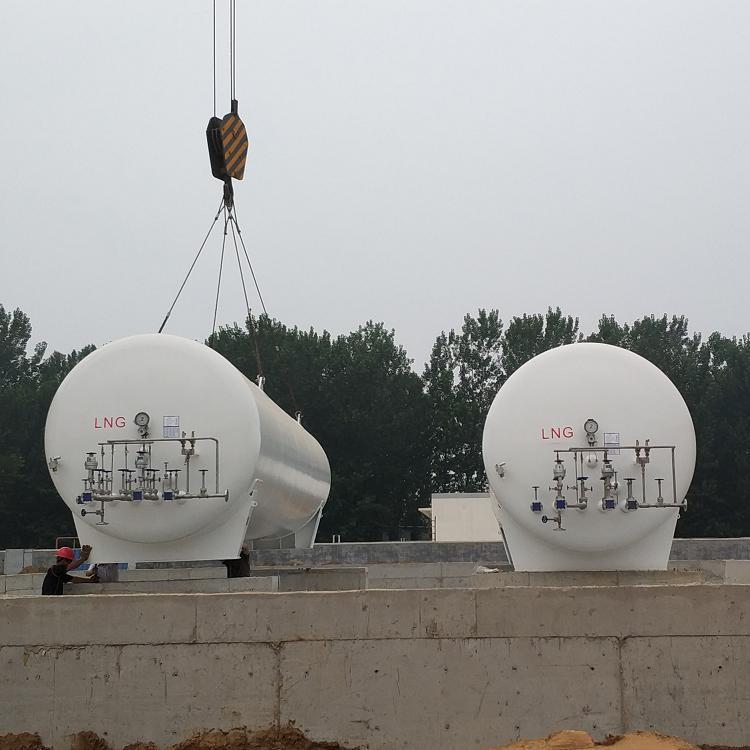
Liquid nitrogen tanks are widely used in meat freezing. The following are several main applications of liquid nitrogen tanks in meat freezing:
Quick Freezing: Liquid nitrogen tanks can provide low temperatures to rapidly freeze meat to the required temperature. Due to the low-temperature properties of liquid nitrogen, the temperature of the meat can be quickly reduced in a short period, effectively preserving the quality and texture of the meat.
Cold Storage: Liquid nitrogen tanks are suitable for long-term storage of meat products. Placing meat in a liquid nitrogen tank keeps it at low temperatures, preventing bacterial and microbial growth, thereby extending the shelf life of the meat.
Chilled Transport: Liquid nitrogen tanks can be used for the frozen transportation of meat products. Placing meat in the liquid nitrogen tank maintains its低温 state, ensuring the quality and freshness of the meat during transportation.
Chilled Processing: Liquid nitrogen tanks can be used for meat chilling. By exposing meat to liquid nitrogen, the surface of the meat can be quickly frozen, forming a frozen layer, thereby preserving the meat's moisture and nutritional content.
Chilled Processing: Liquid nitrogen tanks are suitable for meat freezing processing. Placing meat in liquid nitrogen makes it harder and crisper, facilitating cutting, slicing, and processing.
Be mindful that when using liquid nitrogen tanks for meat freezing, it's crucial to adhere to the relevant safety operation procedures and guidelines. Ensure that operators are equipped with the necessary safety awareness and operational skills to prevent any accidents. Additionally, consult with the food safety authority.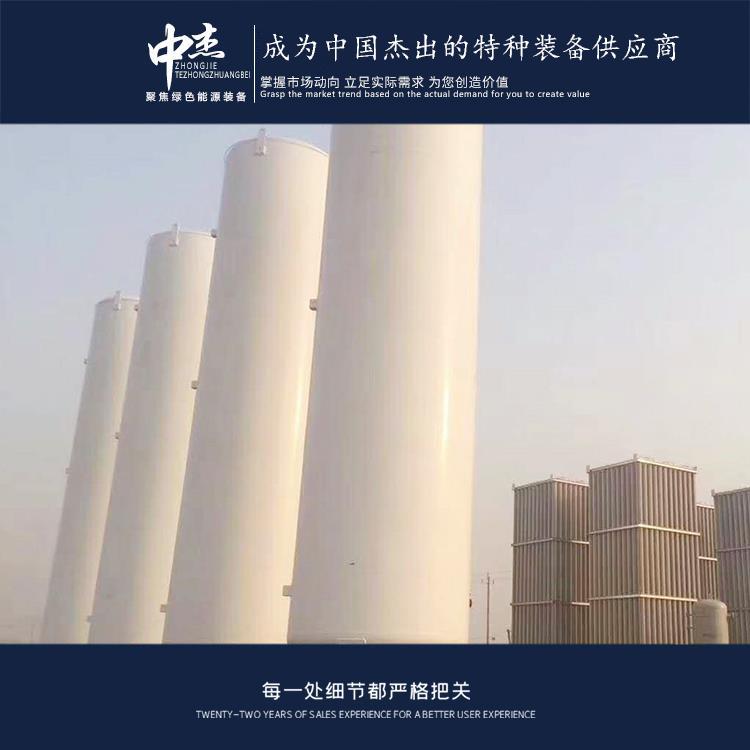
Material control for low-temperature liquid storage tanks is a crucial aspect in ensuring their safety and reliability. The following are some common material control measures:
Material Selection: Choose materials suitable for low-temperature environments, such as low-temperature alloy steel, stainless steel, etc. These materials possess excellent low-temperature resistance and crack resistance, maintaining strength and toughness under low-temperature conditions.
Material Quality Control: Ensure the selected materials meet relevant standards and specifications. Conduct chemical composition analysis, mechanical property tests, and impact tests on the materials to ensure they meet the design requirements.
Welding Material Selection: Choose welding materials suitable for low-temperature environments, such as low-temperature welding rods or wires. The welding materials should match the storage tank material, offering excellent welding properties and crack resistance.
Welding Process Control: Monitor welding parameters such as current, voltage, and welding speed to ensure the quality and reliability of weld joints. Techniques with low heat input, such as pulsed welding and laser welding, can minimize the temperature gradient and residual stress in the heat-affected zone.
Corrosion Prevention Measures: Apply corrosion-resistant treatments to the internal and external metal surfaces of storage tanks to extend their service life. Options include corrosion-resistant coatings and paints to protect the metal structure of the tank from corrosion.
Material Performance Monitoring: Regularly conduct performance monitoring of the storage tank materials, such as mechanical property tests,
Zhong Jie Special Equipment upholds the grand vision of "realizing employees' dreams, creating customer value, and striving for the prosperity and strength of our motherland," wholeheartedly devoting itself to the development of green energy equipment. We offer products and services with high performance and cost-effectiveness to contribute to society!
Dongying Liquid Argon Storage Tanks, Various Models
