


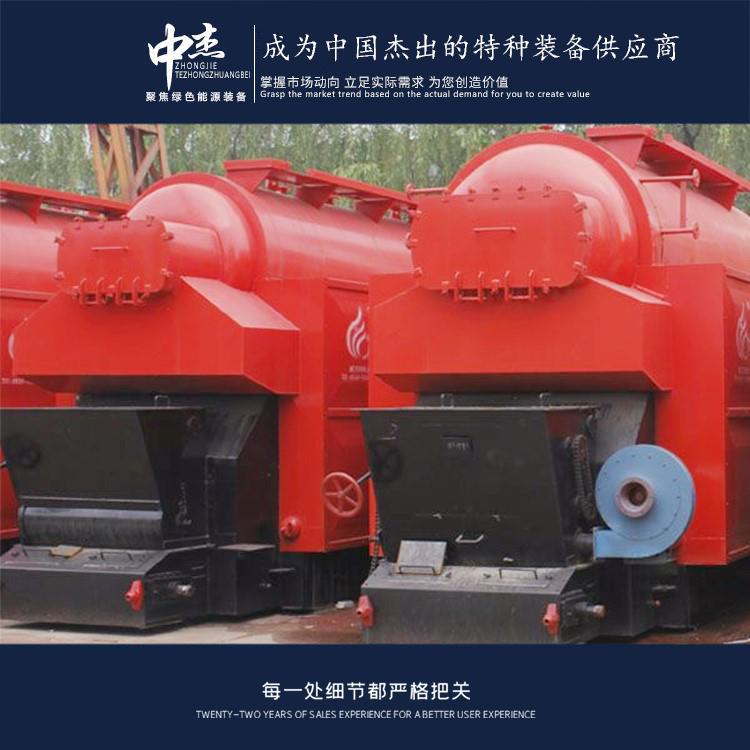
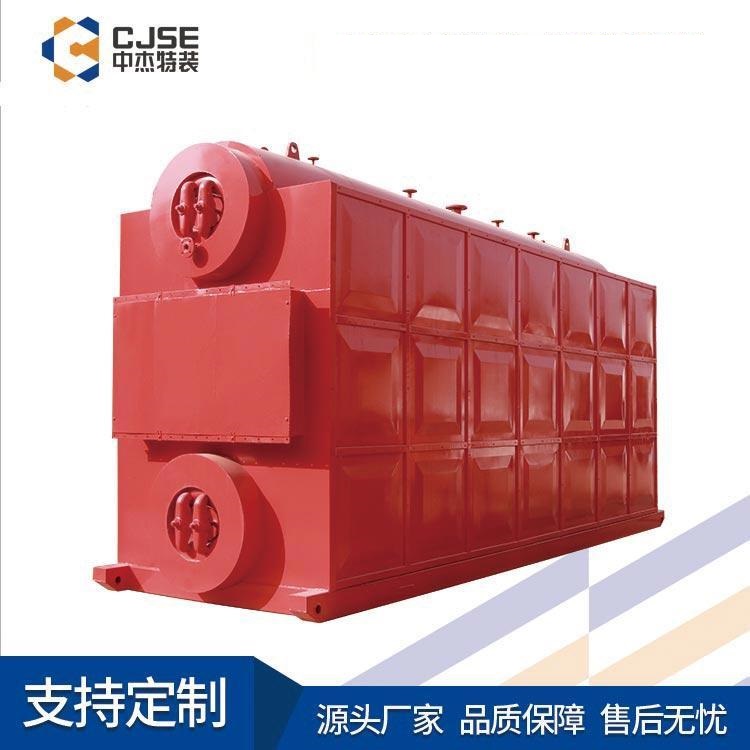
Shandong Zhongjie Special Equipment (formerly Heze Boiler Factory Co., Ltd.) holds an A-grade boiler manufacturing license, A2-grade pressure vessel manufacturing license, A2-grade pressure vessel design license, B-grade boiler installation and GB2, GC2 class pressure pipeline installation licenses, as well as equipment and mechanical installation contracting qualifications. It is a member of the China Boiler and Water Treatment Association, the China Chemical Equipment Association, and the director unit of the Shandong Equipment Manufacturing Association. The company has also passed the ISO9001 Quality Management System, ISO14001 Environmental Management System, OHSAS18001 Occupational Health and Safety Management System certifications, and the American ASME/U2 certification.
Biomass fuel boilers may encounter the following issues during operation:
Fuel quality inconsistency: The quality of biomass fuel is affected by factors such as raw material source, processing methods, and storage conditions, leading to inconsistent fuel quality. Inconsistent fuel quality may impact combustion efficiency and the stable operation of the boiler.
Ash disposal issue: Biomass fuel produces a large amount of ash during combustion, including waste, ash content, and unburned materials. The handling and disposal of ash may pose environmental pollution and cost issues.
High-Temperature Corrosion: Ash and elements like chlorine in biomass fuel tend to cause corrosion at high temperatures, damaging the metal components of boilers. Measures must be taken to protect and address high-temperature corrosion issues.
Low combustion efficiency: The combustion characteristics of biomass fuel differ from traditional fossil fuels, potentially resulting in lower combustion efficiency. It is necessary to optimize the combustion system and control strategies to enhance combustion efficiency and reduce energy waste.
Gas emissions from combustion: The combustion of biomass fuel produces certain emissions, such as carbon dioxide, nitrogen oxides, and particulates. These emissions have an impact on the environment and air quality, necessitating appropriate control measures.
Transport and Storage Costs: The transportation and storage costs for biomass fuel are high, particularly for areas far from the source of supply. This may increase the operational costs for biomass fuel boilers.
In summary, biomass fuel boilers face issues such as inconsistent fuel quality, ash and slag disposal, and high temperatures.
Chain biomass boiler, also known as chain grate biomass boiler, is a special type of biomass boiler. It uses a chain grate as the fuel conveying and combustion device.
Chain grate consists of a series of interconnected chains, with evenly spaced grate plates distributed along them. Fuel is transported from one end of the furnace to the other by the movement of the chain grate, while simultaneously combusting within the furnace.
The working principle of the chain biomass boiler is: fuel is evenly distributed on the chain grate, and as the chain moves, the fuel gradually moves towards the outlet of the furnace chamber. Inside the furnace, the fuel is thoroughly mixed with air, releasing thermal energy through combustion reactions. At the same time, the design of the grate plates and the movement of the chain ensure even and complete combustion of the fuel.
Chain biomass boiler features include:
Adaptable: Chain grate stokers can accommodate various biomass fuels such as sawdust, straw, etc., demonstrating strong fuel adaptability.
High combustion efficiency: The chain grate design ensures even and complete combustion of the fuel, enhancing the combustion efficiency.
Operation Stable: The chain grate movement is stable, fuel supply and combustion process are reliable, and the boiler operates with high stability.
Suitable for Large Capacity Boilers: Chain biomass boilers are designed for large capacity boiler systems, meeting the needs of the industrial and heating sectors.
Chain biomass boilers are widely used in the field of biomass energy utilization, effectively utilizing biomass fuel to achieve sustainable energy use.
Coking in biomass boilers refers to the phenomenon where ash and other impurities in the fuel deposit and form slag inside the furnace during the combustion process. Coking can negatively impact the normal operation and thermal efficiency of biomass boilers. The following are the hazards of coking and corresponding measures:
Reducing thermal efficiency: Coking leads to carbon accumulation on the inner walls of the furnace and the heat exchange area, increasing thermal resistance and lowering the efficiency of heat conduction, thereby reducing the boiler's thermal efficiency. Decreased thermal efficiency results in energy waste and increased operating costs.
Measures: Regularly clean the slag and carbon buildup inside the furnace, maintain the cleanliness of the furnace inner walls, and enhance heat exchange efficiency.
Impacts on combustion stability: Coking can lead to unevenness during the combustion process, reducing combustion stability and potentially causing incomplete combustion and unstable flames.
Measures: Reasonably adjust combustion parameters such as combustion temperature and air volume, to maintain the stability of the combustion process.
Increased equipment wear and maintenance costs: Coking leads to carbon buildup on the inner walls of the furnace and flue pipes, thereby increasing the wear and maintenance costs of the equipment.
Measures: Regularly clean and maintain boiler equipment to prevent the formation of scale and carbon deposits.
Increased environmental pollution: Coking can lead to an increase in pollutant emissions during the combustion process, affecting the environment.
Measures: Reasonably control the combustion process to ensure complete and thorough combustion, reducing emissions of pollutants.
In summary, measures to prevent biomass boiler slagging include regular cleaning and maintenance of equipment, reasonable adjustment of combustion parameters, and control
To enhance the thermal efficiency of biomass boilers, the following measures can be taken:
Optimize the combustion system: Ensure the biomass boiler's combustion system operates effectively with high combustion efficiency. Adoptable combustion technologies, such as fluidized bed combustion and chain grate combustion, can enhance combustion efficiency and thermal energy utilization.
Control Fuel Quality: Select biomass fuel in controlled quantities, such as dried sawdust, straw, etc., avoiding fuel with excessive moisture content. High moisture fuel consumes additional heat for evaporation, reducing combustion efficiency.
Properly Adjust Fuel Supply: Adjust the fuel supply quantity according to actual needs, avoiding both excess and shortage. Excess supply leads to fuel waste, while insufficient supply affects combustion efficiency.
Control combustion temperature: Maintain an appropriate range of combustion temperature to avoid excessively high or low temperatures. Excessively high combustion temperatures can lead to heat loss of the fuel, while excessively low temperatures can affect the combustion efficiency.
Regular cleaning and maintenance: Regularly clean the combustion chamber, flue, heat exchanger, and other components of the biomass boiler to keep them clean and unobstructed. Accumulated ash and dirt can affect heat conduction and heat exchange efficiency, reducing thermal efficiency.
Utilize waste heat recovery technology: Employ waste heat recovery units to utilize the excess heat generated from combustion for heating systems or other applications.
Zhongjie Special Equipment upholds the grand vision of "realizing employees' dreams, creating customer value, and striving for the prosperity and strength of our motherland," focusing solely on the development of green energy equipment. We dedicate products and services with high cost-performance to society!
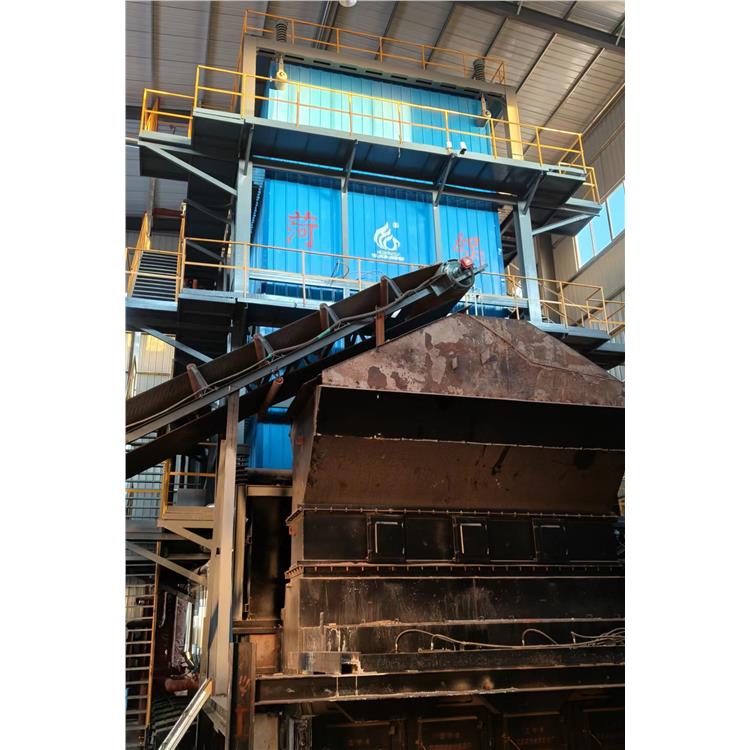
Xianyang 30-ton biomass boiler, on-site installation
