


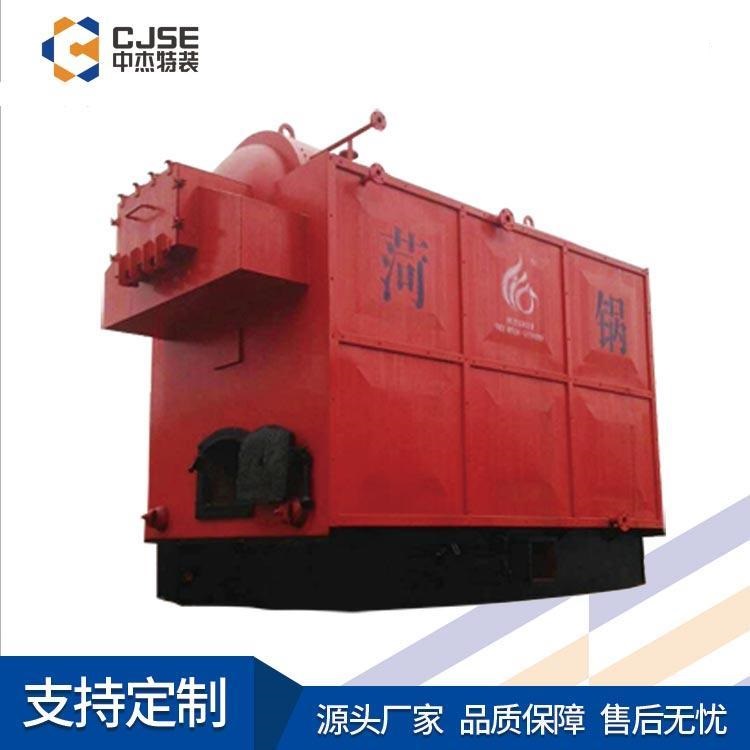
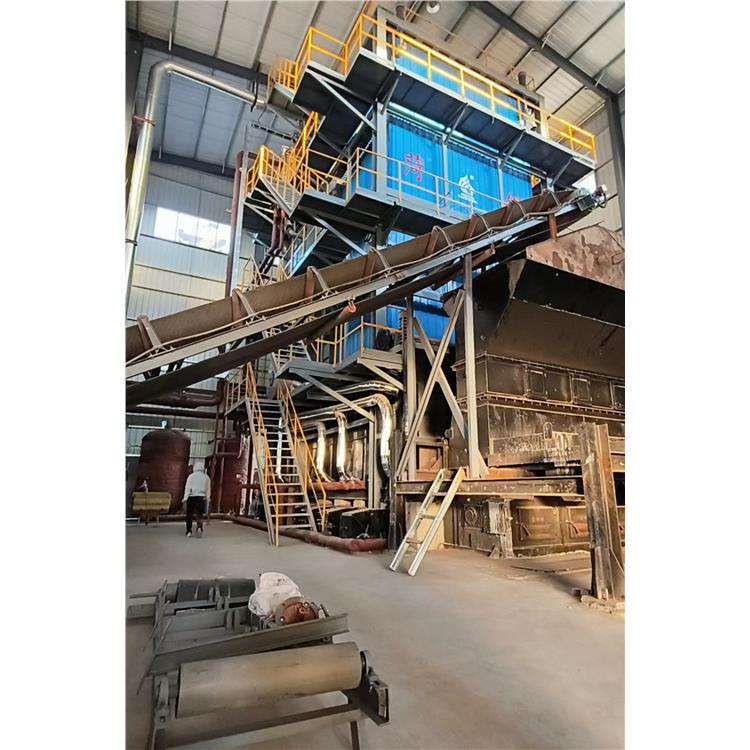
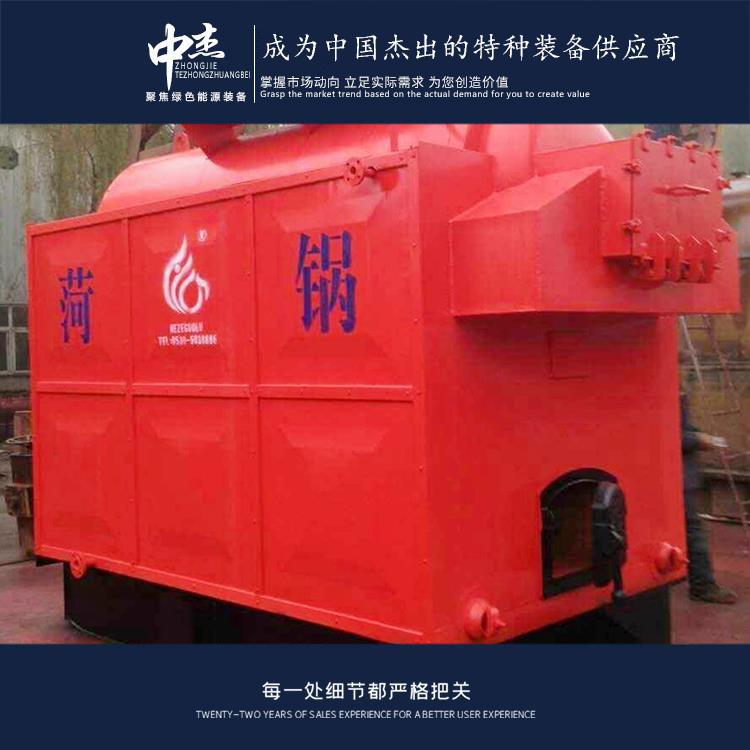
Shandong Zhongjie Special Equipment's main products include: fuel (gas) boilers, organic heat carrier boilers, biomass boilers, waste heat boilers, and other boiler products; vacuum insulation deep cryogenic pressure vessels such as LNG storage tanks, oxygen-nitrogen-argon storage tanks, CO2 storage tanks; pressure vessel products such as denitrification engineering equipment, heat storage and energy storage equipment, and complete chemical equipment sets; central air conditioning and HVAC equipment like ground (water) source heat pumps, air source units, water-cooled screw units, and air-cooled modular units. Planned products include large-scale energy centers, LNG transport vehicles, LNG tank containers, and other green energy equipment.
Possible reasons for incomplete combustion in biomass boilers may include the following aspects:
Poor fuel quality: Low-quality biomass fuel, such as high moisture content and uneven particle size, can affect the combustion process. Fuel with high moisture content can lead to reduced combustion temperature and incomplete combustion.
Insufficient air supply: Air is essential during the combustion process. If there is insufficient air supply, the fuel cannot react fully with oxygen, leading to incomplete combustion. Possible causes include blocked air intake, fan failure, etc.
Unstable combustion system: The instability of the combustion system may also lead to incomplete combustion. For instance, improper adjustment of the burner or an unreasonable design of the combustion chamber can both affect the stability of the combustion process.
Insufficient combustion temperature: Low combustion temperature can lead to incomplete combustion. Possible causes include improper adjustment of the burner and unstable fuel supply.
Ash accumulation in combustion chamber: Ash buildup in the combustion chamber can affect the combustion process, hindering the contact between fuel and oxygen, leading to incomplete combustion.
Insufficient burn time: Insufficient burn time can also lead to incomplete combustion. If fuel stays in the combustion chamber too briefly, it cannot burn fully, resulting in unburned fuel residues.
Inadequate combustion chamber design: An improperly designed combustion chamber, whether too large or too small, hinders the thorough mixing of fuel and oxygen, resulting in incomplete combustion.
Above are some possible reasons for incomplete combustion in biomass boilers, which require analysis and resolution based on specific situations. Regular maintenance and care, rational fuel selection, and optimizing the combustion system.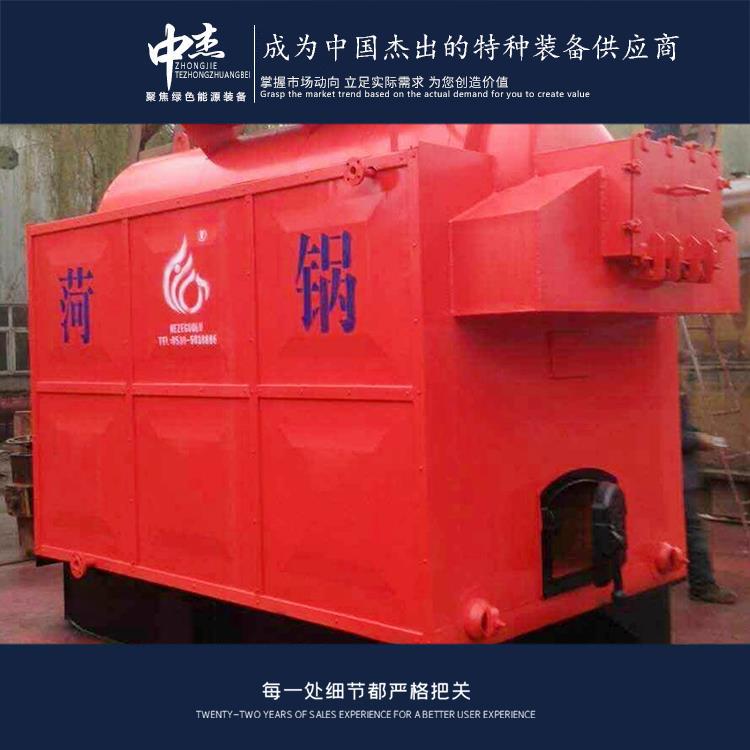
Transforming coal-fired boilers into biomass boilers can offer the following benefits:
Environmentally Friendly: Fuel for biomass boilers comes from organic matter such as plants, animals, and microorganisms. Compared to coal-fired boilers, biomass boilers produce lower carbon emissions during combustion, reducing greenhouse gas emissions and being more environmentally friendly.
Energy-saving and emission reduction: Biomass boilers, utilizing combustion technology and heat recovery systems, enhance energy efficiency and minimize waste. Moreover, the combustion of biomass fuel generates less ash and pollutants, thereby reducing environmental pollution.
Energy Security: Biomass, as a native renewable energy source, can reduce dependence on imported energy and enhance energy security. In areas with scarce resources, switching to biomass boilers can provide a reliable energy supply.
Economic benefits: Biomass fuel is relatively cost-effective, which can reduce energy costs. Moreover, the technology and equipment for biomass boilers are continuously evolving and maturing, making them more economically competitive.
Waste Utilization: Transforming coal-fired boilers into biomass boilers can utilize agricultural residues like straw and wood waste, effectively utilizing waste resources and reducing resource waste.
It's important to note that converting coal-fired boilers to biomass boilers requires corresponding technical upgrades and equipment updates, including the combustion system, fuel supply system, and flue gas treatment system. The conversion process must consider fuel characteristics, combustion properties, and equipment adaptability to ensure the stable operation of the biomass boiler post-conversion and achieve the anticipated energy and emission reduction effects. Therefore, it is advisable to seek engineering technical support and consultation when carrying out the coal-fired boiler conversion.
The occurrence of oil spray in thermal oil furnaces may be related to the following operations:
Excessive oil pump pressure: If the oil pump pressure of the heat-conducting oil furnace is set too high, exceeding the design requirements, it may lead to oil atomization. Excessive oil pump pressure will increase the amount of oil sprayed by the nozzle, surpassing the combustion requirements within the furnace.
Excessive nozzle orifice size: An overly large nozzle orifice on a thermal oil furnace can lead to excessive oil injection, causing oil spitting. The nozzle orifice size should be selected rationally based on the furnace's combustion requirements and design specifications.
Excessive furnace temperature: Overheating within the thermal oil furnace, exceeding the design specifications, may lead to oil jetting occurrences. The elevated temperature reduces the viscosity of the thermal oil, increasing the risk of oil jetting.
Low oil level: Inadequate oil level in the thermal oil boiler may cause the oil pump to draw in air, leading to the occurrence of atomization. The oil level should be maintained within the normal range to prevent the oil pump from drawing in air.
Oil Pump Failure: Faults in the thermal oil boiler's oil pump, such as clogging or oil leakage, can lead to oil spraying. Regularly inspect and maintain the oil pump to ensure its proper operation.
Oil Tube Clogging: Oil tube clogging in a thermal oil furnace, such as the accumulation of impurities or sediment inside the tube, can lead to oil spitting. Regularly clean and maintain the oil tubes to ensure smooth oil flow.
Improper Operation: Failure to follow the correct operating procedures when handling a thermal oil furnace, such as over-adjusting the oil pump pressure or arbitrarily changing nozzles, may lead to oil spraying occurrences.
When selecting an appropriate atmospheric pressure hot water boiler, consider the following factors:
Heating Area: First, determine the size of the area to be heated, which will determine the required heat output of the hot water boiler. Generally, the larger the heating area, the higher the heat output needed.
Thermal Load Calculation: Conduct a thermal load calculation, taking into account the insulation performance of the heating area, indoor temperature requirements, and external climatic conditions to determine the required heat power. You can request a thermal load calculation to ensure the selected hot water boiler meets the heating needs.
Fuel Type: Atmospheric pressure hot water boilers can use various fuels, such as gas, oil, etc. Select the appropriate fuel type based on local fuel supply and cost considerations.
Boiler Efficiency: Focus on the energy efficiency of hot water boilers and choose products with higher efficiency. High-efficiency hot water boilers can provide better heating effects while reducing energy consumption and operating costs.
Boilers and Quality: Select hot water boilers produced by manufacturers with a good reputation to ensure reliable product quality and comprehensive after-sales service.
Safety and Environmental Protection: Focus on the safety and environmental performance of hot water boilers, selecting products with safety protection features and low emissions.
Budget Considerations: Select a suitable hot water boiler based on budget constraints. In addition to the purchase cost, consider the subsequent operational and maintenance costs.
Considering the above factors, a suitable atmospheric pressure hot water boiler can be chosen to meet heating needs and achieve good performance in terms of energy efficiency, safety, and environmental protection. It is recommended to consult with professionals or hot water boiler experts during the selection process.
Shandong Zhongjie Special Equipment, welcome customers to visit our factory for cooperation discussions.
Putian 35-ton biomass boiler, years of industry experience
