


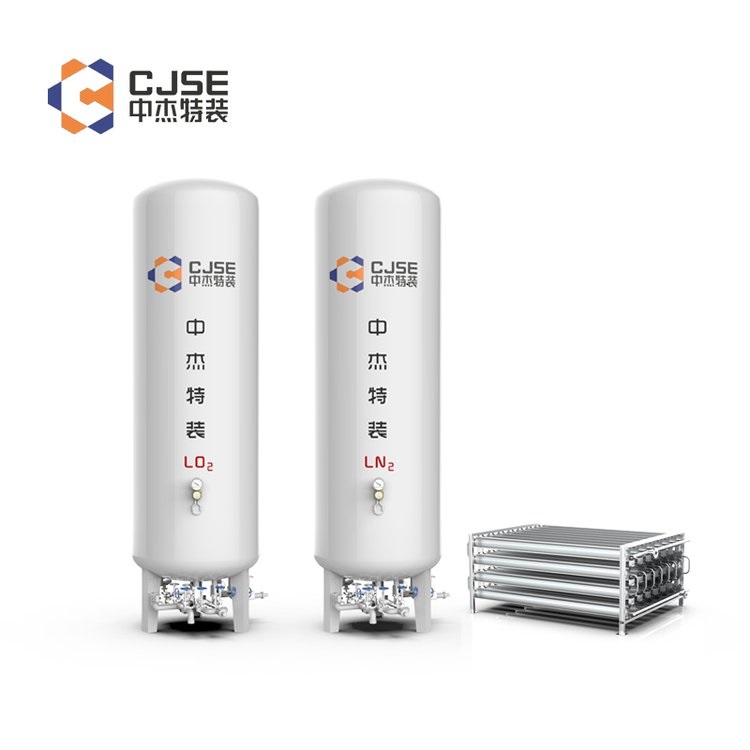
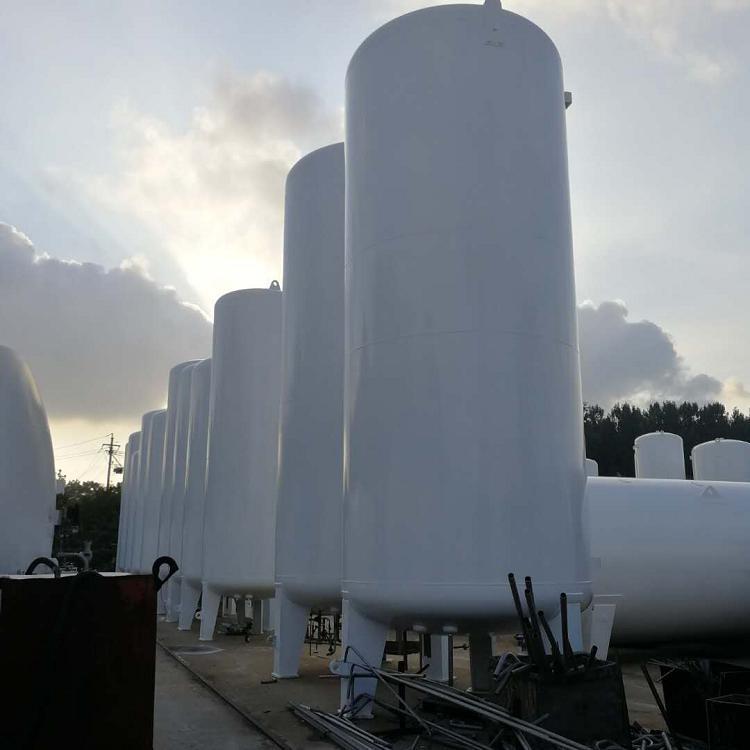
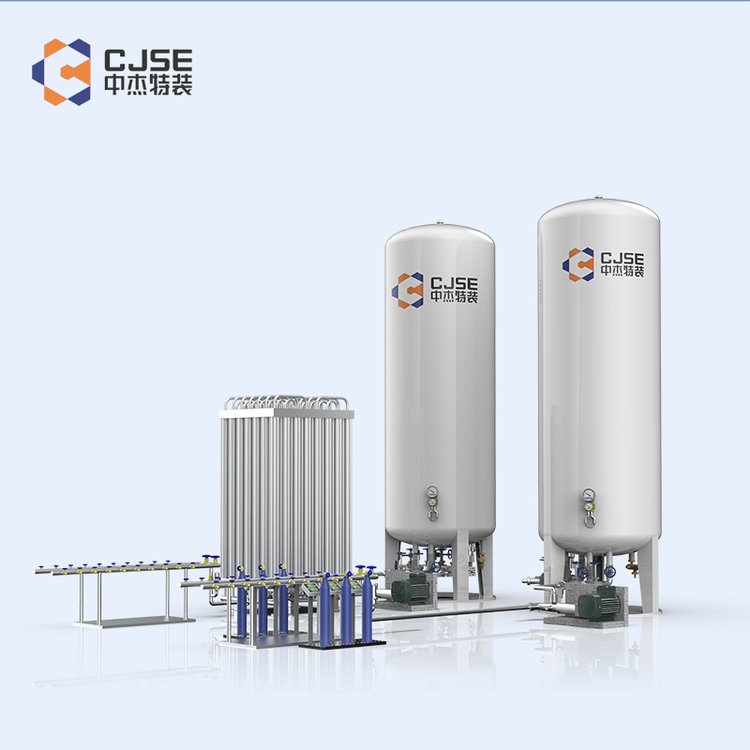
Shandong Zhongjie Special Equipment (formerly Heze Boiler Factory Co., Ltd.) was established in 2001, located at No. 2218 Jinnan Road, Development Zone, Heze City, with a registered capital of 50 million yuan and total assets of 500 million yuan. The company has 7 business centers: boilers, deep-freeze containers, pressure vessels, central air conditioning, engineering installation, international trade, and Internet of Things. It has three factory sites on Jinnan Road, East Changjiang Road, and Bohai Road, covering a total of 200,000 square meters, with the main workshop area being 83,000 square meters. Currently, there are 710 employees, including 247 engineers and technicians, and 82 intermediate-level technicians. In December 2016, it was recognized as a "High-tech Enterprise" by the Science and Technology Department. In June 2021, it was identified as a "Specialized and New Enterprise in Shandong Province" by the Ministry of Industry and Information Technology. In June 2022, it was recognized as a "Gazelle Enterprise in Shandong Province" and in August 2022, it was identified as a "Specialized and New Small Giant Enterprise" by the Ministry of Industry and Information Technology.
When filling liquid carbon dioxide into storage tanks, attention should be given to the following aspects:
Safety Operation: During the filling process, it is mandatory to adhere to relevant safety operation procedures and standards. Operators must receive training to understand the operational requirements and safety measures of the filling equipment and operate strictly according to the procedures.
Tank Inspection: Before filling, the tank must be inspected to ensure its integrity and safety. Check the tank's appearance, sealing, valves, and pipeline connections, and promptly repair or replace any abnormalities or damages found.
Filling Equipment: Select appropriate filling equipment, ensuring it meets relevant standards and requirements. The filling equipment should have a safe and reliable design and operational function to ensure the safety and efficiency of the filling process.
Filling Rate Control: Controlling the filling rate is crucial. Excessive filling speed can lead to excessive tank pressure, increasing safety risks. The filling rate should be controlled according to the tank's capacity and design requirements to ensure safe filling.
Pressure Control: During the filling process, the tank's pressure must be strictly controlled. The filling equipment should be equipped with pressure sensors and safety valves to ensure the internal pressure of the tank remains within a safe range.
Leak Protection: During the filling process, ensure the sealing of valves and pipelines to prevent carbon dioxide leakage. Regularly inspect and replace seals, and promptly address any leakage situations.
Monitoring and Recording: Real-time monitoring and recording of key parameters, such as pressure, temperature, and liquid level, should be conducted during the filling process. This helps in promptly identifying abnormalities and making corresponding adjustments and treatments.
It is important to note that filling carbon dioxide storage tanks should be performed by qualified operators who follow relevant safety operation procedures and standards. Seek advice and guidance from experts.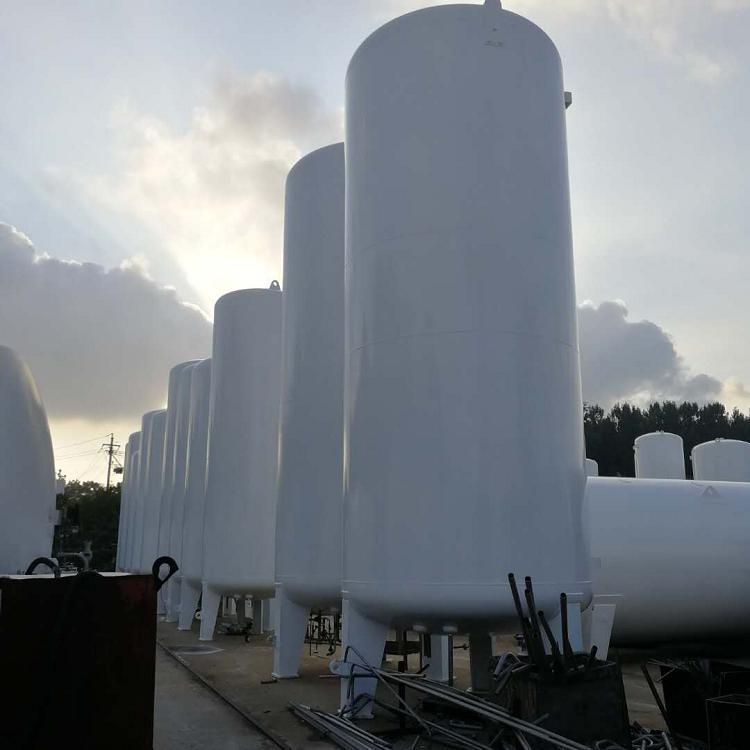
Carbon dioxide cylinder hydrostatic testing is a common quality inspection method used to verify the cylinder's sealing and pressure resistance. Below are the general steps for conducting a hydrostatic test on a carbon dioxide cylinder:
Preparation: Ensure the cylinder interior is clean and the cylinder is empty. Check the cylinder's valves, pipes, and connections to ensure they are sealed properly.
Filling with Water: Fill the cylinder with water, using tap water or other clean sources. Ensure the water is evenly filled to avoid bubbles or dead spots.
Applying Pressure: Use a pressure pump or other pressure device to gradually increase the water pressure until it reaches the predetermined test pressure. The test pressure is typically determined based on the cylinder's design requirements and relevant standards.
Maintaining Pressure: After reaching the test pressure, hold it for a period, usually 15-30 minutes. During this time, observe for any leakage in the cylinder and check for leaks at the valves and connection points.
Pressure Release: Release the water pressure inside the cylinder, ensuring it is released slowly and evenly to avoid sudden pressure release causing shock.
Inspection and Evaluation: After pressure release, inspect the cylinder's exterior and interior for any leakage. Evaluate the test results to ensure the cylinder's sealing and pressure resistance meet the requirements.
It is important to note that when conducting hydrostatic testing, safety operating procedures and standards should be followed to ensure safety and reliability during the test process. Additionally, based on the cylinder's design and usage requirements, other types of tests can be conducted, such as gas pressure testing, ultrasonic testing, etc., to comprehensively evaluate the cylinder's quality and performance. Seek advice and guidance from experts.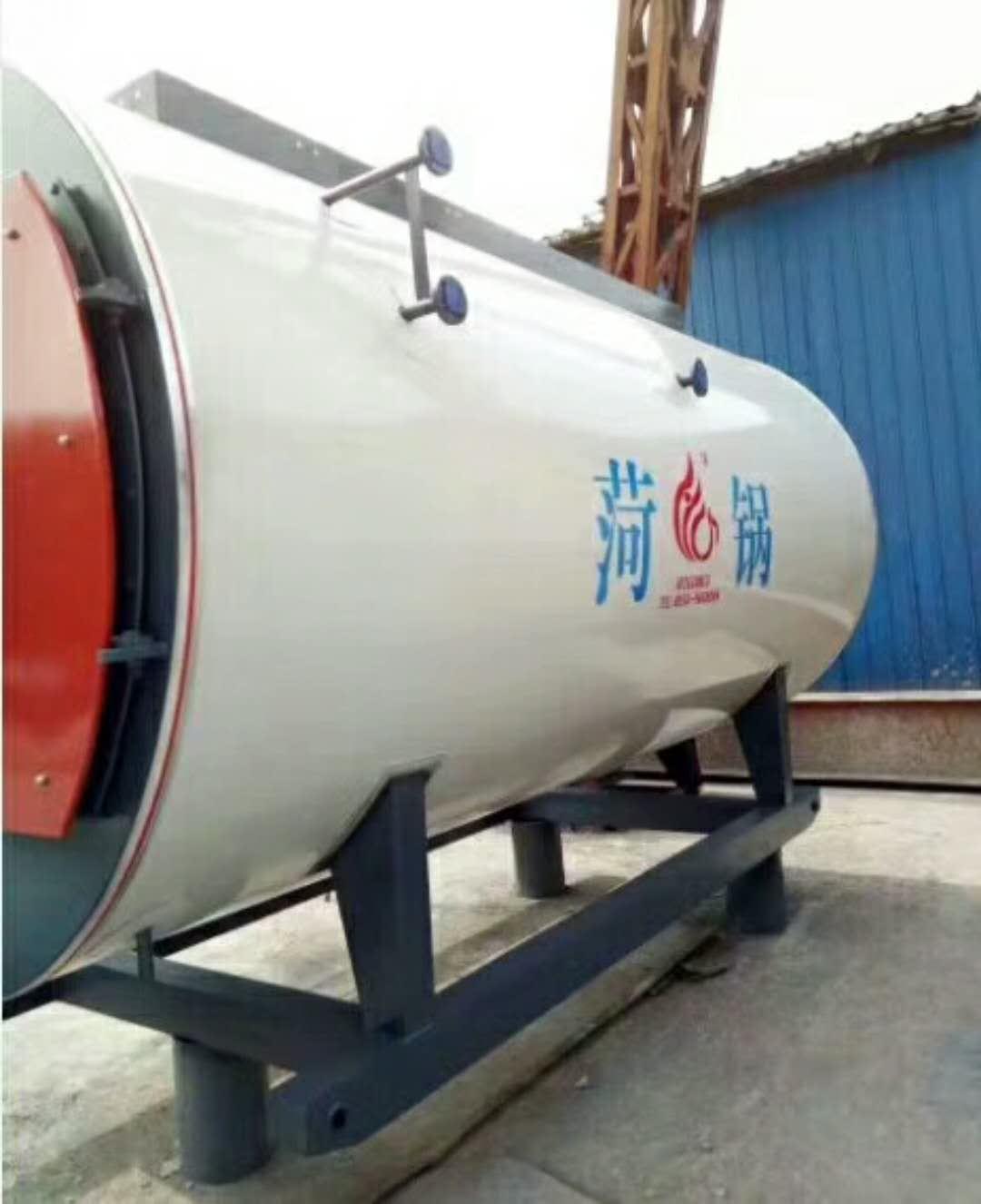
When using carbon dioxide tanks, pay attention to the following aspects:
- Safe Operation: Operators must receive training to understand the characteristics, operational requirements, and safety measures of carbon dioxide tanks. Adhere to relevant safety operation procedures and standards to ensure operational safety.
- Tank Inspection: Regularly inspect the tank's appearance, sealing, valves, and pipeline connections before use. Repair or replace promptly if any abnormalities or damage are found.
- Tank Placement: Place the tank in a well-ventilated, dry, and fire-free area. Avoid direct sunlight and high temperatures to prevent overheating.
- Leak Protection: Ensure that the valves and pipeline connections of the tank are sealed properly to prevent carbon dioxide leaks. Regularly check and replace seals, and address leaks promptly.
- Pressure Control: The internal pressure of the tank should be within a safe range. Check the tank's pressure gauge and safety valve before use to ensure proper operation. Avoid excessive or low pressure to prevent safety accidents.
- Fire Prevention Measures: Carbon dioxide is flammable, so fire prevention measures must be taken during use. Smoking, open flame operations, or placing flammable items near the tank are prohibited.
- Exhaust Emission: Properly discharge exhaust gases produced during the use of carbon dioxide tanks to avoid carbon dioxide accumulation in enclosed spaces, which can lead to asphyxiation and safety risks.
- Emergency Response Plan: Develop and implement an emergency response plan, including the handling of leaks, evacuation procedures, and first aid measures. Operators should be familiar with the plan and conduct regular drills.
Note that carbon dioxide tanks should only be used by trained operators following relevant safety operation procedures and standards. Seek advice and guidance from knowledgeable individuals.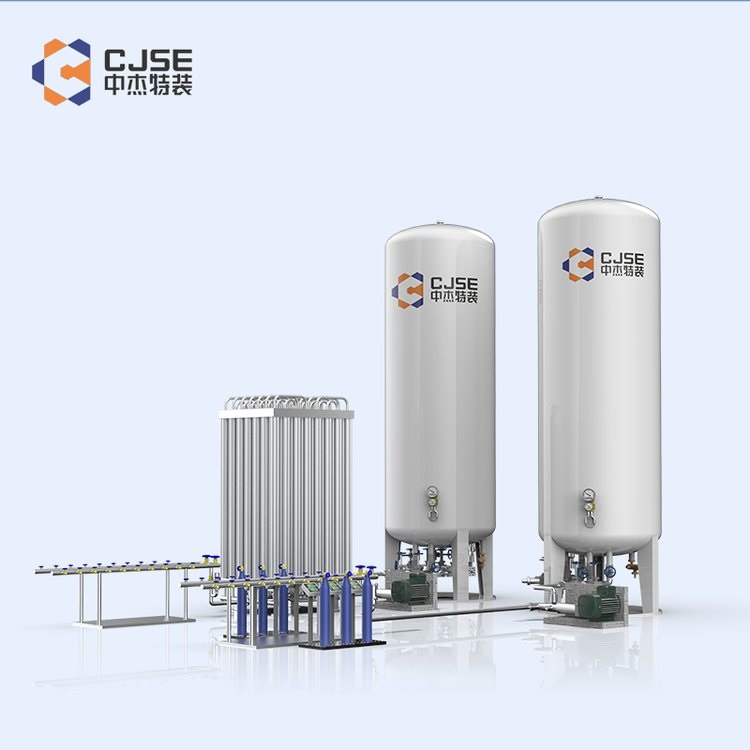
Carbon dioxide is widely used as a shielding gas in metal welding processes during welding. The following are the main applications of carbon dioxide in welding:
Gas Metal Arc Welding (GMAW): Carbon dioxide is commonly used as a shielding gas in the GMAW welding process. In GMAW welding, the arc generates high temperatures in the welding area, which can also cause oxidation reactions with oxygen and water vapor, leading to a decrease in weld quality. By injecting carbon dioxide gas into the welding area, a protective atmosphere is formed, preventing oxygen and water vapor from entering, thereby improving the quality and strength of the weld.
Mixed Gas Shielding Welding (GMAW): Carbon dioxide is also often mixed with other gases (such as argon) to form mixed gas shielding welding. The use of mixed gases can adjust the arc stability, molten pool formation, and weld quality during the welding process, enhancing the welding effect.
Gas Shielded Brazing: Carbon dioxide can also be used in the gas shielded brazing process. During brazing, the carbon dioxide gas provides a protective atmosphere, preventing oxidation and contamination in the brazing area, ensuring the quality of the brazed joint.
Gas Shielded Cutting: Carbon dioxide can also be used in the gas shielded cutting process. In gas shielded cutting, by injecting carbon dioxide gas into the cutting area, a protective atmosphere is formed, preventing oxidation and contamination in the cutting area, improving the quality and speed of cutting.
It should be noted that the application of carbon dioxide in welding needs to be adjusted and optimized according to specific welding materials, methods, and requirements. When using carbon dioxide for welding, it is necessary to follow relevant safety operation procedures and guidelines to ensure the safety and quality of the welding process.
Shandong Zhongjie Special Equipment, welcome customers to visit our factory for business discussions.
Yili Carbon Dioxide Storage Tank, Years of Industry Experience
