


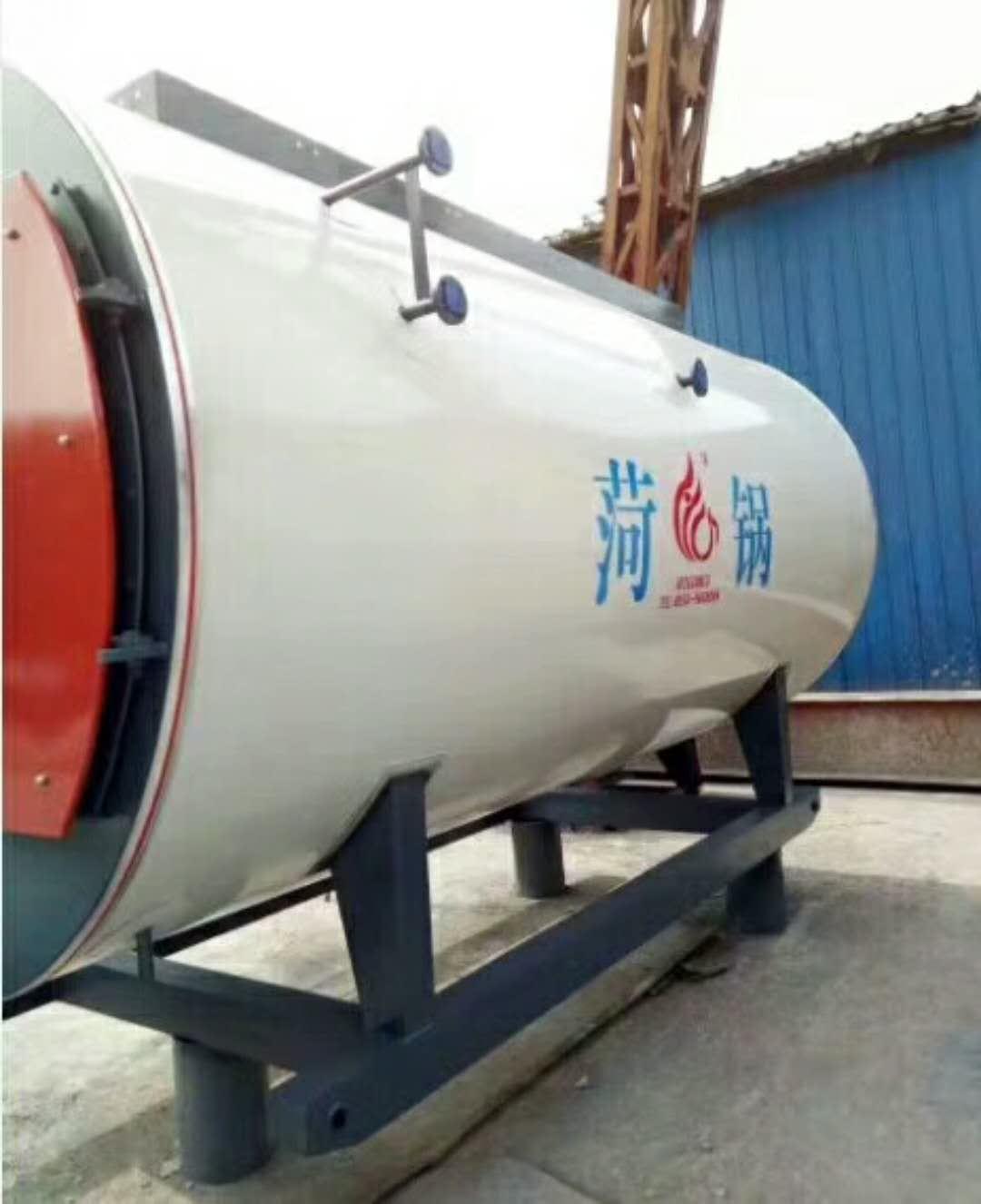
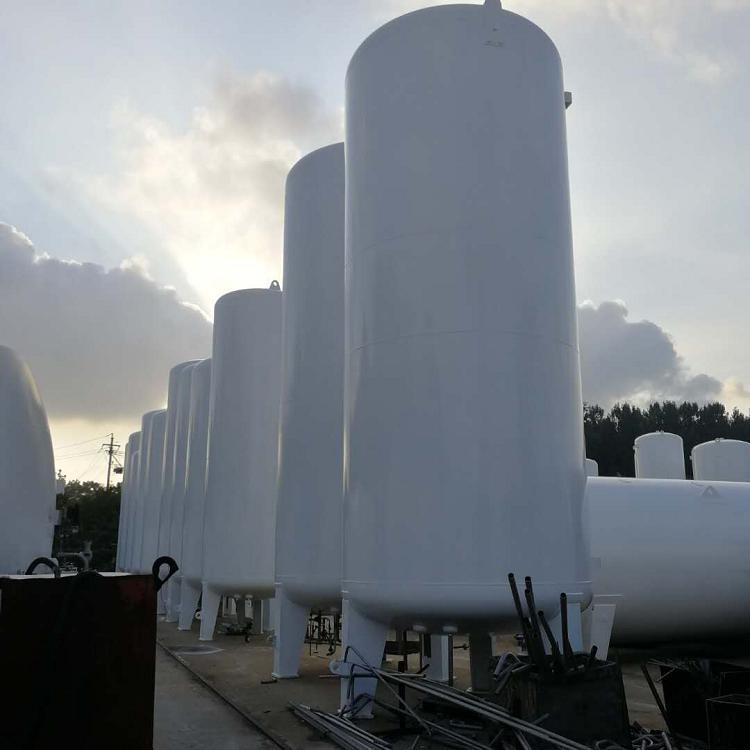
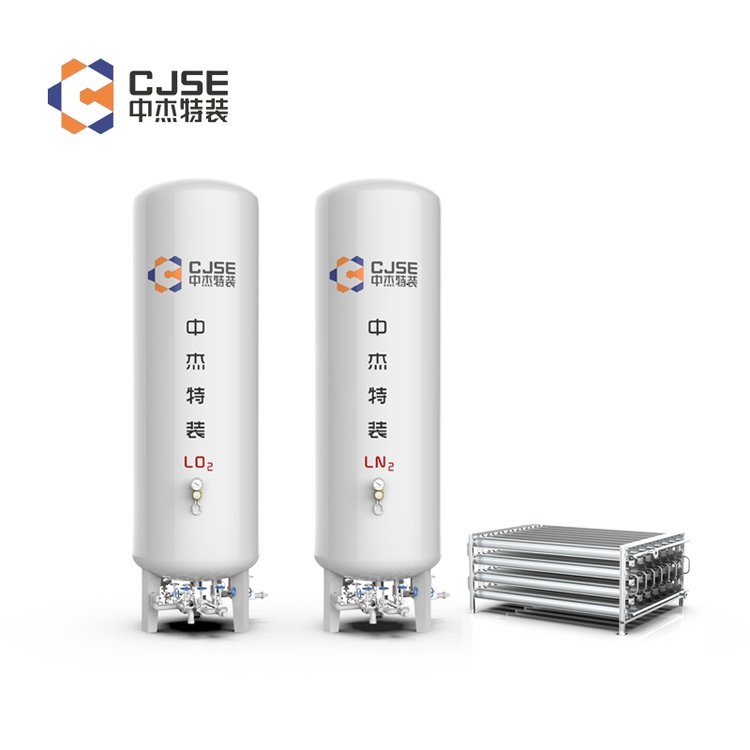
Shandong Zhongjie Special Equipment (formerly Heze Boiler Factory Co., Ltd.) was established in 2001, located at No. 2218 Jinnan Road, Development Zone, Heze City. With a registered capital of 50 million yuan and total assets of 500 million yuan, the company has 7 business centers: boilers, deep-freezing containers, pressure vessels, central air conditioning, engineering installation, international trade, and Internet of Things. It has three factory sites on Jinnan Road, East Changjiang Road, and Bohai Road, covering a total of 200,000 square meters, with the main workshop spanning 83,000 square meters. It currently employs 710 staff, including 247 engineers and technicians, and 82 intermediate-level technicians. In December 2016, it was recognized as a "High-tech Enterprise" by the Science and Technology Department. In June 2021, it was identified as a "Specialized and New Enterprise in Shandong Province" by the Department of Industry and Information Technology. In June 2022, it was recognized as a "Gazelle Enterprise in Shandong Province" and in August 2022, as a "Specialized and New Small Giant Enterprise" by the Ministry of Industry and Information Technology.
The safety distance between liquid oxygen storage tanks and buildings is typically specified by relevant safety standards and regulations to ensure the safe distance and fire separation between the tank and the building. The following is a general reference for the safety distance between liquid oxygen storage tanks and buildings:
Horizontal Interval: The horizontal distance between the liquid oxygen storage tank and the building is generally required to maintain a certain distance to prevent any danger to the building in case of leakage or accidents. The specific distance depends on factors such as the tank's capacity, pressure, and the nature of the building, with a general recommendation to maintain a safe distance.
Vertical Clearance: The vertical clearance between the liquid oxygen storage tank and the building must also comply with relevant safety requirements. This is to prevent any danger to the building in the event of a tank leak or accident. Specific clearance requirements will be determined based on factors such as the tank's capacity, pressure, and the height of the building, generally recommending maintaining a certain safety distance.
Fire-Protection Clearance: Liquid oxygen has a high oxygen content and is highly flammable. In the event of a leak or accident, it may cause a fire. Therefore, a certain fire-protection clearance must be maintained between liquid oxygen storage tanks and buildings to ensure that the fire does not spread or pose a danger to the structures. Specific fire-protection clearance requirements
Low-temperature liquid storage tanks (such as liquid nitrogen, liquid oxygen, liquid argon, etc.) possess several advantages:
High-Density Storage: Low-temperature liquid storage tanks can convert gases into liquids, significantly increasing storage density. Compared to gas storage, liquid storage can hold more material in a relatively smaller space, enhancing storage efficiency.
Low-Temperature Retention: The low-temperature liquid storage tank is equipped with excellent insulation properties, effectively maintaining the low temperature of the liquid. The design and construction of the insulation layer can reduce heat conduction and heat loss, preserving the low temperature of the liquid and minimizing evaporation and loss.
Supply: Low-temperature liquid storage tanks offer stable and consistent liquid supply. With internal pressure control and pipeline system design, precise liquid supply is achievable, catering to industrial production and experimental requirements.
Safety: Low-temperature liquid storage tanks offer a high level of safety. Liquid storage compared to gas storage reduces the risk of gas leaks and explosions. Tanks are typically equipped with safety devices such as pressure relief valves and level alarms to ensure timely action can be taken in abnormal situations, safeguarding the tank's safety.
Versatile Applications: Low-temperature liquid storage tanks are widely used in various fields such as industrial production and scientific research. Cryogenic liquids like liquid nitrogen and liquid oxygen are applicable for freezing, refrigeration, gas supply, and more, catering to diverse industry needs.
In summary, low-temperature liquid storage tanks offer advantages such as high-density storage, temperature maintenance, supply, safety, and versatile applications, providing reliable liquid storage and supply solutions across various fields.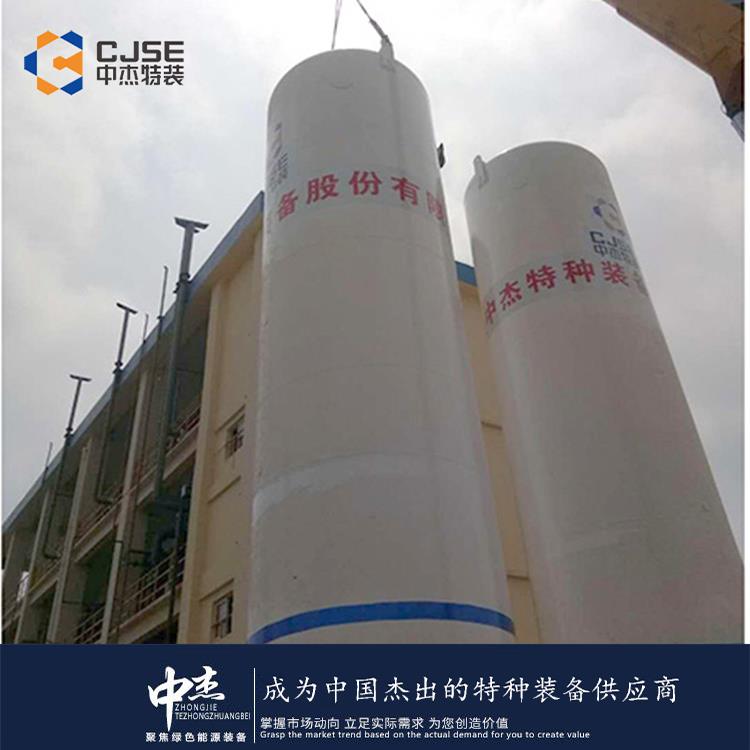
Liquid nitrogen tanks are widely used in meat freezing. Here are several main applications of liquid nitrogen tanks in meat freezing:
Quick Freezing: Liquid nitrogen tanks can provide low temperatures for rapidly freezing meat to the desired temperature. Due to the low-temperature properties of liquid nitrogen, the temperature of the meat can be quickly reduced in a short period, effectively preserving the quality and texture of the meat.
Cold Storage: Liquid nitrogen tanks are suitable for long-term freezing storage of meat products. Placing meat in a liquid nitrogen tank maintains it at low temperatures, preventing the growth of bacteria and microorganisms, thereby extending the shelf life of the meat.
Chilled Transportation: Liquid nitrogen tanks can be used for the cold transportation of meat products. Placing the meat in the liquid nitrogen tank maintains its低温 condition, ensuring the quality and freshness of the meat throughout transportation.
Chilled Processing: Liquid nitrogen tanks are suitable for meat chilling. By exposing the meat to liquid nitrogen, the surface can be rapidly frozen, creating a chilling layer to preserve the meat's moisture and nutritional content.
Chilled Processing: Liquid nitrogen tanks are suitable for meat freezing processing. Placing meat in liquid nitrogen makes it harder and crisper, facilitating cutting, slicing, and processing.
Be mindful that when using liquid nitrogen tanks for meat freezing, it's crucial to adhere to the relevant safety operating procedures and guidelines. Ensure that operators are equipped with the necessary safety awareness and operational skills to prevent accidents. Additionally, consult the food safety authorities.
Material control for low-temperature liquid storage tanks is a critical aspect in ensuring their safety and reliability. The following are some common material control measures:
Material Selection: Choose materials suitable for low-temperature environments, such as low-temperature alloy steel, stainless steel, etc. These materials exhibit excellent low-temperature resistance and crack resistance, maintaining strength and toughness under low-temperature conditions.
Material Quality Control: Ensure the selected materials meet relevant standards and specifications. Conduct chemical composition analysis, mechanical property tests, and impact tests on materials to ensure their performance meets design requirements.
Welding Material Selection: Choose welding materials suitable for low-temperature environments, such as low-temperature welding rods or welding wires. The welding materials should match the storage tank material, with excellent welding properties and crack resistance.
Welding Process Control: Monitor welding process parameters such as welding current, voltage, and speed to ensure the quality and reliability of weld joints. Methods with low heat input, like pulsed welding and laser welding, can reduce the temperature gradient and residual stress in the heat-affected zone.
Corrosion Prevention Measures: Apply corrosion-resistant treatments to the internal and external metal surfaces of storage tanks to extend their service life. Options include corrosion-resistant coatings and paints to protect the metal structure of the tank from corrosion.
Material Performance Monitoring: Regularly conduct performance monitoring of storage tank materials, such as mechanical property tests,
Our company highly values technological innovation and research and development. We possess one city-level enterprise technology center in Heze City, equipped with testing facilities for non-destructive testing, physical and chemical testing, welding testing, hydrostatic testing, and more. We have over 600 types of equipment, including CNC machine tools, X-ray flaw detectors, digital ultrasonic flaw detectors, mechanical property testing machines, chemical analyzers, spectrometers, tensile testing machines, plasma welding machines, and others. The key products and technologies we have developed, such as thermal-pressure vessel welding, biomass boiler emissions reduction, and waste heat recovery, have successively been included in multiple Shandong Provincial Department of Industry and Information Technology science and technology projects, Shandong key projects, and Heze City innovation and excellence projects. We have cumulatively obtained 27 authorized utility models, 16 authorized inventions, participated in drafting 2 standards, 2 industry standards, and registered 15 trademarks. Our technical team, in collaboration with Professor Yajiang Li from Shandong University, has jointly developed deep cryogenic container processing technology using the international plasma arc + filler wire tungsten inert gas (PAW-GTAW) welding technique. This technology has been appraised as internationally competitive at the provincial level in terms of deep cryogenic container manufacturing. Choose ZJ Special Equipment, let's create brilliance together!
North Sea 5 cubic meter oxygen storage tank - Over 20 years of experience for added peace of mind
