


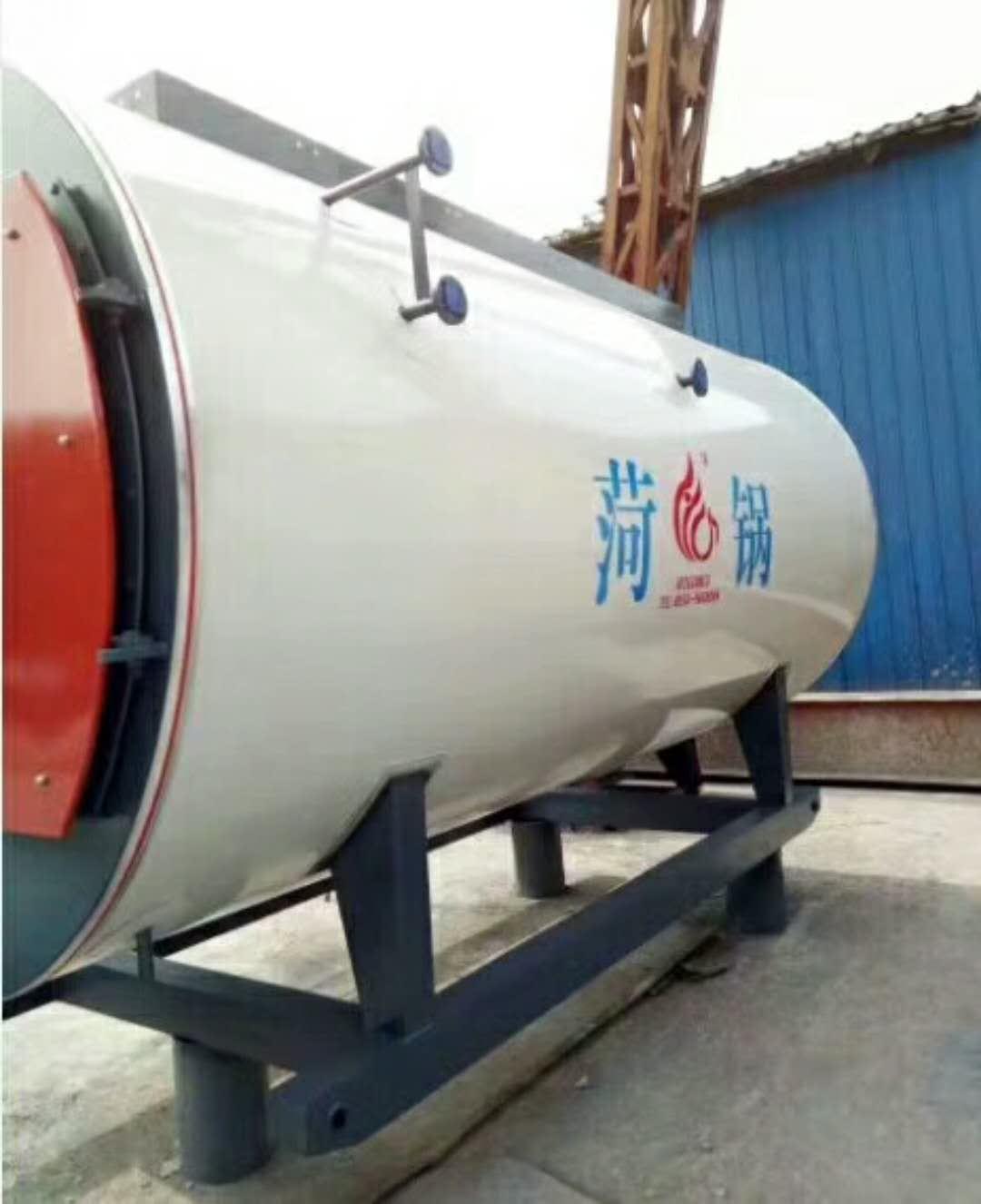
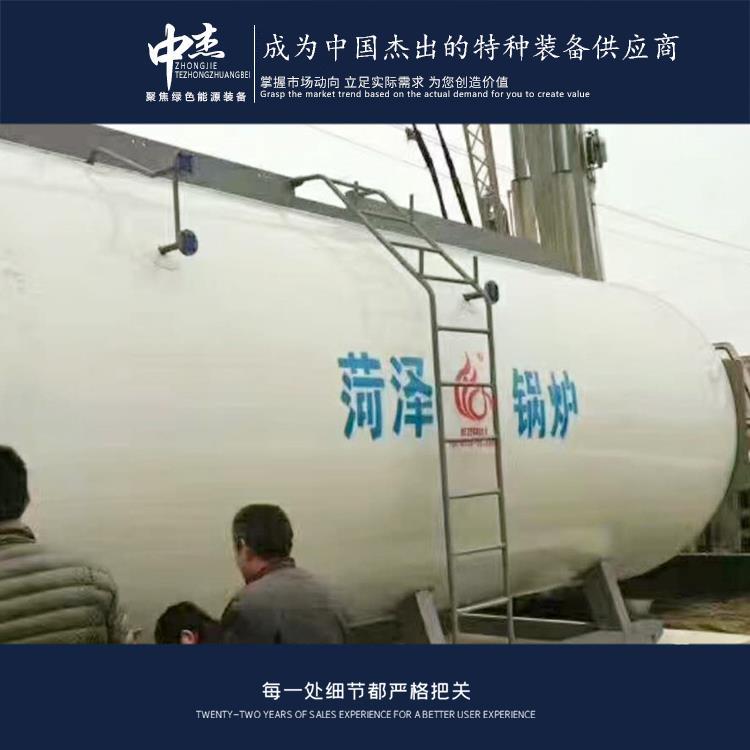
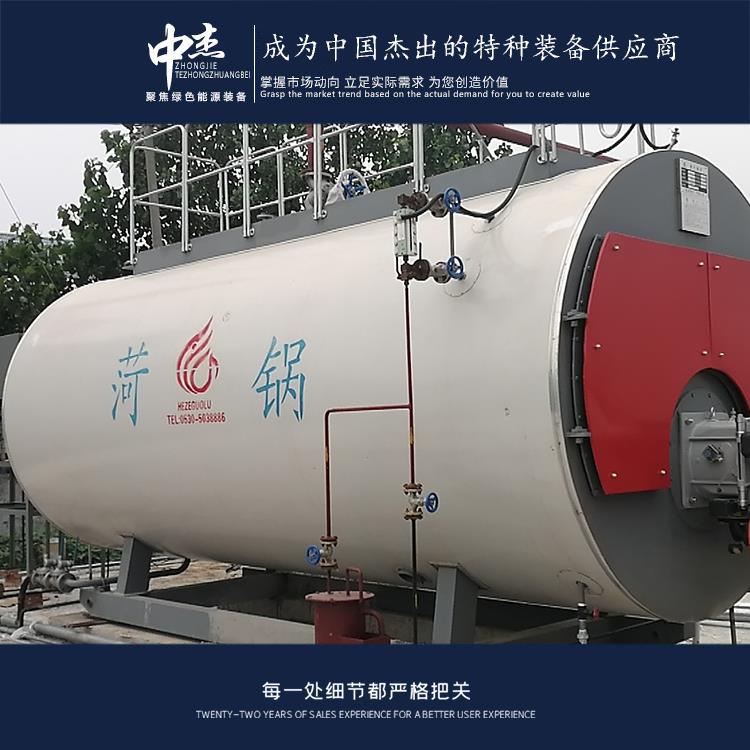
Shandong Zhongjie Special Equipment's main products include: fuel (gas) boilers, organic heat carrier boilers, biomass boilers, waste heat boilers, and other boiler products; vacuum insulation cryogenic pressure vessels such as LNG tanks, oxygen/nitrogen/argon tanks, and CO2 tanks; pressure vessel products such as denitrification engineering equipment, heat storage and energy storage equipment, and complete chemical equipment sets; central air conditioning and ventilation equipment such as ground (water) source heat pumps, air source units, water-cooled screw units, and air-cooled modular units. Planned products include large-scale energy centers, LNG transport vehicles, LNG tank containers, and other green energy equipment.
Steam boiler blowdown devices mainly include the following types: Blowdown Valve: A blowdown valve is commonly installed on steam boilers to discharge waste water and impurities from within the boiler. Typically located at the bottom or side of the boiler, opening the blowdown valve allows waste water to be expelled from the boiler, maintaining internal cleanliness. Blowdown Pump: For large steam boilers or situations requiring long-distance waste water discharge, a blowdown pump may be used. The pump can extract waste water from the boiler and transport it through pipes to designated discharge points. Automatic Blowdown System: Some steam boilers may be equipped with an automatic blowdown system. These systems can automatically discharge waste water from the boiler based on pre-set time intervals or water quality concentration. Automatic blowdown systems enhance the efficiency and accuracy of the blowdown process. Waste Water Treatment Equipment: In certain cases, steam boilers may require waste water treatment equipment. These devices can process discharged waste water, removing impurities and pollutants to meet environmental protection requirements. It is important to note that the selection and use of steam boiler blowdown devices should be determined based on the specific type, scale, and operating environment of the boiler. When using blowdown devices, it is necessary to follow relevant operational procedures and safety requirements to ensure a safe and effective blowdown process.
Steam boiler energy saving is an urgent mission due to the following reasons: Energy consumption: Steam boilers typically use fuel to generate steam, and the consumption of fuel directly affects energy use. With the increasingly scarce energy resources and rising energy prices, energy saving has become a critical task. Environmental protection: The exhaust gases and smoke produced by fuel combustion pollute the environment, including air pollution and greenhouse gas emissions. By reducing fuel consumption through energy saving, the impact on the environment and carbon emissions can be decreased. Economic benefits: Energy saving can lower energy consumption and operating costs, improving energy utilization efficiency. By implementing energy-saving measures, a company can reduce its energy expenditure and enhance economic benefits. Sustainable development: Energy saving is an important part of sustainable development. By reducing energy consumption, the lifespan of energy resources is extended, providing more energy reserves for future development. Legal and regulatory requirements: Many regions have established laws, regulations, and policies on energy conservation and emission reduction, requiring enterprises to adopt energy-saving measures and reduce energy consumption and environmental pollution. Therefore, energy-saving for steam boilers is an urgent task. By implementing effective energy-saving measures, energy consumption can be reduced, environmental pollution can be decreased, economic benefits can be improved, and sustainable development can be achieved.
During the operation of a thermal oil furnace, several important matters should be noted:
- Temperature Control: During the operation of the thermal oil furnace, close attention and control of the thermal oil's temperature are required. Ensure the temperature remains within a safe range to avoid decomposition due to excessive heat or issues like condensation and scaling due to low temperatures. Regularly inspect and calibrate the temperature sensors to ensure accurate temperature measurement.
- Pressure Control: Maintain an appropriate working pressure during the operation of the thermal oil furnace. Excessive pressure can lead to equipment damage or leaks, while low pressure may decrease heat transfer efficiency. Regularly inspect and maintain the pressure gauge and safety valve to ensure accurate and safe pressure control.
- Oil Quality and Cleanliness: The quality and cleanliness of the thermal oil are crucial for the normal operation of the furnace. Regularly inspect and replace the thermal oil to ensure it meets quality and performance requirements. Regularly clean and maintain heat exchangers, burners, and flues to prevent the accumulation of dust and dirt, which can affect heat transfer efficiency.
- Regular Maintenance and Inspection: Regular maintenance and inspection of the thermal oil furnace are necessary to ensure proper operation and extend its service life. Regularly inspect and clean burners, flues, heat exchangers, and check and replace seals and valves. Inspect and calibrate safety devices to ensure the equipment's safety and reliability.
- Safe Operation: Strict adherence to operational procedures and safety protocols is required during the operation of the thermal oil furnace. Operators must possess the relevant skills and knowledge.
Yes, thermal oil boilers typically feature some self-protection functions to ensure safe operation and prolong their service life. Here are some common self-protection features: Overheat Protection: Thermal oil boilers are equipped with overheat protection devices that automatically shut off the burner's gas supply when the thermal oil temperature exceeds the set safe range, preventing overheating of the thermal oil and avoiding equipment damage and safety accidents. Overpressure Protection: Thermal oil boilers also have overpressure protection devices that automatically shut off the burner's gas supply when the thermal oil pressure exceeds the set safe range, preventing explosions or leaks in the thermal oil system. Burner Automatic Control: The burners of thermal oil boilers are usually equipped with automatic control systems that can automatically adjust the gas supply and combustion effect based on set operating parameters, maintaining a stable combustion state and avoiding incomplete combustion or excessive combustion. Temperature Control and Adjustment: Thermal oil boilers are typically equipped with temperature control and adjustment devices that can automatically regulate the circulation and heating of the thermal oil based on the set working temperature, maintaining a stable working temperature and avoiding both high and low temperatures. Water Level Protection: Some thermal oil boilers, especially water-tube thermal oil boilers, are also equipped with water level protection devices that can monitor the water level of the thermal oil and water. When the water level is abnormal, the protection device will automatically shut off the burner's gas supply, preventing dry burning and thermal oil leakage. It should be noted that although thermal oil boilers have self-protection functions, they still require regular inspections and maintenance to ensure the normal operation and reliability of these protection devices. Additionally, operators need to understand and master the working principles and operation methods of these self-protection functions to ensure safe operation.
ZJ Special Equipment adheres to the grand vision of "realizing employees' dreams, creating value for customers, and striving for the prosperity and strength of our motherland," and is dedicated to the development of the green energy equipment industry. We commit to society with high-quality, cost-effective products and services!
Jiaxing 4-ton gas boiler, long lifespan
