


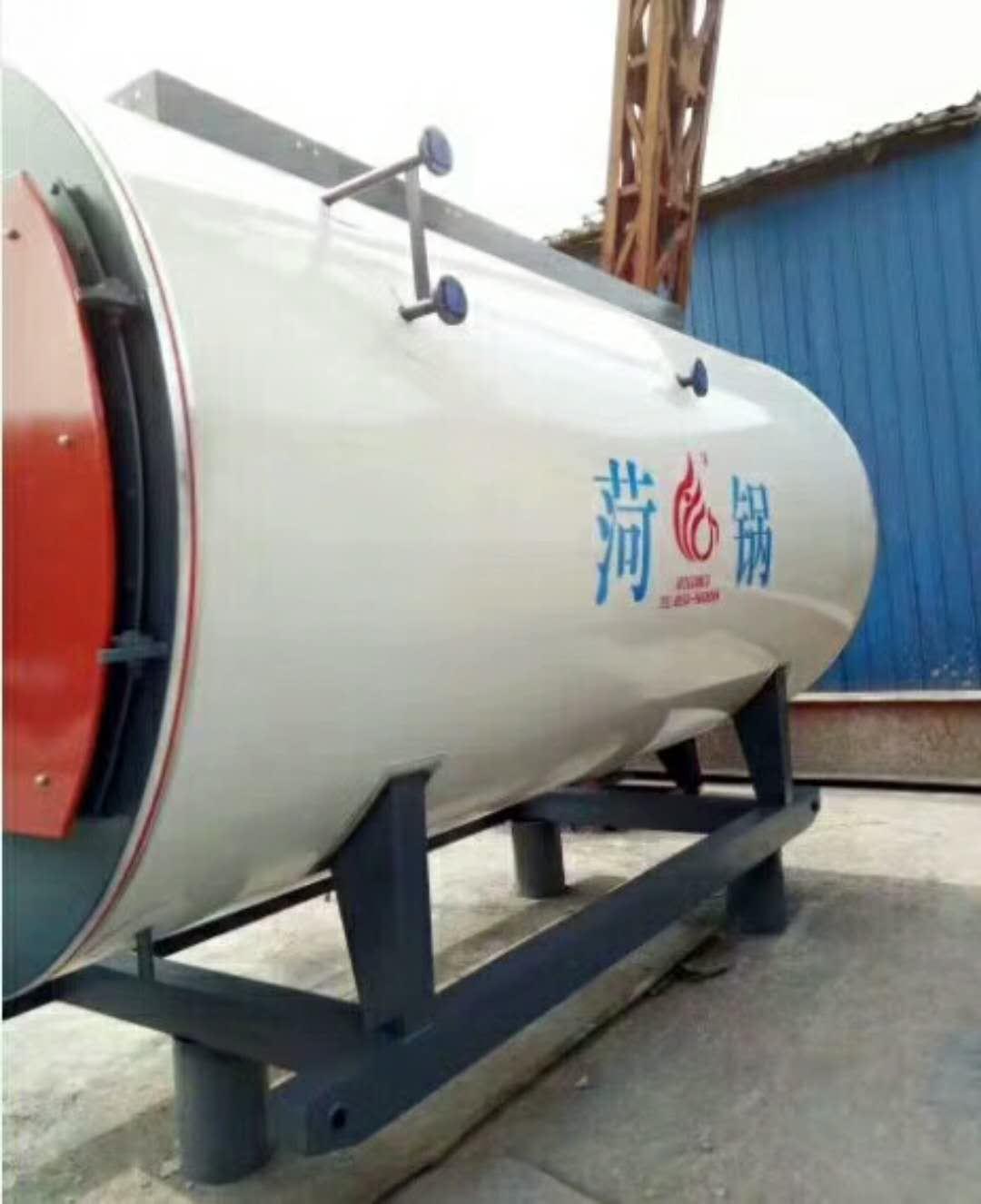
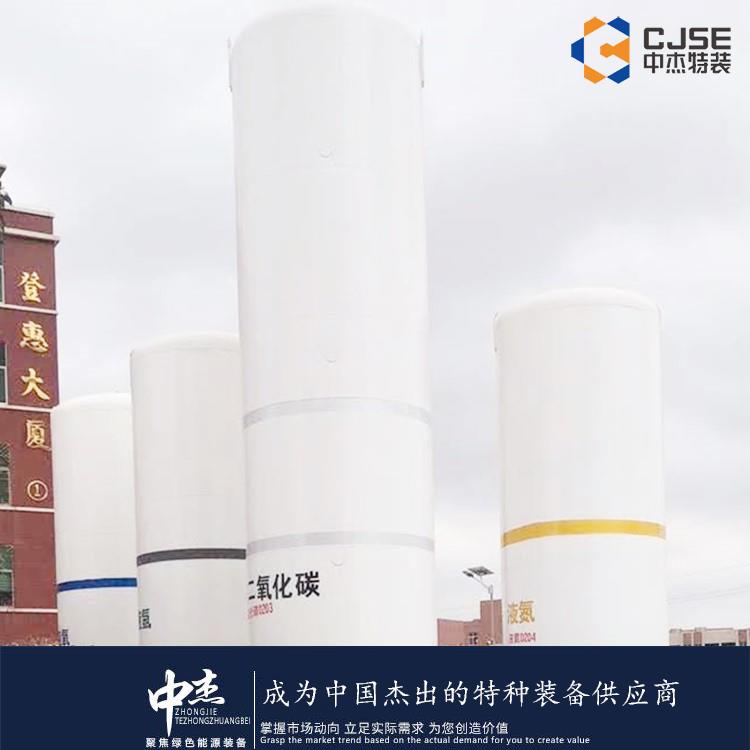
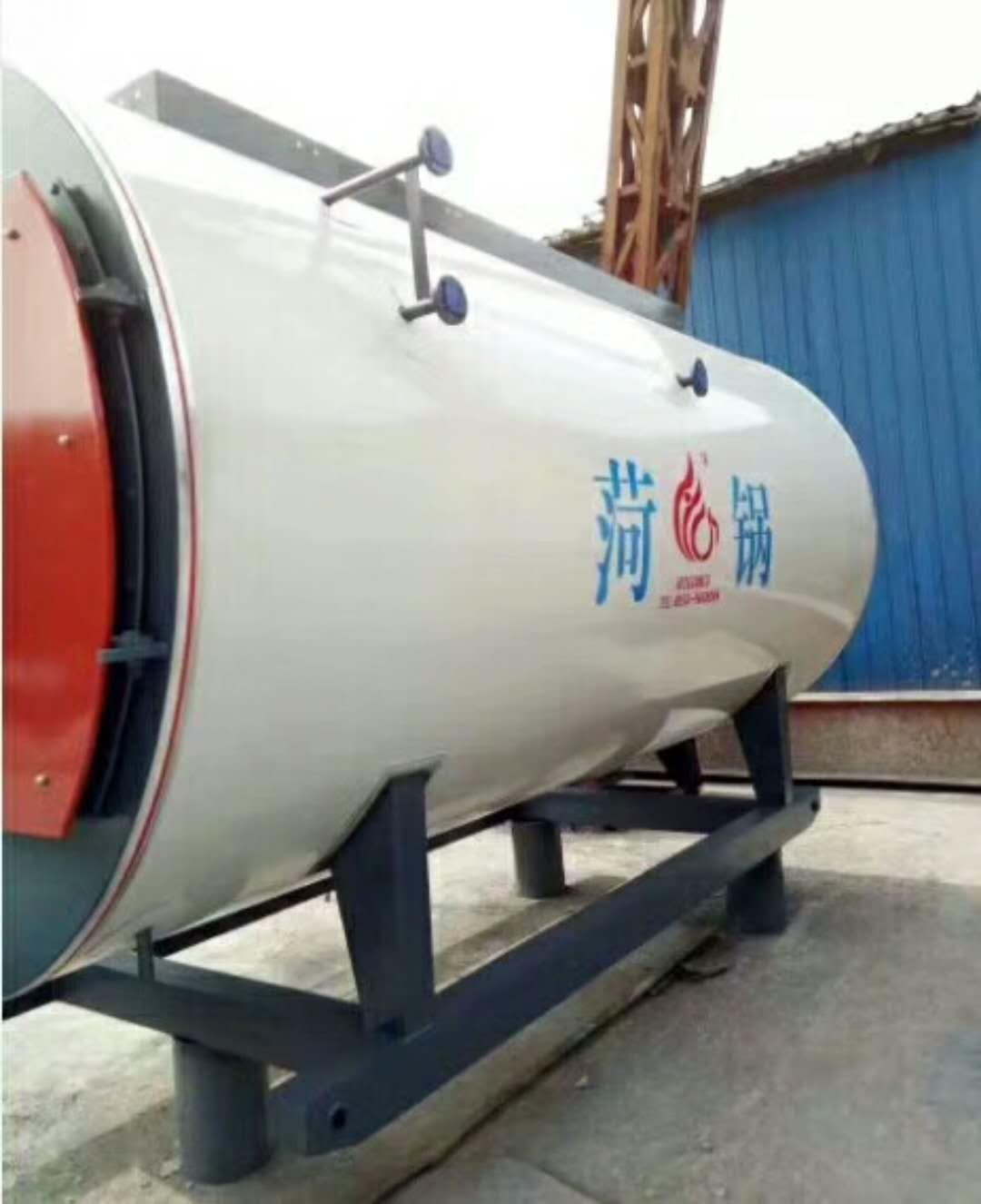
Shandong Zhongjie Special Equipment specializes in products such as fuel (gas) boilers, organic heat carrier boilers, biomass boilers, waste heat recovery boilers, and other boiler products; vacuum insulation deep-chilled pressure vessels including LNG storage tanks, oxygen/nitrogen/argon storage tanks, and CO2 storage tanks; pressure vessel products such as denitrification engineering equipment, heat storage and energy storage equipment, and complete chemical equipment; as well as central air conditioning and HVAC equipment like ground (water) source heat pumps, air source units, water-cooled screw chillers, and air-cooled modules. Planned products include large-scale thermal energy centers, LNG transport vehicles, LNG tank containers, and other green energy equipment.
Pressure Vessel Standards: Liquid carbon dioxide storage tanks are generally considered pressure vessels, and their design, manufacturing, and use should comply with relevant pressure vessel standards. In China, common pressure vessel standards include GB150 "Steel Pressure Vessels" and GB18435 "Storage Tanks." Safety Standards: The use of liquid carbon dioxide storage tanks should adhere to relevant safety standards and regulations. For instance, in China, the safe operation of liquid carbon dioxide storage tanks should follow standards such as GB50028 "Design Code for Petroleum and Chemical Enterprises" and GB50016 "Building Design Fire Prevention Code." Inspection and Testing Standards: The inspection and testing of liquid carbon dioxide storage tanks should comply with corresponding standards and regulations. For example, regular inspections of liquid carbon dioxide storage tanks can refer to standards like GB/T 19638 "Code for Periodic Inspection of Pressure Vessels." Environmental Protection Standards: The use of liquid carbon dioxide storage tanks should comply with relevant environmental protection standards and regulations. For instance, in China, the exhaust emissions from liquid carbon dioxide storage tanks should meet standards such as "Emission Standards of Air Pollutants."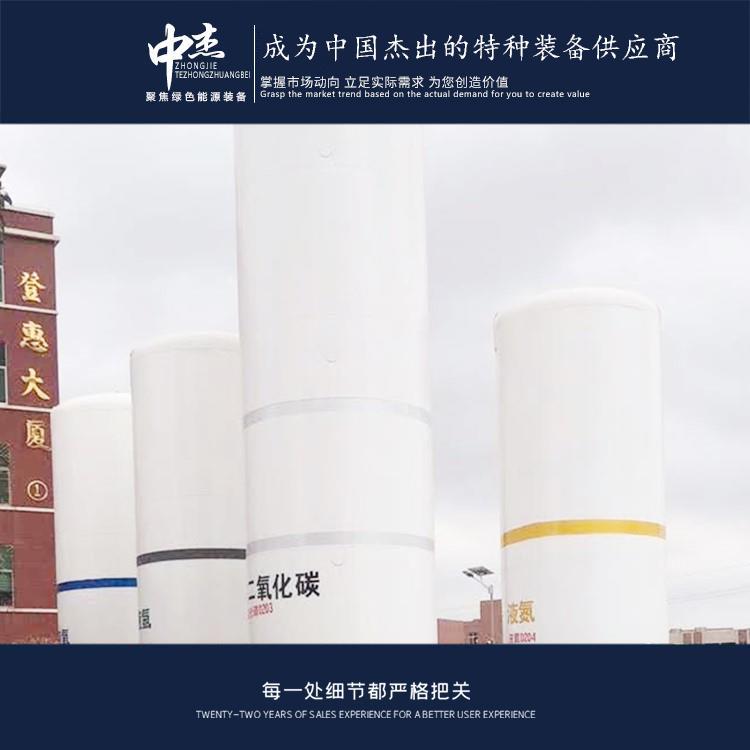
Technical specifications for carbon dioxide storage tanks can be formulated based on different application fields and/or regional standards. Below are some common technical specifications and standards for reference:
ASME Standards: The American Society of Mechanical Engineers (ASME) has issued a series of standards for pressure vessels, including specifications for carbon dioxide storage tanks, such as ASME BPVC Section VIII Division 1 and ASME BPVC Section VIII Division 2.
ISO Standards: The International Organization for Standardization (ISO) has published some standards related to pressure vessels, such as ISO 9809-1 and ISO 9809-2, covering design, manufacturing, and inspection requirements for steel gas cylinders.
GB Standards: The China National Bureau of Standards has issued a series of standards related to pressure vessels, such as GB 150 "Pressure Vessels" and GB 5099 "Steel Gas Cylinders," which include design, manufacturing, and inspection requirements for carbon dioxide storage tanks.
DOT Standards: The United States Department of Transportation (DOT) has issued some standards related to pressure vessels and cylinders, such as DOT-3AA and DOT-4BA, covering design, manufacturing, and transportation requirements for liquefied gas storage tanks.
EN Standards: The European Committee for Standardization (CEN) has published some standards related to pressure vessels, such as EN 13445 and EN 14382, covering design, manufacturing, and inspection requirements for liquefied gas storage tanks.
Additionally, based on specific application needs, there may be other industry standards and specifications applicable to carbon dioxide storage tanks, such as relevant standards in the food and beverage industry, etc.
When using carbon dioxide storage tanks, it is essential to select appropriate technical specifications based on specific application requirements and local regulations, ensuring that the design, manufacturing, and use of the tanks comply with the corresponding standards and specifications.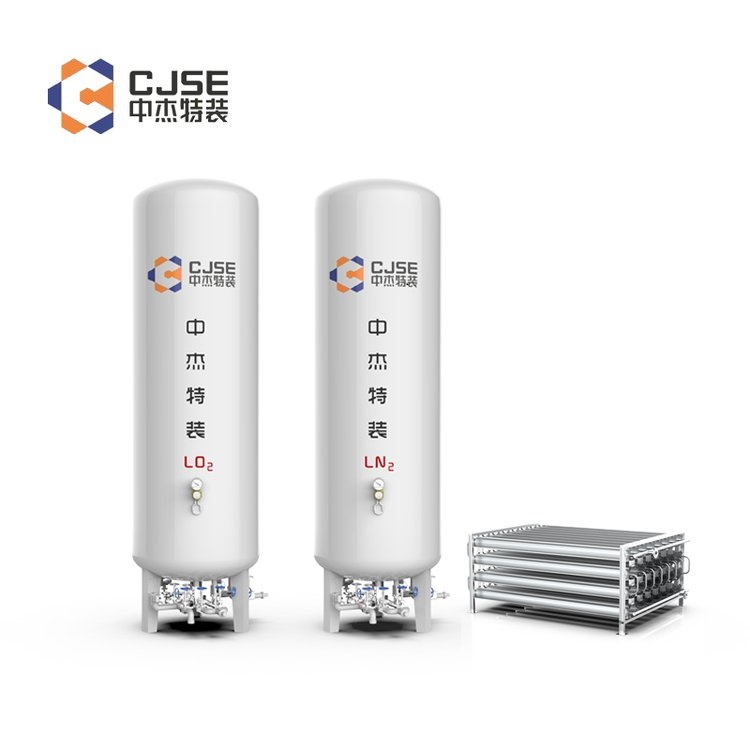
Common drawbacks of corrosion in pressure vessels during use include:
- Chemical media: Certain chemicals, such as acids, bases, and salts, are corrosive. When these substances come into contact with the vessel material, corrosion may occur.
- Humidity and moisture: High humidity environments or prolonged exposure to moisture can lead to corrosion on the vessel surface. Particularly in the presence of oxygen, the corrosion rate may increase.
- Rusting: When the protective layer on the vessel surface (such as coatings or plating) is damaged or destroyed, the vessel may suffer from rusting. Rusting can damage the vessel's surface and lead to further corrosion.
- Electrochemical corrosion: When different metals or metal and non-metallic materials come into contact, an electrochemical corrosion battery may form. This type of corrosion can cause localized corrosion on the vessel surface.
- Welding defects: Defects such as weld porosity and cracks may be introduced during the welding process. These defects can become starting points for corrosion.
Corrosion weakens the structural integrity of the vessel, increasing the risk of leakage or rupture. Therefore, regular inspection and maintenance of the corrosion prevention layer, coating, or plating on pressure vessels are crucial. If corrosion issues are detected, appropriate measures should be taken to repair or replace the damaged parts promptly.
In addition, selecting appropriate materials and corrosion prevention measures, as well as proper operation and maintenance methods, can reduce the risk of corrosion in pressure vessels. Adhering to relevant safety operating procedures and standards ensures the safe operation of pressure vessels.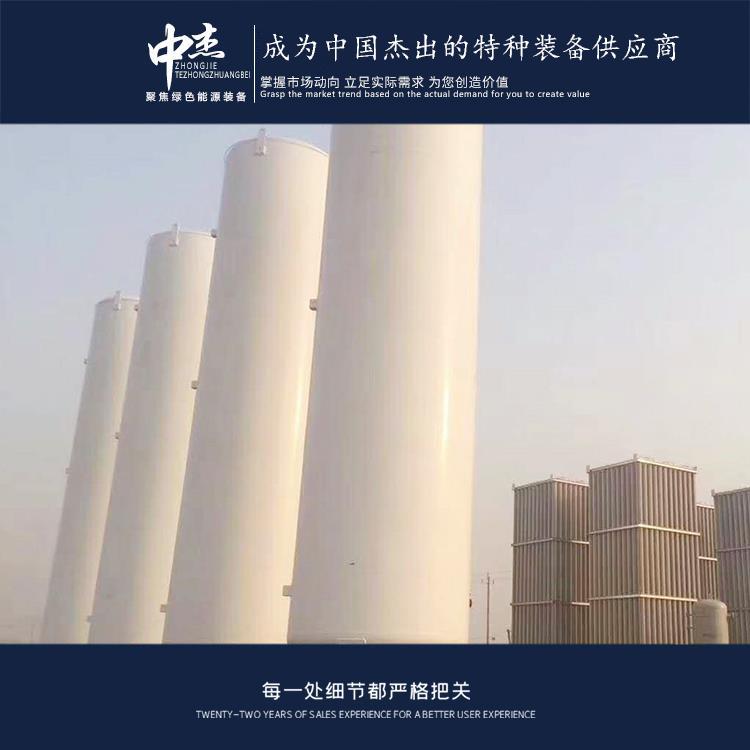
When applying coatings to carbon dioxide storage tanks, attention should be given to the following issues: Surface Preparation: Prior to coating, thorough surface preparation of the tank is mandatory. This involves cleaning the surface, removing oils, dirt, and old coatings to ensure the adhesion and quality of the coating. Coating Selection: Choosing the right coating for carbon dioxide storage tanks is crucial. The coating should possess corrosion resistance, high-temperature resistance, and chemical resistance to protect the tank surface from corrosion and damage. Spraying Technique: The selection and operation of spraying techniques are vital for the quality and uniformity of the coating. Appropriate spraying equipment and methods should be chosen to ensure the coating is evenly applied over the entire tank surface, and to avoid drips and runs of the coating. Coating Thickness: The thickness of the coating is critical for the tank's protection. The thickness should be controlled according to the coating requirements and the tank's operating environment to ensure the protective performance and lifespan of the coating. Drying and Curing: After the coating is applied, sufficient time must be allowed for drying and curing. Follow the correct drying time and conditions as per the coating's requirements to ensure the quality and performance of the coating. Safety Measures: Appropriate safety measures must be taken during the spraying process, including wearing protective eyewear, respirators, and protective clothing to ensure the safety of the operators. Quality Inspection: After coating is completed, a quality inspection should be conducted, including the appearance, adhesion, and thickness of the coating. Any issues or defects found should be addressed and repaired promptly. It should be noted that the spraying of carbon dioxide storage tanks should be performed by professionals.
Zhongjie Special Equipment upholds the grand vision of "realizing employees' dreams, creating value for customers, and striving for the prosperity and strength of our motherland," wholeheartedly devoting itself to the development of green energy equipment. We offer the society high-quality products and services at competitive prices!
Pingdingshan 5 cubic CO2 storage tank - Reliable
