


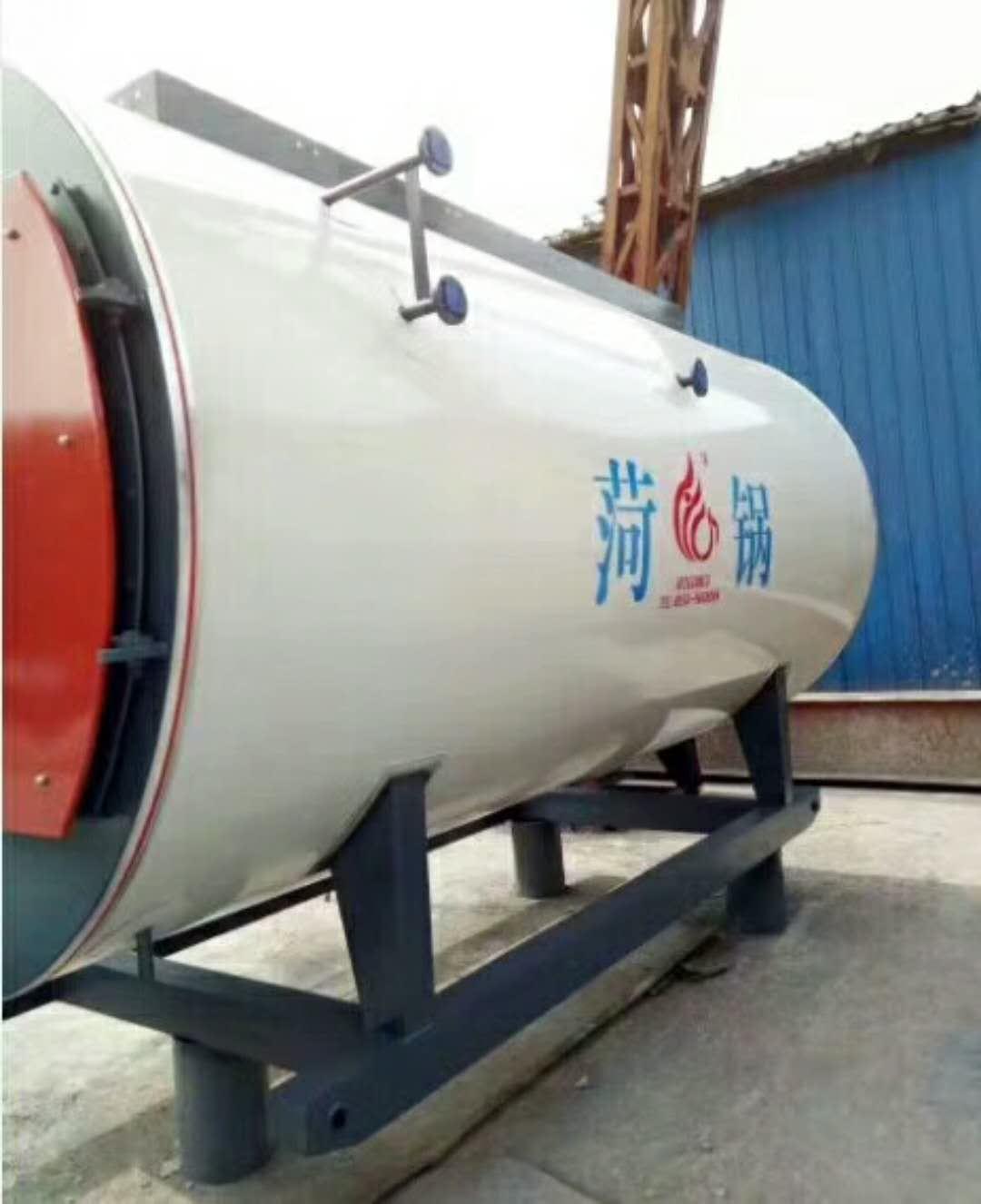
Shandong Zhongjie Special Equipment (formerly Heze Boiler Factory Co., Ltd.) holds an A-grade boiler manufacturing license, A2-grade pressure vessel manufacturing license, A2-grade pressure vessel design license, B-grade boiler installation, and GB2/Class, GC2/Class pressure pipeline installation licenses, as well as a machinery and electrical equipment installation contracting qualification. It is a member of the China Boiler and Water Treatment Association, the China Chemical Equipment Association, and the council unit of the Shandong Equipment Manufacturing Association. The company has also passed the ISO9001 Quality Management System, ISO14001 Environmental Management System, OHSAS18001 Occupational Health and Safety Management System certifications, and the American ASME/U2 certification.
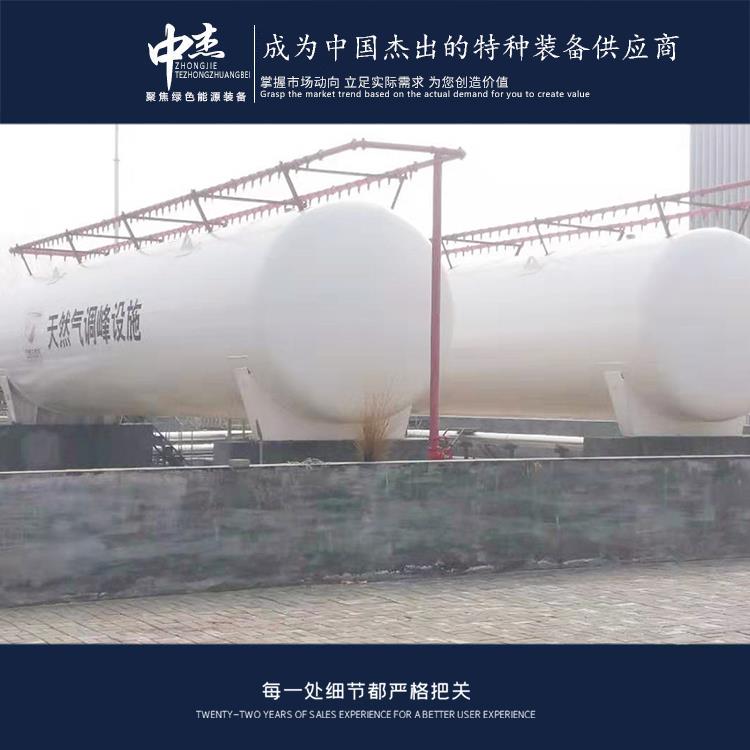
The safe operation of low-temperature liquid storage tanks is primarily crucial in the following aspects:
Tank design and material selection: The tank design must comply with relevant safety standards and regulations, capable of withstanding the pressure and temperature of low-temperature liquids. Choose suitable materials, such as stainless steel, aluminum alloy, etc., to ensure the tank's corrosion resistance and low-temperature performance.
Insulation and protective measures: Low-temperature liquid storage tanks should be equipped with effective insulation to reduce heat transfer and evaporation of the liquid. The selection and installation of the insulation should comply with relevant standards and requirements. In addition, protective measures such as anti-freezing and explosion-proof measures should be taken to ensure the safe operation of the tank.
Pressure Control and Safety Valves: Low-temperature liquid storage tanks should be equipped with reliable pressure control systems and safety valves to ensure the pressure inside the tank remains within a safe range. The pressure control system should be capable of promptly detecting and adjusting the pressure inside the tank to prevent safety risks caused by excessive or insufficient pressure.
Leak and Fire Protection: Low-temperature liquids are highly flammable, so measures should be taken to prevent leaks and fires. Storage tanks and associated pipelines should have good sealing properties and be regularly inspected and maintained to prevent leaks. Additionally, appropriate fire protection equipment and fire extinguishing devices should be provided to address fire risks.
Safety Operation and Training: Operators must undergo relevant safety training, familiarize themselves with the safety operation procedures and emergency response measures for low-temperature liquid storage tanks. Adhere to the correct operational steps to ensure safe operation.
Regular inspections and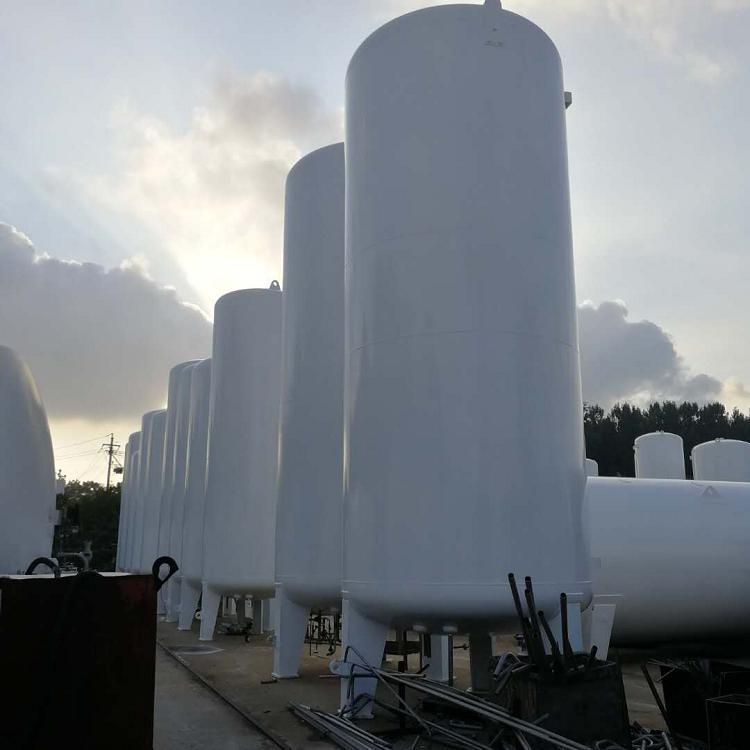
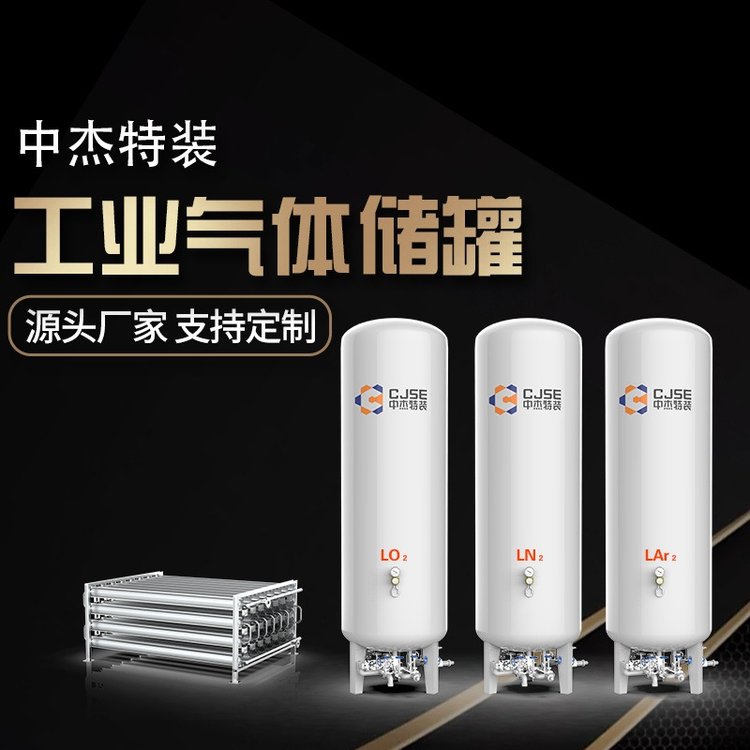
The stable pressure design of a 15 cubic meter liquid argon storage tank should consider the following aspects:
Tank Pressure: Determine the design pressure of the tank to meet the storage and supply requirements for liquid argon. Establish an appropriate design pressure range based on the characteristics and usage conditions of liquid argon.
Stabilization System: Select an appropriate stabilization system to maintain stable pressure within the storage tank. The stabilization system typically includes components such as pressure regulators, pressure sensors, and control valves, which are used to monitor and adjust the pressure inside the tank.
Pressure Sensors: Install pressure sensors for real-time monitoring of pressure changes within the storage tank. The sensors transmit pressure signals to the voltage stabilization system, enabling timely adjustment of the control valve's opening to maintain stable pressure inside the tank.
Control Valve: Select an appropriate control valve for regulating the gas flow and pressure within the storage tank. The control valve should have excellent regulating performance and stability to ensure the pressure within the tank remains within the set range.
Safety Valve: Install a safety valve to automatically release gas when the pressure inside the storage tank exceeds the set value, preventing overpressure. The safety valve should be selected and installed based on the design pressure and capacity of the storage tank.
Voltage Stabilization System Control: Configure an appropriate control system for monitoring and regulating the operation of the voltage stabilization system. The control system enables automatic adjustment and alarm functions to ensure stable and safe pressure within the storage tank.
It's important to note that the design of the voltage stabilization should be tailored to the specific engineering requirements and operational conditions of the liquid argon storage tank, adhering to relevant local laws, regulations, and standards. When designing and installing the voltage stabilization system, it is recommended to consult with an engineer or a relevant institution for guidance to ensure the reliability and safety of the system.
The medical oxygen steel cylinder filling plant, in addition to the liquid oxygen storage tank, includes the following components:
Oxygen Compressor: Oxygen compressors are used to compress gaseous oxygen into high-pressure oxygen. These compressors are typically made with special materials and design to ensure safe handling and compression of oxygen.
Oxygen Purification System: The oxygen purification system is designed to remove impurities and contaminants from oxygen, ensuring the purity and quality of the supplied oxygen. The system typically includes filters, adsorbents, and molecular sieves.
Oxygen Storage System: In addition to liquid oxygen tanks, the oxygen filling area may also include a gaseous oxygen storage system for temporary storage and supply of gaseous oxygen. The gaseous oxygen storage system typically includes high-pressure oxygen cylinders or gas storage tanks.
Filling Equipment: Filling equipment is used to transfer oxygen from liquid oxygen storage tanks or gaseous oxygen storage systems into medical oxygen steel cylinders. The filling equipment typically includes filling machines, filling pipelines, and filling control systems.
Oxygen Quality Monitoring System: The Oxygen Quality Monitoring System is used to monitor the quality and purity of oxygen being filled. Quality testing and supervision of the filled oxygen are conducted through an oxygen analyzer or other detection equipment.
Safety Facilities: The filling area should be equipped with corresponding safety facilities, such as fire alarm systems, oxygen leak detection systems, ventilation systems, etc., to ensure the safety and protective measures of the filling process.
It is important to note that the design and equipment configuration of the medical oxygen cylinder filling area should comply with relevant regulations, standards, and specifications. During the filling process, strict adherence to operational procedures and safety requirements is essential to ensure the safe supply of oxygen.
The use of liquid oxygen storage tanks requires special attention to the following safety matters:
Training: Operators of liquid oxygen tanks must undergo training to understand the properties of liquid oxygen, safety operating procedures, and emergency response measures. Only trained personnel are authorized to operate liquid oxygen tanks.
Safety Operating Procedures: Establish and adhere to the safety operating procedures for liquid oxygen tanks, including proper operational procedures, protective measures, and emergency response plans. Ensure operators follow the procedures to minimize accident risks.
Protection Measures: When using liquid oxygen tanks, it is mandatory to take necessary protective measures, such as wearing protective gloves and suits. Avoid direct contact with liquid oxygen to prevent coldness.
Leak Control: Conduct regular inspections of liquid oxygen storage tanks for leaks, and equip with leak detection and alarm systems. In the event of a leak, immediate measures should be taken to contain it and perform repairs.
Fire Prevention Measures: Liquid oxygen has a high oxygen content, which is prone to causing fires. To prevent and contain fires, fire barriers and fire-retardant coatings are set up around liquid oxygen storage tanks.
Electrostatic Protection: The static buildup in liquid oxygen tanks may cause sparks, increasing the risk of fire. Measures such as using electrostatic conductive materials and anti-static equipment should be taken to reduce the accumulation and discharge of static electricity.
Ventilation Requirements: Ensure adequate ventilation within the enclosed space of the liquid oxygen storage tank to expel vapors produced by the evaporation of liquid oxygen.
ZJ Special Equipment adheres to the great vision of "realizing employees' dreams, creating value for customers, and striving for the prosperity and strength of our motherland," and is dedicated to the development of the green energy equipment industry, contributing high-value products and services to society!
Qinghai 5 cubic meter liquid argon tank, on-site installation
