


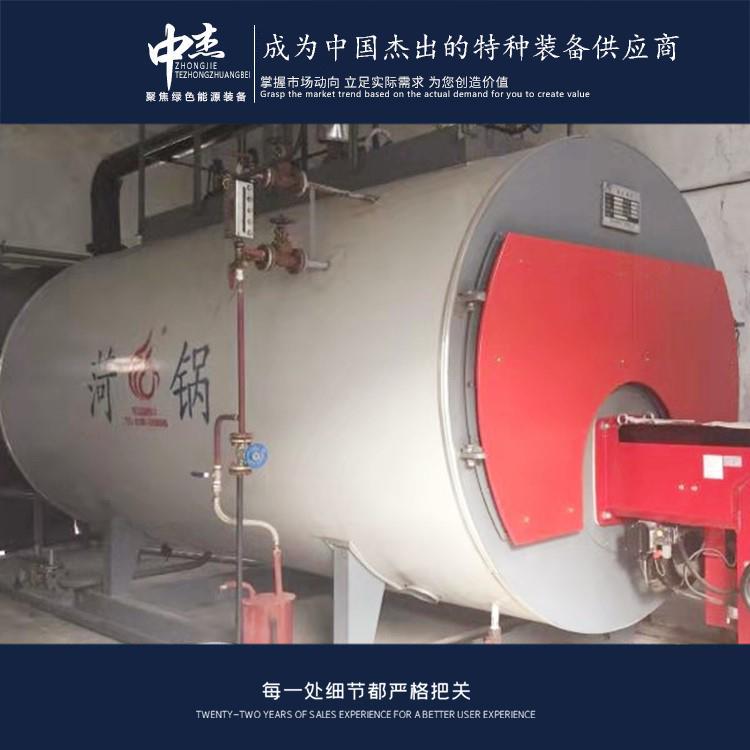
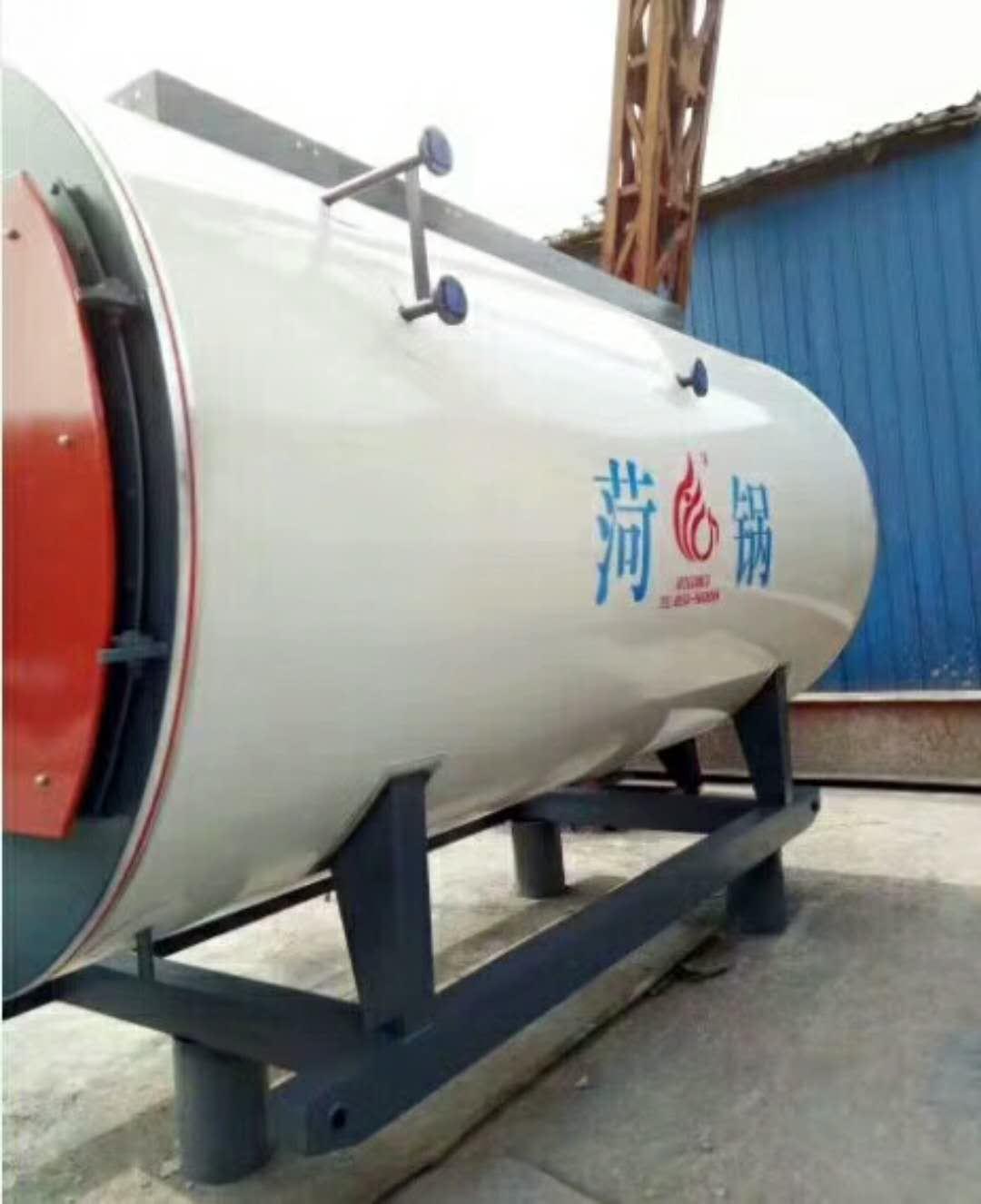
Shandong Zhongjie Special Equipment's main products include: fuel (gas) boilers, organic heat carrier boilers, biomass boilers, waste heat boilers, and other boiler products; vacuum insulation cryogenic pressure vessels such as LNG storage tanks, oxygen-nitrogenargon storage tanks, CO2 storage tanks; pressure vessel products like denitrification engineering equipment, heat storage and energy storage equipment, and complete chemical equipment sets; central air conditioning and HVAC equipment such as ground (water) source heat pumps, air source units, water-cooled screw units, and air-cooled modular units. Planned products include large-scale energy centers, LNG transport vehicles, LNG tank containers, and other green energy equipment.
Regular inspections of industrial boilers are crucial for ensuring safe operation, improving efficiency, and extending their service life. Here are the importance of regular inspections for industrial boilers:
Safety Assurance: Industrial boilers are high-temperature, high-pressure equipment. Without regular inspections, safety hazards may exist. Regular inspections can identify and rectify potential issues within the boiler, such as malfunctions in the combustion system, failure of water level control, and malfunctioning safety valves, ensuring safe boiler operation.
Efficiency Enhancement: Regular inspections can uncover dirt and deposits inside the boiler, maintain the cleanliness of heat exchangers, and enhance thermal conduction efficiency, improving the boiler's thermal and energy utilization efficiency. This helps reduce energy consumption and operating costs.
Extended Service Life: Regular inspections allow for the timely detection and treatment of corrosion, wear, and fatigue issues within the boiler, preventing further damage and malfunctions, and extending the boiler's service life. Regular maintenance can also prevent and minimize boiler damage and malfunctions.
Legal and Regulatory Requirements: Many regions have established laws, regulations, and standards for boiler safety management, requiring regular inspections and maintenance of industrial boilers. Regular inspections are a vital part of complying with legal and regulatory requirements.
Insurance Requirements: Some insurance companies have specified insurance requirements for industrial boilers, mandating regular inspections and maintenance. Regular inspections can meet insurance company requirements and protect the insurance rights of the enterprise.
In summary, regular inspections of industrial boilers are important for ensuring safety, improving efficiency, extending service life, complying with legal and regulatory requirements, and meeting insurance requirements. Regular inspections should be conducted by qualified institutions or individuals, following relevant laws, regulations, and standards. Timely regular inspections and maintenance can ensure the safe operation of industrial boilers.
In textile processing factories, common types of boilers include the following:
Steam Boilers: Steam boilers are one of the most commonly used types of boilers in textile processing. They produce high-pressure, high-temperature steam, which is used for thermal treatments, dyeing, boiling, and other processes in textile manufacturing. Steam boilers offer advantages such as rapid heating, high efficiency, and good stability.
Hot Water Boilers: Hot water boilers are suitable for low-temperature textile processing techniques like washing and drying. They provide a stable supply of hot water with high temperature control accuracy and low energy consumption.
Hot Air Furnaces: Hot air furnaces are used for drying processes in textile manufacturing. They transfer heat energy to textiles through the hot air produced by combustion, achieving quick drying. Hot air furnaces have the advantages of fast heating and high thermal efficiency.
When selecting the appropriate boiler type for a textile processing factory, consider the following factors:
Processing Requirements: Determine the required heat medium (steam, hot water, hot air) and parameters such as working temperature and pressure based on the specific processing needs of the textile factory.
Energy Costs and Efficiency: Consider the energy consumption and efficiency of different boiler types, choosing one that meets processing requirements and has high energy utilization efficiency.
Environmental Requirements: Pay attention to the emission standards and environmental performance of the boilers, selecting a type that meets environmental requirements.
Maintenance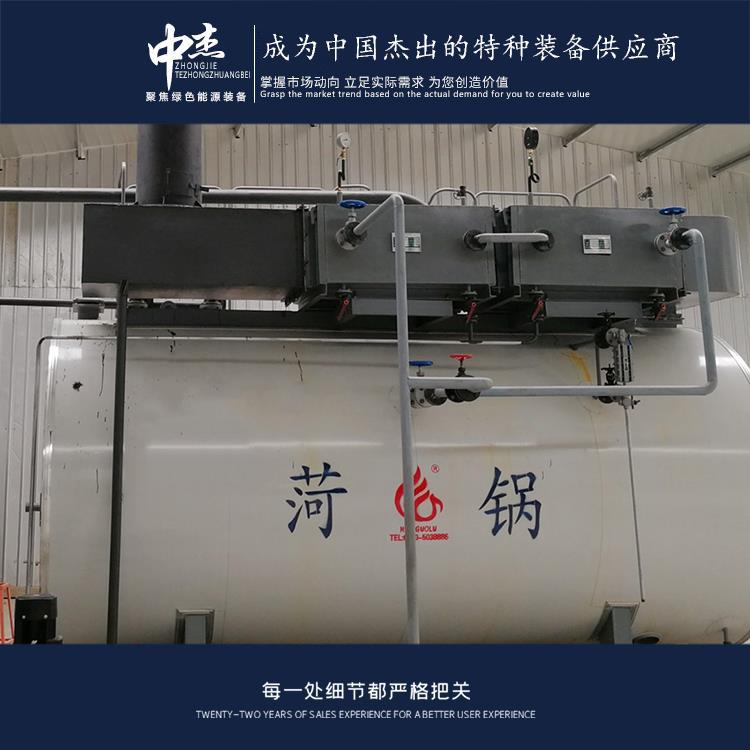
Steam boiler energy saving is an urgent mission, for the following reasons: Energy Consumption: Steam boilers typically use fuel to produce steam, and the consumption of fuel directly impacts energy use. With the increasing scarcity of energy resources and rising energy prices, energy saving has become a crucial task. Environmental Protection: The emissions and waste smoke from fuel combustion pollute the environment, including air pollution and greenhouse gas emissions. By reducing fuel consumption through energy saving, the impact on the environment and carbon emissions can be minimized. Economic Benefits: Energy saving can lower energy consumption and operating costs, improving energy utilization efficiency. By implementing energy-saving measures, companies can reduce energy expenses and enhance economic benefits. Sustainable Development: Energy saving is a vital component of sustainable development. By reducing energy consumption, the lifespan of energy resources can be extended, providing more energy reserves for future development. Legal and Regulatory Requirements: Many regions have established laws, regulations, and policies on energy conservation and emission reduction, requiring companies to adopt energy-saving measures and reduce energy consumption and environmental pollution. Therefore, energy-saving for steam boilers is an urgent task. By implementing effective energy-saving measures, energy consumption can be reduced, environmental pollution can be minimized, economic benefits can be improved, and sustainable development can be achieved.
Steam boilers produce a certain amount of waste water during operation, which requires effluent treatment. Here are the general steps for steam boiler effluent discharge:
Preparation: Before discharging, ensure the steam boiler is shut down and the pressure inside the boiler has been reduced to a safe level.
Open the drain valve: Locate the corresponding drain valve according to the design of the steam boiler and open it. The drain valve is typically found on the bottom or near the bottom of the boiler's drain pipe.
Discharge waste water: After opening the drain valve, waste water will flow out of the drain pipe. Depending on the situation, use a drain pump or gravity to discharge the waste water.
Observe the waste water: During the discharge process, observe the color, turbidity, and odor of the waste water to determine if there are any abnormalities, such as sediment, impurities, or strange odors.
Close the drain valve: Close the drain valve when the waste water discharge is complete or reaches the predetermined effluent target.
Clean the drain system: Regularly clean the drain system to prevent blockages or accumulation of debris, ensuring the smooth operation of the drain system.
It is important to note that the specific steps and frequency of steam boiler effluent discharge may vary depending on the model, usage conditions, and operational requirements of the boiler. Therefore, when performing steam boiler effluent discharge operations, it is advisable to refer to the boiler's operation manual or consult with experts to ensure proper and safe operation.
Zhongjie Special Equipment upholds the grand vision of "realizing employees' dreams, creating value for customers, and striving for the prosperity and strength of our motherland," and is dedicated to the development of the green energy equipment industry. We offer society products and services with high cost-performance!
Yueyang 15-ton Gas Boiler Model and Parameter Table
