


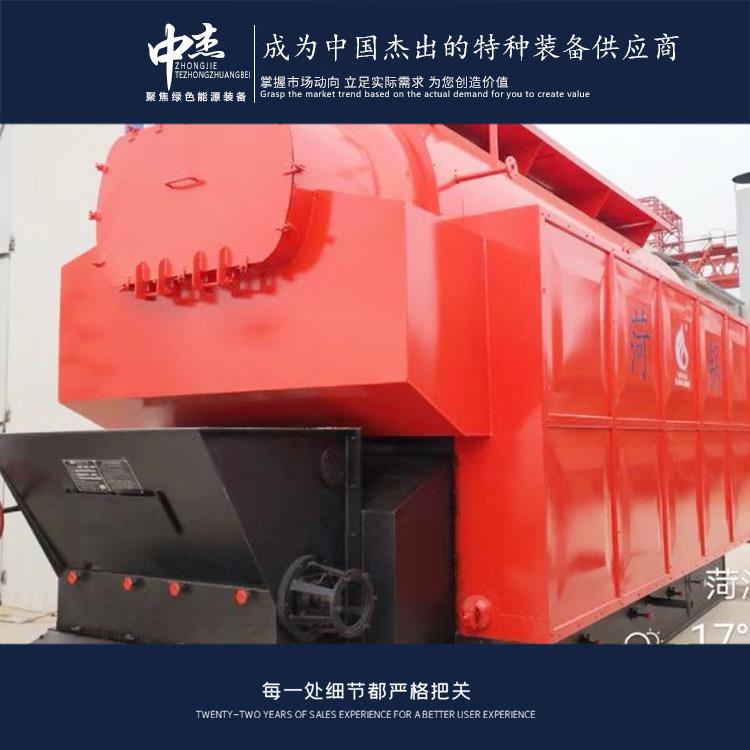
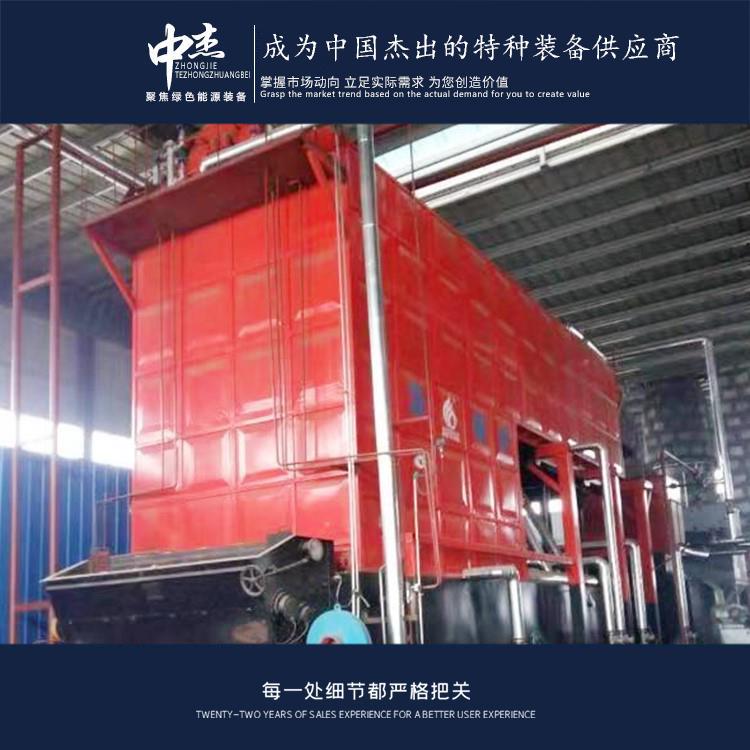
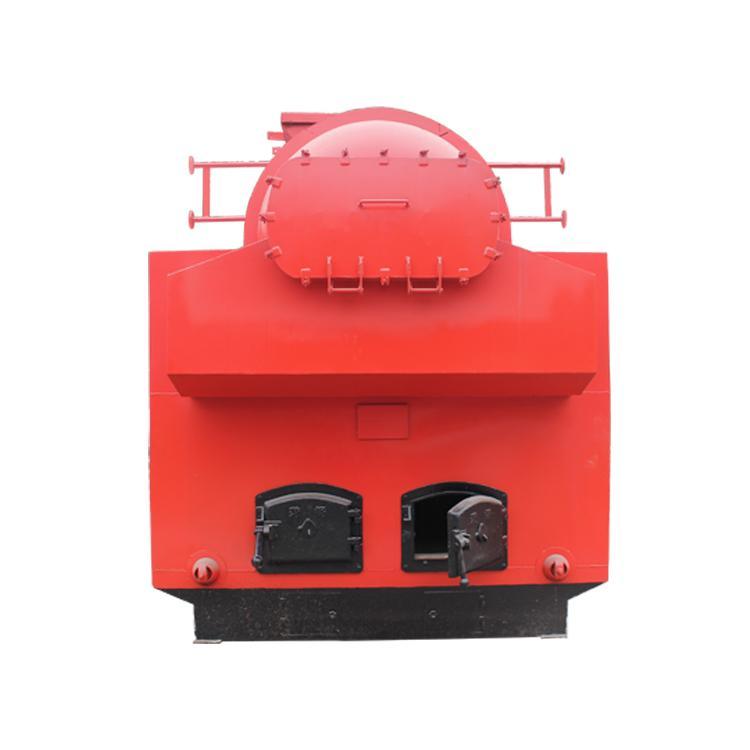
Shandong Zhongjie Special Equipment's main products include: fuel (gas) boilers, organic heat carrier boilers, biomass boilers, waste heat boilers, and other boiler products; vacuum insulation cryogenic pressure vessels such as LNG tanks, oxygen/nitrogen/argon tanks, CO2 tanks; pressure vessel products like denitrification engineering equipment, heat storage and energy storage equipment, complete chemical equipment; central air conditioning and HVAC equipment such as ground (water) source heat pumps, air source units, water-cooled screw units, and air-cooled modular units. Planned products include large-scale energy centers, LNG transport vehicles, LNG tank containers, and other green energy equipment.
The occurrence of oil atomization in thermal oil heaters may be related to the following operations:
Excessive oil pump pressure: If the oil pump pressure of the thermal oil furnace is set too high, exceeding the design requirements, it may lead to oil spitting. Excessive oil pump pressure increases the喷油量 of the nozzle, surpassing the combustion needs within the furnace.
Excessive nozzle orifice size: An oversized nozzle orifice in a thermal oil furnace can lead to excessive oil injection, which in turn causes oil spitting. The nozzle orifice size should be selected rationally based on the furnace's combustion requirements and design specifications.
Excessive furnace temperature: An overheated furnace in a thermal oil furnace, exceeding the design requirements, may lead to oil spraying occurrences. The high temperature reduces the viscosity of the thermal oil, increasing the risk of oil spraying.
Low oil level: A low oil level in the thermal oil furnace can cause the oil pump to intake air, potentially leading to spray issues. The oil level should be maintained within the normal range to prevent the oil pump from drawing in air.
Oil Pump Failure: Faults in the heat-conducting oil furnace oil pump, such as pump blockage or oil leakage from the pump body, can lead to oil spitting. Regularly inspect and maintain the oil pump to ensure its proper operation.
Oil Tube Clogging: Clogging in the thermal oil furnace oil tube, such as the accumulation of impurities or sediment inside, may lead to the occurrence of spraying. Regularly clean and maintain the oil tube to ensure smooth oil flow.
Improper operation: Failure to follow the correct operational procedure when handling a thermal oil furnace, such as over-adjusting the oil pump pressure or arbitrarily changing the nozzle, may result in oil spraying occurrences.
Biofuel boilers may produce scale during operation, affecting their thermal efficiency and operational stability. Here are several methods to reduce scale in biofuel boilers:
Fuel Pre-treatment: Pre-treat biomass fuel, such as drying and screening. Reducing the moisture and impurity content of the fuel can help minimize the formation of dirt.
Combustion Control: Our system employs a combustion control system that monitors and adjusts parameters such as temperature and oxygen content in real-time during the combustion process. By optimizing combustion parameters, incomplete fuel combustion can be reduced, leading to decreased soot formation.
Clean Combustion Chamber: Regularly clean the soot inside the combustion chamber, including the chamber walls and internal accumulation. Regular cleaning prevents soot buildup and maintains the chamber's airflow.
Regularly clean heat exchangers: The heat exchangers of biomass boilers are susceptible to fouling, affecting the heat transfer efficiency. Regularly cleaning heat exchangers, removing dirt and dust, can enhance their heat transfer efficiency.
Water Treatment: The quality of water in biomass boilers also affects the formation of scale. Implementing appropriate water treatment measures, such as softening and deoxygenation, can reduce the formation of scale and sediments.
Regular Maintenance: Regular maintenance of biomass boilers includes cleaning, inspection, and replacement of parts. Promptly identifying and addressing issues can reduce the formation and accumulation of dirt.
By integrating these measures, effectively reducing scaling in biomass boilers can be achieved, maintaining their operational performance and stability.
The performance of the biomass hot water boiler's air regulating door can be enhanced through the following structural improvements:
Material Selection: The construction of the air regulating door should be made from materials that can withstand high temperatures and corrosion, such as stainless steel or heat-resistant alloys. This ensures long-term stable operation of the air regulating door in high-temperature and corrosive environments.
Structure Design: The design of the air door structure should be reasonable, including the arrangement and connection methods of components such as door panels, bearings, and transmission devices. The door panels should have good sealing performance to effectively control the air flow for combustion. The transmission device should be flexible and reliable, easy to operate and adjust.
Airflow Regulation: The design of the air control door should enable airflow regulation. It can incorporate adjustable door blade angles or openings, which can adjust the air flow to the combustion by changing the position or angle of the door blade. Additionally, consider installing an airflow regulation device, such as an air flow gauge or pressure sensor, to monitor and adjust the air flow to the combustion in real-time.
Temperature Control: For biomass hot water boilers, consider installing a temperature sensor near the air regulating door to monitor the combustion chamber temperature in real-time. Connected to the control system of the air regulating door, it can automatically adjust the opening of the air regulating door based on temperature changes to maintain stable temperature within the combustion chamber.
Safety Protection: The design of the air regulating door should incorporate safety measures, such as installing overload protection devices or limit switches, to prevent excessive opening or closing of the door, which could lead to unstable combustion or other safety issues.
By enhancing the above construction, the performance and reliability of the biomass hot water boiler's air adjustment door can be improved, achieving better combustion air regulation, and increasing the boiler's thermal efficiency and stability.
Consider the following aspects when looking to purchase a high-value hot water boiler:
Market Research: Conduct market research before purchasing to understand the different models of hot water boilers, comparing their performance, quality, and price differences. Information can be obtained through the internet, consulting experts, or referring to user reviews.
Choose Reliable: Opt for reputable hot water boilers, which generally offer high-quality products and after-sales service guarantees. You can assess their credibility by reviewing relevant materials, consulting experts, or referring to customer reviews.
Pay attention to product quality: When purchasing hot water boilers, focus on the quality of the product. Check the certifications and compliance with standards, and understand the manufacturing process and material selection. Additionally, refer to customer reviews to learn about the actual usage of the product.
Performance and Requirements Matching: Select the appropriate hot water boiler model and specification based on your specific hot water needs and usage scenarios. Consider the boiler's thermal efficiency, heating speed, and capacity, among other performance indicators, to ensure they meet actual requirements.
Price Comparison: When selecting a hot water boiler, it's important to compare prices, taking into account factors such as product performance, quality, and cost. Consult with multiple suppliers for quotes, compare and negotiate, to secure a more reasonable price.
After-Sales Service: When purchasing a hot water boiler, pay attention to the quality and guarantee of the after-sales service. Understand the supplier's after-sales service policies, maintenance, and other details to ensure timely technical support and repair during use.
Zhongjie Special Equipment upholds the grand vision of "realizing the dreams of our employees, creating value for our customers, and striving for the prosperity and strength of our motherland," and is dedicated to the development of the green energy equipment industry. We contribute to society with products and services that offer high value for money!
Zhuzhou 25-ton biomass boiler, over 20 years of experience for added peace of mind
