


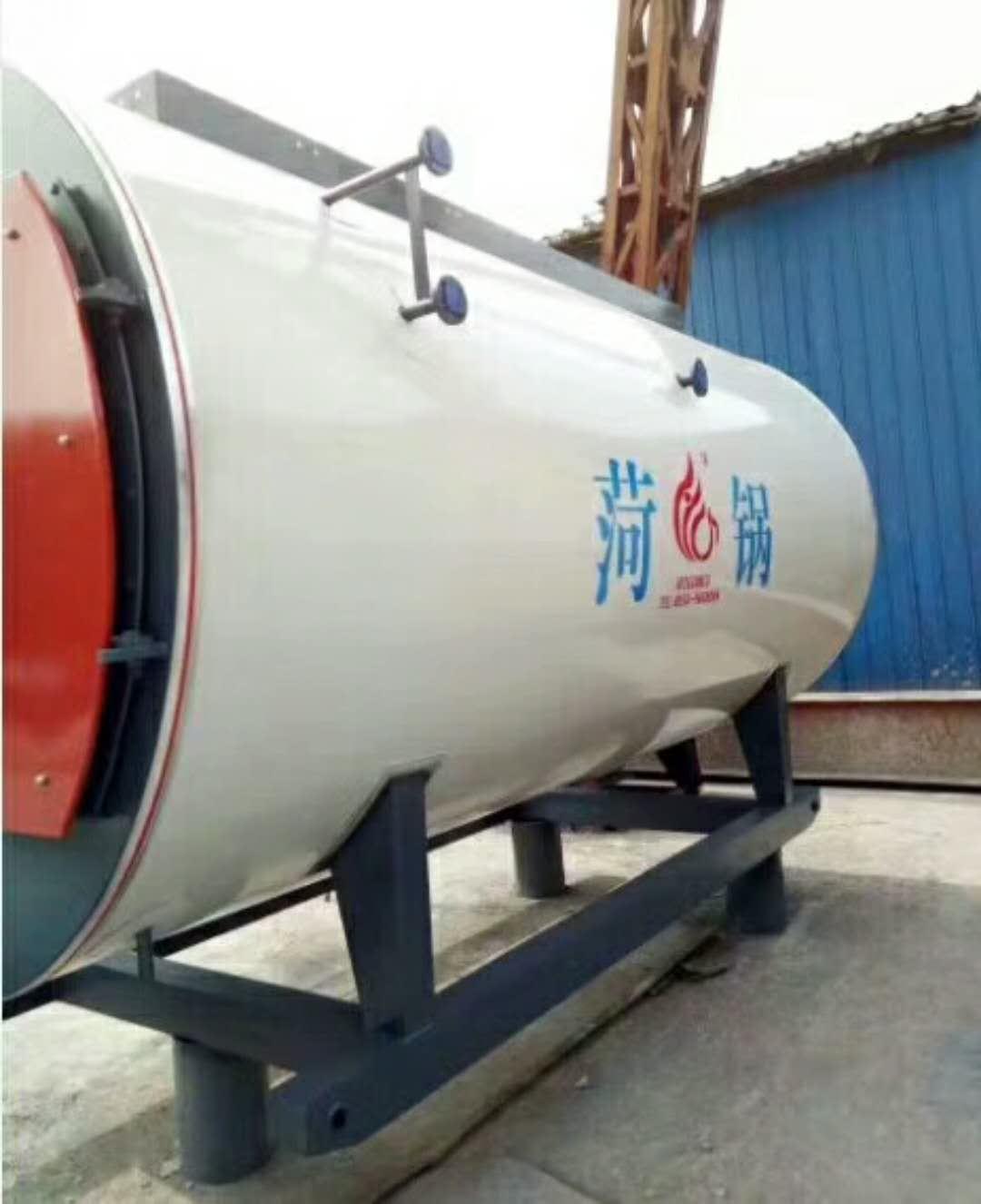
Shandong Zhongjie Special Equipment (formerly Heze Boiler Factory Co., Ltd.) holds an A-grade boiler manufacturing license, A2-grade pressure vessel manufacturing license, A2-grade pressure vessel design license, B-grade boiler installation, and GB2, GC2 pressure pipeline installation licenses, as well as a qualification for electromechanical equipment installation contracting. It is a member of the China Boiler and Water Treatment Association, the China Chemical Equipment Association, and the director unit of the Shandong Equipment Manufacturing Association, and has passed the ISO9001 Quality Management System, ISO14001 Environmental Management System, OHSAS18001 Occupational Health and Safety Management System certifications, and the American ASME/U2 certification.
The maintenance and protection of liquid argon tank accessories are crucial for ensuring the normal operation and extending the service life of the tank. The following are general methods for the maintenance and protection of liquid argon tank accessories:
Valve Maintenance: Regularly inspect and maintain valves within the tank accessories, including intake valves, exhaust valves, and safety valves. Ensure valves operate smoothly and reliably with no leaks or jamming. Regularly lubricate the valves and clean any debris and dirt.
Pressure Relief Device Maintenance: The pressure relief devices (such as safety valves) within the liquid argon storage tank accessories are critical components for ensuring the safety of internal tank pressure. Regularly inspect and test the operational status of the pressure relief devices to ensure proper functioning. Clean and repair as needed.
Sensor and gauge maintenance: Sensors and gauges in the liquid argon storage tank accessories are used for monitoring and controlling parameters such as the tank's temperature and pressure. Regularly calibrate and check the accuracy and reliability of the sensors and gauges. Keep the sensors and gauges clean and operating normally.
Insulation Protection: The insulation layer on liquid argon storage tank accessories is crucial for maintaining the low temperature state of liquid argon. Regularly inspect the integrity and insulating properties of the insulation layer, repair or replace damaged insulation materials. Avoid mechanical damage or contamination to the insulation layer.
Cleaning and Corrosion Protection: Regularly clean the accessories of the tank, removing impurities and dirt from the surface. Periodically inspect and maintain the corrosion-resistant coating on the accessories to prevent corrosion and oxidation.
Regular inspections and maintenance: Conduct comprehensive inspections and maintenance on liquid argon tank accessories on a regular basis, including their appearance, fasteners, and seals. Promptly detect and address any damage, leaks, or other issues with the accessories.
Record and Document Management: Document each maintenance and service result, including the service date, content, identified issues, and corrective measures. Establish comprehensive management records and documents for tracking and managing the operation of attachments.
Note that maintenance and protection of liquid argon cylinder accessories should be performed by trained personnel, adhering to relevant specifications and standards. Ensure safety during maintenance and operation, and consult experts for accurate guidance.
The installation of the safety valve on the liquid oxygen storage tank is a crucial component to ensure the tank can release pressure in a timely manner during overpressure situations, protecting the tank and related equipment. Below are the steps for installing the safety valve on the liquid oxygen storage tank:
Confirm the rated pressure of the safety valve: Select a suitable safety valve based on the design pressure and flow requirements of the liquid oxygen storage tank. Ensure the rated pressure of the safety valve meets the tank's specifications and complies with relevant safety standards and regulations.
Valve Installation Location: Select an appropriate location for installing the safety valve. Typically, the safety valve should be mounted on the top or side of the liquid oxygen storage tank to allow for timely pressure release in the event of overpressure.
Prepare installation interfaces: Prepare the corresponding interfaces based on the connection method of the safety valve. This may include welding interfaces, threaded interfaces, or flange interfaces, etc. Ensure the tightness and firmness of the connections.
Install the safety valve: Mount the safety valve onto the prepared interface. Follow the installation instructions for the safety valve to ensure proper connection and tightness.
Adjustment and Testing: After installation, adjust and test according to the requirements of the safety valve. Ensure that the opening and closing pressures of the safety valve meet the design specifications, and conduct a leak test to ensure its sealing.
Connect discharge piping: The discharge piping of the safety valve should be properly connected to the outlet of the safety valve. The discharge piping should have sufficient diameter and flow capacity to ensure effective discharge of overpressure gas when the safety valve is opened.
Labeling and Documentation: Identify relevant information on safety valves and discharge pipes, such as rated pressure, flow rate, and installation date. Also, document the installation details and test results of the safety valves for future reference and maintenance.
When installing the liquid oxygen storage tank safety valve, it is imperative to adhere to the relevant safety regulations and operating guidelines. If you lack the necessary experience and knowledge, it is recommended to seek assistance and guidance from experts to ensure the correct installation and reliable operation of the safety valve.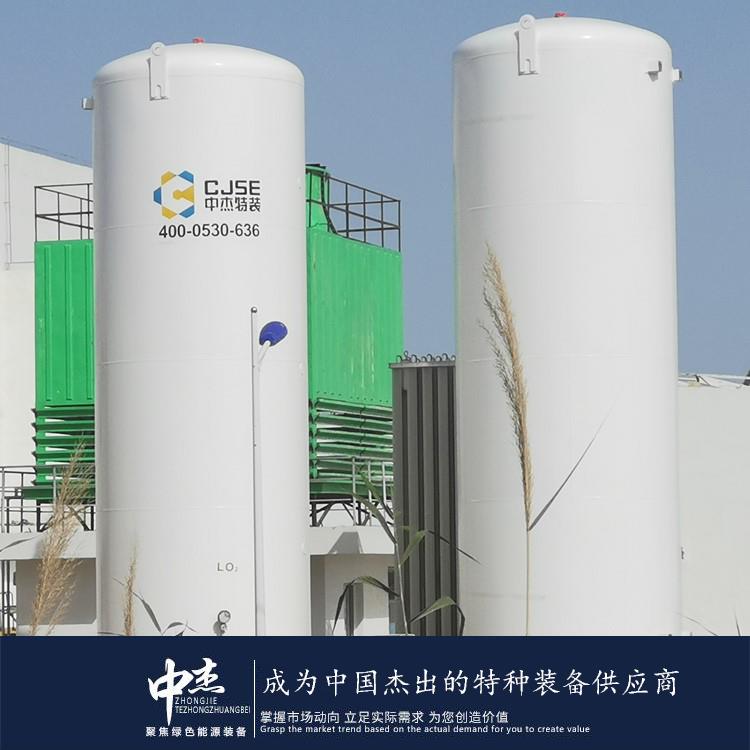
The testing and maintenance operations for liquid oxygen storage tanks encompass the following aspects:
Appearance Inspection: Regularly inspect the liquid oxygen storage tank for any signs of corrosion, wear, leakage, and ensure the tank's exterior remains intact.
Pressure Testing: Regularly conduct pressure tests on liquid oxygen tanks to assess their pressure resistance. Tests should be conducted in accordance with relevant standards and regulations to ensure the tank can withstand the designed working pressure.
Leak Detection: Regularly conduct leak detection on liquid oxygen storage tanks, including using leak detection equipment to inspect the tanks, to ensure good sealing performance and no leakage issues.
Cleaning and Coating Protection: Regularly clean and apply protective coatings to liquid oxygen tanks to prevent corrosion and oxidation. Use appropriate cleaning agents during cleaning and avoid substances that react with liquid oxygen. Protective coatings can include anti-corrosion coatings or protective agents.
Routine Maintenance: Regular maintenance of liquid oxygen tanks includes inspections and replacement of seals, valves, safety devices, etc., to ensure proper operation and safety reliability.
Safety Training and Operating Procedures: Conduct safety training for personnel using liquid oxygen tanks, ensuring they are aware of the safe operation procedures and precautions to prevent operational errors and accidents.
Documentation and Record Management: Establish testing and maintenance records for liquid oxygen storage tanks, including test results, maintenance logs, and inspection records, for traceability and management purposes.
It's important that the testing and maintenance of liquid oxygen tanks be conducted by trained personnel and in accordance with relevant safety operating procedures and standards. Additionally, a specific testing and maintenance plan should be developed based on the tank's conditions and usage requirements, and executed as scheduled.
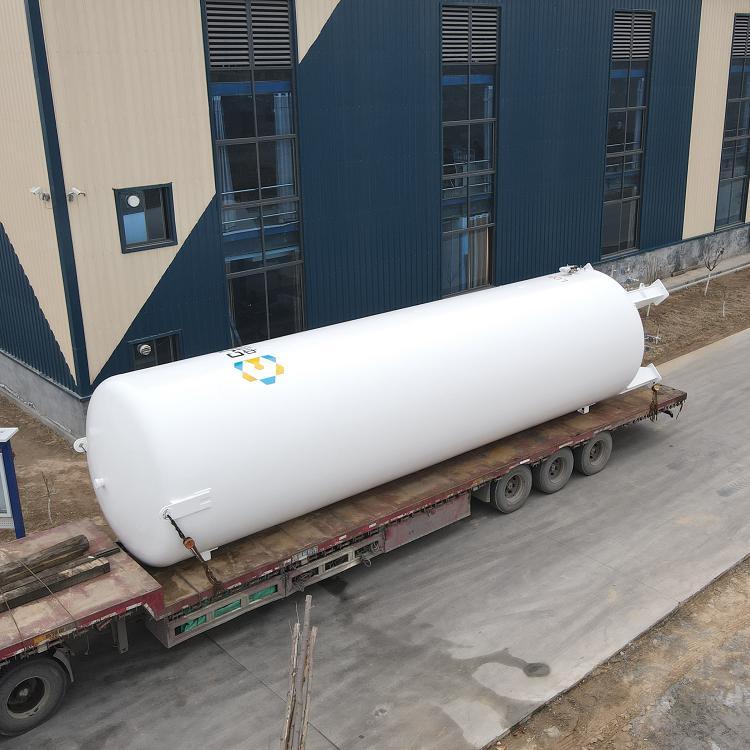
Low-temperature liquid storage tanks are equipment designed for storing low-temperature liquids, commonly used for liquid oxygen, liquid nitrogen, liquid argon, and other low-temperature liquids. These liquids exist in a gaseous state at room temperature but are cooled to a liquid state at low temperatures for easier storage and use. These storage tanks are typically made from high-strength materials like stainless steel or aluminum alloys to withstand low temperatures and high pressures. They are internally insulated to minimize evaporation and maintain the low-temperature state. Applications of low-temperature liquid storage tanks include but are not limited to: They are widely used in rocket fuel and propulsion systems, such as liquid oxygen, liquid nitrogen, and liquid hydrogen storage tanks. They store and supply low-temperature liquids as fuel and oxidizers to propel rockets and operate spacecraft. Industrial Production: Low-temperature liquid storage tanks are used in industrial production for storing and supplying low-temperature liquids like liquid oxygen, nitrogen, and argon. These liquids serve as coolants, separation agents, and raw materials for chemical reactions in industrial processes. Medical Applications: These tanks are used in medical fields to store and supply liquid oxygen for oxygen therapy, inhalation therapy, and operating rooms. Laboratory Research: In scientific research and laboratories, low-temperature liquid storage tanks provide low-temperature liquids as coolants and refrigerants. They are used for cooling laboratory equipment, material research, superconductivity, and low-temperature physics. In summary, low-temperature liquid storage tanks are widely used in aerospace, industrial production, and laboratory research for storing and supplying low-temperature liquids to meet the needs of various fields.
Shandong Zhongjie Special Equipment, welcome customers to visit our factory for cooperation discussions.
Langfang Low-Temperature Liquid Storage Tank, Years of Industry Experience
