


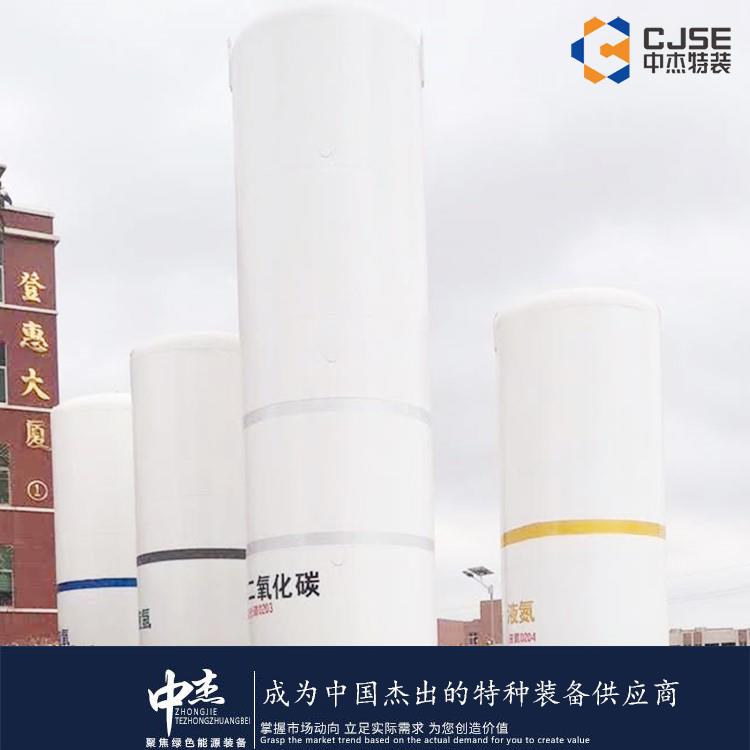
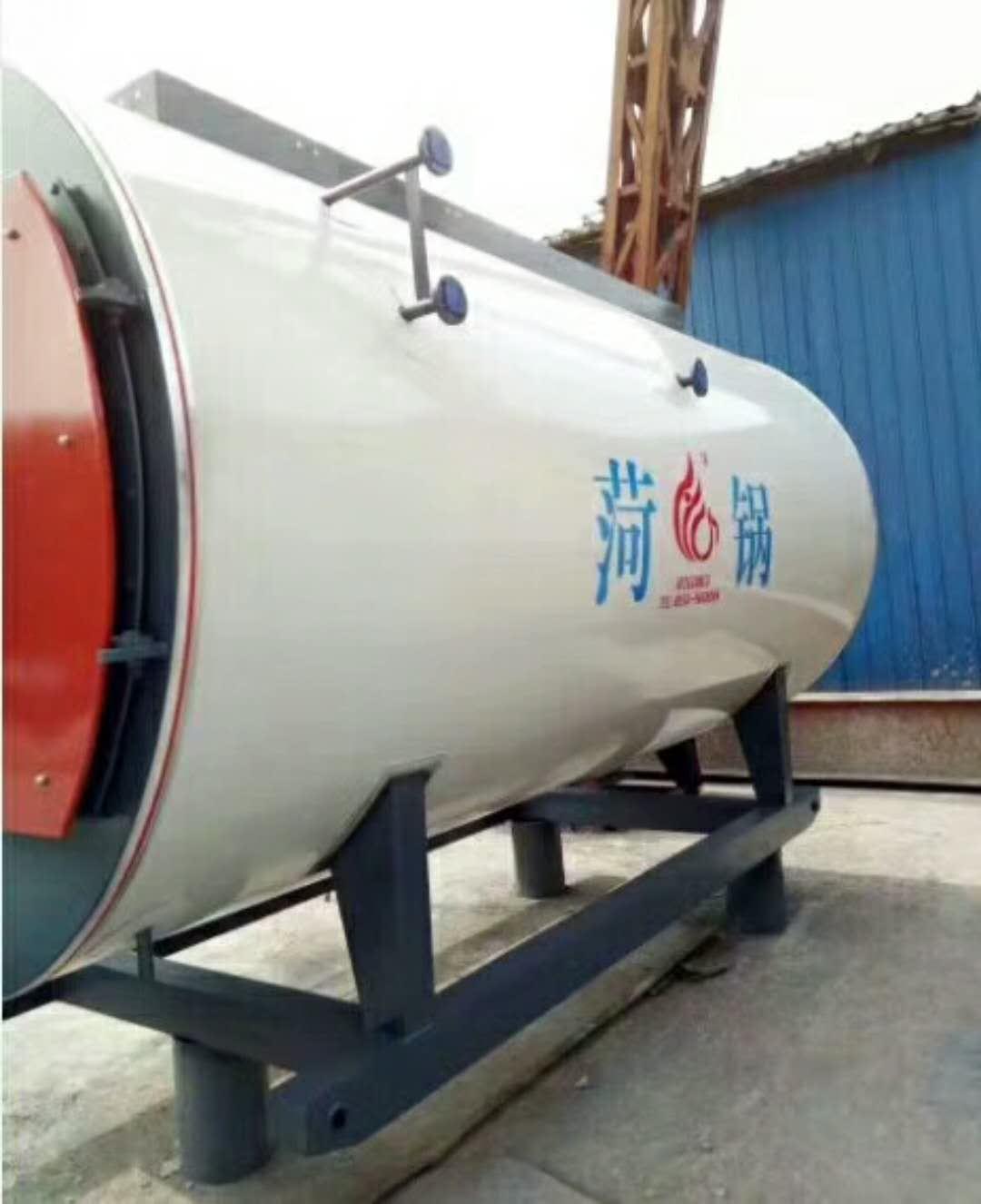
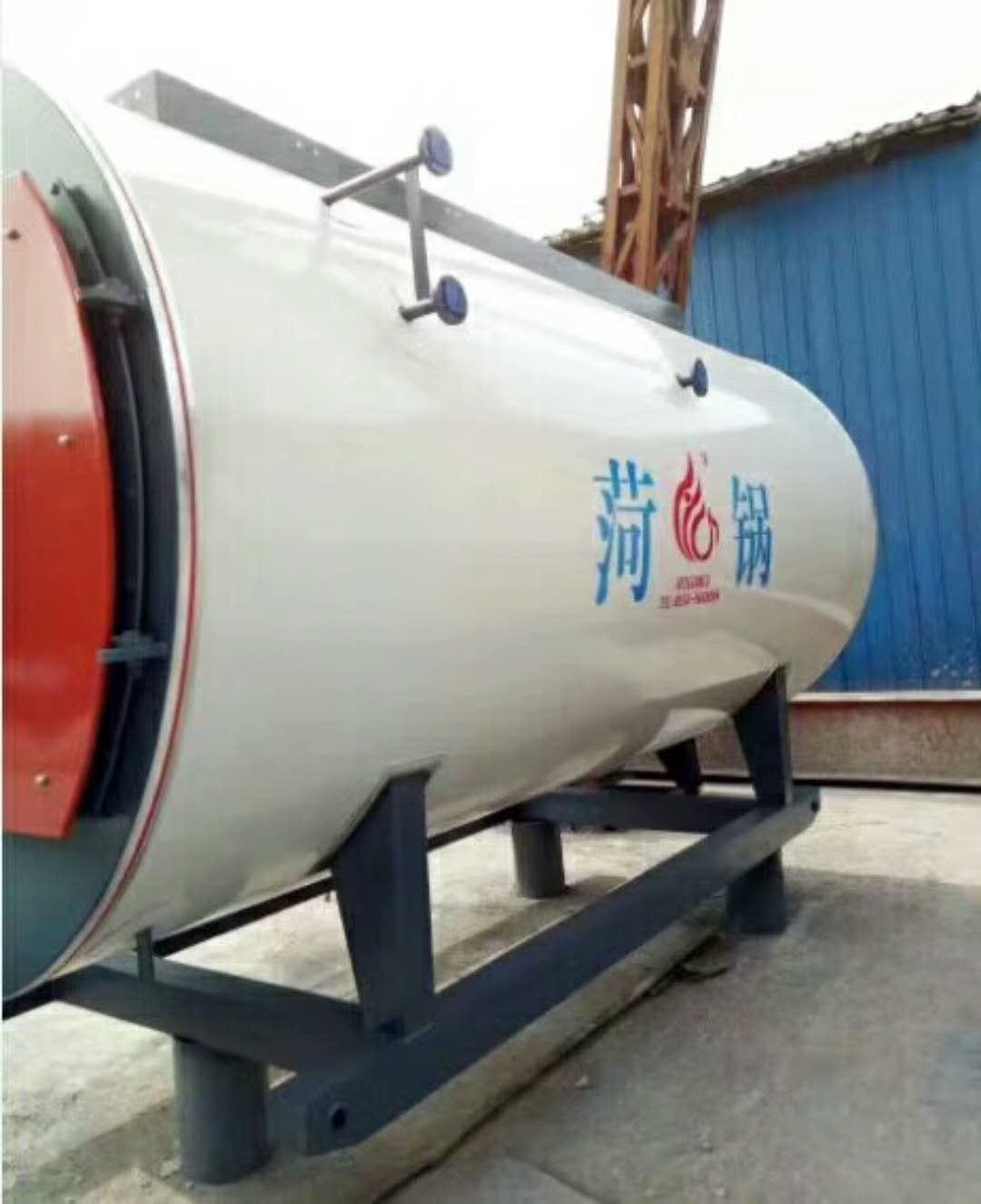
Shandong Zhongjie Special Equipment's main products include: fuel (gas) boilers, organic heat carrier boilers, biomass boilers, waste heat boilers, and other boiler products; vacuum insulation cryogenic pressure vessels such as LNG tanks, oxygen/nitrogen/argon tanks, CO2 tanks; pressure vessel products like denitrification engineering equipment, heat storage and energy storage equipment, complete chemical equipment sets; central air conditioning and HVAC equipment such as ground (water) source heat pumps, air source units, water-cooled screw units, and air-cooled modular units. Planned products include large-scale energy centers, LNG transport vehicles, LNG tank containers, and other green energy equipment.
Maintenance and upkeep are crucial for ensuring the safety of low-temperature storage tanks. Here are some common maintenance measures:
Regular Inspections: Conduct regular checks on low-temperature storage tanks, including inspections of the exterior, internal structure, and corrosion-resistant coatings. Look for cracks, corrosion, wear, and other issues, and identify and repair potential safety hazards in a timely manner.
Cleaning and De-icing: Regularly clean the external surface and internal structure of the low-temperature storage tank to remove accumulated dirt and ice layers. The accumulation of ice can lead to structural damage and corrosion, while cleaning and de-icing can extend the lifespan of the tank.
Level Monitoring: Regularly monitor the liquid level in low-temperature storage tanks to ensure it remains within a safe range. Excessive or low levels can lead to overpressure or over-vacuum in the tank, increasing safety risks.
Leak Detection: Install a leak detection system and regularly inspect for leaks in low-temperature storage tanks. Leaks can lead to the release and evaporation of liquids or gases, increasing safety risks.
Corrosion Protection Measures: Implement appropriate corrosion protection measures, such as coating protection and corrosion-resistant coatings, to safeguard the metallic structure of low-temperature storage tanks from corrosion damage.
Emergency Fault Handling: Establish an emergency fault handling mechanism to promptly address and repair issues with low-temperature storage tanks, preventing accidents from occurring or escalating.
Training and Development of Personnel: Train and develop operation and maintenance personnel to ensure they possess relevant knowledge and skills for the correct operation and maintenance of low-temperature storage tanks.
It's important to note that maintenance should be tailored to the specific type of tank and operating conditions, adhering to relevant local laws, regulations, and standards. During the maintenance process, it is recommended to consult with engineers or guidance from relevant institutions to ensure the tank's safety and reliability.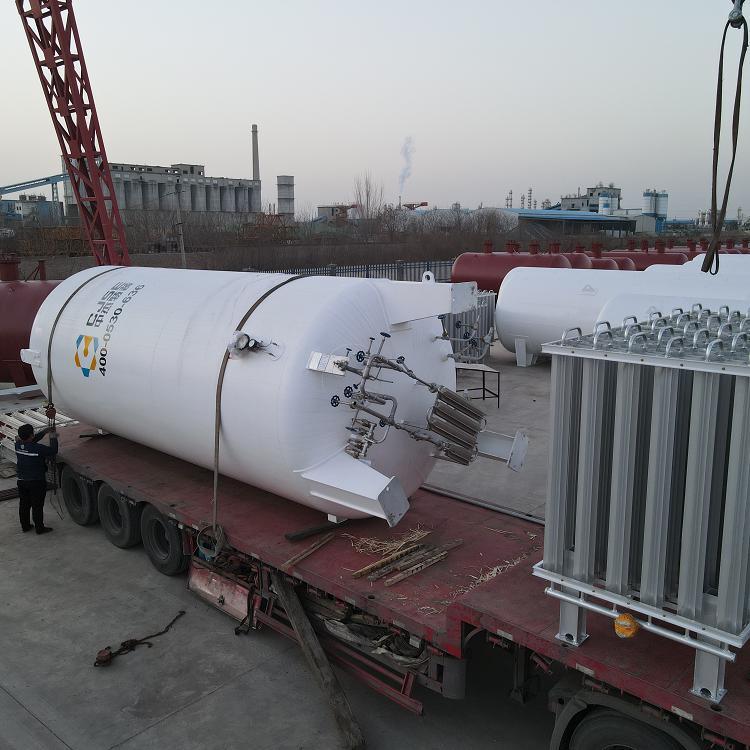
When selecting the base for a liquid argon tank, consider the following factors:
Load Capacity: The support must be able to bear the weight of the liquid argon tank. Select a support with sufficient load capacity based on the tank's capacity and dimensions. Typically, the weight of the liquid argon tank is specified in the design specifications, allowing for the determination of the support's load capacity.
Stability: The support must provide sufficient stability to prevent the tank from tilting or rocking during use. The design of the support should take into account the center of gravity of the tank and its changes to ensure stable support.
Corrosion Resistance: Liquid argon has low temperature and corrosive properties; the support material should have good corrosion resistance to prevent corrosion and damage. Common support materials include stainless steel, aluminum alloy, etc.
Insulation: Liquid argon storage tanks generally require insulation to maintain temperature, with the supports needing to possess certain insulating properties to minimize heat transfer and evaporation of the liquid argon. The design of the supports should consider the installation and protection of the insulation layer.
Installation and Maintenance: The bracket should be designed for ease of installation and maintenance, facilitating the tank's installation and routine maintenance tasks.
When selecting the support for liquid argon tanks, it's advisable to consult with engineers or suppliers. Choose an appropriate support based on the specific tank requirements and operating environment. Additionally, adhere to relevant design codes and safety standards to ensure the quality and reliability of the support.
Low-temperature liquid storage tanks offer the following features and advantages:
Feature:
Low-Temperature Storage: Low-temperature liquid storage tanks can store low-temperature liquids (such as liquid nitrogen, liquid oxygen, etc.) at low temperatures, maintaining their liquid state. Liquid storage can significantly increase storage density and save storage space.
Insulation: The low-temperature liquid storage tanks are equipped with special insulation materials and structural design, effectively reducing heat conduction and heat loss to maintain a stable temperature for the low-temperature liquids. This helps to minimize energy loss and liquid evaporation.
Safety: Low-temperature liquid storage tanks offer excellent safety performance. The tanks are made with special materials and structural design to withstand low temperatures and high pressures. Additionally, the tanks are equipped with safety devices such as pressure relief valves and liquid level alarms to ensure safe operation and use.
Utilization Advantages:
High Purity Supply: Low-temperature liquid storage tanks can provide high-purity liquid substances. Through refrigeration and purification processes, high-purity liquid gases can be obtained to meet application requirements in industries such as industrial and scientific research.
Long-term Storage: Low-temperature liquid storage tanks are designed for long-term storage of cold liquids, extending their service life. By controlling the temperature within the tank and the performance of the insulation layer, the evaporation and oxidation of the liquid can be slowed down, maintaining its stability and purity.
Versatile Applications: Low-temperature liquid storage tanks are widely used in industries such as industrial, scientific research, and more. They can be used for storing liquid oxygen to provide oxygen supply; in the industrial sector, they can store liquefied natural gas (LNG) and liquid nitrogen for process gases; in scientific research, they can store low-temperature experimental samples.
Environmental Protection and Energy Saving: Low-temperature liquid storage tanks can effectively store and utilize low-temperature liquids, reducing energy waste and environmental pollution. Storage of liquid substances
Several reasons have contributed to the peak popularity of low-temperature liquid storage tanks in recent years:
Rising Demand: With the development of industries, scientific research, and other fields, the demand for low-temperature liquids is continuously increasing. Low-temperature liquid storage tanks can effectively store and supply liquid oxygen, liquid nitrogen, liquid gases, and other low-temperature liquids, meeting the needs of various sectors.
Technical Advancements: In recent years, the manufacturing and material technologies for low-temperature liquid storage tanks have continually improved and innovated. The application of new insulating materials, advanced refrigeration systems, and safety control devices has enhanced the performance and safety of the tanks, making them more reliable and secure.
Environmental Awareness Enhancement: Low-temperature liquid storage tanks enable effective storage and utilization of low-temperature liquids, reducing energy waste and environmental pollution. Against the backdrop of enhanced environmental awareness, low-temperature liquid storage tanks, as an environmentally friendly and energy-saving device, have garnered more attention and application.
Emerging Application Fields: The demand for cryogenic liquid storage tanks is on the rise in emerging application fields. For instance, the application of liquid nitrogen in frozen food, biopharmaceuticals, and semiconductor manufacturing is increasingly widespread, propelling the development of cryogenic liquid storage tanks.
Policy Support: The government has provided support and encouragement for the development of low-temperature liquid storage tanks. Through policy guidance and financial support, the industry has been promoted and expanded.
In summary, the reasons for the peak of low-temperature liquid storage tanks in recent years mainly include increasing demand, technological advancements, heightened environmental awareness, the development of new application areas, and policy support. These factors have collectively driven the rapid development of the low-temperature liquid storage tank industry.
Our company highly values technological innovation and R&D design. We have one city-level technical center in Heze City, equipped with non-destructive testing, physical and chemical testing, welding testing, hydrostatic testing, and other testing facilities. We have over 600 various equipment, including CNC machine tools, X-ray flaw detectors, digital ultrasonic flaw detectors, mechanical property testing machines, chemical analyzers, spectrometers, tensile testing machines, and plasma welding machines. Our key products and technologies, such as temperature and pressure vessel welding, biomass boiler emissions reduction, and waste heat recovery, have successively been shortlisted for multiple Shandong Provincial Department of Industry and Information Technology innovation projects, Shandong Province key projects, and Heze City innovation and excellence projects. We have accumulated 27 authorized utility models, 16 authorized inventions, participated in drafting 2 standards, 2 industry standards, and registered 15 trademarks. The technical team, in collaboration with Professor Li Yajiang of Shandong University, has developed deep cryogenic container processing technology using the internationally recognized plasma arc + filler wire tungsten inert gas (PAW-GTAW) welding technique. The provincial scientific and technological achievement appraisal has determined that our technology level in the field of deep cryogenic container manufacturing has reached international standards. Choose Zhongjie Special Equipment, and let's create brilliance together!
Meizhou 5 cubic oxygen storage tank, real manufacturer
