


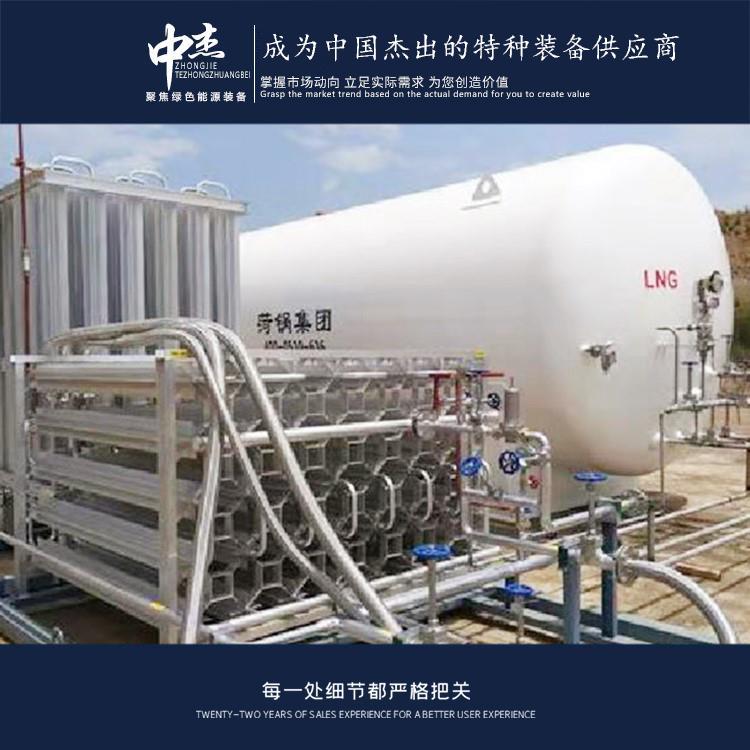
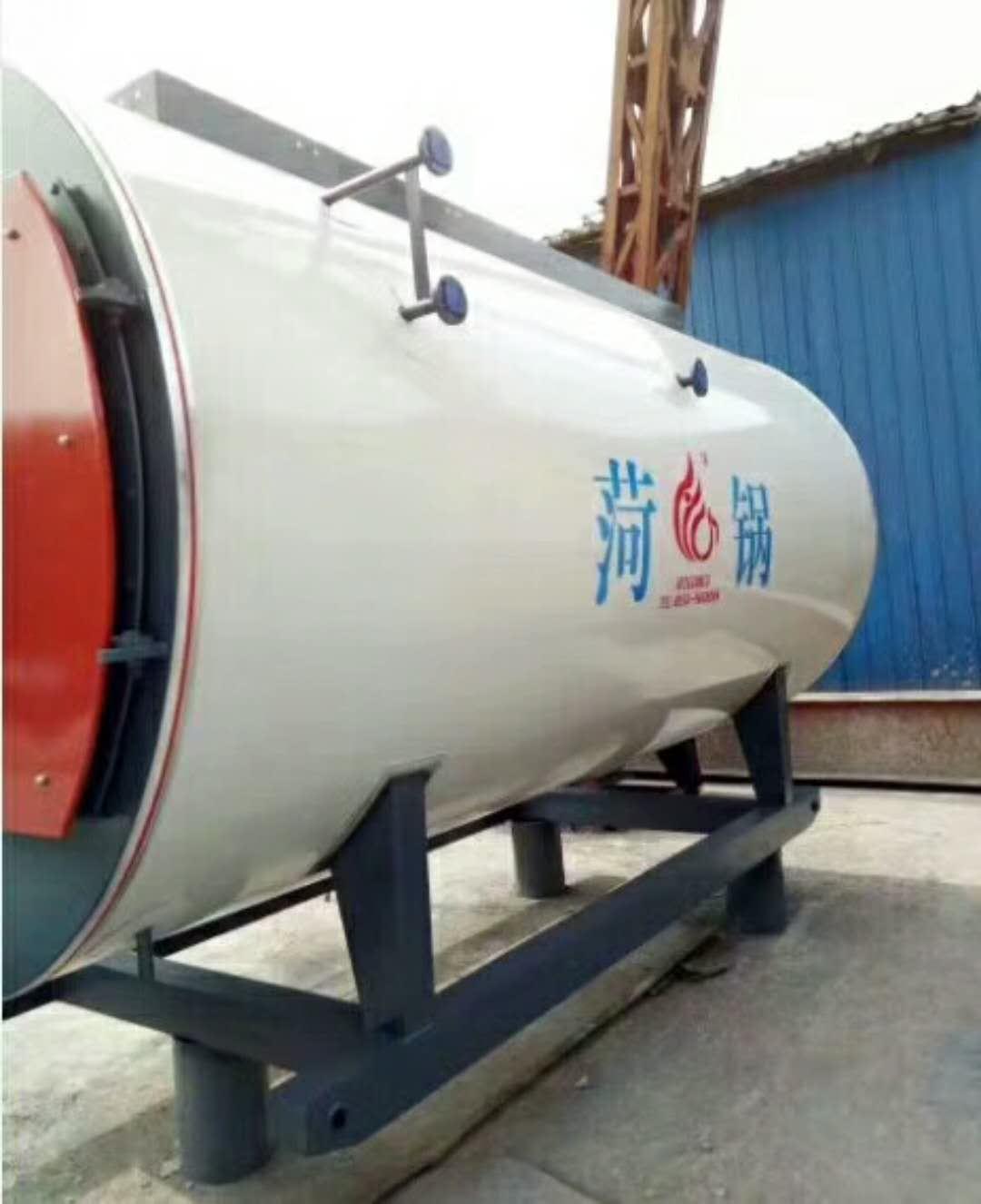
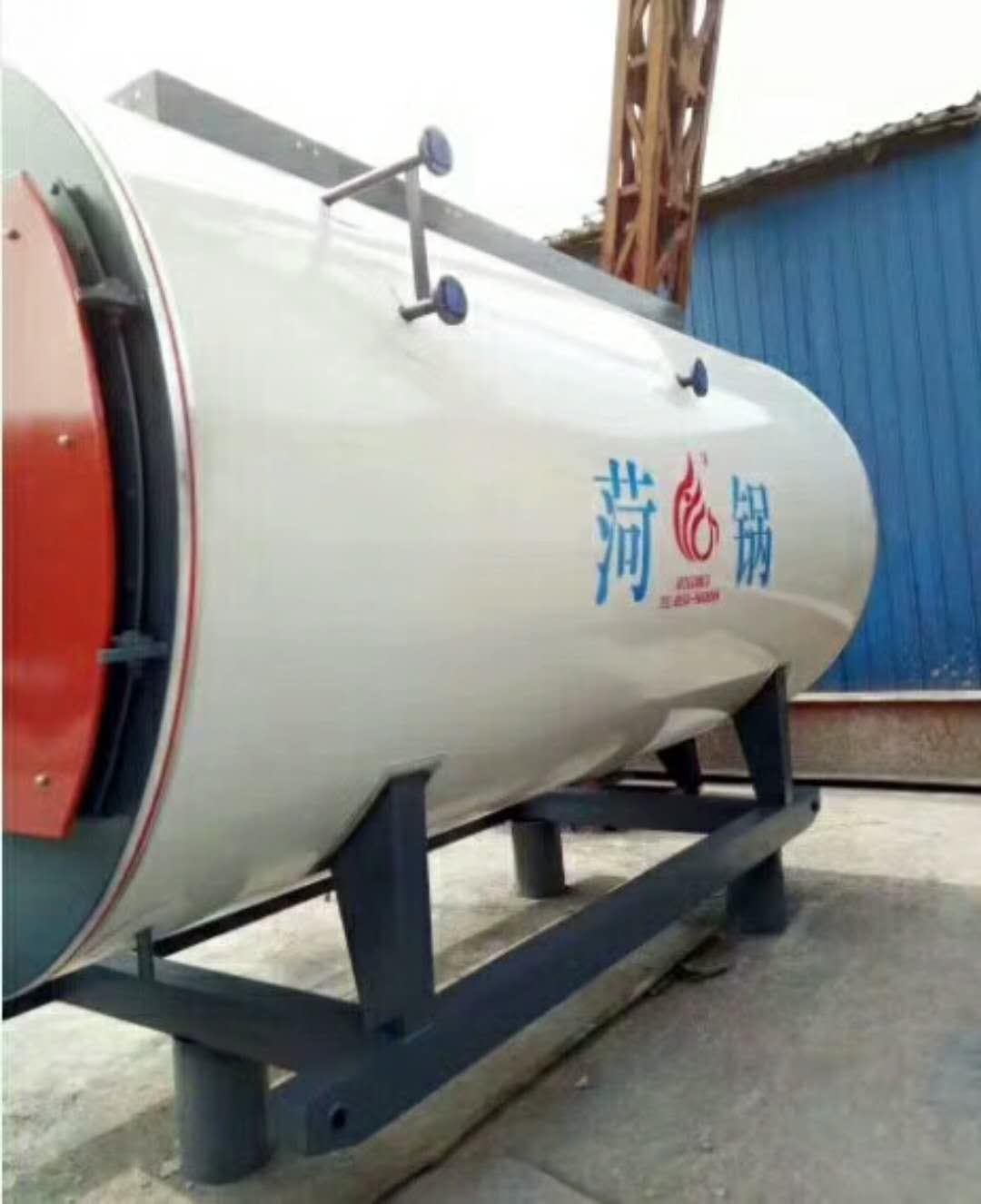
Shandong Zhongjie Special Equipment (formerly Heze Boiler Factory Co., Ltd.) holds an A-grade boiler manufacturing license, an A2-grade pressure vessel manufacturing license, an A2-grade pressure vessel design license, a B-grade boiler installation license, and GB2/Class, GC2/Class pressure pipeline installation licenses, as well as a qualification for electromechanical equipment installation contracting. It is a member of the China Boiler and Water Treatment Association, the China Chemical Equipment Association, and a director unit of the Shandong Equipment Manufacturing Association. The company has also passed certifications for the ISO9001 Quality Management System, ISO14001 Environmental Management System, OHSAS18001 Occupational Health and Safety Management System, and the American ASME/U2 certification.
Prior to filling the liquid nitrogen tank, the following checks must be conducted:
Tank exterior inspection: Check for any visible damage, deformation, corrosion, etc. on the tank's exterior, including the tank wall, valves, pipes, and joints.
Sealability Inspection: Verify the sealing performance of the storage tank, including checking for any leakage at valves and pipe connections, to ensure the tank maintains good sealing integrity.
Pressure Check: Verify that the tank's pressure gauge is functioning properly and that the pressure is within the normal range to ensure the tank operates normally.
Level Check: Verify the liquid level in the storage tank to ensure it's within the normal range, avoiding issues caused by levels that are too high or too low.
Insulation Layer Inspection: Check if the insulation layer of the tank is intact, for any signs of damage or detachment, to ensure the insulation effect and reduce evaporation losses of liquid nitrogen.
Leakage Inspection: Check for signs of liquid nitrogen leakage around the tank, including frost, ice, or liquid nitrogen stains on the ground.
Safety Equipment Inspection: Check the tank's safety equipment, such as leak detectors, alarm systems, and safety valves, to ensure they are functioning properly for the tank's safety.
Clean Inspection: Ensure the interior of the tank is clean, free of accumulated impurities and dirt, to maintain the tank's cleanliness and sanitation.
The above lists the checks required prior to filling the liquid nitrogen tank, ensuring the safe operation of the tank and proper storage of liquid nitrogen. During the inspection, strict adherence to the relevant operational procedures and safety requirements must be maintained to ensure operational safety.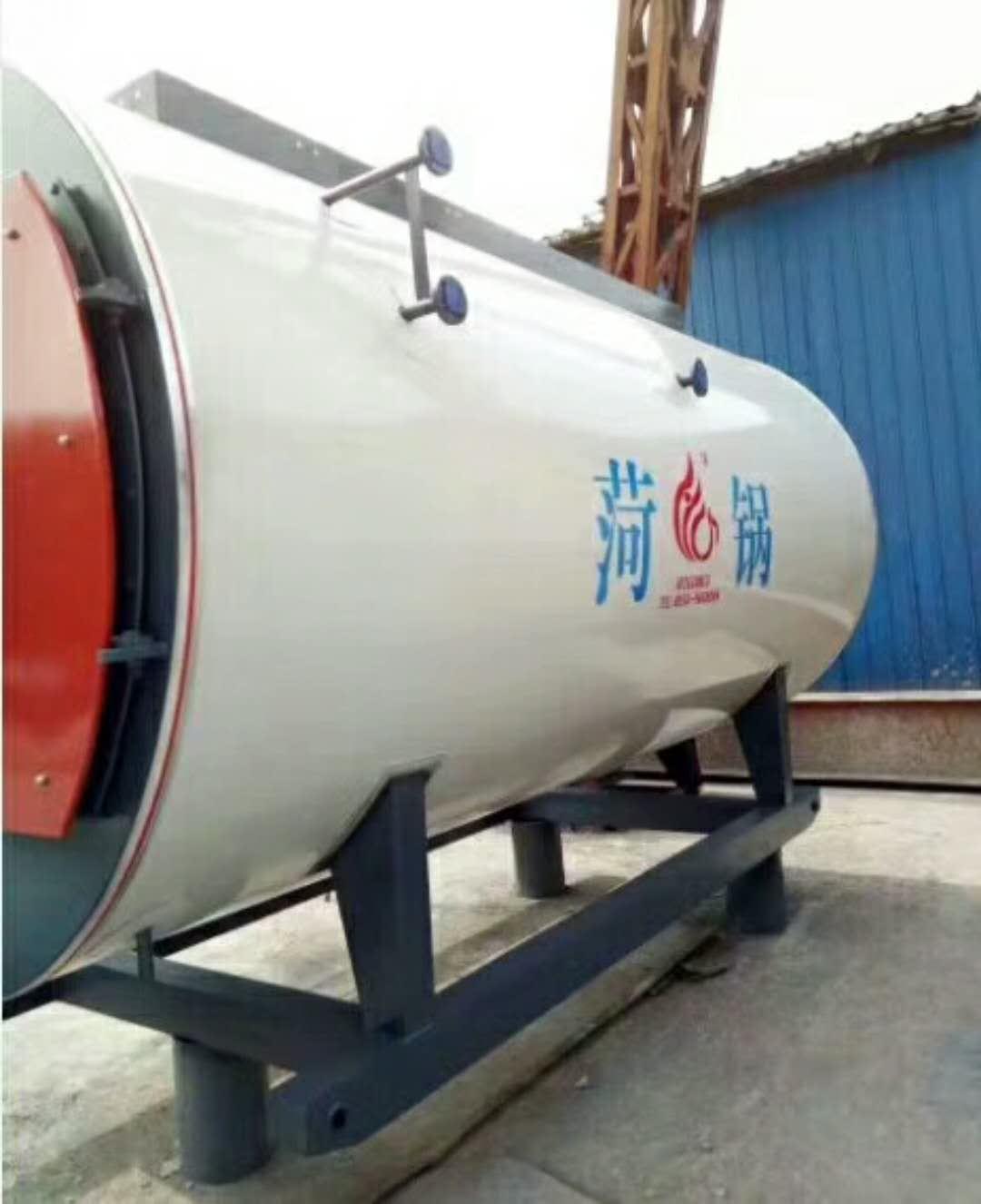
The filling of a low-temperature liquid nitrogen tank refers to the process of transferring liquid nitrogen from an external supply source into the tank. Below is an explanation of the filling process for low-temperature liquid nitrogen tanks:
Preparation: Before filling the liquid nitrogen tank, preparation work is required. This includes inspecting the tank's condition and safety to ensure the interior is clean, free of impurities and contaminants. Additionally, check the quality of the liquid nitrogen from the supply source and the safety of the supply pipeline.
Connect supply source: Link the liquid nitrogen supply source to the liquid inlet of the storage tank. Ensure the connection is secure and reliable to prevent leaks.
Control Liquid Level: During the bottling process, it is necessary to control the liquid nitrogen level to prevent overfilling or overflow. A level gauge or level control system can be used to monitor and control the liquid level.
Slow injection: The injection of liquid nitrogen should be done slowly to prevent rapid vaporization and increased pressure. Appropriate valves and flow control devices can be used to regulate the injection speed.
Monitor Pressure: During the canning process, it is necessary to monitor the pressure of the storage tank to ensure it remains within a safe range. Pressure gauges or pressure sensors and other equipment can be used for monitoring.
Canning completed: Stop injecting liquid nitrogen when the liquid level reaches the predetermined filling amount or the tank's capacity limit. Disconnect the connection to the supply source and ensure the sealing integrity of the filling port.
Safe Operation: Throughout the canning process, relevant safety regulations and operational guidelines must be followed. Liquid nitrogen is extremely cold and highly flammable, so operators should wear appropriate personal protective equipment and ensure that the operating environment is free of ignition sources.
When bottling liquid nitrogen, be mindful of its low-temperature characteristics and safety. Ensure safe operation and control during the bottling process to guarantee the safe operation of the storage tank and the effective storage of liquid nitrogen.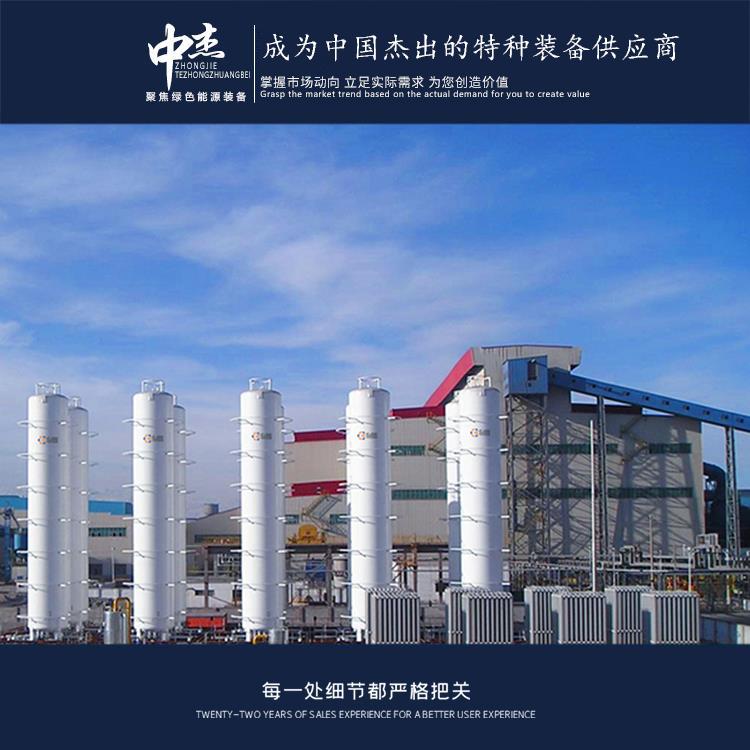
Liquid oxygen storage tanks are high-pressure, highly oxidizing equipment that require special attention to safety during use. Here are some safety precautions for liquid oxygen storage tanks:
- Operation: The operation of liquid oxygen storage tanks should be carried out by trained and experienced personnel. Operators should be familiar with the tank's structure, performance, and operating procedures, and operate strictly according to the operation manual and safety regulations.
- Fire Prevention Measures: Liquid oxygen is highly oxidizing and can easily cause fires and explosions. Open flames and sparks should be prohibited around liquid oxygen storage tanks, and precautions should be taken to prevent contact with the tank by hot objects. Fire protection equipment and fire extinguishers should be established and regularly inspected and maintained.
- Leak Control: In the event of a leak in a liquid oxygen storage tank, immediate measures should be taken to control the leak. Leaks can cause the evaporation of liquid oxygen and an increase in oxygen concentration, raising the risk of fire and explosion. A leak detection system should be established, and leak control devices and personal protective equipment should be provided.
- Insulation Protection: Liquid oxygen storage tanks should have good insulation protection to reduce evaporation and maintain low temperatures. The insulation layer should be regularly inspected and maintained to ensure its integrity and insulating properties.
- Safety Distance: A certain safety distance should be maintained around liquid oxygen storage tanks to prevent the spread of fires, explosions, and leaks. The specific requirements for safety distances should be assessed and determined according to local regulations and standards.
- Regular Inspection and Maintenance: Liquid oxygen storage tanks should be regularly inspected and maintained, including checking the structural integrity of the tank, valves, and pipelines for tightness.
Liquid Oxygen Tanks are used for storing and supplying liquid oxygen as fuel and oxidizer, playing a crucial role in launch propulsion systems and more. Industrial Production: Liquid oxygen is used as an oxidizer in industrial production for processes such as combustion, oxidation, and oxygen supply. Liquid Oxygen Tanks are utilized to store and supply liquid oxygen to meet the demands of industrial applications like metal cutting, welding, and chemical reactions. Equipment: Liquid Oxygen Tanks are used to supply oxygen for applications such as oxygen therapy, oxygen inhalation, and operating rooms. These tanks provide high-purity oxygen while maintaining low temperatures to meet the equipment's oxygen requirements. Laboratory Research: Liquid Oxygen Tanks are used in scientific research and laboratories to provide liquid oxygen as experimental materials and reagents. The low temperature and high purity of liquid oxygen make it widely applicable in laboratories, including material science, chemical reactions, and biomedical research. In summary, Liquid Oxygen Tanks are crucial in various fields such as industrial production, equipment, and laboratory research, providing storage and supply functions for liquid oxygen at application sites.
Zhongjie Special Equipment upholds the great vision of "realizing employees' dreams, creating value for customers, and striving for the prosperity and strength of our motherland," and is dedicated to the development of the green energy equipment industry. We commit to society with high-value products and services!
10 Yuanjiang cubic nitrogen storage tank, in stock supply
