


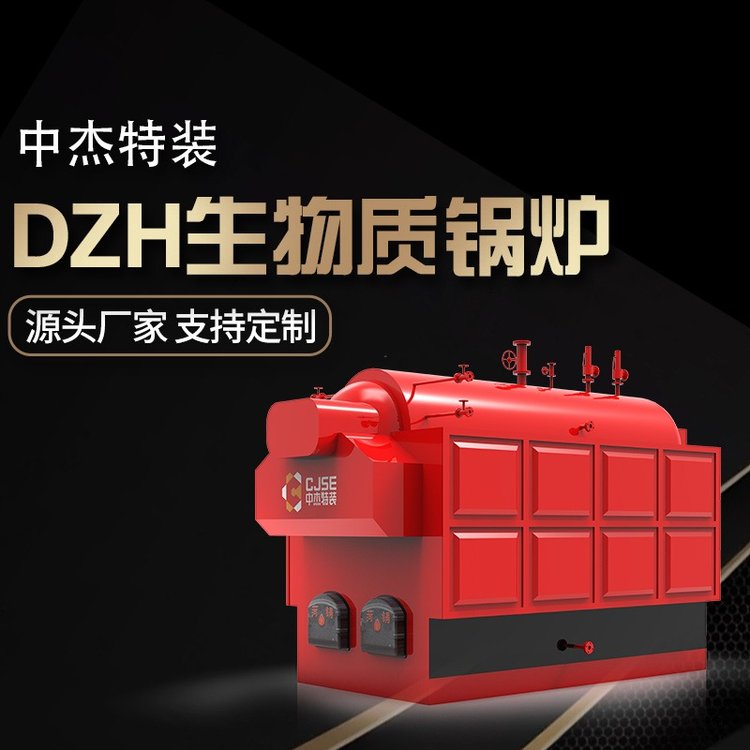
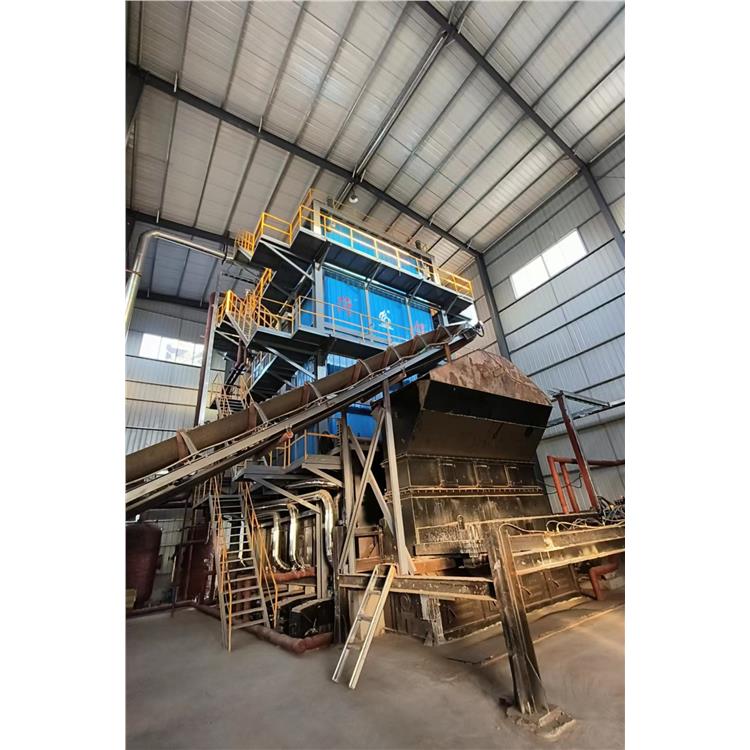
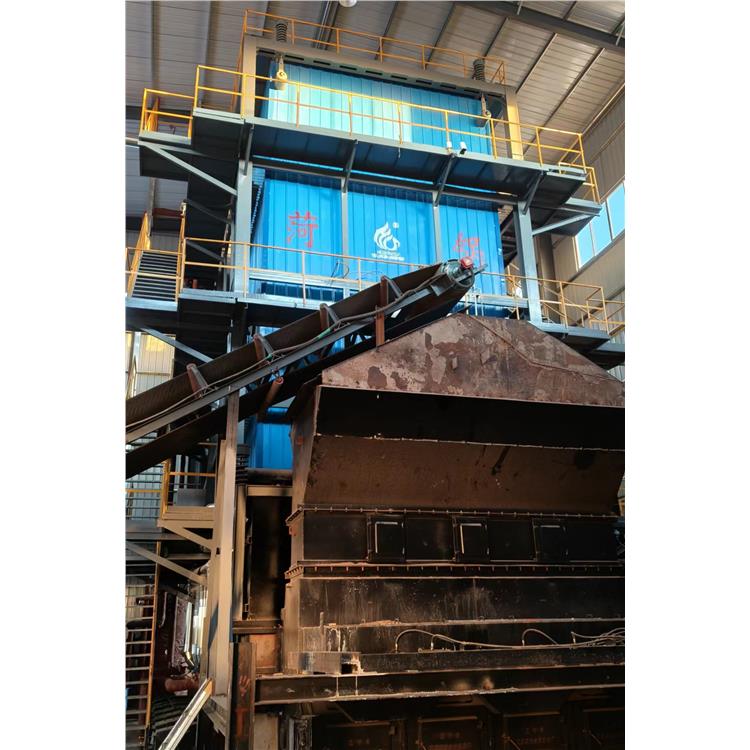
Shandong Zhongjie Special Equipment's main products include: fuel (gas) boilers, organic heat carrier boilers, biomass boilers, waste heat recovery boilers, and other boiler products; vacuum insulation cryogenic pressure vessels such as LNG storage tanks, oxygen/nitrogen/argon storage tanks, and CO2 storage tanks; pressure vessel products such as denitrification engineering equipment, heat storage and energy storage equipment, and complete chemical equipment sets; central air conditioning and ventilation equipment such as ground (water) source heat pumps, air source units, water-cooled screw units, and air-cooled modular units. Planned products include large-scale energy centers, LNG transport vehicles, LNG tank containers, and other green energy equipment.
A fully automatic biomass boiler refers to a biomass boiler equipped with a fully automatic control system. Here are some points to note:
Regular Maintenance: Although the fully automatic biomass boiler is equipped with an automatic control system, regular maintenance is still necessary. This includes cleaning the combustion chamber, heat exchanger, flue, etc., checking and replacing worn parts, to ensure the normal operation of the boiler.
Water Treatment: The quality of water in biomass boilers is crucial for their normal operation. Regularly inspect and treat water quality, including hardness, alkalinity, and impurities in the water. Implement appropriate water treatment measures based on water quality conditions to prevent scale and corrosion, and protect the boiler's heat exchangers and pipes.
Fuel Quality Control: The quality of fuel for biomass boilers is crucial for combustion efficiency and stable operation. Select the appropriate amount of biomass fuel and implement proper quality control, including moisture content and particle size. Ensure the fuel quality meets the boiler's requirements to avoid incomplete combustion and blockages.
Regular Cleaning of Combustion System: The combustion system of fully automatic biomass boilers requires regular cleaning, including the combustion chamber, burners, and burner nozzles. Accumulated soot, sediments, and dirt should be removed to maintain the smooth operation of the combustion system, preventing issues such as incomplete combustion and unstable flames.
Regularly inspect control systems: The control system of fully automatic biomass boilers requires regular inspections and tests to ensure proper operation. This includes checking the accuracy of sensors and the stability of controllers. Promptly identify and resolve issues with the control system to ensure the stable operation of the boiler.
Maintain records and monitoring: Document and monitor operating parameters and fault conditions of all active biomass boilers, and conduct analysis. Identify and resolve issues promptly to prevent faults from occurring or escalating.
Above are some precautions when using fully automatic biomass boilers. With proper maintenance, care, and quality control, the stable operation and performance of the boiler can be ensured.
The SZL biomass boiler is a water-tube boiler with two drums and a chain grate, suitable for burning biomass fuel. Below is a structural introduction to the SZL biomass boiler:
Drum: The SZL biomass boiler has two parallel water tube drums, the upper drum and the lower drum. The upper drum is used for the combustion chamber, while the lower drum is used for heat transfer of steam and flue gas.
Briquettes: The SZL biomass boiler uses a chain grate, where the fuel enters the combustion chamber through the chain grate to achieve the combustion process. The design of the chain grate ensures uniform and complete combustion of the fuel.
Combustion Chamber: The combustion chamber is located inside the upper cylinder, where fuel burns, releasing heat energy. The structure and design of the combustion chamber ensure complete combustion of the fuel and efficient conversion of heat energy.
Flue Duct: The flue gas produced during combustion passes through the flue duct into the lower cylinder, where it exchanges heat with the water inside, transferring thermal energy to the water and producing steam.
Water pipes: A large number of water pipes are arranged inside the lower drum of the SZL biomass boiler. Flue gas passes through these pipes, where it exchanges heat with the water, transferring thermal energy and producing steam.
Upper Equipment: The upper equipment of the SZL biomass boiler includes a steam separator, level gauge, safety valve, etc., used for controlling and protecting the safe operation of the boiler.
Equipment: The SZL biomass boiler includes equipment such as the water supply system, sewage system, and fuel supply system, which are used to provide the necessary water for the boiler, treat wastewater, and supply fuel, etc.
The SZL biomass boiler boasts a compact structure, high thermal efficiency, and is suitable for the combustion of biomass fuel. Its double drum and chain grate design ensures complete combustion of the fuel and efficient conversion of thermal energy, while also providing good safety and reliability.
Biomass boilers feature the following characteristics:
Renewable Energy: Biomass boilers utilize biomass fuels such as wood chips and straw, which are renewable. Compared to traditional fossil fuels, these fuels offer lower carbon emissions and environmental friendliness.
Diverse fuel options: Biomass boilers are suitable for various biomass fuels such as wood chips, straw, and husks, demonstrating strong fuel adaptability. This allows biomass boilers to be widely used in different regions and industries.
Energy Utilization: Biomass boilers utilize advanced combustion technology and heat recovery systems, achieving high energy utilization efficiency. By optimizing the combustion process and heat recovery, energy utilization efficiency can be maximized, significantly reducing energy consumption.
Flexible operating modes: Biomass boilers can be operated flexibly according to actual needs, such as manual control, automatic control, or remote monitoring, etc. This allows biomass boilers to meet requirements in various scenarios and provide a stable energy supply.
Superior environmental performance: Biomass boilers produce relatively fewer emissions during combustion, with a smaller impact on the environment. Through reasonable combustion control and flue gas treatment systems, emissions can be further reduced to meet higher environmental protection standards.
Broad Application Range: Biomass boilers are widely used in industries, agriculture, greenhouses, HVAC, and other fields. They provide a stable energy supply to meet the needs of various industries and sectors.
In summary, biomass boilers feature renewable energy, diverse fuel options, efficient energy utilization, flexible operation, superior environmental performance, and wide applicability, making them a sustainable and eco-friendly thermal energy supply solution.
The internal structure of an automatic biomass boiler typically includes the following main components:
Combustion Chamber: The combustion chamber is the area inside a biomass boiler where combustion occurs. It typically consists of a burner, combustion chamber walls, top, and bottom. The combustion chamber provides the space and oxygen required for combustion, allowing biomass fuel to burn and produce heat energy.
Chimney System: The chimney system is used to guide flue gases produced by combustion out of the combustion chamber. It includes flue pipes, chimneys, and flue gas purification equipment, etc. The design and layout of the chimney system can effectively improve the efficiency of flue gas emissions and thermal energy utilization.
Heat Exchanger: A heat exchanger is a crucial component in biomass boilers, used to transfer the thermal energy from the flue gas produced by combustion to water or other working substances. Common types of heat exchangers include tube-type and flue-tube type heat exchangers. The design and material selection of the heat exchanger are essential for improving
Our company attaches great importance to technological innovation and R&D design. We have one municipal-level enterprise technology center in Heze City, equipped with testing facilities for non-destructive testing, physical and chemical testing, welding testing, hydrostatic testing, etc. We have over 600 types of equipment, including CNC machine tools, X-ray flaw detectors, digital ultrasonic flaw detectors, mechanical property testing machines, chemical analyzers, spectrometers, tensile testing machines, plasma welding machines, and more. The key products and technologies we have developed, such as welding for temperature and pressure vessels, biomass boiler emission reduction, and waste heat utilization, have successively been included in multiple Shandong Provincial Department of Industry and Information Technology science and technology innovation projects, Shandong Provincial key projects, and Heze City innovation and excellence projects. We have accumulated 27 authorized utility models, 16 authorized inventions, participated in drafting 2 standards, 2 industry standards, and registered 15 trademarks. Our technical team, in collaboration with Professor Yajiang Li from Shandong University, has developed deep cryogenic container processing technology using the international plasma arc + filler wire tungsten inert gas arc welding (PAW-GTAW) technology. After being appraised as a provincial-level scientific and technological achievement, our technology level has reached international standards in the field of deep cryogenic container manufacturing. Choose Zhongjie Special Equipment, and let's create brilliance together!
Xinjiang 4-ton biomass boiler - Trustworthy
