


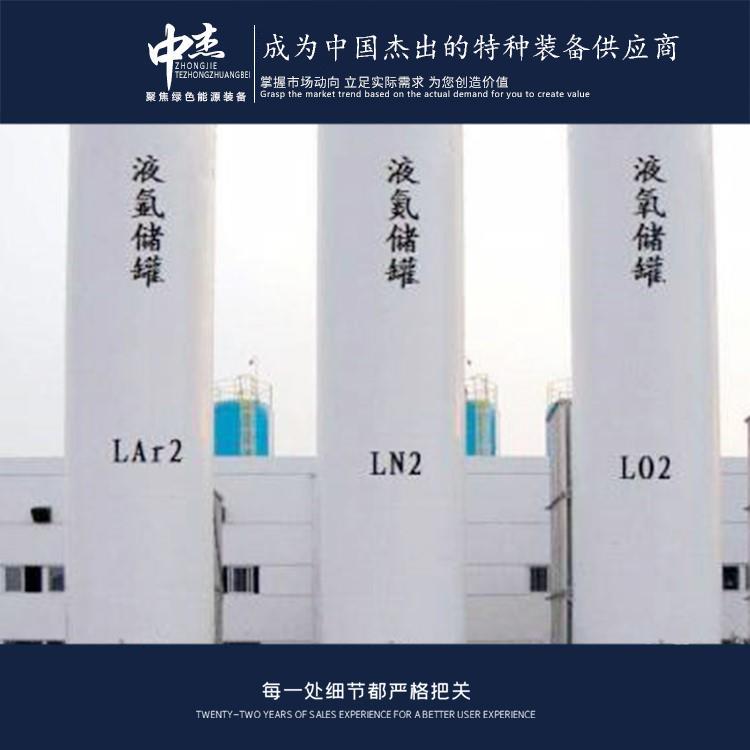
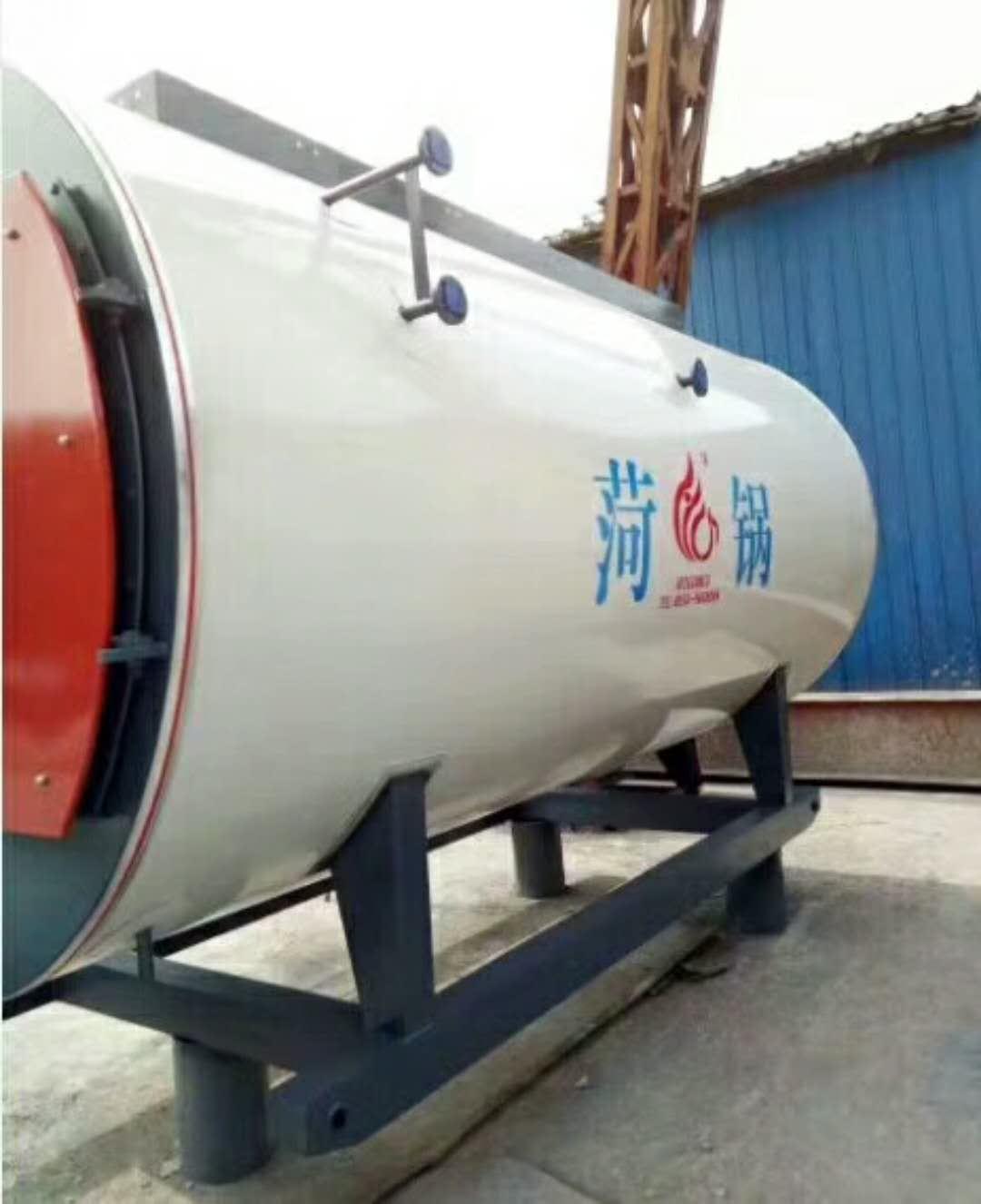
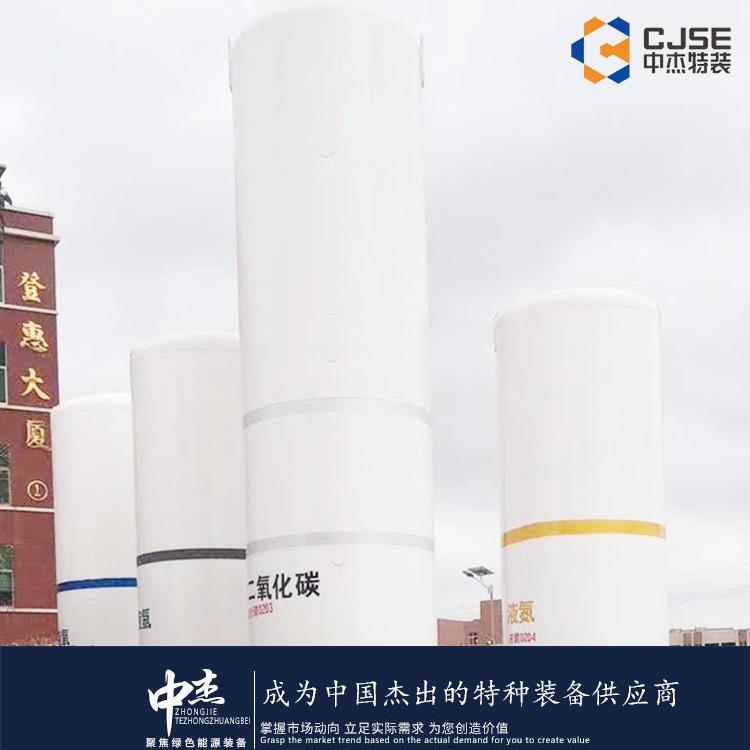
Shandong Zhongjie Special Equipment (formerly Heze Boiler Factory Co., Ltd.) holds an A-grade boiler manufacturing license, an A2-grade pressure vessel manufacturing license, an A2-grade pressure vessel design license, a B-grade boiler installation license, and GB2/Class, GC2/Class pressure pipeline installation licenses, as well as a mechanical and electrical equipment installation contracting qualification. It is a member of the China Boiler and Water Treatment Association, the China Chemical Equipment Association, and the council member of the Shandong Equipment Manufacturing Association. The company has also passed the ISO9001 Quality Management System, ISO14001 Environmental Management System, OHSAS18001 Occupational Health and Safety Management System certifications, and the American ASME/U2 certification.
在二氧化碳储罐罐区进行安全操作时,需要遵循以下几个关键步骤和注意事项: 储罐区域划定:将储罐区域划定为专门的区域,并设置明确的标识和警示标志,以提醒人员注意安全。 人员培训:确保所有操作人员都接受过相关的培训,了解储罐的特性、操作规程和应急措施。培训内容应包括储罐的安全操作、泄漏处理、火灾应对等。 个人防护装备:所有进入储罐区域的人员都应佩戴适当的个人防护装备,如防护服、安全鞋、、手套等。这些装备可以提供保护,减少潜在的伤害风险。 操作规程:制定和遵守储罐的操作规程,包括储罐的开启、关闭、充装、排空等操作步骤。确保操作人员按照规程进行操作,避免操作失误和事故发生。 泄漏处理:储罐区域应配备适当的泄漏处理设备和材料,以应对可能的泄漏情况。操作人员应熟悉泄漏处理程序,并及时采取措施进行泄漏控制和清理。 火灾安全:储罐区域应配备适当的消防设备和灭火器材,并确保操作人员了解火灾应对程序。禁止在储罐区域内吸烟或使用明火,以防止火灾风险。 定期检查和维护:定期检查储罐的安全阀、压力表、温度传感器等设备的工作状态,并进行必要的维护和修理。确保储罐的正常运行和安全性。 应急预案:制定储罐区域的应急预案,包括事故报警、人员疏散、急救措施等。所有操作人员应熟悉应急预案,并定期进行演练和培训。 需要注意的是,以上是一般的安全操作指导,具体的操作要求可能会因不同的储罐设计和使用场景而有所差异。在进行储罐操作时,应遵循相关的安全操作规程和标准,确保操作的安全性和有效性。好咨询工程师或储罐制造商以获取具体的操作指导。
Carbon dioxide storage tanks come in various sizes and configurations, tailored to specific application and capacity requirements. Here are some common dimensions and structures of carbon dioxide storage tanks:
Dimensions: The size of carbon dioxide storage tanks can range from small to large, varying with capacity. Common sizes include thousands to tens of thousands of liters.
Structure: These tanks typically feature a double-walled design, with the inner wall for storing liquid carbon dioxide and the outer wall for insulation. The inner wall is usually made of stainless steel or aluminum alloy, offering excellent corrosion resistance.
Insulation: To maintain the low temperature of liquid carbon dioxide, the outer wall is often insulated to reduce heat transfer and maintain低温. Insulation can be in multi-layered structures, such as polyester foam, glass wool, etc.
Pressure Relief Devices: Carbon dioxide storage tanks are usually equipped with pressure relief devices, such as safety valves, to control internal pressure. The set pressure of these devices should comply with relevant requirements and be inspected and maintained regularly.
Connecting Pipes: The connection between the tank and pipes is typically made using appropriate methods, such as flange or threaded connections. The connecting pipes should meet relevant standards and specifications to ensure a tight and reliable connection with no leaks.
Support Structure: Large carbon dioxide storage tanks often require a support structure to bear their weight. These can be made of steel or concrete structures, ensuring stability and safety of the tank.
It's important to note that the specific dimensions and structures of carbon dioxide storage tanks may vary depending on different applications and requirements. When selecting and using carbon dioxide storage tanks, one should consider the following factors...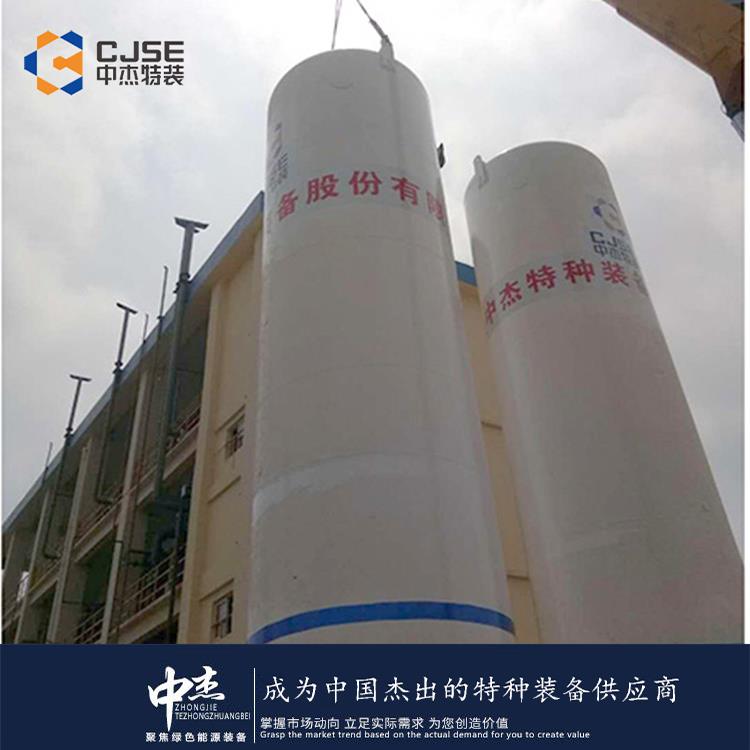
The reason for regular inspections of low-temperature liquid carbon dioxide storage tanks is to ensure their safety performance and normal operation. Due to the storage tanks being under low temperatures and high pressures, there are certain safety risks, such as leaks and structural cracks. Regular inspections can help identify potential issues early, allowing for appropriate repairs or maintenance to ensure safe tank operation. The specific inspection frequency should be determined according to relevant regulations and standards, and it is generally recommended to conduct regular inspections and maintenance. Typically, the time interval for regular inspections of low-temperature liquid carbon dioxide storage tanks is between 1 to 3 years, which may vary depending on the tank's usage, age, design standards, and other factors. The contents of regular inspections usually include visual inspections of the tank, checks of valves and fittings, leak detection, pressure testing, and regular maintenance of the insulation layer to ensure its thermal insulation properties. It is important to note that the specific inspection frequency and contents should be determined based on local regulations, standards, and the manufacturer's recommendations. Inspections should be carried out by qualified personnel, and the results and maintenance records should be documented for tracking and managing the tank's safety performance.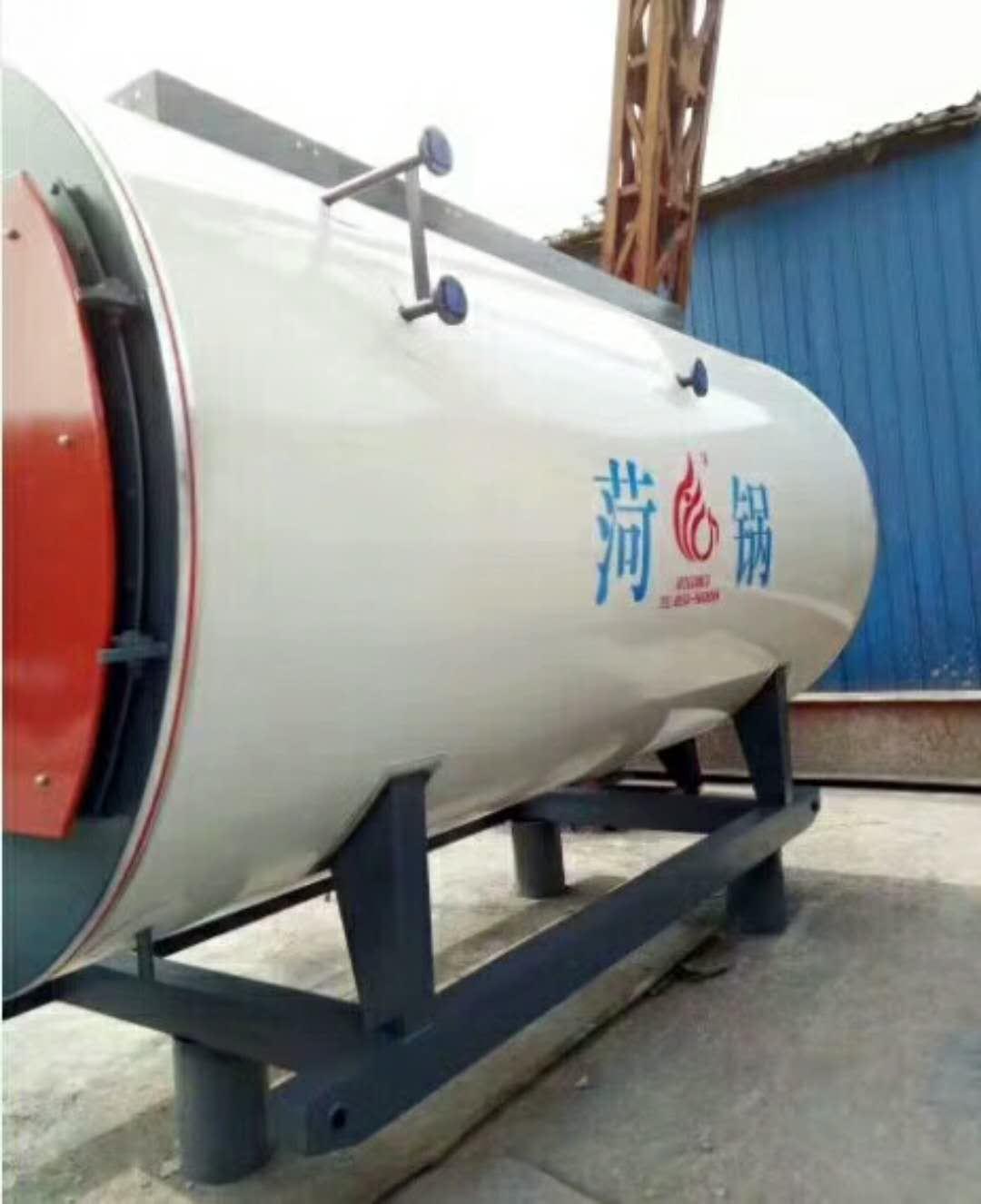
According to China's "Regulations for the Safety Supervision of Pressure Vessel Technology," carbon dioxide tanks are classified as category II pressure vessels. The regulations categorize pressure vessels as follows:
- Category I pressure vessels: Those with operating pressures of 10 MPa (megapascals) or more, such as steam boilers and pressure vessels.
- Category II pressure vessels: Those with operating pressures of 0.1 MPa or more but less than 10 MPa, such as air compressors and liquefied gas storage tanks.
- Category III pressure vessels: Those with operating pressures of 0.05 MPa or more but less than 0.1 MPa, such as storage tanks.
- Category IV pressure vessels: Those with operating pressures of less than 0.05 MPa, such as gas cylinders.
Based on this classification, carbon dioxide tanks typically have operating pressures above 0.1 MPa, thus falling under category II pressure vessels. It should be noted that specific classification criteria may vary depending on regional regulations and standards. When using and managing carbon dioxide tanks, it is crucial to adhere to the corresponding regulatory and standard requirements.
ZJ Special Equipment adheres to the grand vision of "realizing employees' dreams, creating value for customers, and striving for the prosperity and strength of our motherland," and is dedicated to the development of the green energy equipment industry. We commit to society with high-quality, cost-effective products and services!
Shannan 20 Cubic CO2 Storage Tank, Factory Direct Supply
