


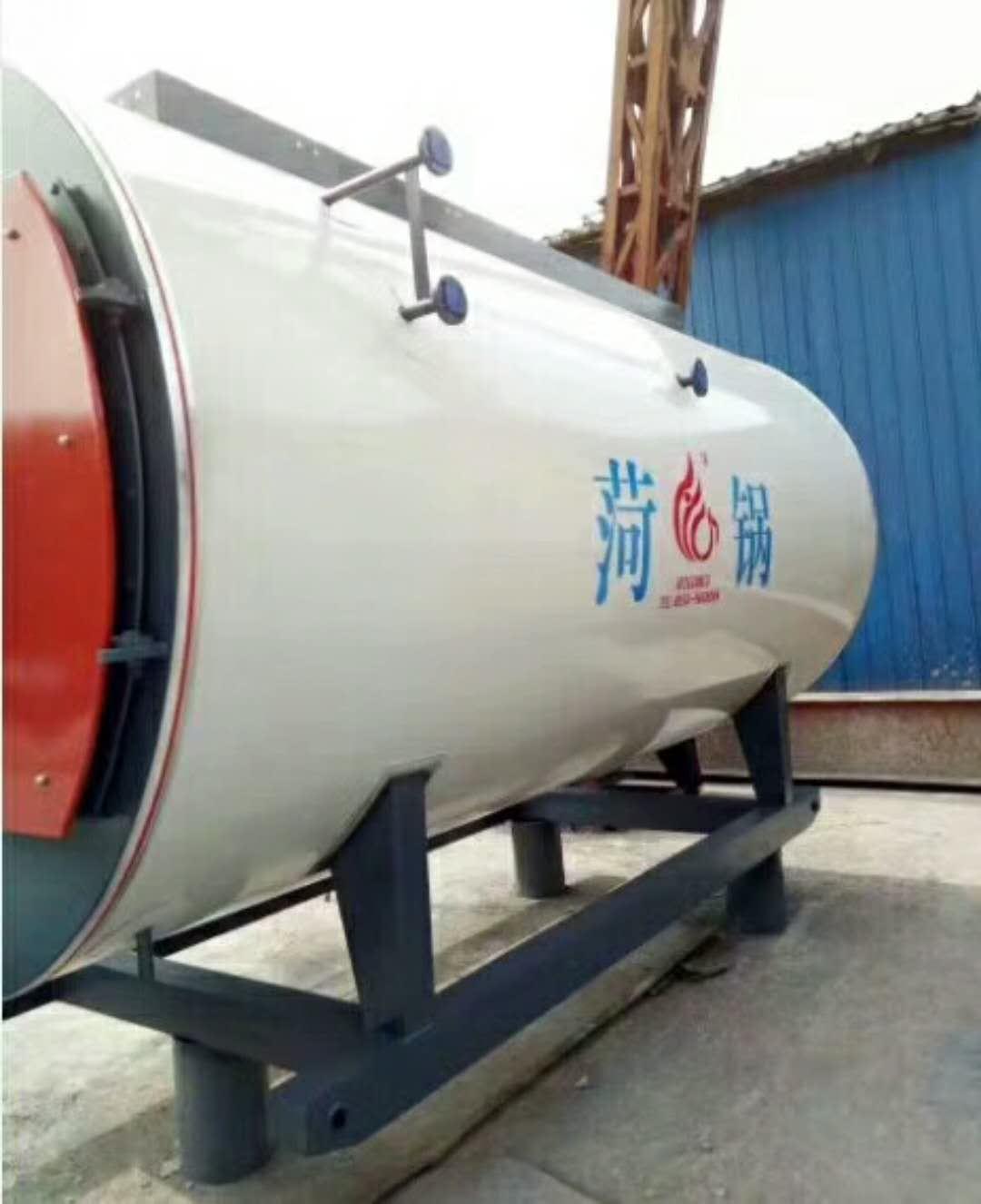
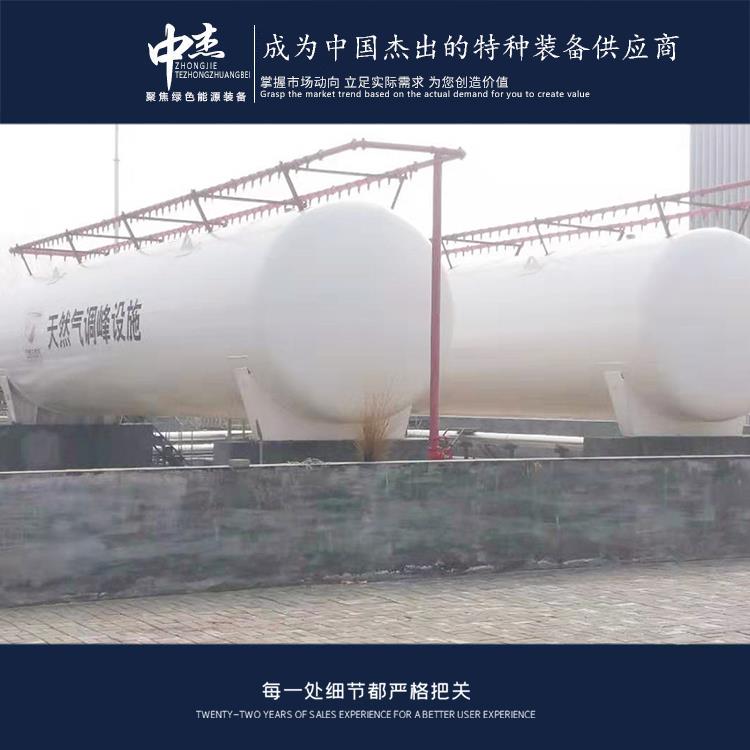
Shandong Zhongjie Special Equipment Co., Ltd. (formerly Heze Boiler Factory Co., Ltd.) was established in 2001, located at No. 2218 Jinnan Road, Development Zone, Heze City, with a registered capital of 50 million yuan and total assets of 500 million yuan. The company has 7 business centers: boilers, deep-freeze vessels, pressure vessels, central air conditioning, engineering installation, international trade, and the Internet of Things. It has three manufacturing sites on Jinnan Road, East Changjiang Road, and Bohai Road, covering a total area of 200,000 square meters, with the main workshop spanning 83,000 square meters. It currently employs 710 staff, including 247 engineers and technicians and 82 intermediate-level technicians. In December 2016, it was recognized as a "High-Tech Enterprise" by the Science and Technology Department. In June 2021, it was identified as a "Specialized and New Enterprise in Shandong Province" by the Ministry of Industry and Information Technology. In June 2022, it was recognized as a "Gazelle Enterprise in Shandong Province" and in August 2022, it was identified as a "Specialized and New Small Giant Enterprise" by the Ministry of Industry and Information Technology.
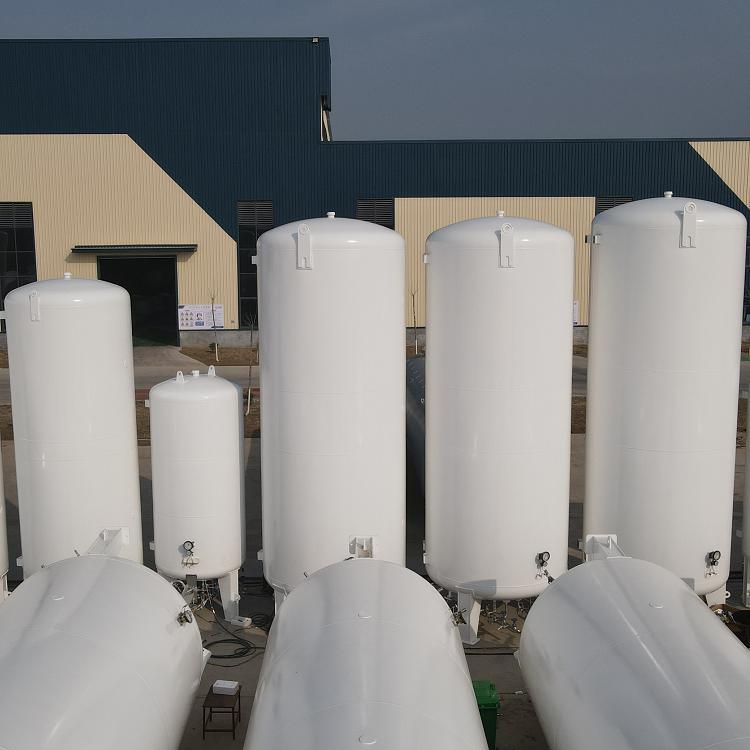
The design requirements for carbon dioxide storage tanks typically include the following aspects: Pressure Vessel Design: Carbon dioxide storage tanks are usually designed as high-pressure vessels capable of withstanding high pressure. The design must comply with relevant standards and regulations, such as Standard GB150 "Steel Pressure Vessels." Material Selection: The choice of materials for the tank should consider the properties of carbon dioxide, such as high pressure, high oxidizing, and corrosive nature. Common materials include carbon steel and stainless steel, with selection based on specific working conditions and requirements. Safety Valve and Pressure Control: The tank should be equipped with a safety valve and pressure control devices to ensure internal pressure remains within a safe range. The safety valve should be selected according to design requirements and should be inspected and tested regularly to ensure proper operation. Insulation Performance: Since carbon dioxide needs to remain in a liquid state at low temperatures, the tank should have good insulation properties to prevent excessive evaporation of liquid carbon dioxide and energy loss. The selection and design of insulation materials and layers should consider working temperatures and environmental conditions. Leak Detection and Alarm: The tank should be equipped with leak detection devices and alarm systems, as well as corresponding monitoring equipment. These devices can detect leaks in a timely manner and trigger alarms, allowing for appropriate measures to be taken. Structural Strength and Stability: The structural design of the tank should have sufficient strength and stability to withstand internal pressure and external loads. The structural design should comply with relevant standards and regulations, such as Standard GB12337 "Design Code for Pressure Vessels." Safe Operation and Maintenance: The design of the tank should consider the ease of safe operation and maintenance, such as the placement of manholes, inspection openings, and drain ports.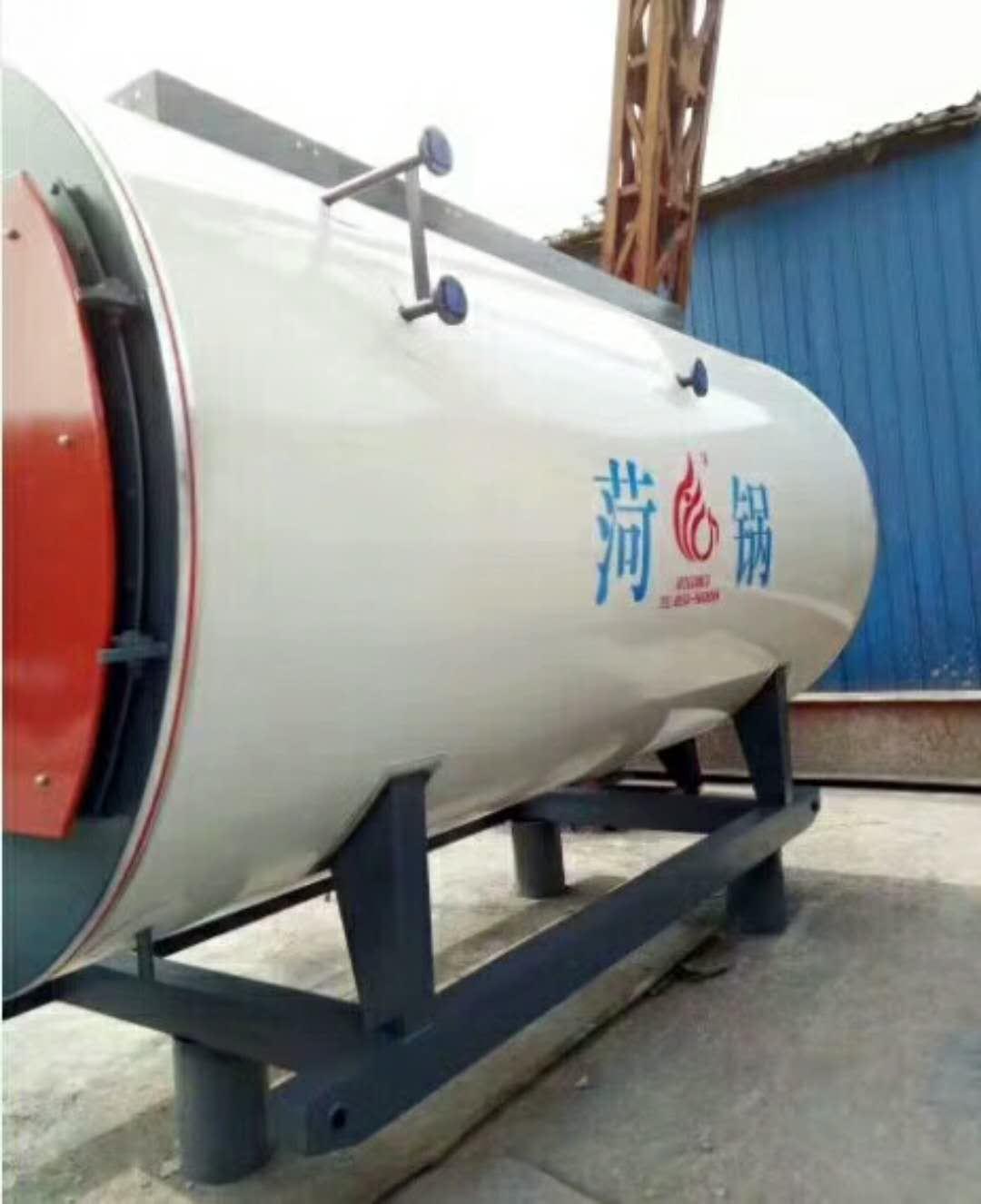
For the maintenance of CO2 storage tanks, here are some recommended methods:
- Regular Inspections: Regularly check the tank's exterior and interior for corrosion, cracks, leaks, and other issues. Use non-destructive testing methods, such as ultrasonic testing, to assess the tank's integrity.
- Cleaning and Corrosion Protection: Regularly clean the tank's exterior to remove dirt and debris. For tanks coated with corrosion-resistant paint, regularly inspect the coating's condition and repair or recoat as needed to protect against corrosion.
- Leak Detection: Conduct regular leak inspections to ensure there are no leaks. Use gas detectors or leak detectors for testing, or perform pressure tests to evaluate the tank's sealing performance.
- Safety Valve Inspection: Regularly check and test the functionality of safety valves to ensure they operate properly under overpressure conditions. Adjust and test according to the specifications and requirements of the safety valves.
- Pipeline and Valve Maintenance: Regularly inspect and maintain the pipelines and valves connected to the tank to ensure proper operation and sealing performance. Clean and lubricate valves, and check for leaks at pipeline connections.
- Record Keeping and Documentation: Document the dates, contents, and results of maintenance, establishing a maintenance record for the tank. Retain relevant documents and reports for future reference and review.
- Note: For the maintenance of CO2 storage tanks, it is recommended to follow relevant safety operating procedures and standards. If you do not have the necessary knowledge and experience, consult personnel or manufacturers for maintenance work.
The quality of carbon dioxide storage tanks is related to several factors:
- Material Quality: The quality of the tank's material directly affects its corrosion resistance, strength, and sealing performance. Common materials include carbon steel and stainless steel. Choosing high-quality materials can enhance the tank's quality and lifespan.
- Manufacturing Process: The manufacturing process significantly impacts the tank's quality. Processes such as welding, heat treatment, and surface treatment during production must meet relevant standards and specifications to ensure structural integrity and performance stability.
- Design Standards: The tank's design must comply with applicable design specifications and standards, such as industry standards. A well-designed tank ensures adequate strength and safety under normal operating conditions.
- Safety Accessories: The tank's safety accessories, like safety valves, pressure sensors, and temperature sensors, play a crucial role in its quality and safety. Selecting high-quality accessories and ensuring proper installation and adjustment can improve the tank's quality and safety.
- Inspection and Testing: Inspections and tests, such as material inspections, weld inspections, and pressure tests, are required during the manufacturing process. These checks ensure the tank meets quality requirements and adheres to safety standards.
- Use and Maintenance: The tank's use and maintenance also impact its quality. Proper use and regular maintenance can extend the tank's lifespan and maintain its optimal working condition.
In summary, the quality of carbon dioxide storage tanks is influenced by factors such as material quality, manufacturing process, design standards, safety accessories, inspections and testing, and use and maintenance. When selecting and using storage tanks, attention should be given to these factors to ensure quality and safety.
The construction features of carbon dioxide storage tanks mainly include the following aspects: Material Selection: Carbon dioxide storage tanks are typically made of carbon steel or stainless steel to ensure their corrosion resistance and pressure-bearing performance. Welding Techniques: The welding technique of the tank is crucial for its quality and safety. The welding process should comply with relevant standards and specifications to ensure the quality and strength of the welds. Corrosion Protection Measures: As carbon dioxide is corrosive, both the internal and external surfaces of the tank should be treated for corrosion resistance. Common corrosion protection measures include applying anti-corrosion paint, coating with a corrosion-resistant layer, or using anti-corrosion coatings. Safety Valves and Pressure Sensors: Tanks should be equipped with safety valves and pressure sensors to monitor and control the internal pressure of the tank, ensuring safe operation. Steps for Proper Installation of Carbon Dioxide Storage Tanks: Site Preparation: Select an appropriate site for installation, ensuring the site is level, stable, and meets safety distance requirements. Clear the site, ensuring there are no obstructions or sources of fire. Foundation Construction: Construct the foundation according to the tank's dimensions and weight. The foundation should have sufficient strength and stability to support the tank's weight and pressure. Tank Installation: Place the tank on the foundation, ensuring there is adequate padding and fastening devices between the tank and the foundation. Connect and secure the tank according to its design requirements. Pipe Connections: Connect the tank to the piping system as needed. Ensure that the connections are sealed properly to prevent leaks. Safety Equipment Installation: Install the necessary safety equipment for the tank, such as safety valves, pressure sensors, temperature sensors, etc. Ensure these facilities are correctly installed and connected.
Shandong Zhongjie Special Equipment, welcome customers for factory talks and collaboration.
Dehong 80 cubic meter CO2 storage tank, made of 304 stainless steel
