


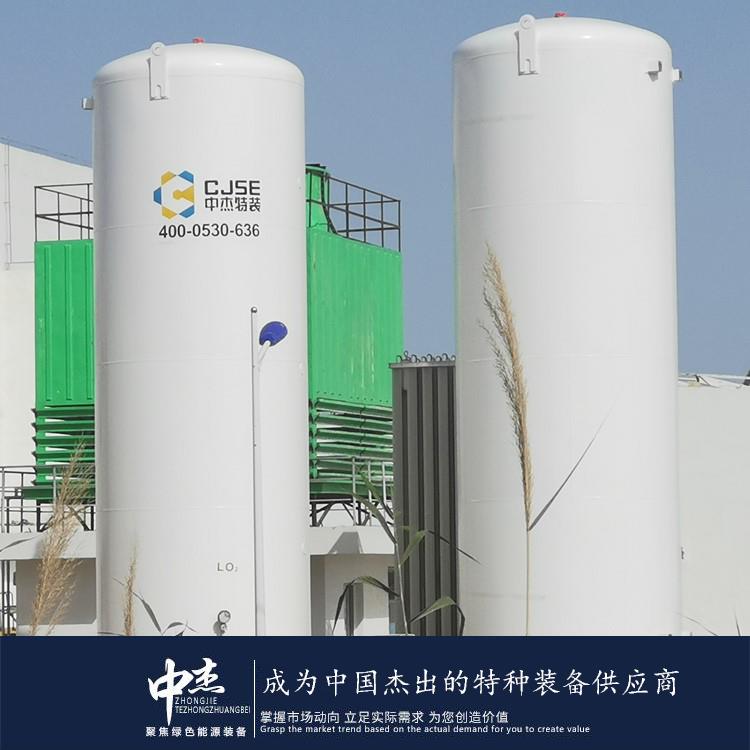
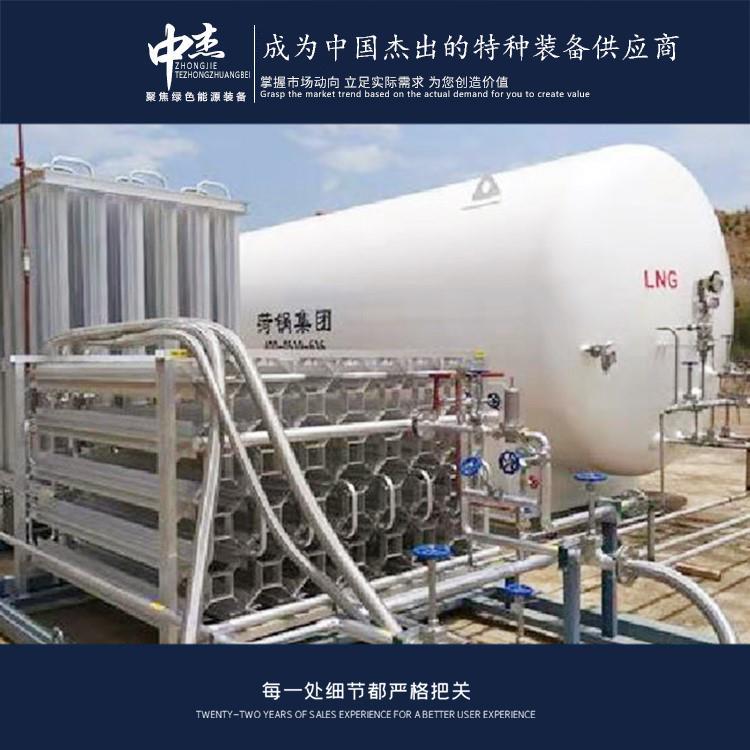
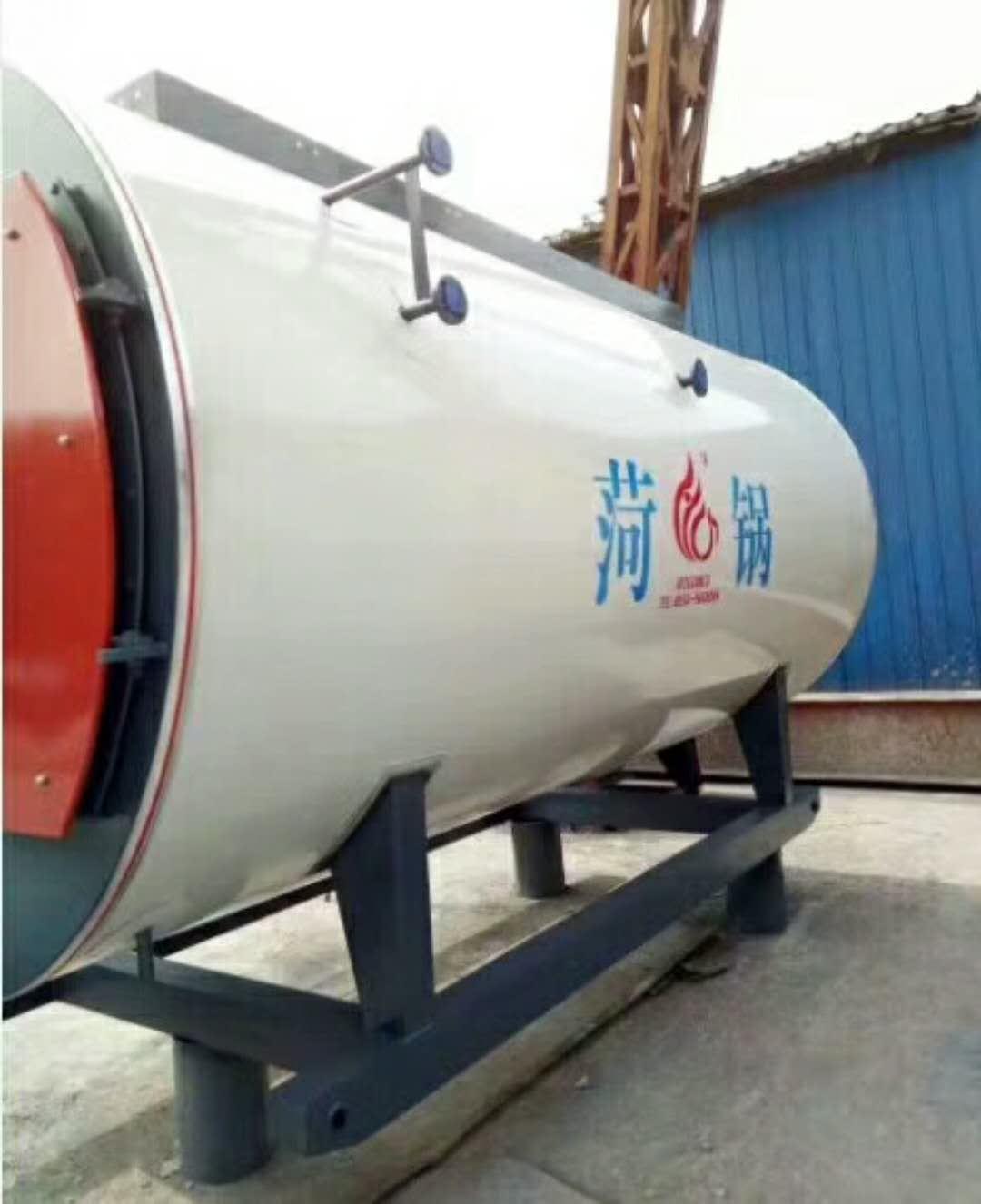
Shandong Zhongjie Special Equipment's main products include: fuel (gas) boilers, organic heat carrier boilers, biomass boilers, waste heat boilers, and other boiler products; vacuum insulation deep cooling pressure vessels such as LNG tanks, oxygen/nitrogen/argon tanks, and CO2 tanks; pressure vessel products such as denitrification engineering equipment, heat storage and energy storage equipment, and complete chemical equipment; central air conditioning and HVAC equipment such as ground (water) source heat pumps, air source units, water-cooled screw units, and air-cooled modular units. Planned products include large-scale energy centers, LNG transport vehicles, LNG tank containers, and other green energy equipment.
During the operation of low-temperature storage tanks, it is indeed necessary to avoid the occurrence of wrinkling. Wrinkling refers to the phenomenon where the tank walls develop creases or deformations, which can lead to a decrease in the structural integrity of the tank and potentially cause leaks or ruptures.
Here are some precautions to avoid squeezing in low-temperature storage tanks:
Tank Design: Select an appropriate tank design to ensure it can withstand the pressure and weight of low-temperature liquids. The tank's wall thickness, support structure, etc., should comply with relevant standards and regulations.
Material Selection: Choose materials suitable for low-temperature environments, with sufficient strength and low-temperature resistance. Common materials include low-temperature steel, stainless steel, etc.
Insulation Layer for Storage Tanks: The design and construction of the insulation layer must meet the requirements to ensure effective reduction of heat conduction and temperature variation. The materials and thickness of the insulation layer should be selected based on specific conditions.
Tank Operation: Avoid rapid or excessive fluid flow during the loading and unloading process to minimize impact and stress concentration on the tank walls.
Tank Maintenance: Regularly inspect and maintain the structure and insulation of the tanks to ensure they remain undamaged. Any abnormalities or damage should be repaired or replaced promptly.
Temperature Control: During the operation of low-temperature liquid storage tanks, it is essential to strictly control the temperature difference between the inside and outside of the tank to avoid excessive temperature changes and thermal stress.
In summary, preventing deformation in low-temperature storage tanks hinges on rational design, material selection, proper installation and maintenance of insulation, and strict control over temperature variations. Regular inspections and maintenance are also crucial for ensuring safe operation of the tanks.
The reasons for the peak popularity of low-temperature liquid storage tanks in recent years are as follows:
Rising Demand: With the development of industries such as manufacturing and scientific research, the demand for low-temperature liquids is continuously increasing. Low-temperature liquid storage tanks can effectively store and supply liquid oxygen, liquid nitrogen, and other low-temperature liquids, meeting the needs of various fields.
Technical Advancements: In recent years, the manufacturing and material technologies for low-temperature liquid storage tanks have seen continuous improvements and innovations. The application of new insulating materials, advanced refrigeration systems, and safety control devices has enhanced the performance and safety of the tanks, making them more reliable and secure.
Increased environmental awareness: Low-temperature liquid storage tanks enable effective storage and utilization of low-temperature liquids, reducing energy waste and environmental pollution. In the context of enhanced environmental awareness, low-temperature liquid storage tanks, as environmentally friendly and energy-saving equipment, have garnered more attention and applications.
Emerging Application Fields: There is an increasing demand for cryogenic liquid storage tanks in emerging application fields. For instance, the application of liquid nitrogen in frozen food, biopharmaceuticals, and semiconductor manufacturing is becoming more widespread, which has propelled the development of cryogenic liquid storage tanks.
Policy Support: The government has provided support and encouragement for the development of low-temperature liquid storage tanks. Through policy guidance and financial support, the industry has been promoted and expanded.
In summary, the peak popularity of low-temperature liquid storage tanks in recent years is mainly due to increasing demand, technological advancements, enhanced environmental awareness, the development of new application areas, and policy support. These factors collectively drive the rapid growth of the low-temperature liquid storage tank industry.
When selecting a liquid oxygen storage tank with a medical oxygen concentrator, consider the following factors:
Requirement: First, determine the oxygen demand of the institution or individual. Select the appropriate oxygen concentrator model and specification based on the required oxygen flow rate and pressure.
Safety and Reliability: Ensure the selected oxygen concentrator offers high safety and reliability. Choose products that comply with relevant standards and specifications, featuring safety functions like over-pressure protection, leakage protection, and overload protection.
Ease of operation: Choose an oxygenator that is simple and user-friendly to operate. Consider the methods for adjusting oxygen flow and concentration, as well as the clarity and readability of the operational interface.
Quality and Reputation: Choose an oxygen concentrator with excellent quality and reliability. Refer to customer reviews, word-of-mouth, and institutional recommendations to select the product.
Maintenance & After-Sales Service: Familiarize yourself with the maintenance requirements and after-sales support for oxygenators. Ensure timely access to repairs and technical assistance to guarantee the smooth operation and maintenance of the oxygenators.
Cost-Effective: Select a product with a favorable price-performance ratio, considering the oxygenator's price, performance, and features. Choose an oxygenator that suits your actual needs and budget.
Be mindful to adhere to the relevant equipment procurement regulations and standards when selecting a liquid oxygen tank with a medical oxygen concentrator. It is advisable to consult with equipment suppliers or relevant institutions to ensure the chosen concentrator meets your needs and safety requirements.
Determining the design pressure and calculated pressure for a liquid oxygen storage tank requires considering the following factors:
Design Pressure: Design pressure refers to the maximum pressure a tank can withstand under normal operating conditions. When determining the design pressure, factors such as the working pressure range of liquid oxygen, the material strength of the tank, and safety factors must be considered. Generally, the design pressure should be slightly higher than the high working pressure of liquid oxygen to ensure the tank's safety and reliability within the normal operating range.
Calculated Pressure: The calculated pressure refers to the actual working pressure of the tank under its design pressure. It is determined by factors such as the characteristics of liquid oxygen, the geometric shape of the tank, and material strength. The calculated pressure should consider factors like the expansion coefficient of liquid oxygen, temperature changes, and pressure fluctuations to ensure the safety and stability of the tank under actual operating conditions.
Determining the design and calculation pressures of liquid oxygen storage tanks typically requires reference to relevant standards and specifications, such as Standard GB150 "Steel Pressure Vessels" and GB18442 "Technical Conditions for Storage Tanks of Liquid Oxygen, Liquid Nitrogen, and Liquid Argon." These standards and specifications provide detailed design and calculation methods to ensure the safety and reliability of the tanks.
In practical applications, the design pressure and calculated pressure of liquid oxygen storage tanks should be calculated and determined by pressure vessel designers. They will consider various factors such as specific engineering requirements, tank dimensions, and materials to ensure the tank's design and use comply with relevant safety standards and regulations.
Our company attaches great importance to technological innovation and R&D design, boasting 1 municipal-level enterprise technology center in Heze City. We have established testing facilities for non-destructive testing, physical and chemical testing, welding testing, hydrostatic testing, etc., and are equipped with over 600 types of equipment including CNC machine tools, X-ray flaw detectors, digital ultrasonic flaw detectors, mechanical property testing machines, chemical analyzers, spectrometers, tensile testing machines, plasma welding machines, and more. The key products we have developed, such as temperature and pressure vessel welding, biomass boiler emission reduction, and waste heat recovery, have successively been included in multiple Shandong Provincial Department of Industry and Information Technology scientific and technological innovation projects, key provincial projects, and Heze City innovative excellence projects. We have cumulatively obtained 27 authorized utility models, 16 authorized inventions, participated in drafting 2 standards, 2 industry standards, and registered 15 trademarks. Our technical team, in collaboration with Professor Yajiang Li of Shandong University, has developed deep cryogenic container processing technology using the international plasma arc + filler wire tungsten inert gas (PAW-GTAW) technology, which has been appraised as an internationally competitive level in the field of deep cryogenic container manufacturing by the provincial scientific and technological achievement evaluation authority. Choose Zhongjie Special Equipment, let's join hands to create brilliance!
Luzhou Nitrogen Storage Tank - High Cost-Performance Ratio
