


How much do you know about the basics of stainless steel LNG tanks?

Stainless steel LNG tanks are made of tempered material, boasting strong resistance to acids and alkalis. They are designed to meet the demands of various external environmental impacts and are highly favored by customers. Popular in both daily life and social settings, these tanks are primarily composed of natural gas pretreatment, liquefaction processes, storage procedures, control systems, and fire protection systems. They avoid the drawbacks of outdated tanks and represent a new, satisfying product.
Stainless steel LNG tanks are primarily containers for storing liquefied natural gas, mainly used in household kitchens, automotive fuel, and chemical plants. These tanks come in various sizes for convenience, allowing users to choose according to their specific needs. Generally, tanks ranging from 5 to 50 cubic meters are suitable for residential use or gas stations. Tanks from 50 to 100 cubic meters are commonly used in satellite liquefaction units and large-scale industrial applications. These LNG tanks possess different characteristics that cater to installations in various regions, greatly enhancing our daily lives.
Insulation methods for the protective structure of LNG tanks
1. The true central powder insulation method for LNG tanks involves evacuating the sandwiched layer of the LNG tank, filling it with powder (talcum powder), commonly used in small LNG tanks. Vacuum powder insulation tanks are favored due to their production technology being similar to that of liquid nitrogen and liquid oxygen tanks, resulting in a mature manufacturing technique among domestic producers. Since the operation and maintenance of LNG tanks are relatively convenient and flexible, they are widely used. The majority of large-scale LNG gasification stations in China commonly employ 50m3 and 100m3 cylindrical double-metal vacuum powder LNG tanks. Currently, the largest size available is 200m3, but due to their large volume, transportation is challenging, and they are generally less commonly used. Vacuum powder insulation tanks are also available in spherical designs, but their application range is typically 200-1500m3, and the on-site installation of spherical tanks is quite difficult.
2. Positive Pressure Insulation Accumulation
Insulated with thermal materials, the sandwich structure is nitrogen-permeable, featuring a thicker insulation layer, widely used in large and medium-sized LNG storage tanks and containers. Typically, these are vertical LNG mother-child storage tanks.
3. High-vacuum multi-layer thermal insulation.
High-vacuum multi-layer insulated, commonly used in tank trucks. The cylindrical double-metal vacuum powder LNG storage tanks are commonly used in domestic LNG gasification stations. Considering that vertical tanks save space and have a larger static head of LNG, which is beneficial to the operation of the self-increaser, vertical double-metal vacuum powder LNG storage tanks are adopted. The LNG storage capacity of this station is not large, but the cooling performance requirements are high, so high-vacuum multi-layer insulated storage tanks are selected. Based on the LNG storage capacity and considering the ease of transport for skid-mounted equipment, a horizontal storage tank with a capacity of 50m³ is chosen for LNG transfer. The LNG storage tank is equipped with one level gauge, differential pressure transmitter, pressure transmitter, temperature transmitter, and pressure gauge to provide on-site indication and remote control of LNG level, temperature, and pressure inside the tank. Safety explosion-proof devices are installed at the top of the tank, and an interlayer extraction port and temperature testing port are set at the bottom. The design pressure of the inner tank is determined to be 1.2MPa and the outer tank to be -0.1MPa, based on the working pressure of the system and considering cost-effectiveness.
Safety Precautions for LNG Tanks
1. Safe Operation of LNG Tanks - To prevent overtemperature and overpressure phenomena in LNG tanks, the usage pressure and temperature should be controlled. The causes of overtemperature and overpressure in LNG tanks include the following:
(1) Operational Errors - To prevent operational errors, labels should be hung on critical operation devices. The labels should clearly indicate the opening and closing directions of valves, their open/closed states, and precautions, etc.
(2) Overfilling of Liquefied Gases Preventive measures against overfilling include: strictly filling according to the specified storage capacity; upon discovering overfilling, immediately attempt to remove the excess; all instruments used for filling must be regularly inspected; the level gauge should be flushed regularly; if there is any residual liquid inside the container, it should be included in the filling quantity; the weight should not be ignored; and when the surrounding temperature rises, spray cooling should be conducted.
2. Maintenance and care of LNG tanks:
1. Cylinders must be stored in well-ventilated areas and kept at a distance of at least 1.5 meters from any flame or heat source. Do not use fire to heat, scald with boiling water, or expose to direct sunlight. Regularly inspect the cylinder valves and pipeline joints for leaks, ensuring no gas escapes. Typically, use soap water to check for leaks; under no circumstances use an open flame for leak testing.
LNG储罐厂家
Low-temperature Storage Tanks, Liquid Oxygen Storage Tanks, LNG Storage Tanks, Liquid Nitrogen Storage Tanks, Carbon Dioxide Storage Tanks, Cryogenic Tanks, Liquid Oxygen Vessels, LNG Vessels, Pressure Vessels, LNG Filling Station Equipment
Product Features: Well-designed, high safety performance, easy to operate and maintain. The design phase thoroughly considers equipment safety, while also aiming to reduce manufacturing costs, saving users' money.
Application Range: Suitable for industrial gas stations, LNG fueling stations, LNG gasification stations, centralized gas supply for gas boilers, and centralized gas supply equipment for enterprises. Custom manufacturing available upon customer requirements.
LNG Tank Operation and Maintenance Procedures
I. LNG Unloading Procedure
Note: (Example: 1# LNG Storage Tank Inlet)
1. Check if the pressure gauges, level gauges, thermometers, flammable gas detectors, and safety valves at the LNG tanker unloading platform and within the 1# LNG storage tank area are operating normally.
Check if valves C-8, G1-5, G1-11, G1-13, G1-15, B-1, and B-2 are in the open position, and if valves G1-8, C-1, C-2, C-3, C-4, C-5, C-6, and C-7 are closed. Inspect that the bolts securing the根部 valve of the LNG tank are tight and the flange interfaces are intact. Tighten immediately if loose.
3. Prior to entering the station, the LNG tank truck must raise the static electricity grounding wire. After entering, the speed of the LNG tank truck must not exceed 5 kilometers per hour, and it must park at the designated location, turn off the engine, remove the car key, pull up the handbrake, close the doors securely, place the wooden blocks, and connect the static electricity grounding wire. Install the LNG tank truck loading and unloading hoses: one: Connect the LNG tank truck (Xinjiang Guanghui) self-pressurized liquid phase outlet to the liquefier's liquid phase inlet; connect the LNG tank truck self-pressurized gas phase inlet to the liquefier's gas phase outlet; connect the LNG tank truck liquid phase outlet to the LNG pipeline. Two: Connect the lower in/out liquid ports of the LNG tank truck (XinAo Anruike) to the LNG pipeline, and connect the gas phase pipeline to the BOG pipeline.
4. The pressure of LNG tank trucks should be maintained between 0.55-0.7 MPa. When the pressure of the LNG tank truck falls below 0.55 MPa, the self-pressurization system of the LNG tank truck or the vaporizer on the unloading platform should be activated to increase the pressure.
5. Open valve G1-8 to pre-cool the incoming liquid pipeline using LNG from the storage tank.
6. After pre-cooling is complete, open valve C-2 and the LNG tanker's liquid outlet valve, and fill the LNG storage tank with LNG by simultaneously introducing liquid from both the bottom and top. The opening of valve C-2 is determined on-site based on the filling speed of Tank No. 1.
7. When the pressure difference between the LNG tank truck and the LNG storage tank is less than 0.1 MPa, open valve G1-14 to depressurize the LNG storage tank, or activate the LNG tank truck's self-pressurization system or the degasifier on the unloading platform to increase the pressure on the LNG tank truck, maintaining a pressure difference of 0.2 MPa between the LNG tank truck and the LNG storage tank is advisable. During the depressurization process of the LNG storage tank, the pressure after the pressure regulator should be strictly controlled and should not exceed the cutoff pressure of the regulator.
8. Upon confirmation that the LNG in the LNG tanker is unloaded, close valve C-2 and open valve C-3 to depressurize. When the LNG tanker is connected to the city gas supply...
Product Description
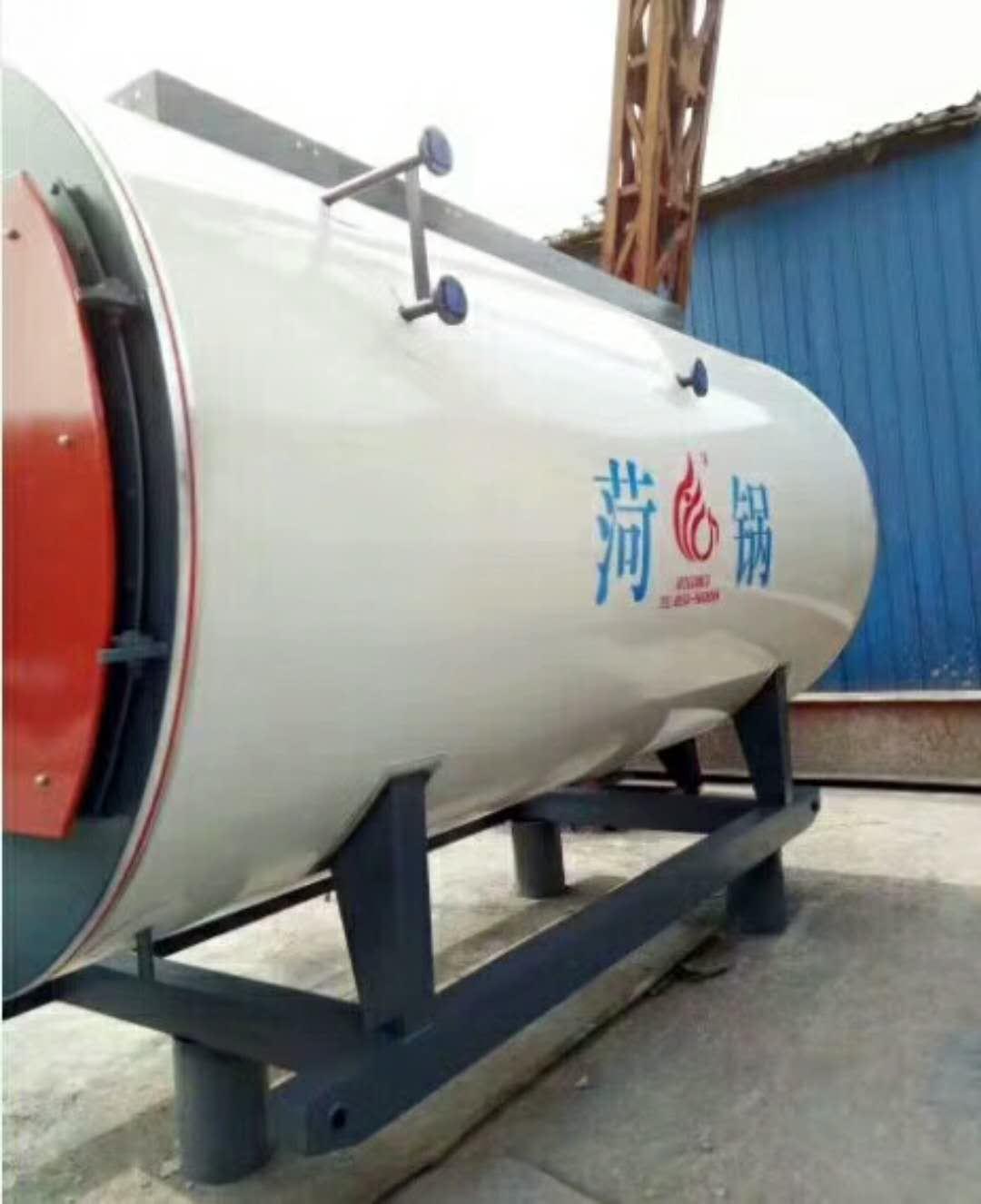
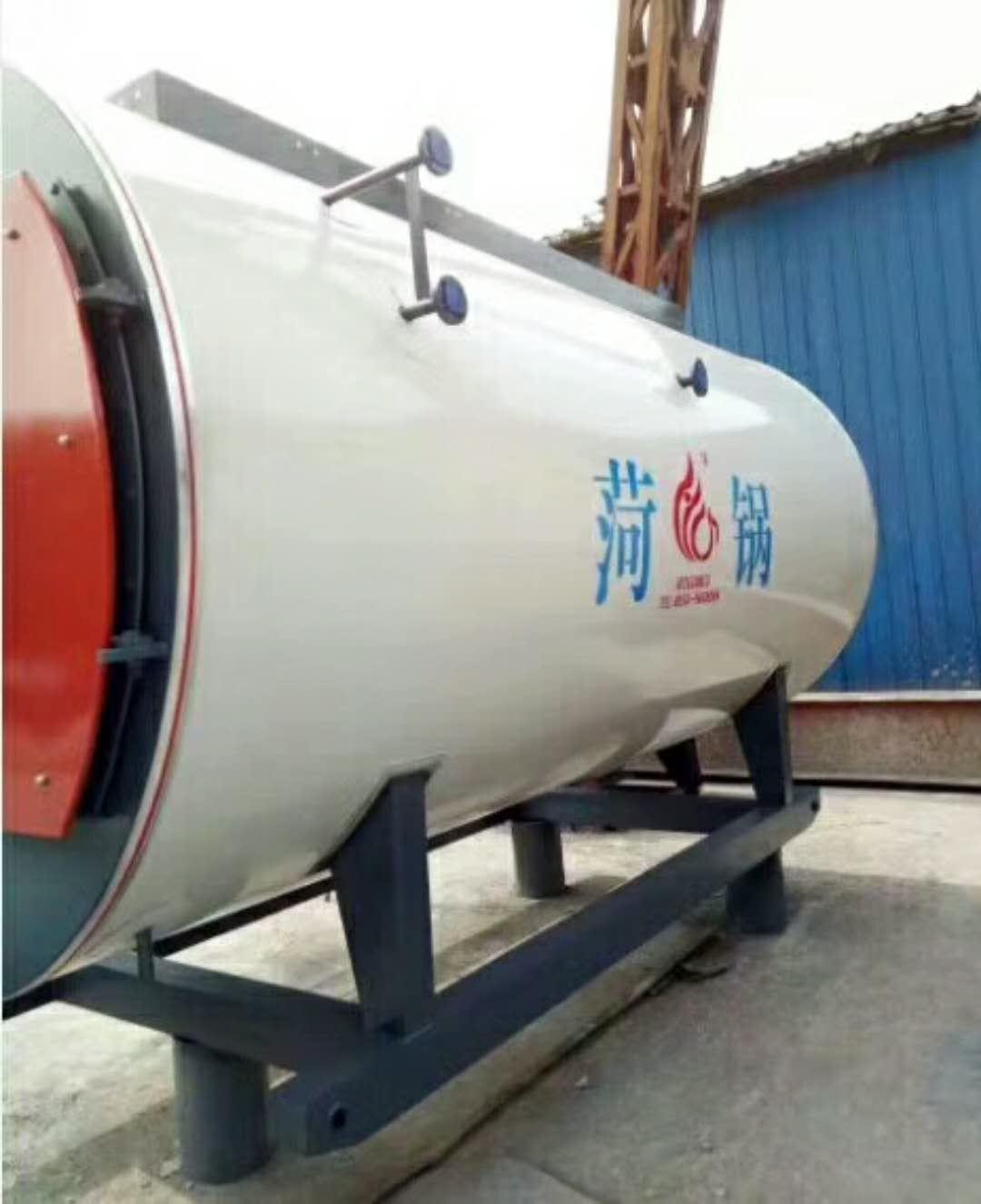
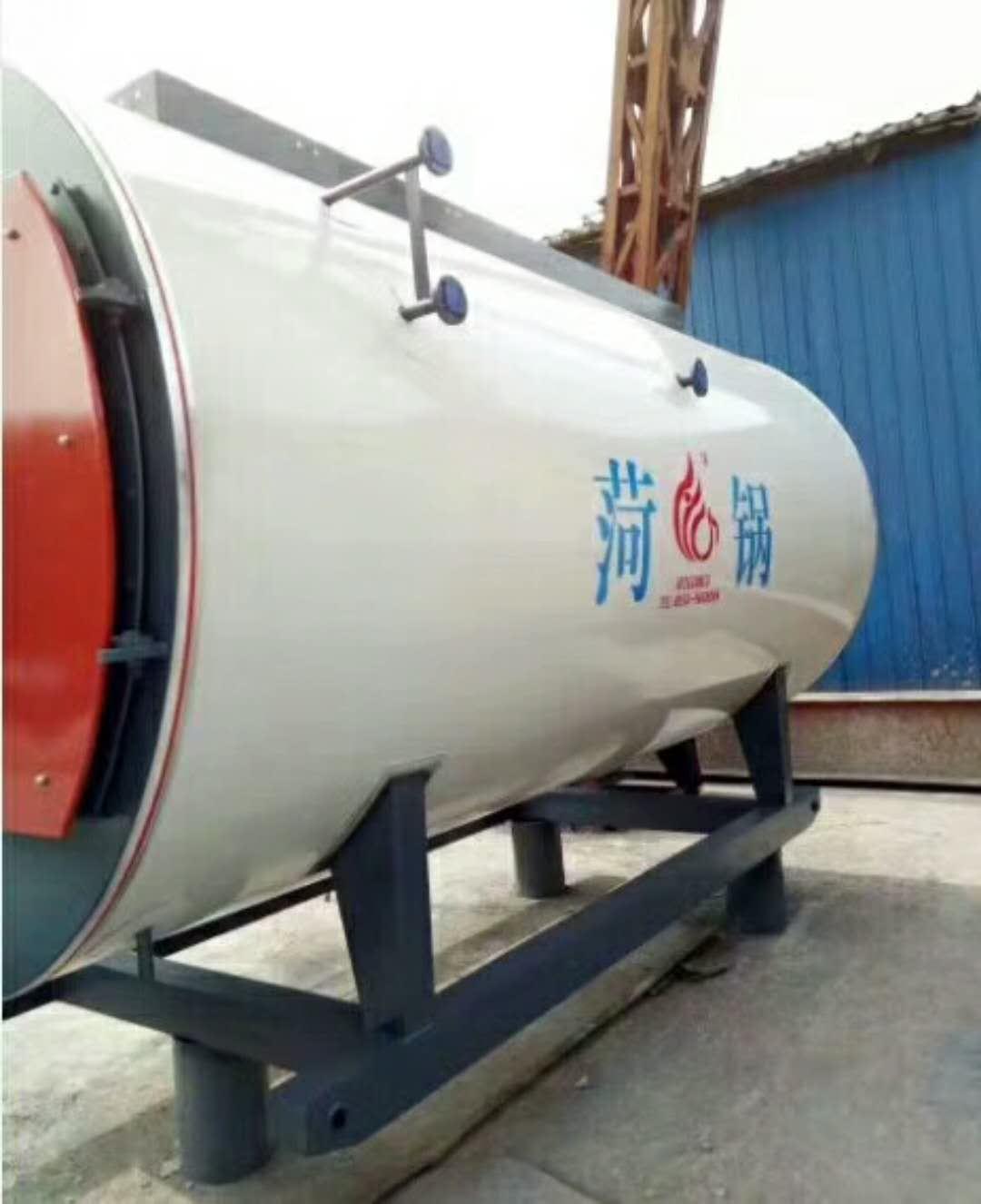
Brand Huoguo Group Model CFW-60/0.8
Material: Stainless Steel, Diameter: 2916mm
Application Range: -162℃; Volume: 60,000L
Heat Exchange Area - See drawing m², Ambient Temperature - See drawing °C
Wall Thickness: 8mm, Outer Dimensions: φ2916*14929mm
Origin: Shandong Heze
Jiangxi 60 cubic meter LNG tank, Hunan 100 cubic meter natural gas tank, 30 cubic meter LNG tank price
1.2 Pre-Regulation Work Preparation
1.2.1 Tool Preparation: Explosion-proof adjustable wrenches, two pairs of gloves, and two sets of protective gear.
1.2.2 Work Preparation
Wear personal protective equipment, including antistatic suits, static-free shoes, safety helmets, etc.
Ensure that devices prone to static electricity, such as mobile phones and computers, are placed in a safe area. Check if the surrounding environment is safe and meets the working conditions.
Before entering, touch both hands to the static discharge device to release static electricity.
Inspect if the explosion-proof wrenches and other pressure regulating tools are fully equipped.
Inspect the tank's pressure gauge, level gauge, thermometer, flammable gas detector, and safety valve to ensure they are operating normally.
Inspect pipeline valves, pressure gauges, and safety valves to ensure they are in normal working condition.
(7) Prepare all explosion-proof tools
1.2.3 LNG Storage Tank Gas Supply Process:
All valves on the tanks to be pressurized, excluding the root valve and the emergency shutdown valve, are in the closed position.
Open the lower tank inlet valve and the pressure boosting liquid and vapor phase valves, and check that both valves of the pressure boosting vaporizer are in the open position.
Open the low-temperature cutoff valve before the gasifier, the ambient temperature flanged ball valve after the gasifier, and all valves in the pressure regulation system that need to be opened.
When the gas supply rate is less than 1000-2000 Nm3/h, one storage tank is sufficient to meet the gas supply requirements.
5. Flow rate:
5.1 When the tank pressure rises above 0.15 MPa higher than the discharge pressure, slowly open the liquid outlet valve to commence the gas supply operation.
5.2 Record the liquid storage tank number and the start of gas supply time.
5.3 Pay close attention to the liquid level, pressure changes, and flow and pressure variations at the outlet of the storage tank during gas supply.
1.2.4 Self-pressurizing Operation Procedure for LNG Tanks
During manual operation, open the valves: the boost liquid-phase valve, the boost gas-phase bypass valve, and the vaporizer inlet valve, allowing LNG to flow directly into the self-boosting vaporizer, where it is vaporized and then enters the LNG storage tank. At this point, closely monitor the pressure; close the boost liquid-phase valve when the pressure in the LNG storage tank reaches the desired level.
Cautionary Notes:
During the operation of the LNG storage tank, the liquid level must be maintained at ≤90% for the upper limit and ≥15% for the lower limit. (2) When manually operating the self-pressurization system, it is strictly prohibited to leave the site unattended.
(3) When the self-pressurization system is in operation, the pressure-reduction system should be in the off state.
Cautionary Notes:
During operation, the LNG tank must maintain a liquid level of ≥15%.
(2) During manual operation, the site must be strictly supervised and no one is allowed to leave.
1.2.5 Risk Analysis and Countermeasures
During LNG tanker loading and unloading, operators should wear face masks, antistatic work clothes, and antifreeze gloves, etc.
During LNG tanker unloading, it is strictly prohibited to move the vehicle to prevent the pipeline from being torn off, which could lead to a large amount of LNG leakage.
When LNG is inside the pipeline, both ends' valves cannot be closed simultaneously.
Keep hands and feet off low-temperature pipelines and equipment.
Under no circumstances shall moisture, oil, mechanical impurities, etc., enter the pipeline to avoid blockages.
No striking, roasting with fire, or spraying water on the frozen parts.
To ensure the safety of the working environment, operators must wear protective gear properly. Static electricity from the human body must be neutralized before entering the station. Open flames are strictly prohibited within the station's operational area, as well as the use of non-explosion-proof tools and electronic devices.
Strictly adhere to the operation ticket system, follow the steps outlined in the operation ticket, and require at least two on-site operators: one to perform and one to supervise, ensuring operation safety.
Conduct safety training prior to operation, implement on-site safety precautions effectively, and be aware of how to evacuate and control emergencies in case of danger.
1.2.6 LNG Tank Maintenance and Care Procedure
Operation technicians at Liquefied Natural Gas (LNG) stations must be familiar with the structure and principles of the storage tanks, and strictly follow the operational procedures for LNG-related activities.
LNG operation technicians must be familiar with the performance and principles of storage tank accessories (pressure gauges, level gauges, temperature gauges, vacuum gauge valves).
The outer shell of the Liquefied Natural Gas (LNG) storage tank is an external pressure vacuum vessel, and welding operations are strictly prohibited under negative pressure. 4. Conduct regular inspections of the outer shell of the storage tank to observe for any signs of icing or frost formation. Upon discovery of icing or frost, promptly report to the on-duty supervisor and station master. The on-duty supervisor or station master should immediately contact the manufacturer to investigate the cause and take immediate action. During the process, closely monitor any changes in the icing or frost. If there is a tendency for the incident to escalate, immediately proceed with tank emptying or stop the filling operation, and close the relevant emergency shutdown valves at the inlets and outlets.
Regularly inspect the storage tank's connecting pipes and valves, observe for any frost formation, and report any issues to the on-duty supervisor immediately. The supervisor will then arrange for personnel to address the situation.
Regularly inspect the pressure gauge, level gauge, and thermometer of the storage tank to observe if the displayed values are normal. 7. Regularly check the sealing performance and operation of the valves connected to ensure proper functioning.
Regularly inspect safety valves, pressure gauges, level indicators, and thermometers according to regulations, ensuring proper operation and timely updating of the equipment inventory.
Regularly carry out anti-corrosion treatment on the exterior shell of storage tanks and perform visual cleaning and maintenance on the pressure gauges, level gauges, and thermometers of the tanks.
Regularly perform rust removal and anti-corrosion treatment on the easy-to-rust areas of storage tanks, such as pressure and level control instruments' three-way valves.
11. Perform annual or on-site operation-based vacuum level inspections for the tanks to understand their operational status.

Jiangxi 60-cubic-meter LNG Storage Tank, Hunan 100-cubic-meter Natural Gas Storage Tank, 30-cubic-meter LNG Storage Tank Price


专业生产液化天然气储罐价格-优质液化天然气储罐制作-山东菏泽锅炉厂液化天然气储罐质优价廉-液化天然气储罐厂家
