


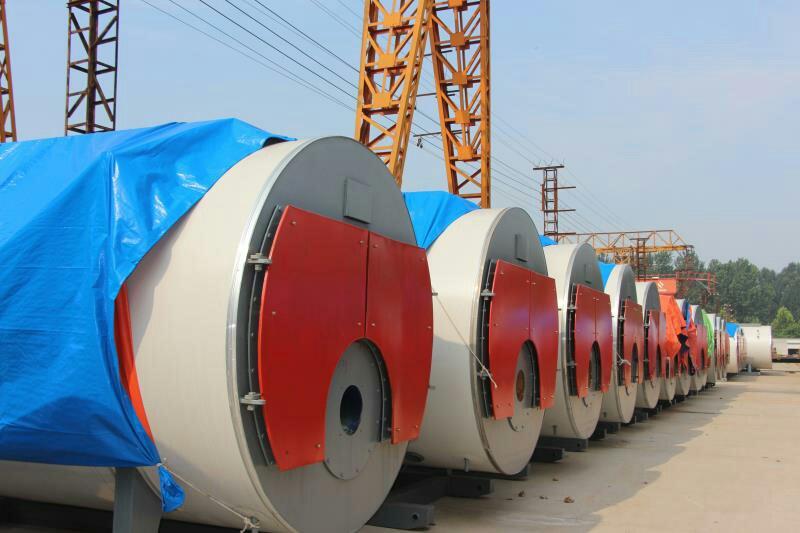
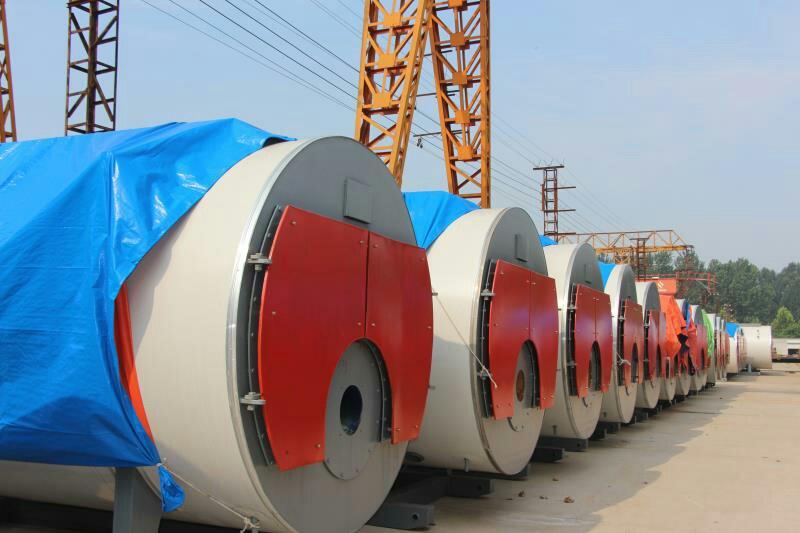
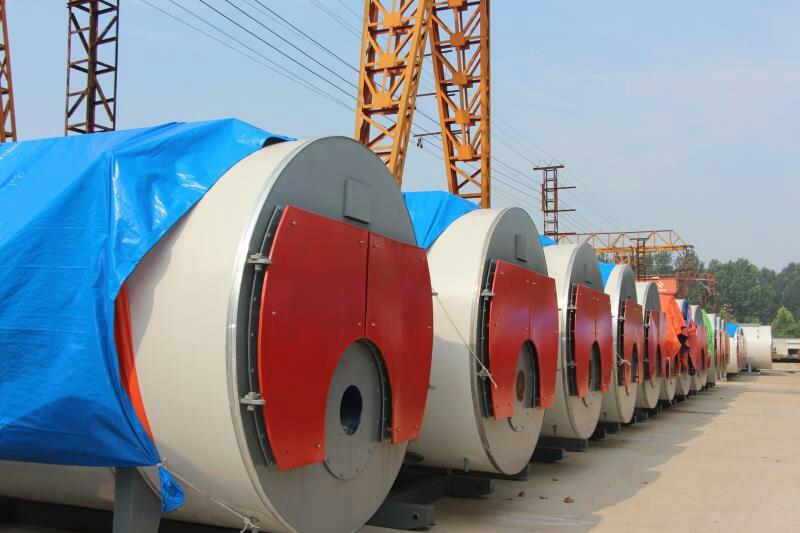
Product Description
Brand Huoguo Group Model CFW-60/0.8
Material: Stainless Steel, Diameter: 2916mm
Application Range: -162℃; Volume: 60,000L
Wall thickness: 8mm; Outer dimensions: φ2916*14929mm
Origin: Shandong Heze

Heze LNG Storage Tank, Low-Temperature Oxygen/Nitrogen/Argon Carbon Dioxide Storage Tank, 60 Cubic Meters LNG Tank
Low-temperature LNG tanks are high-vacuum insulated stainless steel pressure vessels designed for the storage, transportation, and use of liquid natural gas. These containers are manufactured in accordance with GB18442 standards and are used for reliable and cost-effective transportation and storage of cryogenic liquids, as well as for on-site storage and supply of liquid gases across a wide range of applications.
With the development of low-temperature liquid storage and transportation, the insulation technology of low-temperature containers is becoming increasingly sophisticated. To maintain the storage and transportation of low-temperature liquids, as well as the temperature for low-temperature refrigeration, insulation measures must be taken in low-temperature environments. It is only under insulating conditions that low temperatures can be maintained. Insulation can reduce vaporization losses, or create conditions for the long-distance and long-duration transportation of low-temperature liquids.
Low-temperature insulation methods can be divided into two main categories: ordinary insulation and vacuum insulation.
(1) Common insulation is an older, traditional insulation method that involves applying solid, porous insulation materials to the exterior of equipment, containers, and pipes. The voids in the insulation are filled with air or other gases under atmospheric pressure.
(2) There are three basic types of vacuum insulation: high vacuum insulation, vacuum powder insulation, and vacuum multilayer insulation.
Principles of Pressure Increase and Decrease in LNG Tanks
Boost Pressure:
With the use of LNG, the liquid level in the tank continuously decreases as the gas phase space expands, causing the tank pressure to drop continuously. The flow rate of LNG gradually slows down until it stops. Therefore, during normal operation, it is necessary to continuously replenish the tank with gas to maintain the pressure within a certain range. This process is called pressurization. As shown in the diagram, the tank pressurization is achieved by an automatic pressurization system consisting of an automatic pressure regulator and a small air-temperature gasifier. When the tank pressure falls below the set value of the automatic pressurizer, the regulator opens, and the liquid in the tank flows slowly into the pressurization gasifier due to the difference in liquid level, the gasification of the liquid produces gas that flows through the regulator and the gas phase pipe to replenish the tank. The continuous replenishment of gas raises the tank pressure, and when it exceeds the set value of the regulator, the regulator closes. At this point, the pressure in the pressurization gasifier will prevent further liquid inflow, and the pressurization process is complete.
Pressure Relief: (Overpressure Protection)
LNG can slowly evaporate during storage due to heat loss from the storage tank's environment, gradually increasing the tank's pressure and ultimately posing a safety risk. Therefore, it's necessary to control the pressure limit by releasing the gas inside the tank. This is done by installing a regulator on the gas phase pipeline of the storage tank. When the tank's pressure rises to a set value, the pressure relief valve slowly opens to release the tank's gas. Once the pressure drops below the set value, the automatic regulator closes. It should be noted that the regulator referred to here is not the commonly used gas regulator. Standard regulators rely on the action of the pressure control valve at the outlet end, while this type of regulator relies on the action of the pressure control valve at the inlet end, similar to our commonly used vent valves. Additionally, it must withstand low temperatures. The released gas is generally not released into the atmosphere; instead, subsequent processes will recover and utilize it. This portion of the gas is abbreviated as BOG.
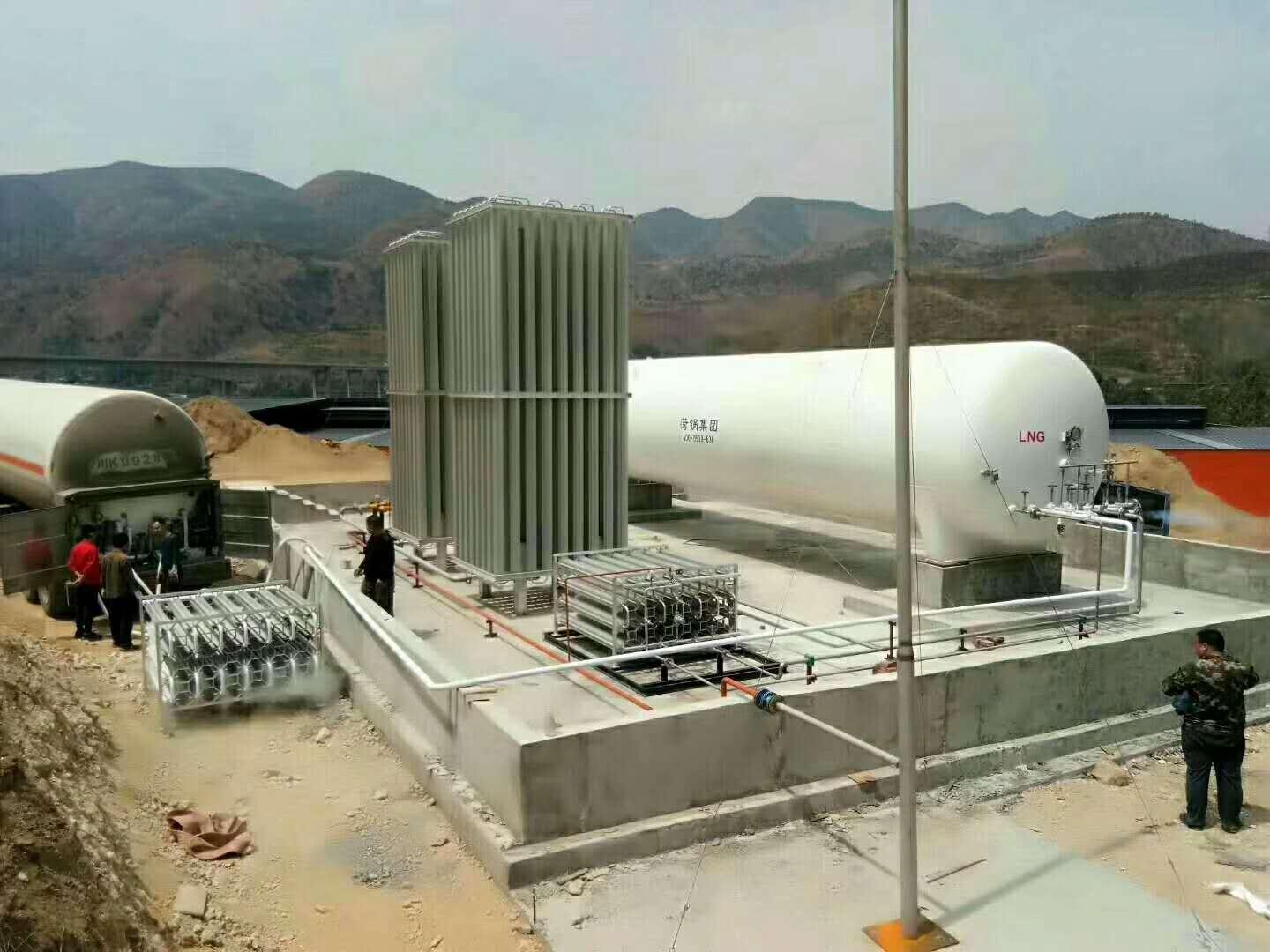
Heze LNG Tank, Low Temperature Oxygen/Nitrogen/Argon Carbon Dioxide Storage Tank, 60 Cubic Meters LNG Tank
Product Description

Brand Hekou Group Model CFW-60/0.8
Material: Stainless Steel, Diameter: 2916mm
Application Range -162℃ Volume 60000L
Heat Exchange Area See Drawing m² Ambient Temperature See Drawing °C
Wall Thickness: 8mm, Outer Dimensions: φ2916*14929mm
Origin: Shandong Heze

60 cubic meters horizontal LNG tank, natural gas low-temperature storage tank, vacuum LNG storage tank, competitive price
The Functions of Various Parts of LNG Tanks
Outer Canister: Protects the inner canister and the insulation material between the inner and outer canisters, forming a vacuum between them to enhance the insulating performance of the material. The outer canister completely seals off the leaked liquid and evaporated gas, ensuring storage safety.
Inner罐: Primarily used for storing LNG, due to the ultra-low temperature characteristics of LNG, the material and manufacturing requirements for the tank are extremely strict. Upper and Lower Inlet Pipes: Pay attention to the length of the upper inlet pipe, which is nearly equal to the inner tank. The inlet pipes in the storage tank use a mixed nozzle and porous pipe to ensure that newly added LNG is thoroughly mixed with the existing LNG. LNG is transported to the gas station from the LNG liquefaction plant via road tankers or tank container vehicles. During unloading, to prevent an increase in pressure within the LNG storage tank from affecting unloading speed, the upper inlet method is used when the LNG temperature in the tanker is lower than that in the storage tank. The low-temperature LNG in the tanker is sprayed into the storage tank through the upper inlet pipe nozzle in a spray form, cooling part of the gas into liquid and reducing the tank pressure, allowing for smooth unloading. If the LNG temperature in the tanker is higher than that in the storage tank, the lower inlet method is employed. The high-temperature LNG enters the storage tank through the lower inlet, mixing with the low-temperature LNG inside to cool down and prevent the high-temperature LNG from evaporating through the upper inlet, which could increase the tank pressure and complicate unloading. In actual operations, since the LNG gas source is usually farther from the cities consuming the gas, when transported over long distances to the consuming cities, the LNG temperature in the tanker is typically higher than that in the storage tank at the gasification station, necessitating the use of the lower inlet method. Therefore, except for the first time of filling LNG, the lower inlet method is generally used for normal tanker unloading.
Safety Valve: When the pressure inside the storage tank exceeds the set pressure of the safety valve (also known as working pressure), the safety valve will automatically open to release excess gas and stabilize the pressure. The set pressure of the safety valve is generally 1.04-1.1 times the operating pressure of the pressure vessel, and the return pressure is 0.8 times the operating pressure of the vessel.
Safety Valve Related Terms: The nominal pressure of a safety valve indicates the maximum allowable pressure at normal temperature. For safety valves used in high-temperature equipment, the reduction in allowable stress of the material under high temperature should not be considered. Safety valves are designed and manufactured according to the nominal pressure standards.
Setpoint Pressure: Also known as the adjustment pressure, it is the medium pressure at which the valve disc begins to lift under operating conditions. Discharge Pressure: The pressure on the inlet side when the valve disc reaches the specified opening height.
Seat Pressure: The inlet pressure when the valve seat is re-seated after the safety valve discharge, and the medium stops flowing. Seat pressure is an important parameter indicating the quality of the safety valve usage, generally requiring it to be at least 80% of the working pressure, with the upper limit set to prevent frequent valve disc oscillation.
Closure Pressure Difference: The difference between the opening pressure and the return-to-seat pressure.
External罐爆破片: Designed to prevent leakage at the connection root between the internal tank and the pipeline, which could lead to increased pressure in the sandwich layer and potentially cause the external tank to explode. The blast disc is installed to release pressure in a timely manner, thereby protecting the storage tank.
Differential Pressure Level Gauges: Typically used in LNG storage tanks.

60 Cubic Meters Horizontal LNG Storage Tank, Natural Gas Low-Temperature Storage Tank, Vacuum LNG Storage Tank, Competitive Price


专业的液化天然气储罐哪家质量好-正规液化天然气储罐生产厂家-专业液化天然气储罐-菏泽锅炉厂有限公司液化天然气储罐信誉好质量优
