


How much do you know about the basics of stainless steel LPG storage tanks?

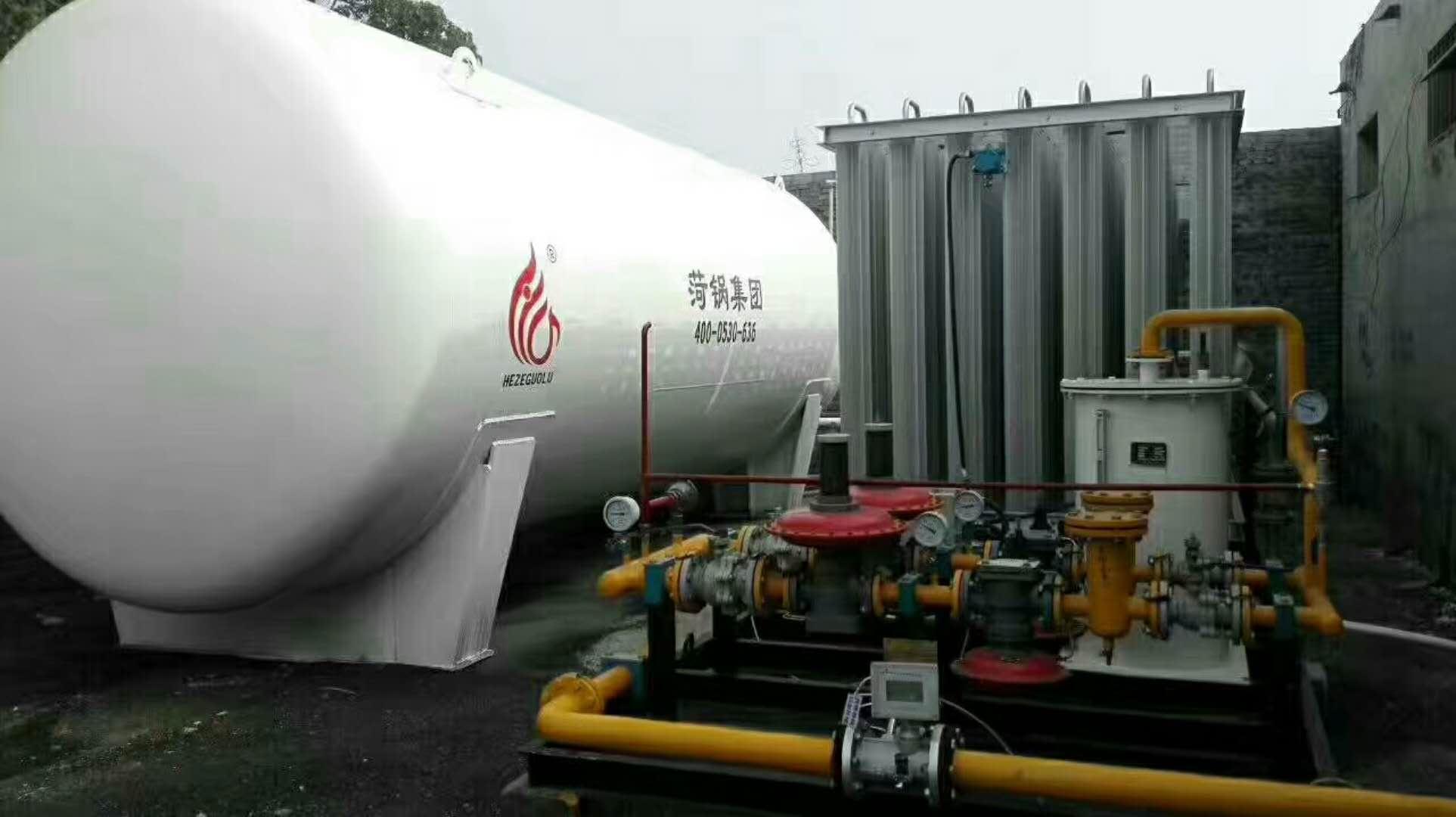
Stainless steel LNG tanks are made of tempered material, featuring strong resistance to acidity and alkalinity, and are designed to meet the demands of external environmental influences. They are highly favored in daily life and social settings. These tanks are primarily composed of natural gas pretreatment processes, liquefaction processes, storage processes, control systems, and fire protection systems, avoiding the drawbacks of older tank designs, and are a new, satisfying product.
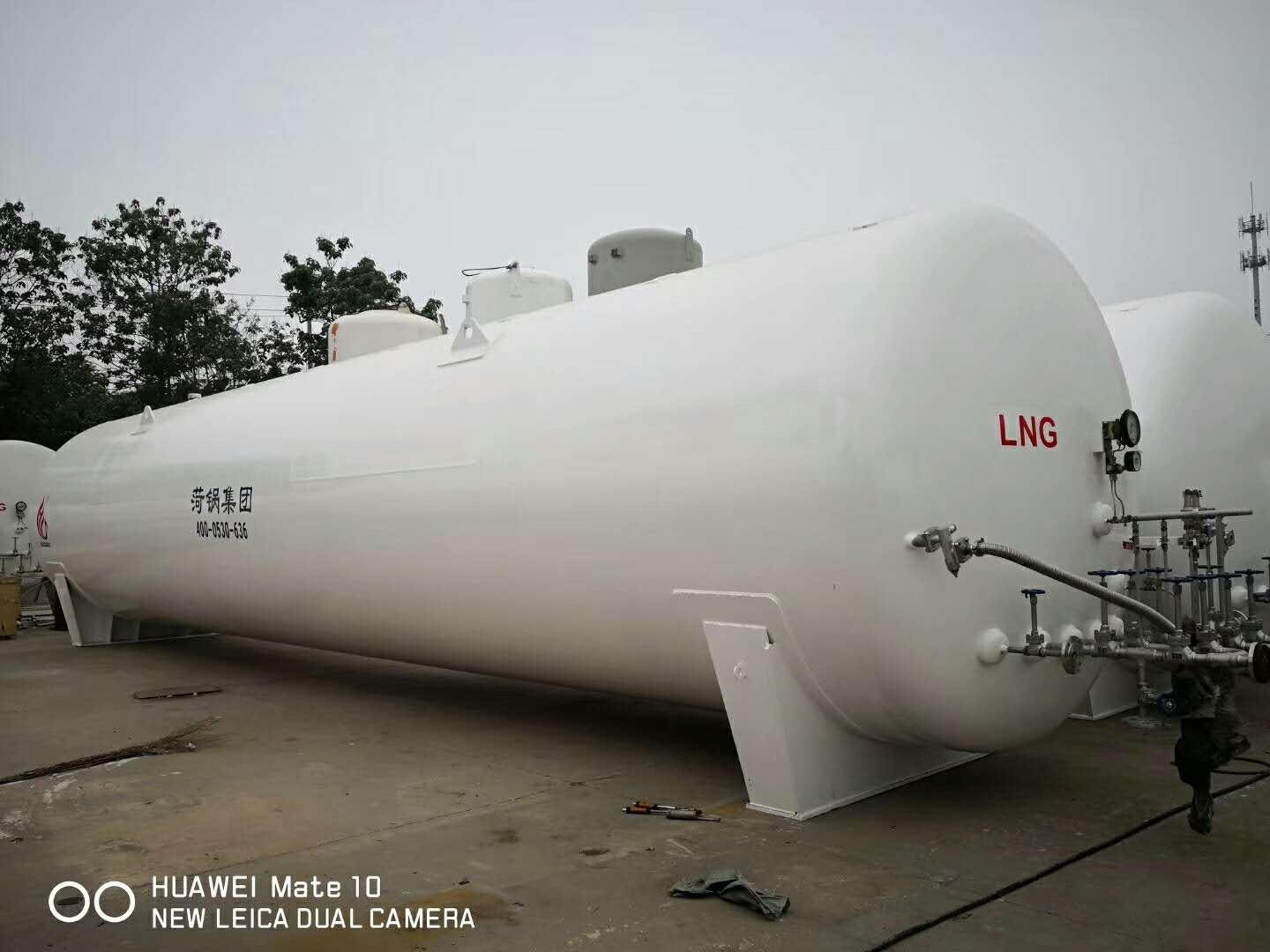
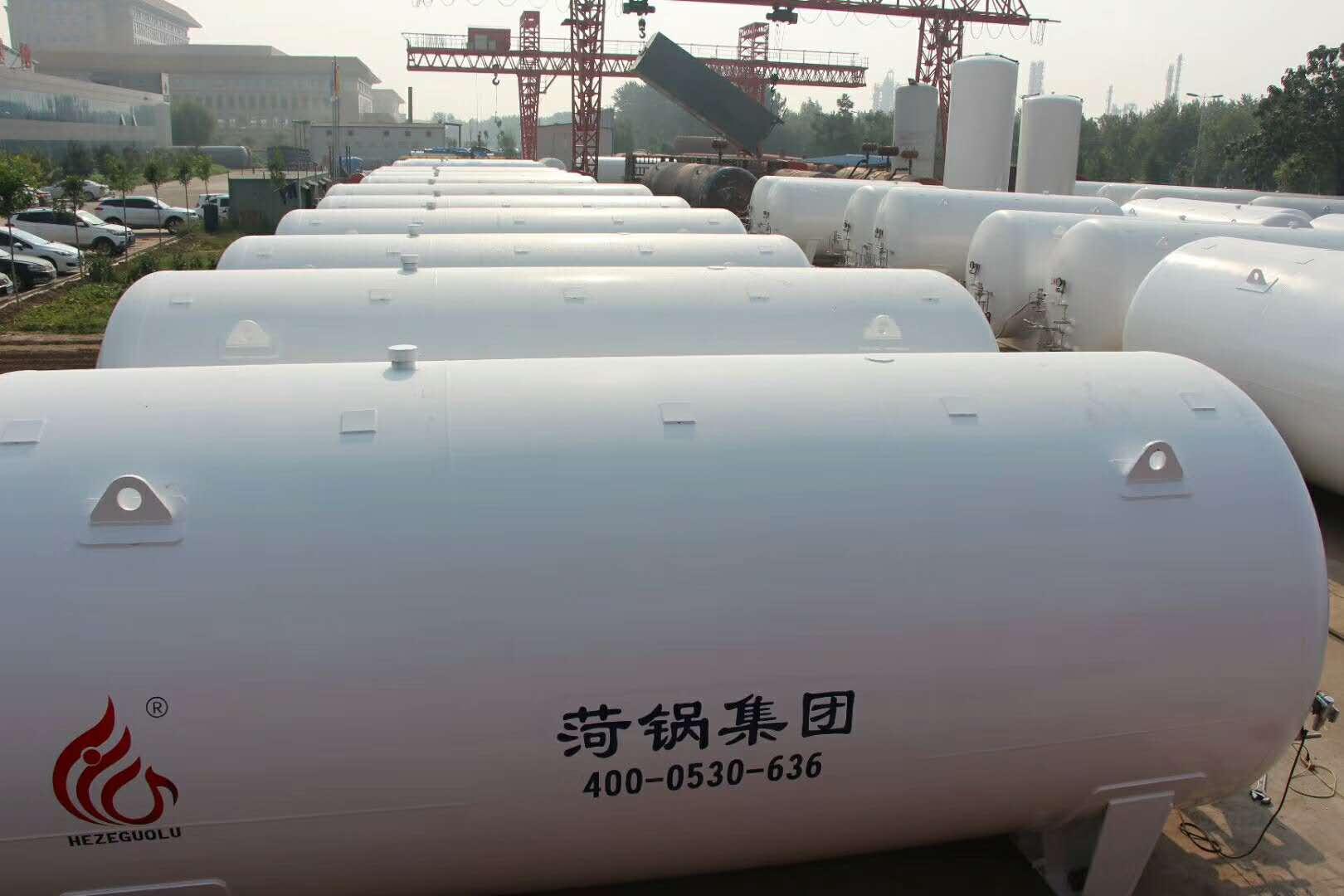
Stainless steel LPG tanks are primarily containers for storing liquefied natural gas, mainly used in household kitchens, automotive fuel, and chemical plants. These tanks come in various sizes for convenience, allowing you to choose according to your specific needs. Generally, tanks ranging from 5 to 50 cubic meters are suitable for residential use or gas stations. Those from 50 to 100 cubic meters are commonly used in satellite liquefaction units and large-scale industrial applications. These LPG tanks possess unique characteristics suitable for different regional installations, greatly enhancing our daily lives.
Insulation method for the protective structure of the lng tank
1. The true Zhong powder insulation method involves vacuuming the sandwich layer of LNG tanks and filling it with powder (talcum powder), commonly used in small LNG tanks. Vacuum powder insulation tanks are favored due to their production technology being similar to that of liquid nitrogen and liquid oxygen tanks, making the manufacturing technology of domestic producers very mature. Since the operation and maintenance of LNG tanks are relatively convenient and flexible, they are widely used. The large majority of LNG gasification stations in China commonly use 50m3 and 100m3 cylindrical double-metal vacuum powder LNG tanks. Currently, tanks up to 200m3 can be produced, but due to their large size, transportation is difficult, and they are generally less used. Vacuum powder insulation tanks are also available in spherical shapes, but their usage typically ranges from 200 to 1500m3, and the installation of spherical tanks on-site is challenging.
2. Positive Pressure Insulation Accumulation
Utilizing insulating materials, the sandwich structure is filled with nitrogen gas, with the insulation layer typically being quite thick. Widely used in large and medium-sized LNG storage tanks and containers. Generally, they are vertical LNG mother-daughter storage tanks.
3. High vacuum multi-layer insulation.
Utilizing high-vacuum multilayer insulated wrapping, commonly used in tank trucks. In China, the cylindrical double-metal vacuum powder LNG storage tanks are commonly used in LNG gasification stations. Considering that vertical tanks save space and have a larger static head of LNG, which is beneficial for the self-increaser, vertical double-metal vacuum powder LNG storage tanks are adopted. The station's LNG storage capacity is not large, but the requirement for insulation performance is high, thus high-vacuum multilayer insulated storage tanks are chosen. Based on the LNG storage capacity and considering the ease of transportation for modular equipment, a horizontal 50m3 storage tank is selected for LNG transfer. Each LNG storage tank is equipped with a level gauge, differential pressure transmitter, pressure transmitter, temperature transmitter, and pressure gauge for on-site indication and remote control of LNG level, temperature, and pressure inside the tank. Safety explosion-proof devices are installed at the top of the tank, and interlayer extraction ports and temperature testing ports at the bottom. The design pressure of the inner tank is determined to be 1.2MPa and the outer tank to be -0.1MPa, based on the system's working pressure and considering economic factors.
Cautionary Notes for LNG Tanks
1. Safe Operation of LNG Storage Tanks: To prevent over-temperature and over-pressure phenomena in LNG storage tanks, the usage pressure and temperature should be controlled. The causes of over-temperature and over-pressure in LNG storage tanks include the following:
(1) Operator Error To prevent operator error, signage should be posted on critical operation devices. The signs should clearly indicate the opening and closing directions of valves, their on/off status, and precautions.
(2) Overfilling of Liquefied Gases Preventive measures against overfilling include: strictly filling according to the specified storage capacity; upon discovering overfilling, immediately attempt to remove the excess; all gauges used for filling must be regularly inspected; level gauges should be periodically flushed; if residual liquid is present in the container, it should be included in the filling quantity; the weight should not be ignored; when the surrounding temperature rises, spraying for cooling should be conducted.
2. Maintenance and care of LNG tanks:
1. Cylinders must be stored in well-ventilated areas, with a minimum distance of 1.5 meters from any fire or heat source. Cylinders should not be heated with fire, boiled in water, or left exposed to direct sunlight. Regular checks of cylinder valves and pipeline joints for leaks are required to ensure airtightness. Typically, soapy water is used to detect leaks, and open flames for testing are strictly prohibited.
LNG储罐厂家
Low-temperature Storage Tanks, Liquid Oxygen Storage Tanks, LNG Storage Tanks, Liquid Nitrogen Storage Tanks, Carbon Dioxide Storage Tanks, Low-Temperature Vessels, Liquid Oxygen Vessels, LNG Vessels, Pressure Vessels, LNG Filling Station Equipment
Product Features: Reasonably designed, high safety performance, easy to operate and maintain. The design phase fully considers equipment safety and, at the same time, aims to reduce manufacturing costs, saving users' funds.
Application Range: Suitable for industrial gas stations, LNG fueling stations, LNG liquefaction stations, centralized gas supply for gas boilers, and centralized gas supply equipment for enterprises. Custom manufacturing available according to customer requirements.
LNG Tank Operation and Maintenance Procedures
I. LNG Unloading Operation Procedure
Note: (For example, using the 1# LNG tank filling process)
1. Inspect that the pressure gauges, level gauges, thermometers, combustible gas detectors, and safety valves on the LNG unloading platform and within the 1# LNG storage tank area are operating normally.
2. Verify that valves C-8, G1-5, G1-11, G1-13, G1-15, B-1, and B-2 are in the open position, and that valves G1-8, C-1, C-2, C-3, C-4, C-5, C-6, and C-7 are closed. Check that the bolts securing the root valve of the LNG tank are tight and the flange connections are intact. If loose, tighten immediately.
3. Prior to entering the station, the LNG tanker must raise the static electricity grounding wire. After entering, the speed of the LNG tanker must not exceed 5 kilometers per hour, and it must stop at the designated location, turn off the engine, remove the car key, pull up the handbrake, close the door securely, place the wooden chocks properly, and connect the static electricity grounding wire. Install the LNG tanker loading and unloading hoses: one: connect the LNG tanker (Xinjiang Guanghui) self-pressurized liquid phase outlet to the liquid phase inlet of the gasifier; connect the LNG tanker self-pressurized gas phase inlet to the gas phase outlet of the gasifier; connect the LNG tanker liquid phase outlet to the LNG pipeline. Two: connect the lower liquid inlet and outlet of the LNG tanker (XinAo Anruike) to the LNG pipeline, and connect the gas phase pipeline to the BOG pipeline.
4. The pressure in LNG tankers should be maintained between 0.55-0.7 MPa. When the pressure in the LNG tanker falls below 0.55 MPa, the LNG tanker's self-pressurization system or the unloading platform's vaporizer should be activated to increase the pressure.
5. Open valve G1-8 to pre-cool the incoming liquid pipeline using LNG from the LNG storage tank.
6. After pre-cooling is completed, open valve C-2 and the LNG tanker's liquid discharge valve to fill the LNG storage tank with LNG. This is done by simultaneously filling from both the bottom and top. The opening of valve C-2 is adjusted on-site based on the filling rate of Tank No. 1.
7. When the pressure difference between the LNG tanker and the LNG storage tank is less than 0.1 MPa, open valve G1-14 to depressurize the LNG storage tank, or activate the LNG tanker's self-pressurization system or the tanker unloading platform's vaporizer to increase pressure on the LNG tanker, maintaining a pressure difference of 0.2 MPa between the LNG tanker and the LNG storage tank is ideal. During the depressurization process of the LNG storage tank, the pressure after the pressure regulator should be strictly controlled and should not exceed the cutoff pressure of the regulator.
8. After confirming that the LNG in the LNG tanker has been unloaded, close valve C-2 and open valve C-3 to depressurize. When the LNG tanker is connected to the city gas supply system, ...
Product Description
Brand Huoguo Group Model CFW-60/0.8
Material: Stainless Steel, Diameter: 2916mm
Application Range: -162℃; Volume: 60,000L
Heat Exchange Area - See drawing sq. m, Ambient Temperature - See drawing °C
Wall Thickness: 8mm, External Dimensions: φ2916*14929mm
Origin: Shandong Heze

60-cubic-meter LNG Storage Tank, Horizontal LNG Storage Tank, Manufacturer of Liquefied Natural Gas Storage Tanks, Professional Supply of 60 Cubic Meters
LNG storage tanks are atmospheric pressure, low-temperature, large-scale tanks, typically featuring flat-bottom, double-walled cylindrical designs. The inner cylinder is generally made of 9% nickel alloy steel, but can also be constructed from all aluminum, stainless steel film, or prestressed concrete. The outer wall is made of carbon steel or prestressed concrete. The suspended insulating support platform at the top of the wall is aluminum, while the tank roof is made of carbon steel or concrete. The main insulating materials inside the LNG storage tank include expanded perlite, elastic glass fiber felt, and foam glass bricks.
LNG Tank Characteristics Requirements
Low-temperature resistance
The boiling point of liquefied natural gas at atmospheric pressure is -162°C. Therefore, LNG storage tanks must have excellent low-temperature resistance and insulation properties.
(2) High safety requirements
Due to the storage of low-temperature liquids inside the tank, in the event of an accident, the refrigerated liquid would evaporate in large quantities, with the vaporization amount being approximately 625 times that of the refrigerated state, forming an explosive mixture in the atmosphere. Therefore, the tank must be constructed with a double-walled structure and utilize the containment concept. In the event of a leak in the first layer, the second layer can completely contain the leaked liquid and evaporated gas, ensuring storage safety.
(3) Special material.
The inner container must be able to withstand low temperatures and is made of austenitic stainless steel, while the outer cylinder is constructed from Q345R low carbon alloy steel plate.
(4) Strict thermal insulation measures.
Due to the maximum temperature difference between inside and outside the drum of up to 200°C, the drum must have excellent insulation properties to maintain an internal temperature of -160°C. High-performance insulation material should be filled between the inner and outer drums. The insulation material at the drum bottom must also have sufficient pressure-bearing capacity. (5) Good seismic performance
The seismic requirements for general buildings are to crack but not collapse under specified earthquake loads. To ensure the safety of storage tanks under unexpected loads, they must possess excellent seismic performance. The tank body must remain undamaged under the given intensity of earthquake. (6) Strict construction requirements
The tank welds must undergo 100% magnetic particle testing (MT) and 100% vacuum leak testing (VBT). Select insulating materials strictly and follow the specified procedures during construction.
Huzhou Boiler Factory Co., Ltd. is a key enterprise designated by the General Administration of Quality Supervision, Inspection and Quarantine of the People's Republic of China for the production of boiler pressure vessels, a vice-president unit of the China Industrial Boiler Industry Association, a member unit of the China Association of Heating, Ventilation and Drainage, and holds B-grade boiler manufacturing (certification number TS2110587-2011), third-class pressure vessel manufacturing (certification number TS2210916-2013) and design qualifications (certification number TS1237085-2011), and has passed the ISO9001 international quality management system certification.
Huzhou Boiler Factory Co., Ltd. Main Products:
Chemical Storage Tanks (liquefied gas tanks, LPG tanks, liquid ammonia tanks, propane tanks, propylene tanks, isobutane tanks, chloromethane tanks, etc.); Non-standard Pressure Vessels (towers, heat exchangers, autoclaves, reaction vessels, stainless steel containers, etc.)
Cooling auxiliary equipment (evaporative coolers, ammonia storage tanks, condensate drums, circulating drums, oil separators, separators, condensers, intermediate coolers, siphon tanks, economizers, etc.)
Boiler equipment (including steam boilers, hot water boilers, thermal oil boilers, oil-gas boilers, waste heat boilers, etc.)
Low-temperature Storage Tanks (Liquid Oxygen Tanks, Liquid Oxygen Vessels, Liquid Nitrogen Tanks, Liquid Nitrogen Vessels, Liquid Argon Tanks, Carbon Dioxide Tanks, LNG Tanks, Liquefied Natural Gas Tanks)

60-cubic-meter LNG Tank, Horizontal LNG Storage Tank, Professional Manufacturer of Liquefied Natural Gas Storage Tanks


Professional Manufacturer of Liquefied Natural Gas (LNG) Storage Tanks with Gas Conduction Oil Boilers - Special Price LNG Storage Tank Supplier - 60 Cubic Meter LNG Tank (LNG Storage Tank Price) - Sales LNG Storage Tank Supplier
