


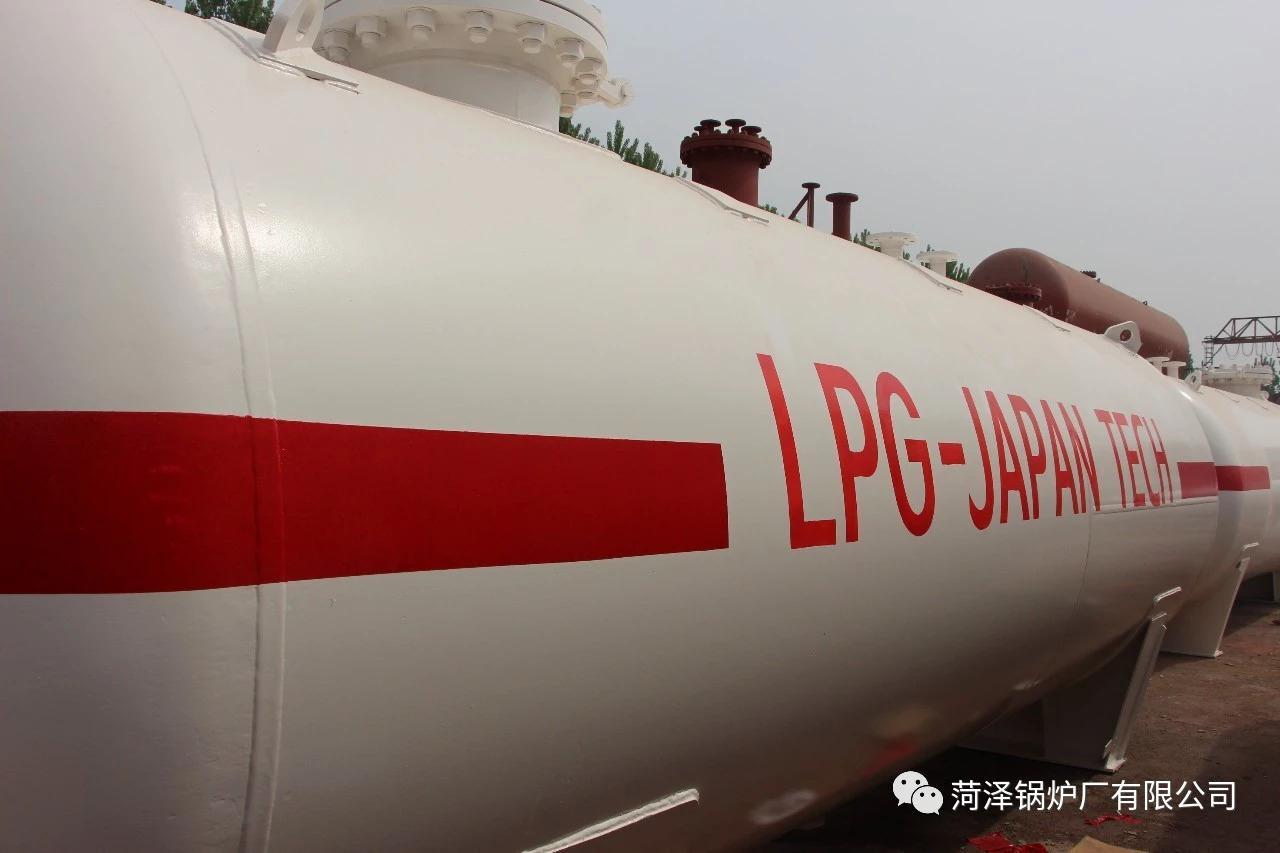
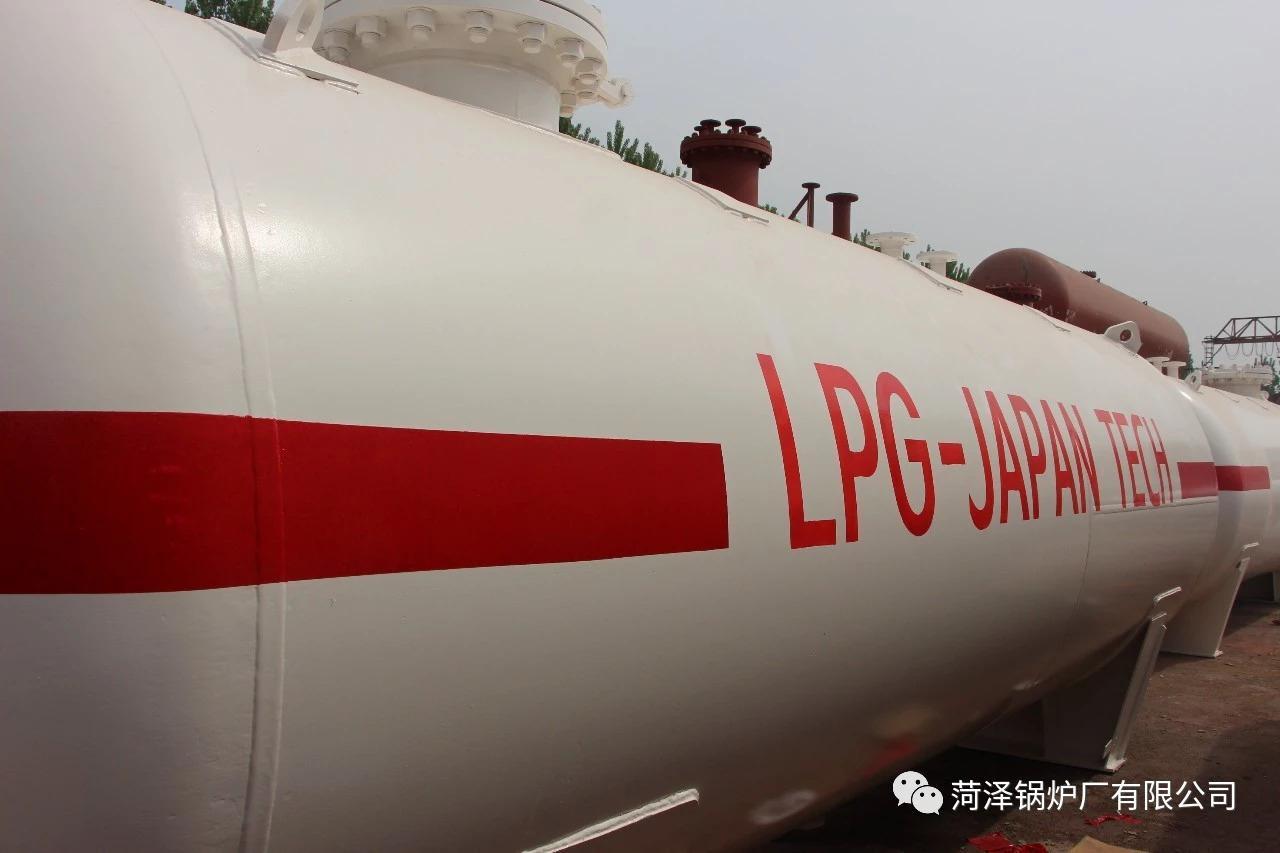
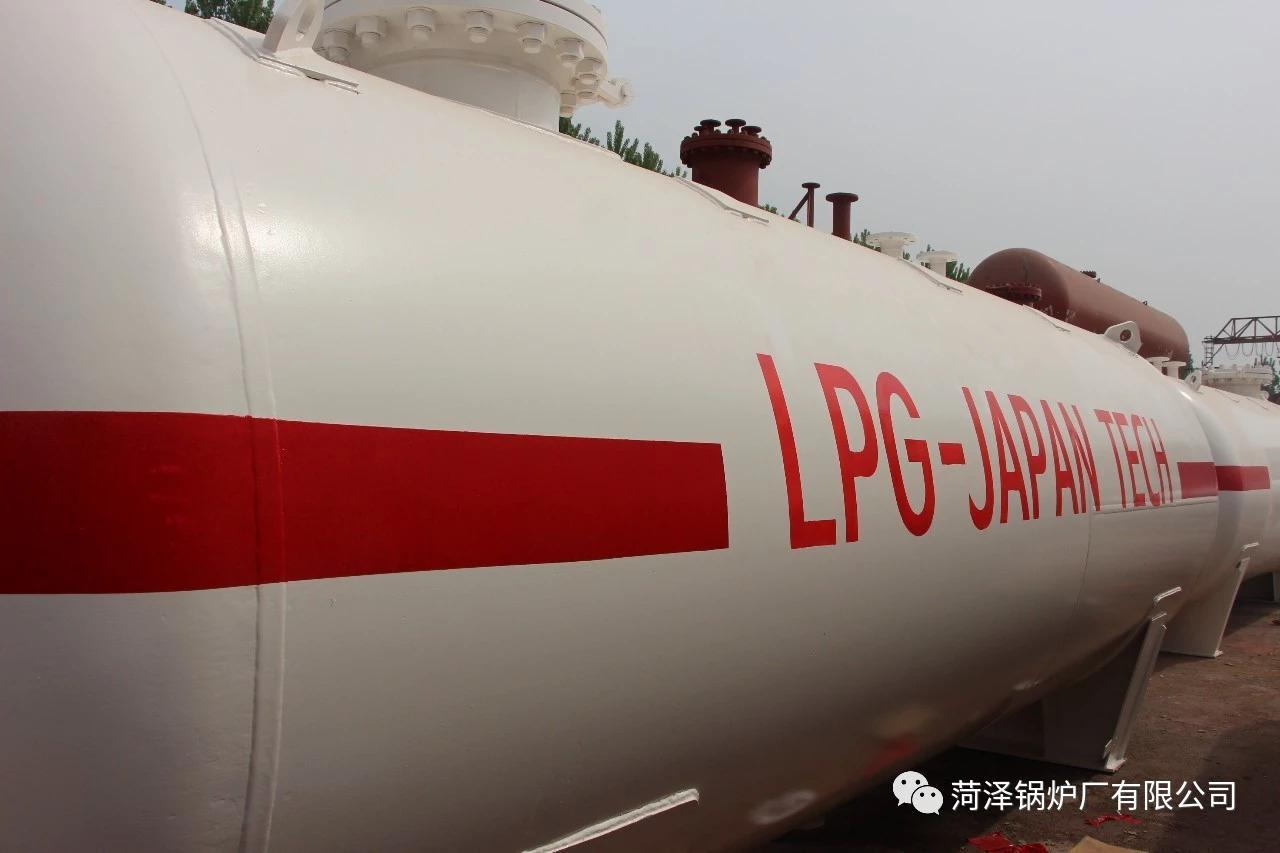
LNG Natural Gas Storage Tanks, Cryogenic Low-Temperature Vessels
Low-temperature liquefied natural gas storage equipment is widely used in various industries of the national economy, including industry, agriculture, national defense, and scientific research. The application of natural gas storage equipment is increasingly extensive, primarily due to its advantages over traditional steel cylinders, such as convenient transportation, energy conservation, reliability, purity assurance, and versatility. China's low-temperature storage tanks are developing towards high quality, diverse varieties, and large capacities.
Low-temperature liquid storage tanks are high-vacuum insulated stainless steel pressure vessels designed for storing, transporting, and using liquefied natural gas, liquid oxygen, liquid nitrogen, liquid argon, or carbon dioxide. These low-temperature containers are manufactured in accordance with GB18442 standards and are used for reliable and cost-effective transportation and storage of low-temperature liquids, as well as for on-site storage and supply of low-temperature liquid gases across a wide range of applications.

Manufactured fixed pressure vessels meet the following regulations and standards:
1. TSG 21-2016 "Safety Supervision Rules for Fixed Pressure Vessels"
2. ASME Section III, Part 1 to 4 - 2011 "Pressure Vessels"
3. NB/T47014-2011 "Welding Procedure Qualification for Pressure Equipment"
4. NB/T47015-2011 "Code for Welding Procedure of Pressure Vessels"
5. GB/T25198-2010 "Pressure Vessel End Cap"
6. NB/T47013-2015 Non-Destructive Testing of Pressure Equipment
7. NB/T47016-2011 "Mechanical Property Testing of Welding Samples for Pressure Equipment Products"
8. JB/T4711-2003 "Coating and Packaging for Pressure Vessels"
9. GB/T 18442-2011 "Fixed Vacuum Insulated Low-Temperature Pressure Vessel"

A low-temperature storage tank is a pressure vessel used to store various low-temperature liquids, such as natural gas tanks, LNG tanks, liquid oxygen tanks, liquid argon storage containers, and liquid nitrogen low-temperature storage tanks. Therefore, its safe operation rules should consider factors such as the gas risk characteristics, low-temperature maintenance effects, surrounding environmental conditions, and pressure vessel characteristics. So, what are the detailed operation rules for low-temperature storage tanks? Let's explore them together below.
1. Types of facilities and fire separations
The types of low-temperature storage tanks produced are classified as category B, with the minimum fire resistance grade of two. The fire separation between low-temperature storage tanks should be no less than half the diameter of the larger tank among the adjacent two tanks. There are no fire separation requirements for oxygen storage tanks with a volume of 50 m3 or less and their operation buildings. The separation between nitrogen and argon storage tanks should meet construction and maintenance requirements and should not be less than 2 meters.
2. Lightning and static electricity protection
The low-temperature storage tank area must be equipped with lightning and static electricity grounding devices. A qualified unit should be invited annually to check the grounding resistance. The equipment, pipelines, and flange and threaded connections on the low-temperature storage tank should be bridged with metal wires, with the bridging resistance being less than 0.03Ω.
Establish stringent procedures for the distribution, collection, and on-site handling of low-temperature steel materials, which is a crucial quality assurance method for the manufacturing of low-temperature pressure vessels. Particularly in the manufacturing site, as low-temperature steel can easily be mixed with general steel, failure to strictly manage it can leave significant safety hazards. Low-temperature steel and welding rods should be handled by designated personnel in dedicated storage. After technical briefings, construction workers and relevant staff should be familiar with the identification of low-temperature steel and welding rods to prevent mixing with other types of steel. Records should be kept for the entry and exit of materials, and remaining materials should be promptly re-labeled. The surface quality of low-temperature steel requires high standards, and during storage and transportation, the surface should be protected and color-coded labels should be used for identification. Cutting and material processing should be under the supervision of material handling personnel and promptly re-labeled. Surface markings are not allowed on low-temperature steel for identification purposes. Plate materials and semi-finished products should be stored on shelves by batch number and standards. Pre-fabricated and processed materials should be stored using support frames. It is strictly prohibited to place low-temperature steel materials, especially welding materials, directly on the ground. The distance from the support frame to the ground and walls should not be less than 300mm. The welding rod storage area should comply with relevant welding material handling regulations, with the temperature not below 10℃ and relative humidity not exceeding 60%, and proper records should be maintained. Welding rods should be dried for 2 hours at the specified temperature before use and then stored in a constant-temperature drying box (100-150℃).
In the pressure vessels currently used in petrochemical enterprises, low-temperature pressure vessels account for a significant proportion. Due to their lower operating temperatures, the brittleness of the container materials increases correspondingly. Under the effect of tensile stress on the pressure-bearing elements, brittle fractures may suddenly occur at stress levels below the material's yield strength or below the allowable stress. Such fractures are characterized by either no or only minimal plastic deformation before and after the event, without overall yielding, making them difficult to detect during routine production and posing a greater safety threat to petrochemical production. Therefore, for low-temperature pressure vessels, there is a need for an increased level of requirements in all stages from design, material selection, manufacturing to inspection, compared to non-low-temperature pressure vessels.

LNG natural gas storage tank, cryogenic low-temperature container
Product Description
Brand Huoguo Group Model CFW-60/0.8
Material: Stainless Steel, Diameter: 2916mm
Application Range -162℃ Volume 60000L
Heat Exchange Area - See drawing m²; Environmental Temperature - See drawing °C
Wall Thickness: 8mm, Outer Dimensions: φ2916*14929mm
Origin: Shandong Heze
Jiangxi 60 cubic meter LNG storage tank, Hunan 100 cubic meter natural gas storage tank, 30 cubic meter LNG storage tank price
1.2 Pre-Regulation Work Preparation
1.2.1 Tool Preparation: Explosion-proof wrench, two pairs of gloves, two sets of protective gear.
1.2.2 Work Preparation
Wear personal protective equipment, including antistatic suits, static-resistant shoes, and safety helmets, etc.
Check if phones, computers, and other static-prone devices are placed in a safe area, inspect the surrounding environment for safety, and ensure it meets the operational requirements.
Before entering, rub your hands on the static discharge unit to release static electricity.
Check if all pressure adjustment tools, such as explosion-proof wrenches, are carried.
Inspect the tank's pressure gauge, level gauge, thermometer, flammable gas detector, and safety valve to ensure they are operating normally.
Inspect pipeline valves, pressure gauges, and safety valves to ensure they are in normal working condition.
(7) Prepare all explosion-proof tools
1.2.3 LNG Storage Tank Gas Supply Process:
All valves on the tanks to be pressurized, except for the root valve and the emergency shutdown valve, are in the closed position.
Open the bottom inlet valve of the storage tank and the valves for boosting the liquid and gas phases, check that the valves before and after the booster vaporizer are both open.
Open the low-temperature cutoff valve before the gasifier, the normal temperature flanged ball valve after the gasifier, and all valves required to be opened in the pressure regulating system.
When the gas supply rate is less than 1000-2000 Nm3/h, one storage tank is sufficient to meet the gas supply requirements.
5. Flow rate:
5.1 When the tank pressure exceeds 0.15MPa above the outlet pressure, gradually open the liquid outlet valve to initiate the gas supply operation.
5.2 Record the liquid storage tank number and the start of gas supply.
5.3 Pay close attention to the tank's liquid level, pressure changes, and variations in outflow and pressure from the station when supplying gas.
1.2.4 Operation Procedure for Self-pressurizing LNG Tanks
During manual operation, open the valves: the boost liquid phase valve, the boost gas phase bypass valve, and the liquefied gas entrainment valve, allowing LNG to directly enter the self-boosting gasifier. After vaporization, it enters the LNG storage tank. At this point, closely monitor the pressure; close the boost liquid phase valve when the pressure in the LNG storage tank reaches the required level.
Cautionary Notes:
During the operation of the LNG storage tank, the liquid level must be maintained at ≤90% for the upper limit and ≥15% for the lower limit. (2) When manually operating the self-pressurization system, it is strictly prohibited to leave the site unattended.
(3) When the self-pressurizing system is in operation, the depressurizing system should be in the off state.
Cautionary Notes:
During the operation of the LNG tank, the liquid level must be ≥15%.
(2) When operating manually, the site must not be left unattended.
1.2.5 Risk Analysis and Countermeasures
During the loading and unloading of LNG tank trucks, operators should wear masks, antistatic work clothes, and antifreeze gloves, etc.
During LNG tanker unloading, the vehicle must not move to prevent the disconnection of the loading and unloading hoses, which could lead to significant LNG leakage.
When LNG is inside the pipeline, both ends' valves cannot be closed simultaneously.
Do not touch or step on low-temperature pipelines and facilities.
Under no circumstances shall moisture, oil, mechanical impurities, etc., enter the pipeline to avoid blockages.
No hammering, fire roasting, or water spray on the frozen areas.
To ensure the safety of the working environment, operators must wear protective gear properly. Static electricity from the human body must be neutralized before entering the station. Open flames are strictly prohibited within the site's operational area, and non-explosion-proof tools and electronic devices are strictly forbidden.
Adhere strictly to the operation ticket system, following the steps outlined in the operation ticket. On-site operators must consist of at least two people: one to perform the operation and another to supervise, ensuring operational safety.
Conduct safety training prior to operation, implement on-site safety precautions effectively, and be aware of the procedures for evacuation and emergency control in case of danger.
1.2.6 Procedure for LNG Tank Maintenance and Care
Operational technicians at liquefied natural gas (LNG) stations must be familiar with the tank structure and principles, and strictly follow the operational procedures for all LNG-related activities.
LNG operation technicians must be familiar with the performance and principles of storage tank accessories (pressure gauges, level gauges, temperature gauges, vacuum gauge valves).
The outer shell of the Liquefied Natural Gas storage tank is an external pressure vacuum vessel, and welding operations are strictly prohibited under negative pressure. 4. Regularly inspect the outer shell of the storage tank for signs of icing or frost formation. Upon discovery of icing or frost, promptly report to the on-duty supervisor and station master. The on-duty supervisor or station master should immediately contact the manufacturer to investigate the cause and handle it promptly. During the handling process, closely monitor the changes in icing or frost. If there is a tendency for the accident to escalate, immediately proceed with tank emptying or halt the filling operation, and close the relevant emergency shutdown valves at the inlets and outlets.
Regularly inspect the storage tank's connecting pipes and valves, observe for any frost formation, and report any issues to the on-duty supervisor immediately. The supervisor will then arrange for personnel to address the situation.
Regularly inspect the pressure gauge, level gauge, and thermometer of the storage tank to observe if the displayed values are normal. 7. Regularly check the sealing performance and operation of the valves connected to ensure proper functioning.
Regularly inspect and calibrate safety valves, pressure gauges, level gauges, and thermometers as per regulations to ensure proper operation and promptly update equipment inventory records.
Regularly perform anti-corrosion treatment on the outer cylinder of the storage tank, and carry out exterior cleaning and maintenance of the tank's pressure gauge, level gauge, and thermometer.
Regularly perform rust removal and anti-corrosion treatment on the easy-to-rust areas of storage tanks, such as pressure and level control instruments' three-way valves.
11. Conduct annual or on-demand vacuum level inspections of the storage tanks to monitor their operational status.

Jiangxi 60-cubic-meter LNG Storage Tank, Hunan 100-cubic-meter Natural Gas Storage Tank, 30-cubic-meter LNG Storage Tank Price

Professional Manufacturer of Liquefied Natural Gas Tanks - Heze Boiler Factory - Liquefied Natural Gas Tanks at Special Price - How Much for a Genuine Liquefied Natural Gas Tank Company
