


Product Description

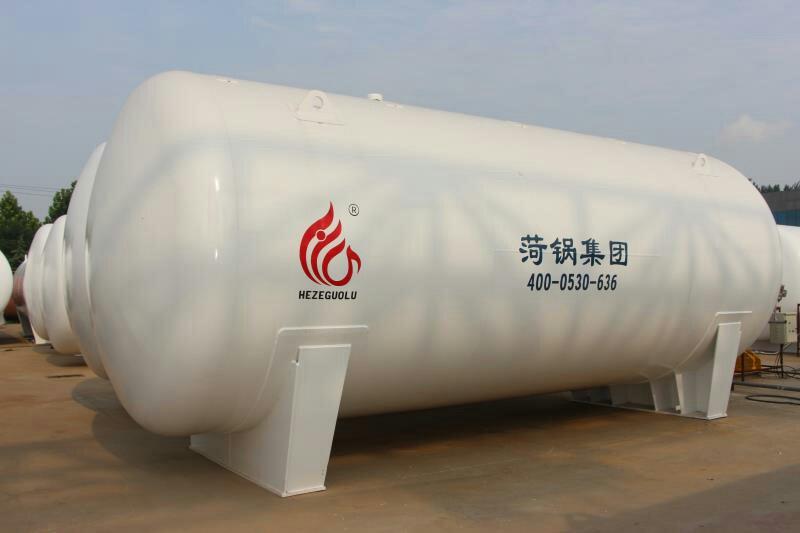
Brand Huoguo Group Model CFW-60/0.8
Material: Stainless Steel, Diameter: 2916mm
Application Range: -162℃; Volume: 60,000L
Heat Exchange Area - See drawing sq. m, Environmental Temperature - See drawing °C
Wall Thickness: 8mm, Dimensions: φ2916*14929mm
Origin: Shandong Heze

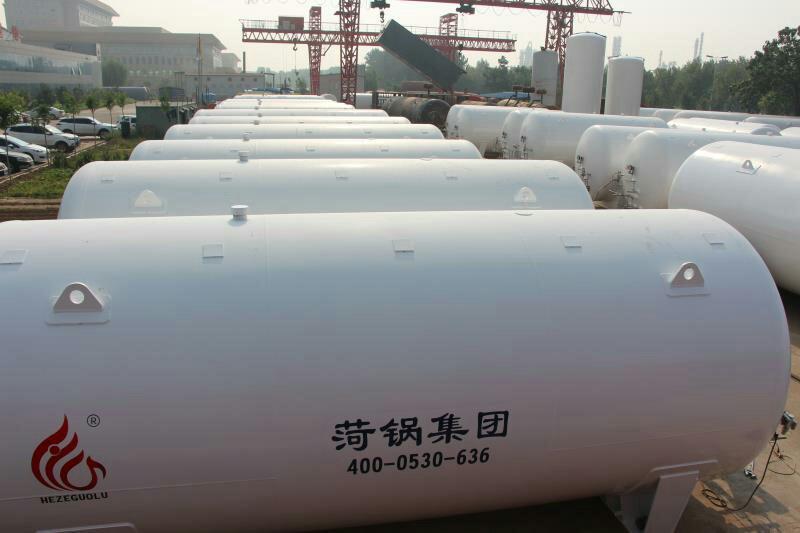
60 Cubic Meters Horizontal LNG Storage Tank, Natural Gas Low-Temperature Storage Tank, Vacuum LNG Storage Tank, Competitive Price
The Functions of Various Parts of LNG Tanks
Outer Canister: Protects the inner canister and the insulating material between the inner and outer canisters, forming a vacuum between them to enhance the insulating performance of the material. The outer canister can completely seal off leaked liquids and evaporated gases, ensuring storage safety.
Inner罐: Primarily used for storing LNG, but due to the ultra-low temperature characteristics of LNG, the material and manufacturing requirements for the tank are extremely stringent. Upper and lower liquid inlet pipes: Pay attention to the length of the upper liquid inlet pipe, which is approximately the same as the inner tank. The liquid inlet pipes in the storage tank use a mixed nozzle and porous tube, allowing the newly injected LNG to thoroughly mix with the existing LNG. LNG is transported to the gas station from the LNG liquefaction plant via road tankers or tank container trucks. During unloading, to prevent an increase in pressure within the LNG storage tank from affecting unloading speed, the upper liquid inlet method is used when the LNG temperature in the tanker is lower than that in the storage tank. The low-temperature LNG in the tanker is sprayed into the storage tank through the upper liquid inlet pipe nozzle in a spray state, cooling part of the gas to a liquid and reducing the tank pressure, allowing for smooth unloading. If the LNG temperature in the tanker is higher than that in the storage tank, the lower liquid inlet method is employed. The high-temperature LNG enters the storage tank through the lower liquid inlet, mixing with the low-temperature LNG inside to cool down, preventing the high-temperature LNG from evaporating through the upper liquid inlet, which could increase the tank pressure and make unloading difficult. In actual operations, since the LNG gas source is typically far from the consuming cities, when transported over long distances to the consuming cities, the LNG temperature inside the tanker is usually higher than the temperature in the storage tank at the gasification station, necessitating the use of the lower liquid inlet method. Therefore, except for the first time of filling LNG, the lower liquid inlet method is generally used during normal unloading procedures.
Safety Valve: When the pressure inside the storage tank exceeds the set pressure of the safety valve (also known as the working pressure), the safety valve will automatically open to release excess gas and stabilize the pressure. The set pressure of the safety valve is generally 1.04-1.1 times the operating pressure of the pressure vessel, and the seat pressure is 0.8 times the operating pressure of the vessel.
Safety Valve Related Terms: The nominal pressure of a safety valve indicates the maximum allowable pressure under normal temperature conditions. Safety valves used in high-temperature equipment should not consider the reduction in allowable stress of materials under high temperature. Safety valves are designed and manufactured according to the nominal pressure standard.
Set Pressure: Also known as the adjustment pressure, it is the pressure of the medium when the safety valve disc begins to lift under operating conditions. Discharge Pressure: The pressure on the inlet side when the valve disc reaches the specified opening height.
Seat Pressure: The inlet pressure when the valve disc re-seats on the seat after the safety valve discharge, and the medium stops flowing out. Seat pressure is an important parameter indicating the quality of the safety valve usage, generally requiring it to be at least 80% of the working pressure, with an upper limit set to avoid frequent valve disc oscillation.
Opening/Closing Pressure Difference: The difference between the opening pressure and the return seat pressure.
Outer罐burst disk: Designed to prevent leakage at the connection root between the inner tank and the pipeline, and to avoid the outer tank from exploding due to increased pressure between the layers. The burst disk is installed to relieve pressure in a timely manner, thereby protecting the storage tank.
Differential Pressure Level Gauges: The differential pressure level gauge is commonly used in LNG storage tanks.

60 Cubic Meters Horizontal LNG Storage Tank, Natural Gas Low-Temperature Storage Tank, Vacuum LNG Storage Tank, Competitive Pricing


Hubei Liquefied Natural Gas Tank Prices - Supply Liquefied Natural Gas Tank Brands - Renowned Liquefied Natural Gas Tanks - Operation Steps for Shandong Heze Boiler Liquefied Natural Gas Tanks
