


LNG Vehicle Fueling Station Process
The LNG refueling station process is divided into four stages: unloading, pressure regulation, refueling, and pressure release.
1. Unloading Process
There are three methods for transferring LNG from truck trailers or containers to the LNG storage tanks at a fueling station: turbocharger unloading, cryogenic pump unloading, and combined unloading using both turbocharger and cryogenic pump.
1) Turbocharger unloading: After unloading, the tank car must be depressurized by 0.2 to 0.3 MPa, which requires releasing a large volume of gas, taking a considerable amount of time.
2) LNG tanker trucks and storage tanks are connected to the gas phase space, and the gas is transported to the storage tank through low-temperature pumps. Drawbacks: Energy-consuming, complex process flow.
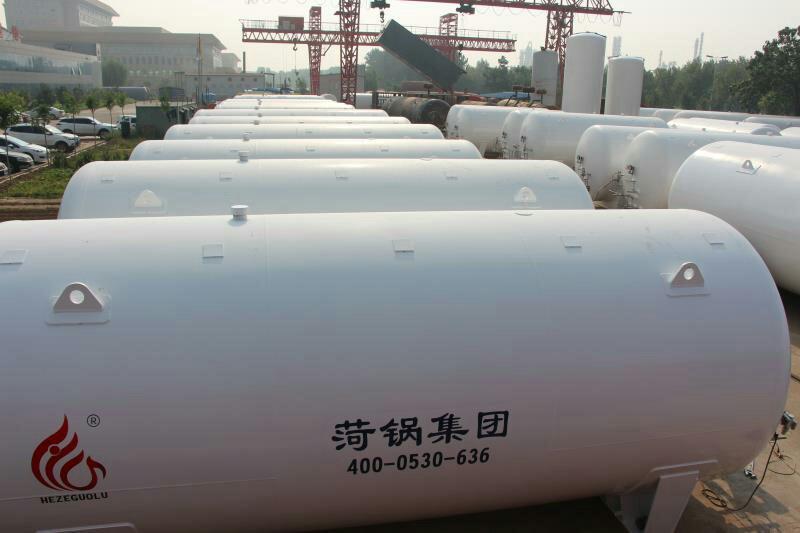
3) Combined unloading of turbochargers and low-temperature pumps: First, connect the vapor space of the LNG tank truck and storage tank, then disconnect them. During the unloading process, use the turbocharger to moderately increase the pressure of the tank truck, and use the low-temperature pump to transfer LNG to the storage tank. Disadvantages of 30, 60, and 100 cubic meter LNG storage tanks: They consume electricity, produce vented gases, and have complex processes.
Preferably use the second unloading method.
2. Pressure Regulation Process
The pressure inside the vehicle's gas cylinder is relatively high, typically ranging from 0.5 to 0.8 MPa. However, for transportation and storage, lower pressure is preferable. Therefore, before refueling a car, the tank needs to be pressurized. There are three methods: pressure boost by a supercharger, low-speed pump circulation to increase pressure, and combined pressure boost using both a supercharger and a low-speed pump.
3. Gasification Process
After being pressurized by a low-temperature pump, the gas is metered and then filled into vehicle gas cylinders by a gas filling machine, available in single-line and dual-line configurations.
When the pressure of the vehicle-mounted gas cylinder is low, an overhead sprinkling method is used to reduce pressure and minimize emitted gases.
When the pressure of the vehicle-mounted gas cylinder is high, a dual-line filling method is used, and the gas inside the cylinder is recycled back into the storage tank.
4. Unloading Process
Excess pressure is released through the safety valve.


