


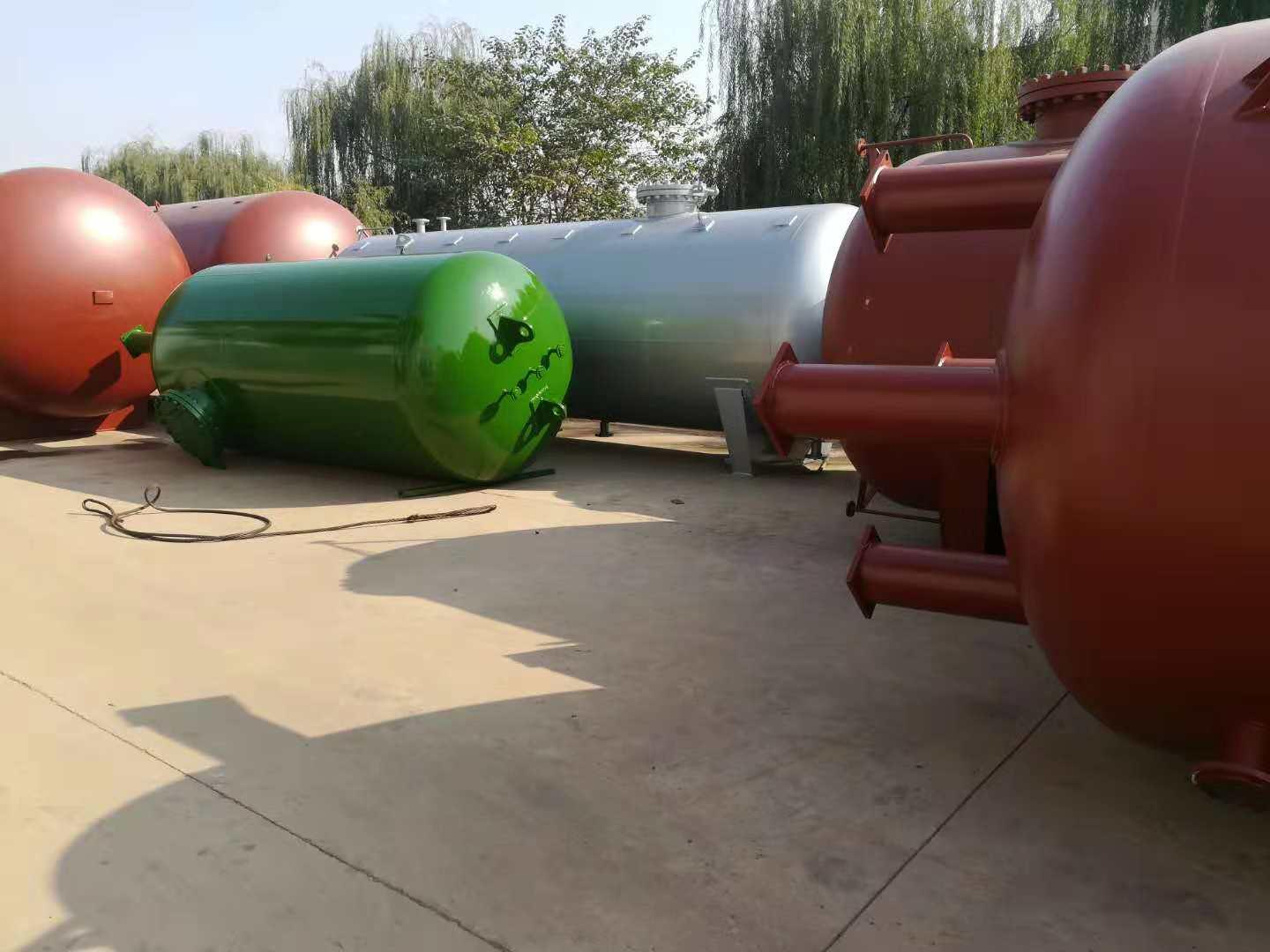
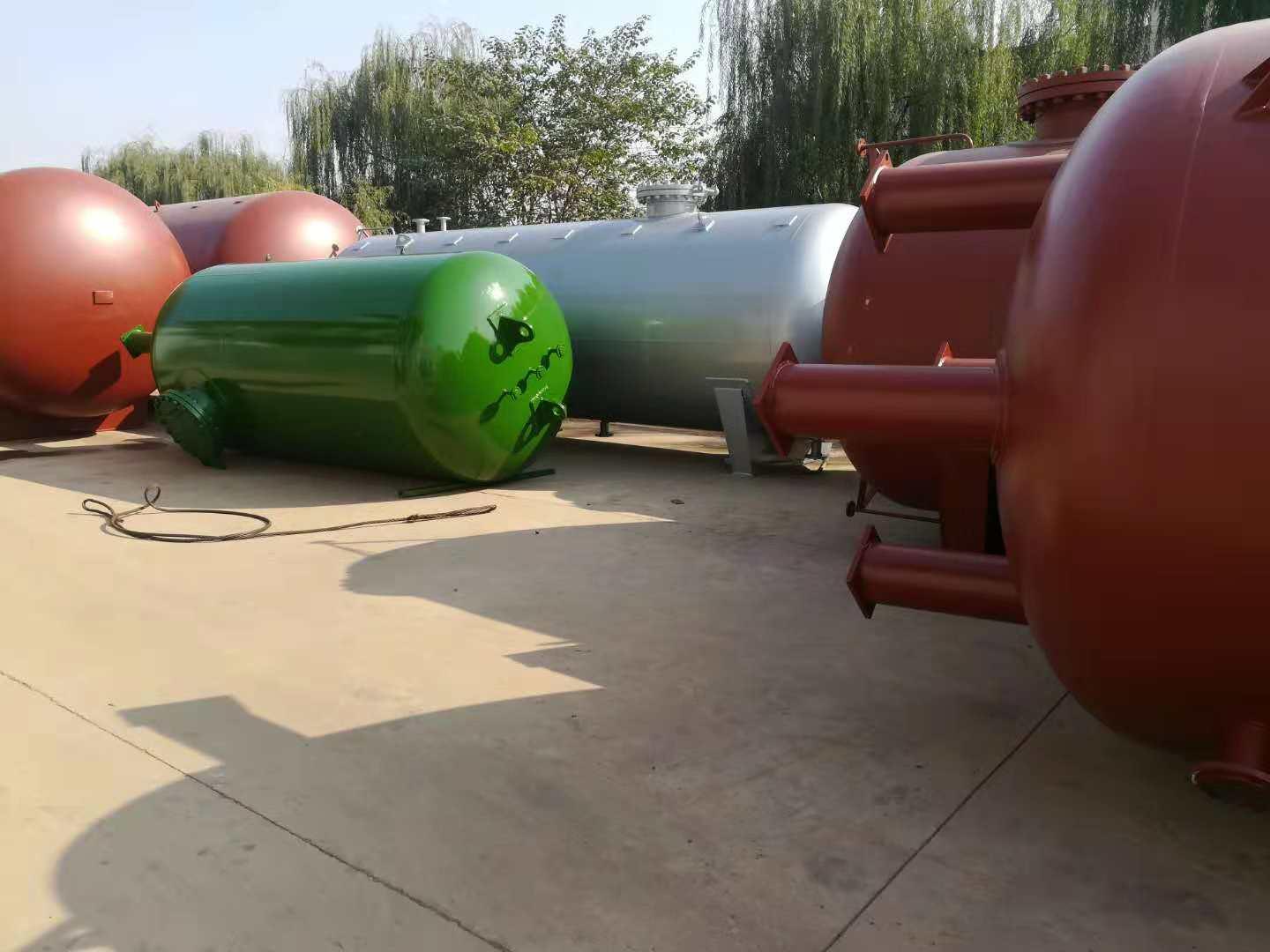

China National Petroleum Corporation's Policy Research Office Deputy Director Wang Zhen also pointed out in an article that the current pricing system in our country does not have a separate price item for storage cost, and gas storage facilities face issues such as blocked investment return channels and a lack of market trading mechanisms. The cost compensation and performance assessment mechanisms are both very unclear, which has severely hindered the commercial operation and development of gas storage facilities.
Han Xiaoping openly stated that the slow progress in the construction of gas storage facilities highlights the issue of insufficiently ideal implementation efficiency in the reform of the oil and gas system. After multiple breaches of contract, this May, our country issued "Opinions on Deepening the Reform of the Oil and Gas System," which has become the most comprehensive and three-dimensional guiding document since the new round of oil and gas reform was proposed in 2014. However, experts also point out that the essence of the oil and gas reform is to liberalize market access and pricing in the upstream, midstream, and downstream sectors of the oil and gas industry, dismantle various barriers that favor state-owned enterprises and regulate private capital, and allow more capital to enter the oil and gas sector. But currently, the oil and gas sector in our country is largely monopolized by state-owned enterprises. It may take a relatively long process for state-owned enterprises to share profits with private enterprises.


