


Gas Storage Capacity and System Reform
"Addressing the supply gap at its root, successfully achieving the natural gas supply goals as planned, still requires accelerating the reform of the oil and gas system and improving the market mechanism design for aspects like gas storage." An industry expert frankly stated.
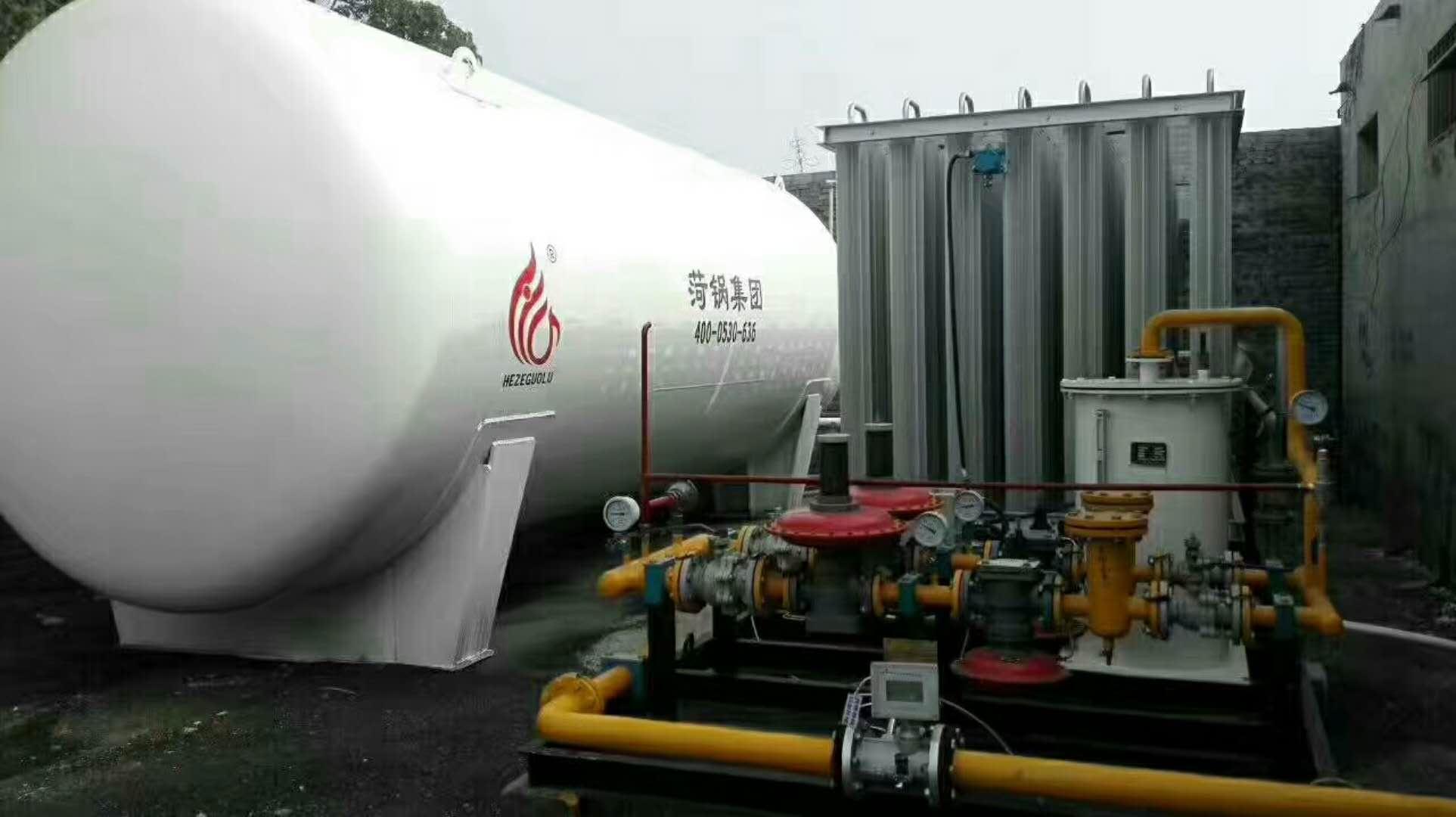
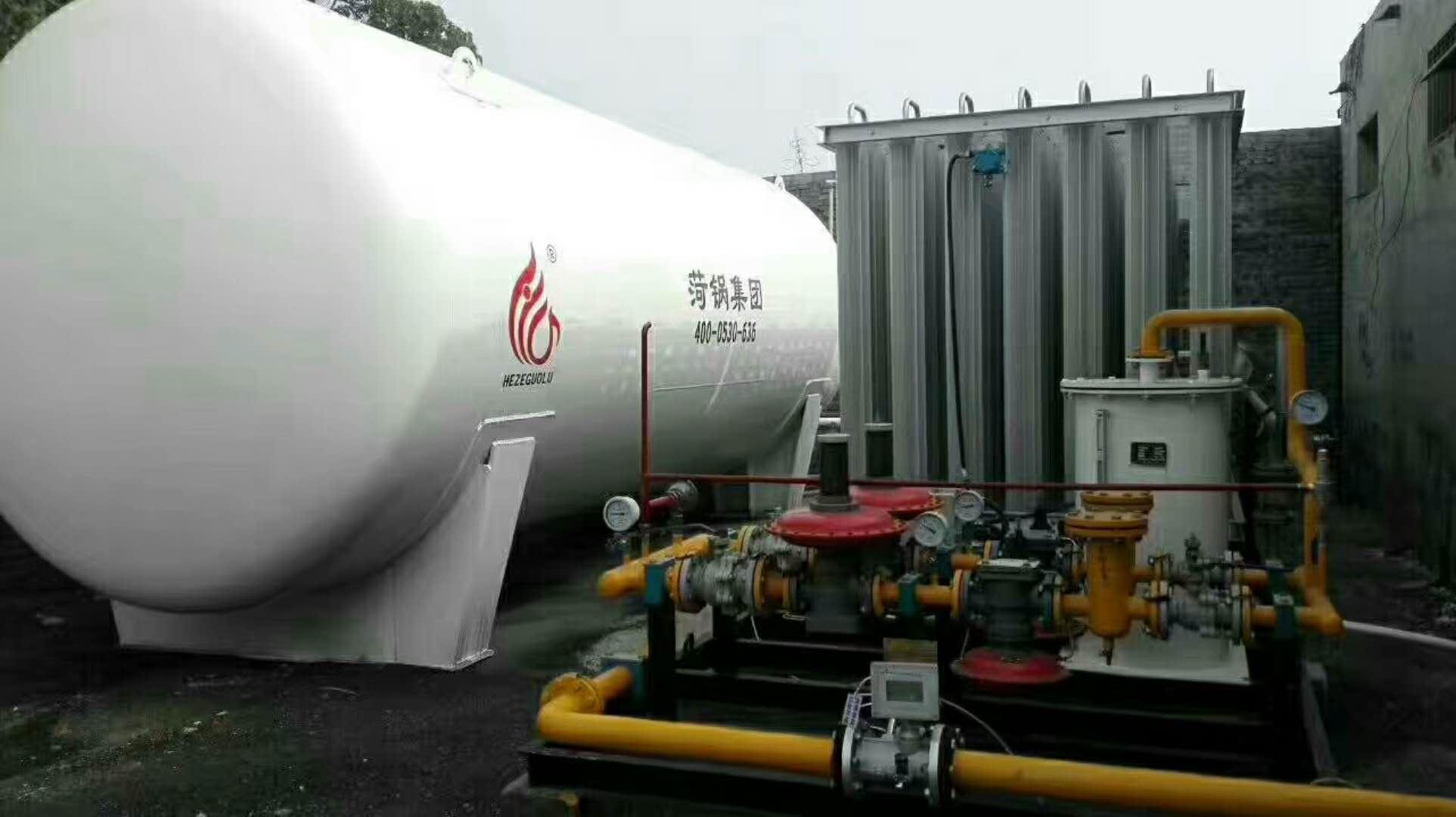
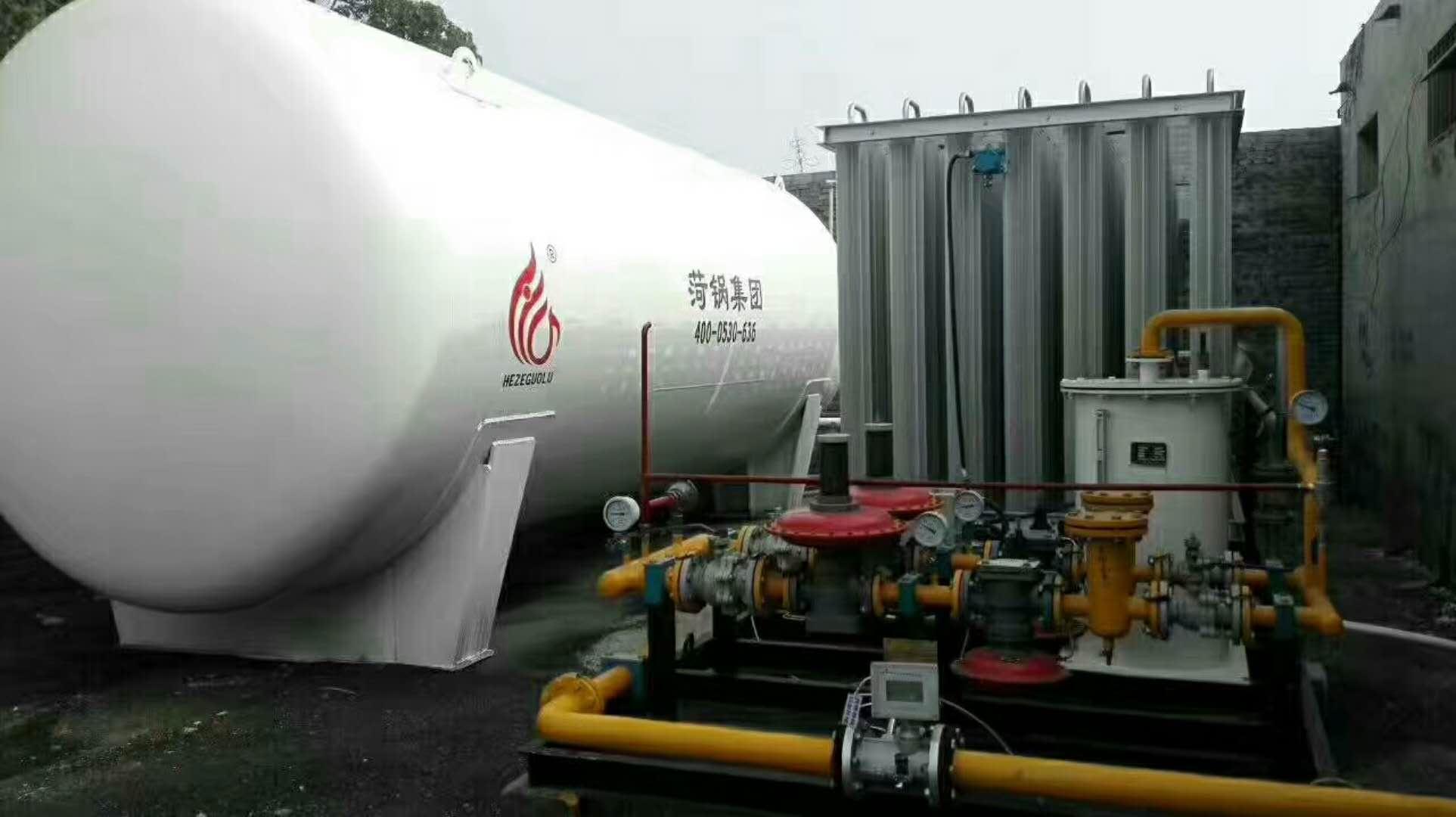
In August, the National Energy Administration's Petroleum and Natural Gas Department, among other departments, released the "China Natural Gas Development Report 2017," stating that compared to developed countries in Europe and America, China still lags significantly in the construction of natural gas pipelines and underground gas storage facilities. As of the end of last year, China's pipeline mileage per 10,000 square kilometers of land area was approximately 70 kilometers, only 12% of the U.S. figure. The underground gas storage facilities produced 6.4 billion cubic meters of working gas, accounting for just 3.1% of consumption, far below the global average of 10%. Han Xiaoping, Chief Information Officer of China Energy Network, further explained that currently, Europe's gas storage level accounts for 15% of consumption levels, while the U.S. and Russia, as two major natural gas producing countries, have gas storage volumes of 120 billion and over 70 billion cubic meters, respectively, accounting for 15.4% and 18.8% of consumption. The National Development and Reform Commission had also publicly stated that China's gas storage facilities have experienced a slow construction pace and insufficient peak-shaving capacity, urgently needing to encourage investment in building gas storage facilities to enhance the guarantee of natural gas supply.
Han Xiaoping indicated that the production cost of natural gas is higher than coal, and the construction level of natural gas pipeline transportation still needs improvement. The waste rate along the route is higher than that of coal transportation. The profitability of natural gas enterprises is not ideal. Whether to continue subsidizing natural gas enterprises, and how to balance between the earnings of natural gas enterprises and subsidies, are among the reform challenges faced by various regions.
China National Petroleum Corporation's Policy Research Office Deputy Director Wang Zhen also pointed out in an article that the current pricing system in our country does not have a separate price item for storage cost, and gas storage facilities are facing issues such as inefficient investment return channels and a lack of market trading mechanisms. The cost compensation and performance evaluation mechanisms are both very unclear, which has severely hindered the commercial operation and development of gas storage facilities.
Han Xiaoping openly pointed out that the slow progress in the construction of gas storage facilities highlights the issue of insufficiently ideal implementation efficiency in the reform of the oil and gas system. After multiple broken promises, this May, our country issued "Several Opinions on Deepening the Reform of the Oil and Gas System," which is the most comprehensive and three-dimensional guiding document issued since the new round of oil and gas reform was proposed in 2014. However, experts also note that the essence of the oil and gas reform is to liberalize market access and pricing in the upstream, midstream, and downstream sectors of the oil and gas industry, dismantle various barriers that favor state-owned enterprises and regulate private capital, and allow more capital to enter the oil and gas industry. Currently, the oil and gas sector in our country is largely monopolized by state-owned enterprises, and it may take a relatively long process to allow state-owned enterprises to share profits with private enterprises.


