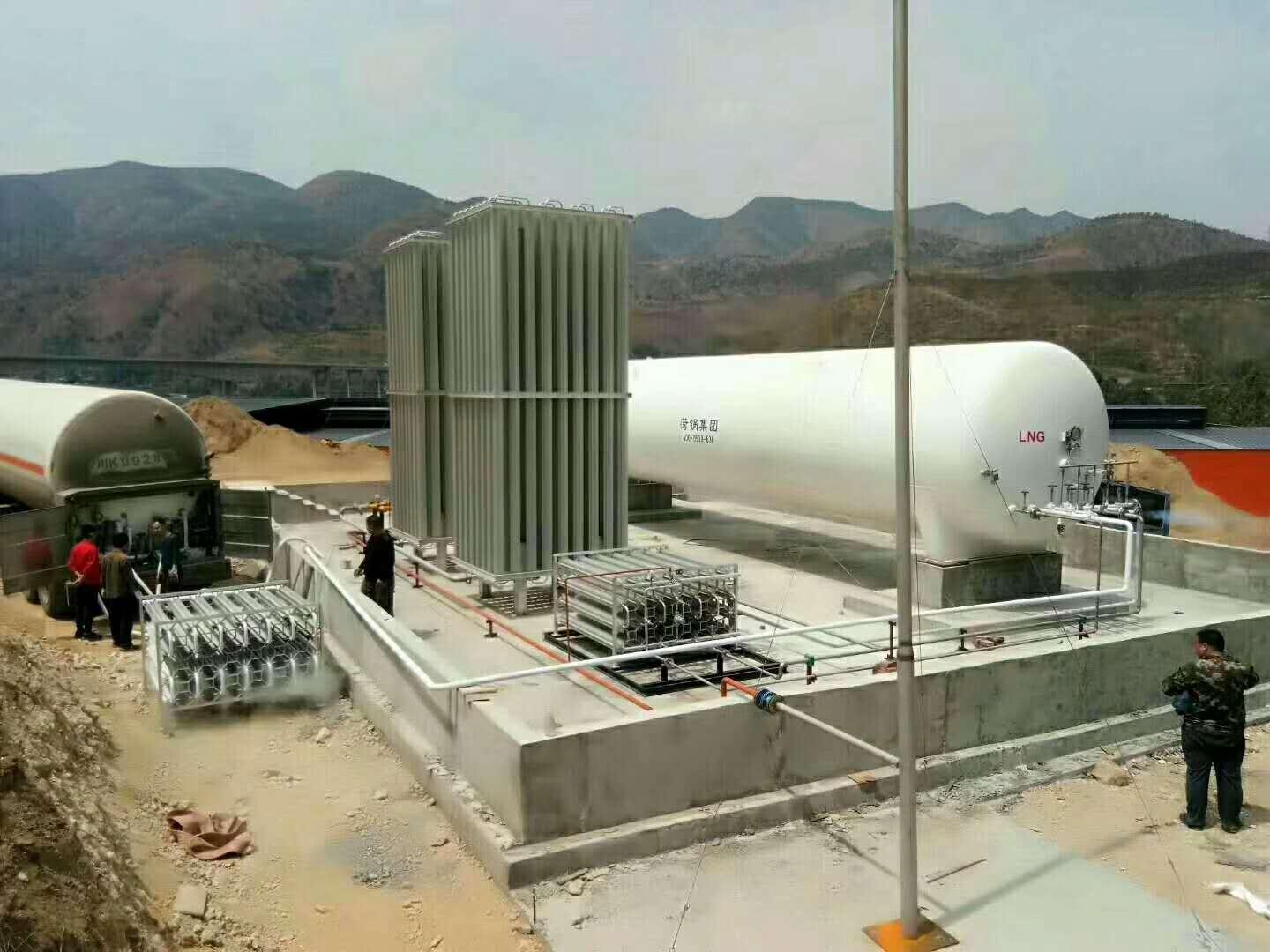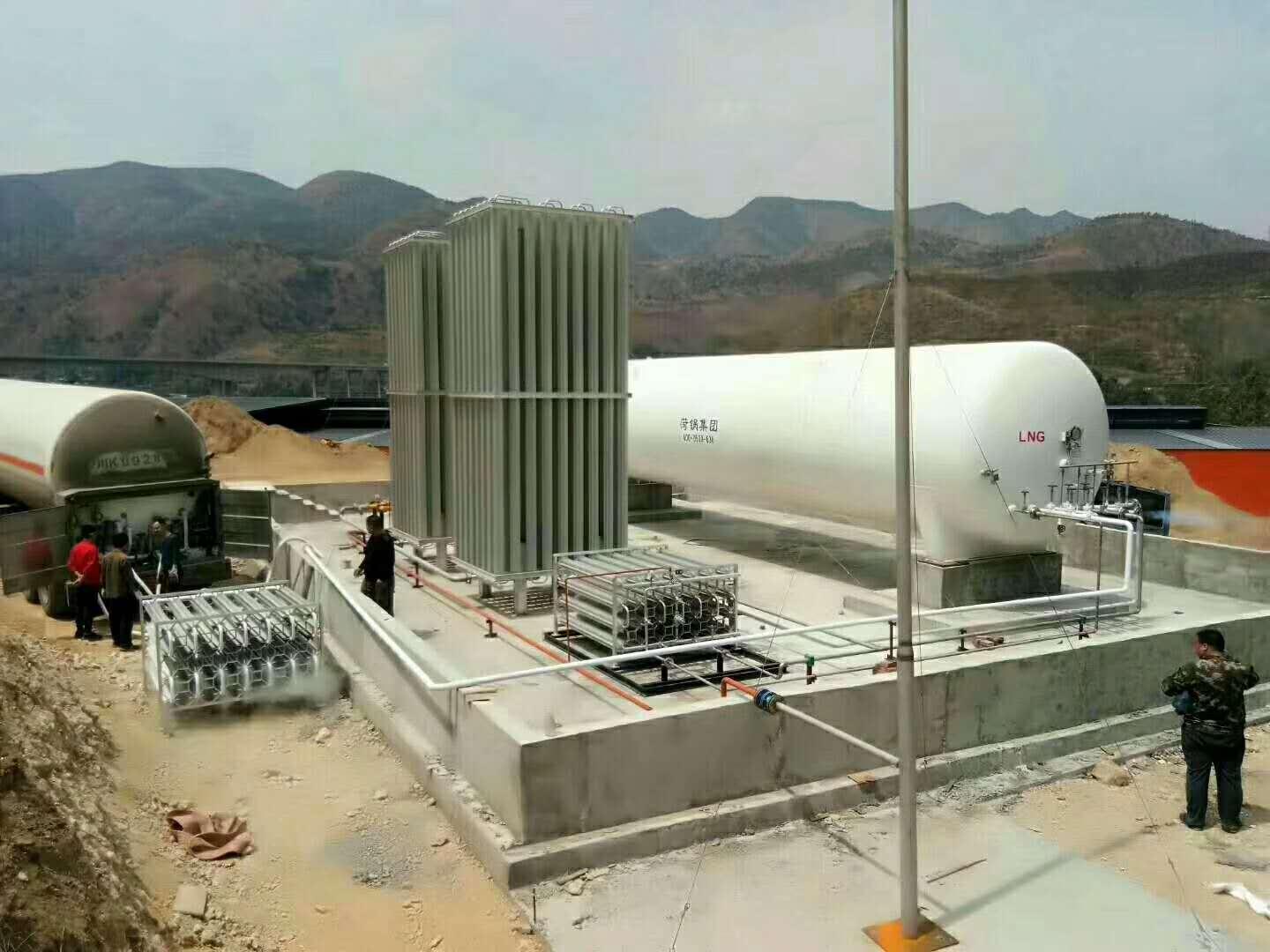
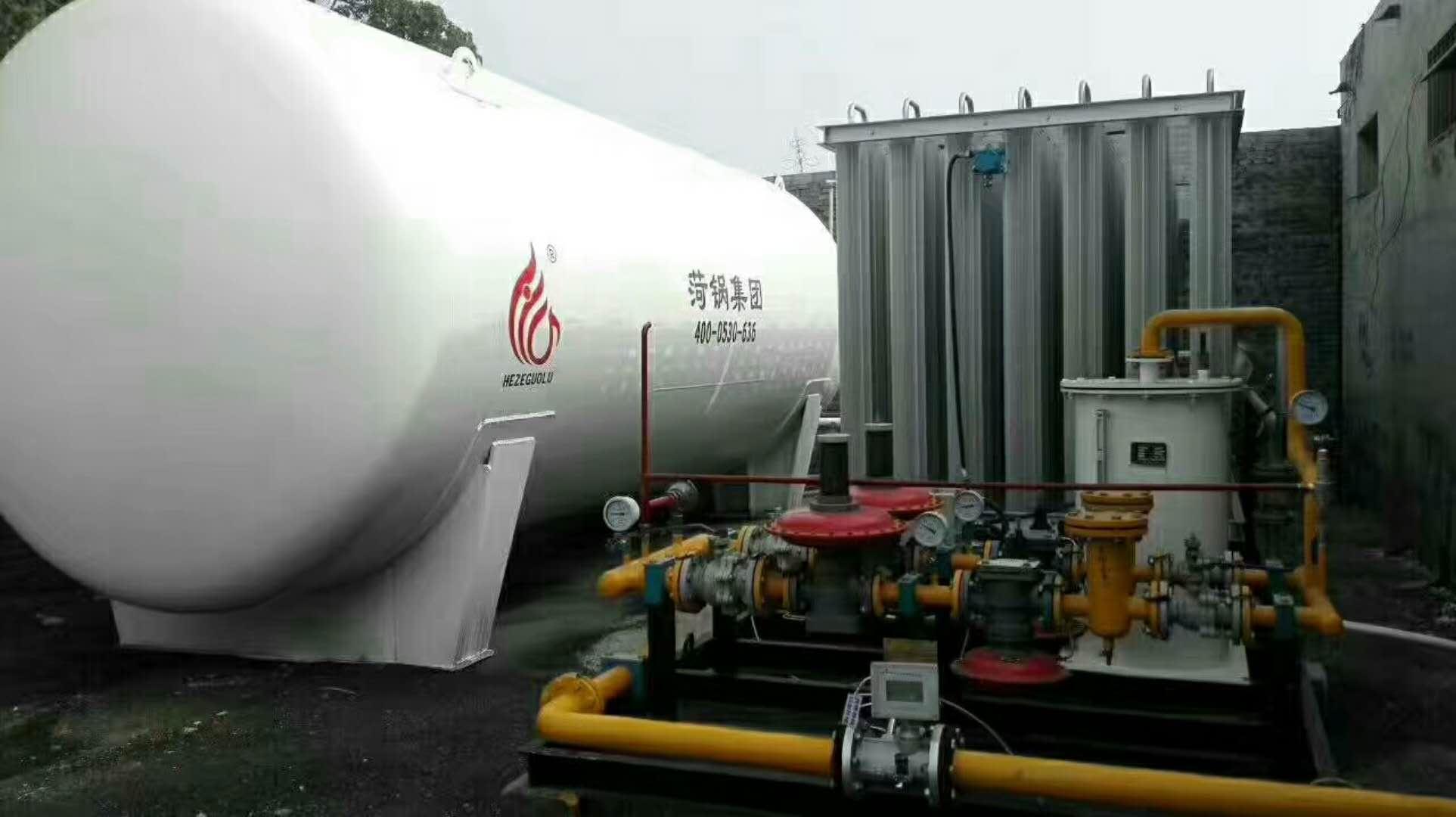
Liquefied Natural Gas (LNG) Storage Tank
LNG storage tanks are specialized products for storing liquefied petroleum gas, classified as special equipment and Category III pressure vessels. They are made from 06Ni9DR material, and undergo non-destructive testing, hydrostatic and pneumatic testing, as well as on-site inspection by the Technical Supervision Bureau, resulting in a pressure vessel inspection certificate. The manufacturing process also includes external rust removal and painting. The quality of the storage tank is strictly assessed, encompassing the material of the pressure components, appearance dimensions, weld quality, operational quality, installation quality, internal equipment, and safety accessories.
Routine physical and chemical tests for the material of the drum, such as mechanical properties and chemical composition.
The weld joints, weld seams, tank heads, and the mutual geometric positions of all pressure components are rigorously inspected through X-ray non-destructive testing and magnetic particle inspection. Tests are conducted for the product's sealing, pressure resistance, and all technical indicators that could affect the safe operation of the product.
Common LNG storage tank structures include: vertical LNG tanks, horizontal LNG tanks, vertical mother-daughter tanks, and atmospheric storage tanks.
Vertical LNG Storage Tank
Volume options include 50, 100, 150, and 200 cubic units.
Horizontal LNG Storage Tank
Volume options: 50 cubic, 100 cubic.
Vertical mother-child tank
A mother drum refers to an inner drum composed of multiple sub-drums connected in parallel to meet large storage capacity requirements. Multiple sub-drums are assembled side by side within a large outer drum. The number of sub-drums ranges from 3 to 7, generally not exceeding 12. The volume of a single sub-drum should not be too large, usually between 100 to 150 cubic meters, with the maximum reaching 250 cubic meters. Common sizes include 1000 cubic meters, 1750 cubic meters, and 2000 cubic meters.