


LNG Vehicle Fueling Station Process
The process flow of LNG vehicle refueling stations includes 4 processes: unloading, pressure regulating, refueling, and pressure release.
Unloading process
There are three methods for transferring LNG from tanker trucks or containers to the LNG storage tanks at a refueling station: turbocharger unloading, low-temperature pump unloading, and combined unloading using both turbocharger and low-temperature pump.
1) Turbocharger unloading: After unloading, the tank car needs to be depressurized by 0.2 to 0.3 MPa, which requires the release of a large volume of gas, taking a considerable amount of time.
2) LNG tank trucks and storage tanks are connected to the gas phase space, which is transported to the storage tank through low-temperature pumps. Disadvantages: high energy consumption, complex process flow.
3) Combined unloading of turbochargers and low-temperature pumps: First, connect the gas phase space of the LNG tank truck and storage tank, then disconnect them. During the unloading process, use the turbocharger to moderately increase the pressure of the tank truck, and use the low-temperature pump to transfer LNG to the storage tank. Disadvantages of 30, 60, and 100 cubic meter LNG storage tanks: They consume electricity, produce venting gases, and the process is complex.
More often use the second method for unloading the train.
2. Pressure Regulation Process
The pressure inside the vehicle's gas cylinder is relatively high, typically ranging from 0.5 to 0.8 MPa. However, for transportation and storage, lower pressure is preferable. Therefore, before refueling a car, the tank needs to be pressurized. There are three methods: pressure increase with a booster, low-speed pump circulation for pressure increase, and combined pressure increase using both a booster and a low-speed pump.
3. Aerated process
After being pressurized by a low-temperature pump, the gas is metered and then filled into vehicle gas cylinders by a gas filling machine, with options for single-line and double-line filling.
When the pressure of the vehicle-mounted gas cylinder is low, use the overhead sprinkling method to reduce pressure and minimize exhaust gas emissions.
When the pressure of the vehicle-mounted gas cylinder is high, a dual-line charging method is used, and the gas in the cylinder is recycled to the storage tank.
4. Pressure Relief Process
Excess pressure is released by the safety valve.
LNG Vehicle Fueling Station Major Equipment
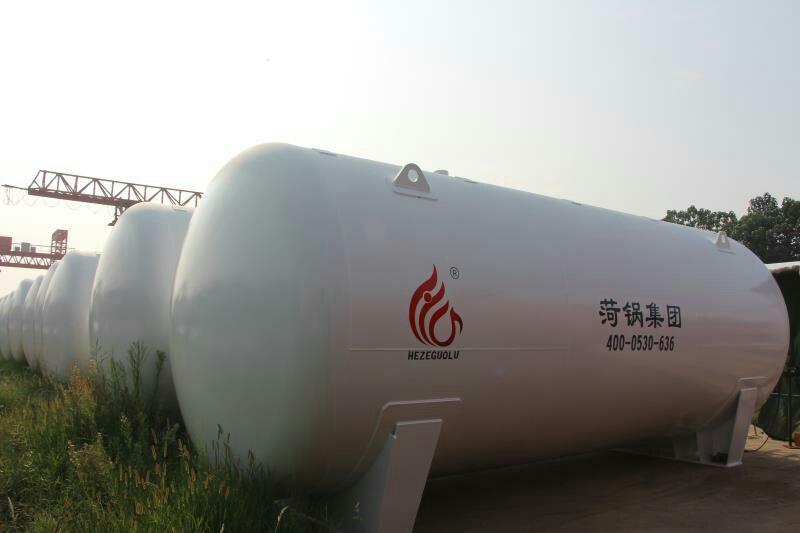
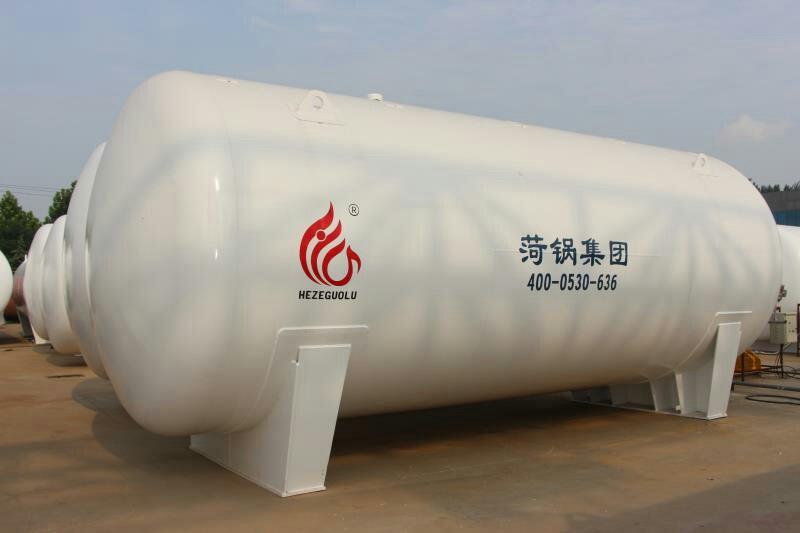
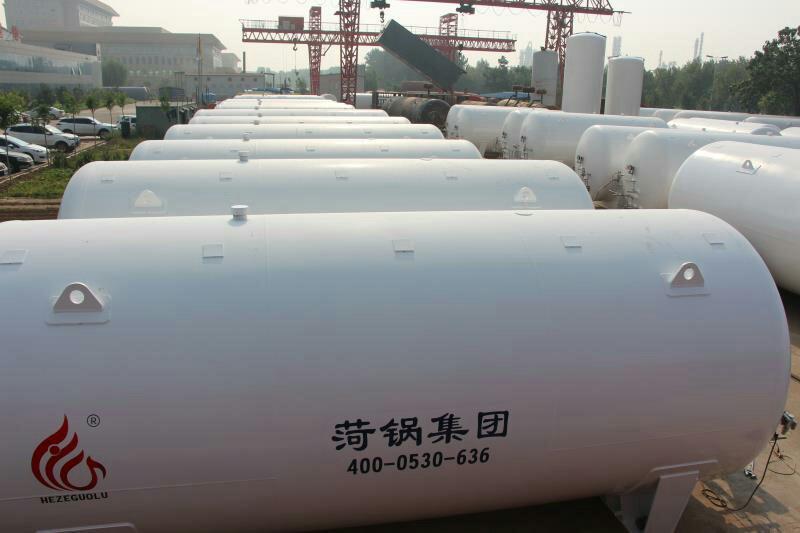
LNG Storage Tank
Internal灌装Design Pressure
External irrigation working temperature
Ambient Temperature
External irrigation design pressure
-0.1MPa
Effective Volume
Internal灌 pressure
0.45~0.8MPa
Filling rate
90%
External irrigation working pressure
-0.1MPa
Evaporation Rate
Internal filling design temperature
-196℃
Inner灌 material
External irrigation design temperature
-19~50℃
External灌Material
Internal filling operating temperature
-146℃
Low Temperature Pump
Operating Temperature
-146℃
Design Head
220m
Design Temperature
-196℃
Maximum Head
255m
Design Flow
L/min
Required Net Positive Suction Head (NPSH)
0.7~3.0m
2. Truck Unloading Turbocharger, Tank Turbocharger
Single-unit processing capacity
M3/h
Highest working pressure
0.8MPa
Imported Temperature
-162℃
Design Pressure
1.6MPa
Export Temperature
-146℃
Design Temperature
-196℃
3. Gas Generator
Minimum nozzle pressure
0.41 MPa
Operating Temperature
-146℃
Traffic
0.15 cubic meters/minute
Measurement Accuracy
+0.5~-0.5%
Hose configuration
Single Tube


