


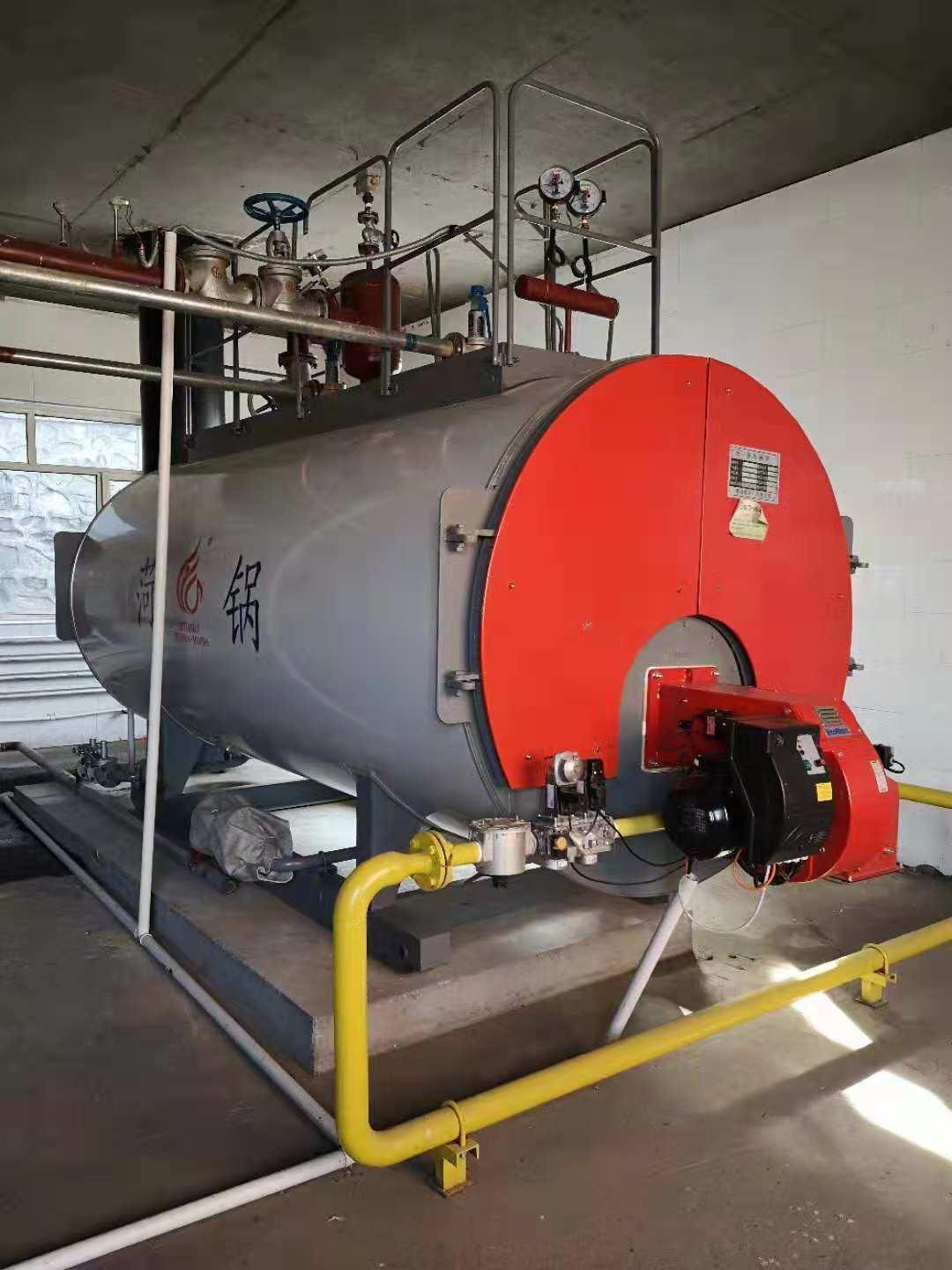
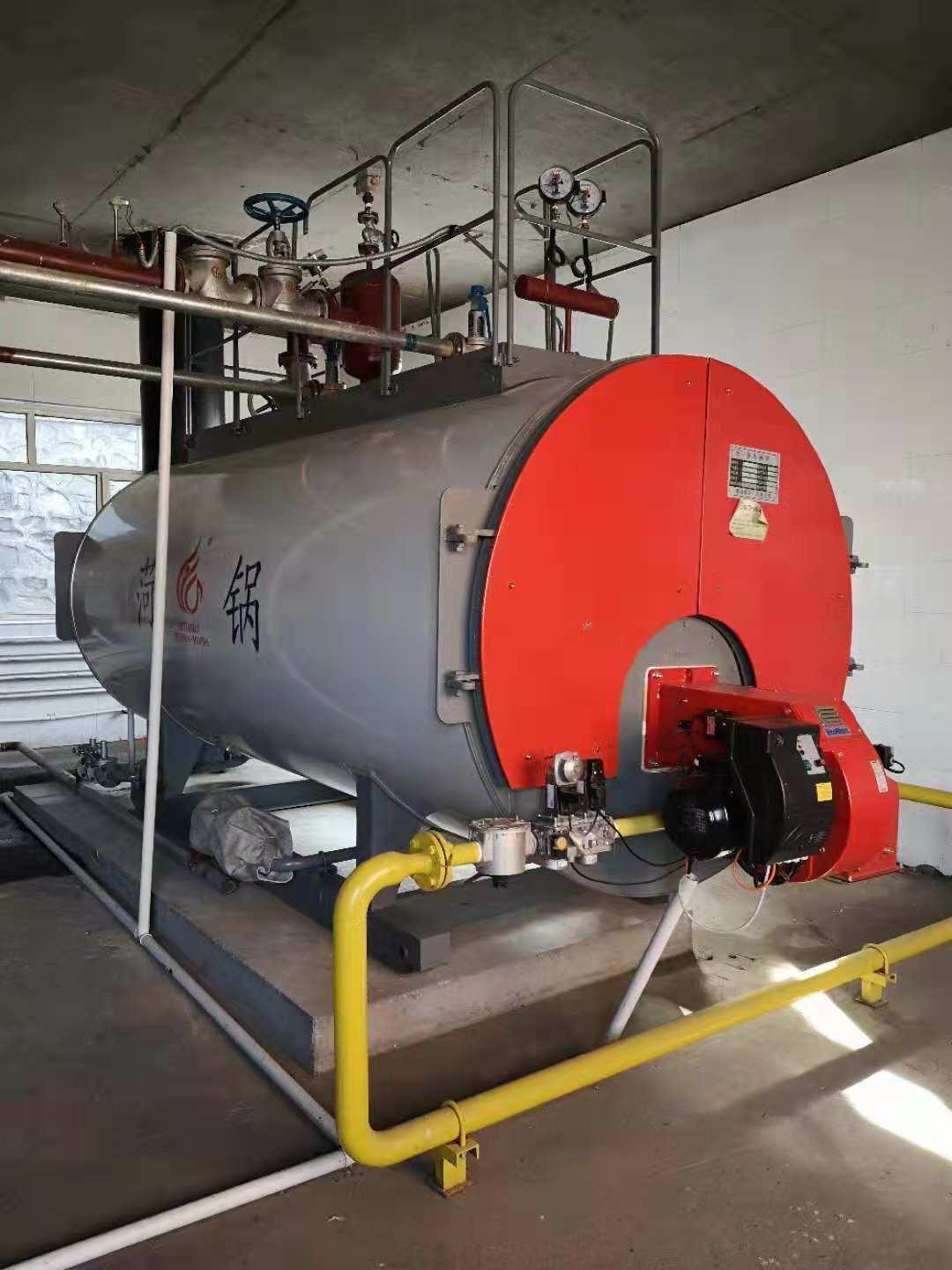
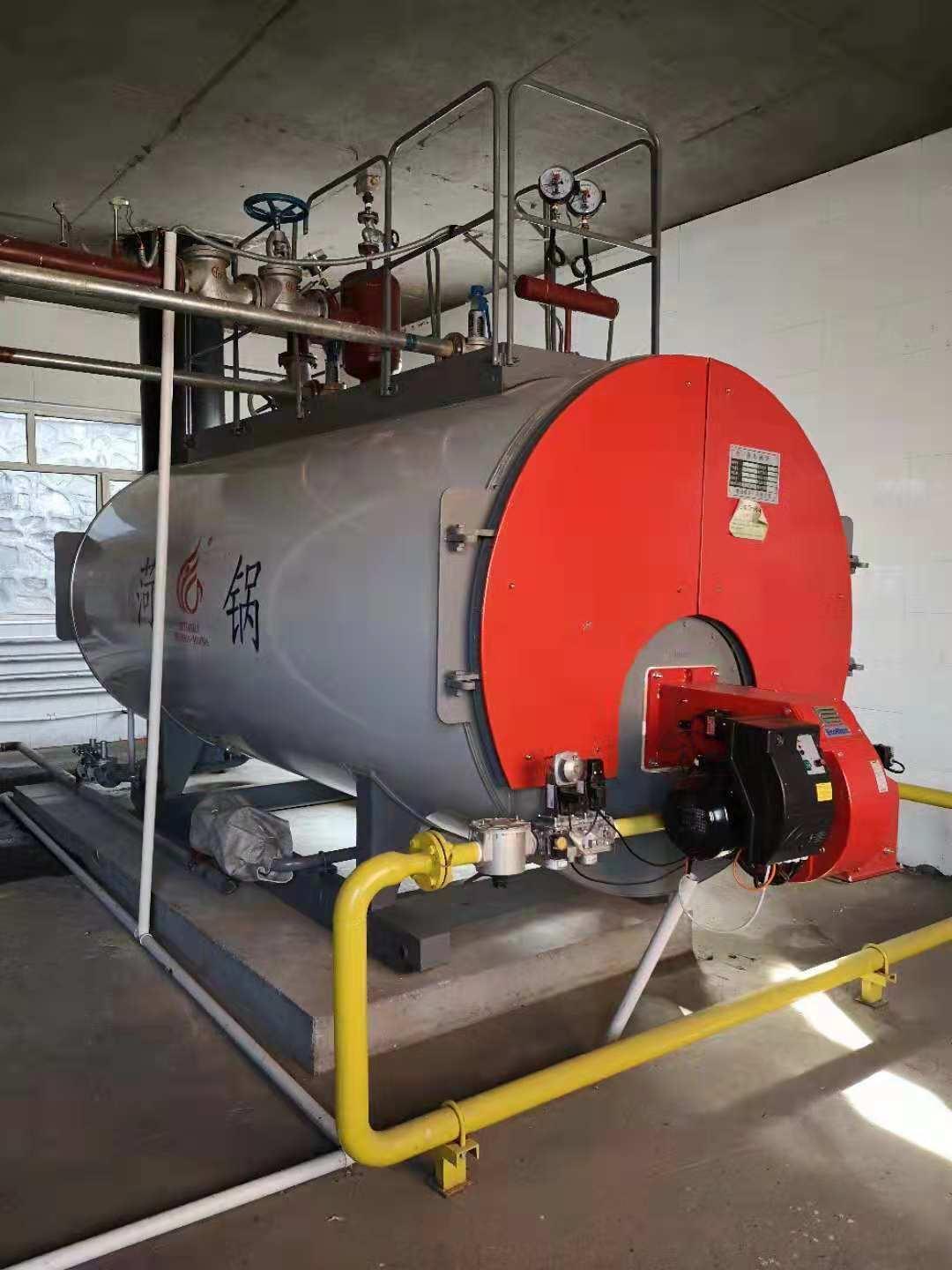
Natural gas is widely recognized as a clean, environmentally friendly, and safe quality energy source. After liquefaction, its volume is reduced by approximately 600 times, which greatly benefits storage. Storage of liquefied natural gas (LNG) is done using atmospheric pressure and low-temperature tanks. Let's discuss the unique features of these LNG tanks.
What are the special requirements for LNG low-temperature storage tanks?
1
Low-temperature resistant
The boiling point of liquefied natural gas (LNG) at atmospheric pressure is -160°C. LNG is stored at low temperatures and atmospheric pressure, lowering the gas temperature below its boiling point. This operation maintains the storage tank's pressure slightly above atmospheric, which, compared to high-pressure, ambient-temperature storage, significantly reduces the tank wall thickness and enhances safety.
Therefore, LNG requires storage tanks with excellent low-temperature resistance and superior insulation properties.
2
High safety requirements
Due to the storage of low-temperature liquids inside the tank, in the event of an accident, the refrigerated liquid would evaporate in large quantities, with the vaporization amount being approximately 300 times that of the original refrigerated state. This would form explosive gas clouds in the atmosphere.
Therefore, standards such as API and BS require double-walled tank structures and the use of containment principles. In the event of a leak in the first layer, the second layer can completely seal off the leaked liquid and evaporated gases, ensuring storage safety.
3
Special Material
The inner tank wall requires low-temperature resistance, typically made of 9Ni steel or aluminum alloys, while the outer tank wall is made of pre-stressed reinforced concrete.
4
Insulation measures are stringent
Due to the maximum temperature difference of up to 200℃ between the inside and outside of the tank, to maintain the internal temperature at -160℃, the tank must have excellent insulation properties, filled with high-performance insulation material between the inner and outer shells. The insulation material at the bottom of the tank must also possess sufficient load-bearing capacity.
5
Good seismic performance
General buildings are required to crack but not collapse under specified seismic loads. To ensure the safety of storage tanks under accidental loads, they must possess excellent seismic performance. For LNG storage tanks, it is required that they neither collapse nor crack under the specified seismic loads.
Therefore, the selected construction site usually avoids seismic fault zones, and seismic tests must be conducted on the storage tanks prior to construction to analyze the structural performance of the tanks under dynamic conditions, ensuring that the tank body remains undamaged under the given seismic intensity.
6
Strict construction requirements
The tank welds must undergo 100% magnetic particle testing (MT) and 100% vacuum leak testing (VBT). Strict selection of insulation materials is required, and the construction should follow the specified procedures. To prevent cracks in the concrete, post-tensioned prestressed construction is used, with strict control over the verticality of the tank walls.
The concrete outer shell should have high compressive and tensile strength, capable of withstanding impacts from ordinary falling objects. Due to the thicker concrete at the bottom of the tank, the hydration temperature needs to be controlled during casting to prevent cracking caused by temperature stress.
What are the features of the components of an LNG low-temperature storage tank?
1
Inner can wall
The inner tank wall is a primary component of low-temperature storage tanks, constructed from steel plates that are resistant to low temperatures and possess good mechanical properties. Typically, grades such as A5372, A516 Gr.60, Gr18Ni9, and ASME's 304 stainless steel are selected.
The inner tank bottom plate and ring plate are made of 16mm thick A537 CL2 steel plate, while the remaining plates can be made of 6.35mm thick A537 CL1 steel plate.
2
Insulation layer
Insulated罐壁
The inner side of the outer tank is coated with polyurethane foam, typically requiring a thermal conductivity of ≤0.03 W/(m·K) for the polyurethane foam, a density of 40-60 kg/m3, and a thickness of approximately 150 mm.
Canned Top Insulation
The inner tank top features a suspended mineral wool insulation layer. For instance, if a tank's top is equipped with 4 layers of glass fiber insulation, each layer is 100 mm thick, with a density of 16 kg/m3 and a thermal conductivity of 0.04 W/(m·K).
Insulated罐 bottom
Insulating the bottom of the tank is complex; in addition to spray-painting polyurethane foam under the steel plate, a waterproof structure must be designed. The following illustration shows the insulation structure of a tank bottom, including a 65mm thick cushioning layer, 60mm thick dense concrete, 2mm thick waterproof felt, two layers of 100mm thick foam glass, and finally, 70mm thick concrete is used to cover it, protecting the external tank concrete from the effects of low temperatures.
3
Concrete outer shell
The exterior tank wall and roof are composed of prestressed reinforced concrete and low-temperature-resistant steel lining plates. The concrete strength should be ≥ 25 MPa. The tank roof and wall must withstand the internal pressure caused by accidental gas leakage, hence the reinforced concrete must possess adequate tensile strength.
For large storage tanks, to ensure the prestressed concrete tank walls are evenly loaded, designs with equal strength but varying thickness or equal thickness but varying strength can be adopted.
What types of LNG storage tanks are there?
Various shapes
Cylindrical: Used for industrial gasification stations, small-scale LNG production units, satellite liquefaction plants, residential gasification stations, and LNG refueling stations for vehicles.
Large cylindrical: Used for base load, peak-shaving liquefaction plants, and LNG receiving stations.
Spheres: Used for civil gasification stations and LNG refueling stations for vehicles.
Different configurations
Ground
Semi-basement
Underground
Different structural styles
Single包容罐, Double包容罐, and Full包容罐.
Various capacities
5 to 50 m3: Commonly used for civil LNG vehicle refueling stations and civil gas liquefaction stations, etc.
50 to 100 m3: Commonly used in industrial gas liquefaction stations.
100 to 1,000 m3: Suitable for small-scale LNG production facilities.
10,000 to 40,000 m3: Used for base load and peak-shaving type liquefaction units.
40,000 to 200,000 m³: For LNG receiving stations.
Storage issues for LNG
Liquid stratification
LNG is a multi-component mixture. Due to variations in temperature and composition, differences in liquid density can cause stratification within the storage tank. Generally, stratification is considered to have occurred within the tank when the temperature difference in the vertical direction of the liquid is greater than 0.2°C and the density is greater than 0.5 kg/m³.
Ageing phenomena
LNG is a multi-component mixture, and during storage, the evaporation rates of the components vary, leading to changes in the composition and density of LNG. This process is known as aging.
Individual stratified LNG convective circulation; Natural convective circulation diagram within the LNG storage tank
Rolling Phenomenon
The rolling phenomenon refers to the rapid up and down movement of two layers of LNG with different densities within the storage tank, resulting in a significant amount of vaporization gas. At this point, the vaporization of the LNG in the tank is 10 to 50 times that of normal natural evaporation, causing the tank's pressure to rapidly rise and exceed the set safety pressure, leading to overpressure in the tank. If not promptly released through the safety valve, it may cause mechanical damage to the storage tank, resulting in economic losses and environmental pollution.
The fundamental cause of rolling phenomena is the differing densities of liquid layers within the storage tank, which results in stratification (Figure 1). The composition of the liquid has a significant impact on the timing and severity of evaporation and rolling.
LNG tanks, during long-term storage, spontaneously form boiling due to the evaporation of lighter components (mainly N2 and CH4). After a period of time (hours to even days) with new LNG of different densities and temperatures being loaded into tanks that originally contained LNG, a sudden boiling phenomenon occurs. For continuously operating receiving stations, the boiling in tanks primarily falls under the second category.
The upper part of the LNG storage tank has a lower density, while the bottom part has a higher density. Once the LNG inside the tank stratifies, with the introduction of external heat, the lower LNG's temperature increases, causing its density to decrease. The upper LNG becomes heavier due to the volatilization of BOG. Through mass transfer, the lower LNG rises to the upper part, reducing pressure and becoming supersaturated liquid. The accumulated energy is rapidly released, producing a large amount of BOG, resulting in the rolling phenomenon.
Note that LNG stratification is the prerequisite for rolling.
Methods for Detection and Elimination of Delamination
Temperature Monitoring
Density Monitoring
BOG Monitoring
Once the tank stratifies, pump out the LNG from the bottom of the tank first during the export.
After LNG is layered, a top-entry device should be used for circulation operations to promote mixing of LNG within the storage tank and prevent rollover. However, this also increases the amount of vapor produced as well as the cost to handle the increased vapor (as shown in Figure 4).
During unloading, if the LNG density on board the ship is heavier than the density in the storage tank, load through the top discharge pipe. Conversely, load through the bottom discharge pipe. This promotes natural mixing of LNG of different densities within the tank, eliminating stratification.


