


Safety Precautions for Using lng Liquefied Natural Gas Filling Station Storage Tanks:
1. Tanks with dual root valves, and valves near the tank, should remain open.
2. During unloading, it is recommended to fill the tank to no more than 90% of its effective volume (manufacturers suggest between 85%-95% of the geometric volume), with the remaining capacity not to be less than 10%.
3. High pressure in an LNG tank does not necessarily indicate a problem with the tank itself. Consider the entire system's heat loss and liquid retention time. Generally, when the pressure exceeds 1.1 MPa, a discharge to relieve pressure is required. Long-term high-pressure conditions can affect the lifespan of the vacuum in the tank's insulation.
4. If the tank exhibits extensive and prolonged "sweating" or frosting, and the pressure is rapidly and continuously increasing, consider the vacuum failure. Immediate action is required, including manual pressure relief and transferring the LNG liquid within the tank.
5. It is recommended to conduct vacuum testing on the storage tank annually. A storage tank is considered qualified if it is a hot tank with a vacuum level less than 1 Pa, or a cold tank with a vacuum level less than 0.5 Pa (0.00375 TOF).
6. Tanks cannot be transported with liquid. When not in use for an extended period, the LNG liquid inside the tank should be drained.
7. Storage tanks are pressure vessels. According to the "Regulations for Safe Technical Supervision of Pressure Vessels" promulgated and implemented by the People's Republic of China, installation, maintenance, and modification of pressure vessels require units with corresponding qualifications to notify the local quality supervision department, and obtain a permit before proceeding with installation, maintenance, or modification.
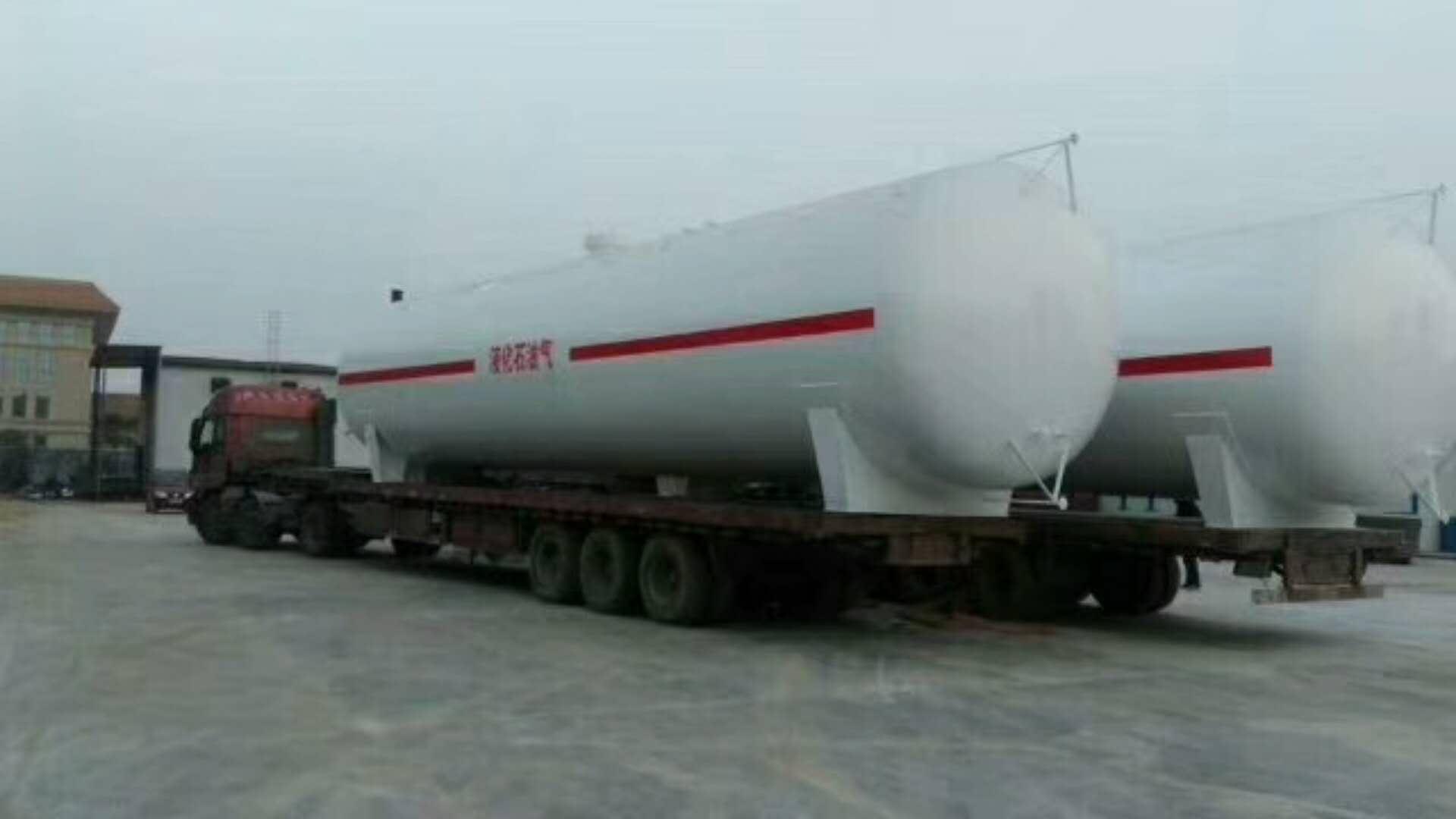
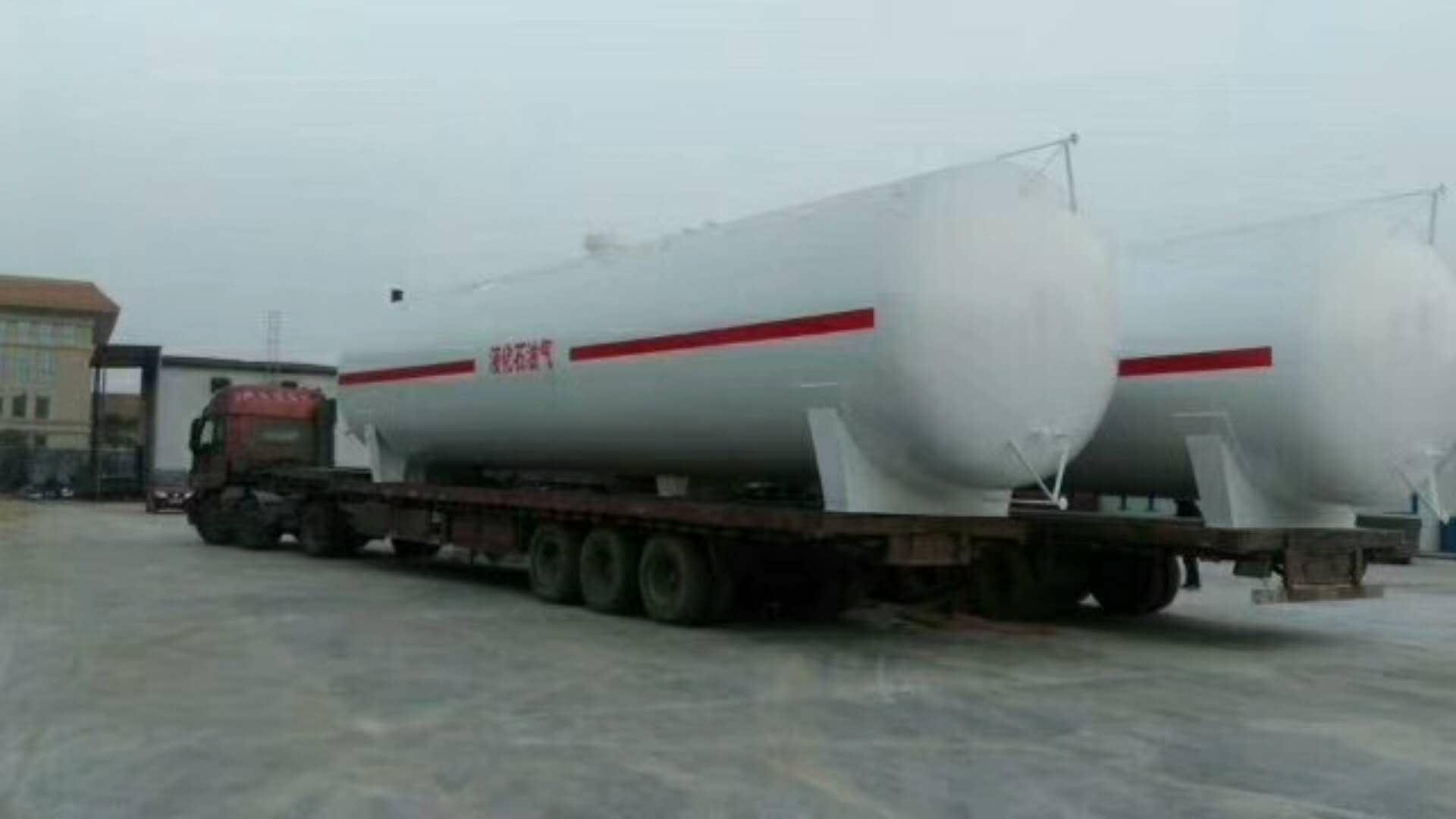
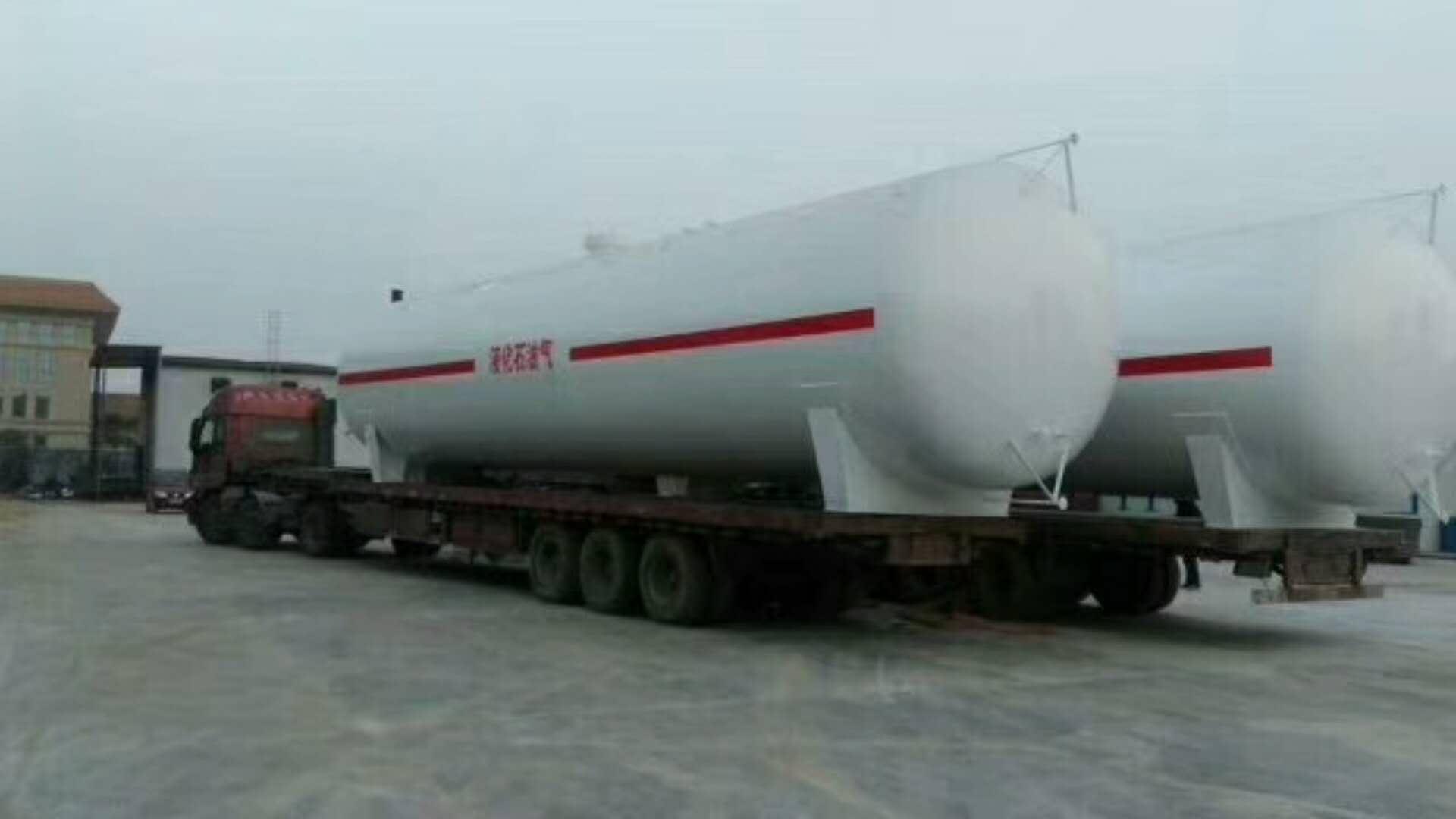
LNG Storage Tanks
LNG Tanks, Manufacturer of LNG Tanks, Manufacturer Producing LNG Tanks


