Carbon Dioxide Storage Tank
1 Overview
The low-temperature liquid carbon dioxide storage tank consists of a double-wall container with an inner and outer vessel, designed as a vacuum powder insulation type. It is available in both vertical and horizontal configurations. The inner vessel is made of 16MnDR material, while the outer vessel can be selected as Q235-B or 16MnR, depending on the user's location. The annular space between the inner and outer vessels is filled with insulation material, pearlite sand, and then evacuated. (Available in both vertical and horizontal types)
2 Uses
Storage: Liquid Carbon Dioxide (LCO2)
3 Insulation Performance
Insulation materials are filled with pearl sand in a heated state, and then vacuumed. The standard vacuum degree after the sandwich is sealed is:
Effective Volume: ≤ 10m³ with vacuum ≤ 2Pa, > 10m³ ≤ 50m³ with vacuum ≤ 3Pa, > 50m³ ≤ 100m³ with vacuum ≤ 5Pa. Achieved with exquisite technology, unique filling process, and quality assurance commitment, to deliver optimal thermal insulation.
4 Security Technical Features
The low-temperature liquid carbon dioxide storage tank utilizes a "combined, safety system valve" that employs two safety valves working simultaneously. During regular safety valve inspections, one side can be shut off while the other continues to operate, ensuring the safe operation of the tank.
5 Operating Systems
The storage tank container is equipped with a pressure gauge, differential pressure level gauge, and level reference chart at the top, allowing for real-time monitoring of the container's stored volume and pressure changes, facilitating operations during filling and draining.
6 Inspection System
The tank bottom is equipped with a dedicated tank vacuum detection system, vacuum gauges, and vacuum valves, which can be periodically or immediately checked with a vacuum gauge to ensure the interlayer vacuum level, thus ensuring the safe operation of the tank.
7 Technical Parameters
Design Pressure: 2.3 MPa
Working Pressure: 2.16 MPa
Design Temperature: -40°C
Operating Temperature: -20℃
Effective Volumes: 5m³, 10m³, 15m³, 20m³, 30m³, 50m³
Liquid Oxygen Storage Tank
Overview
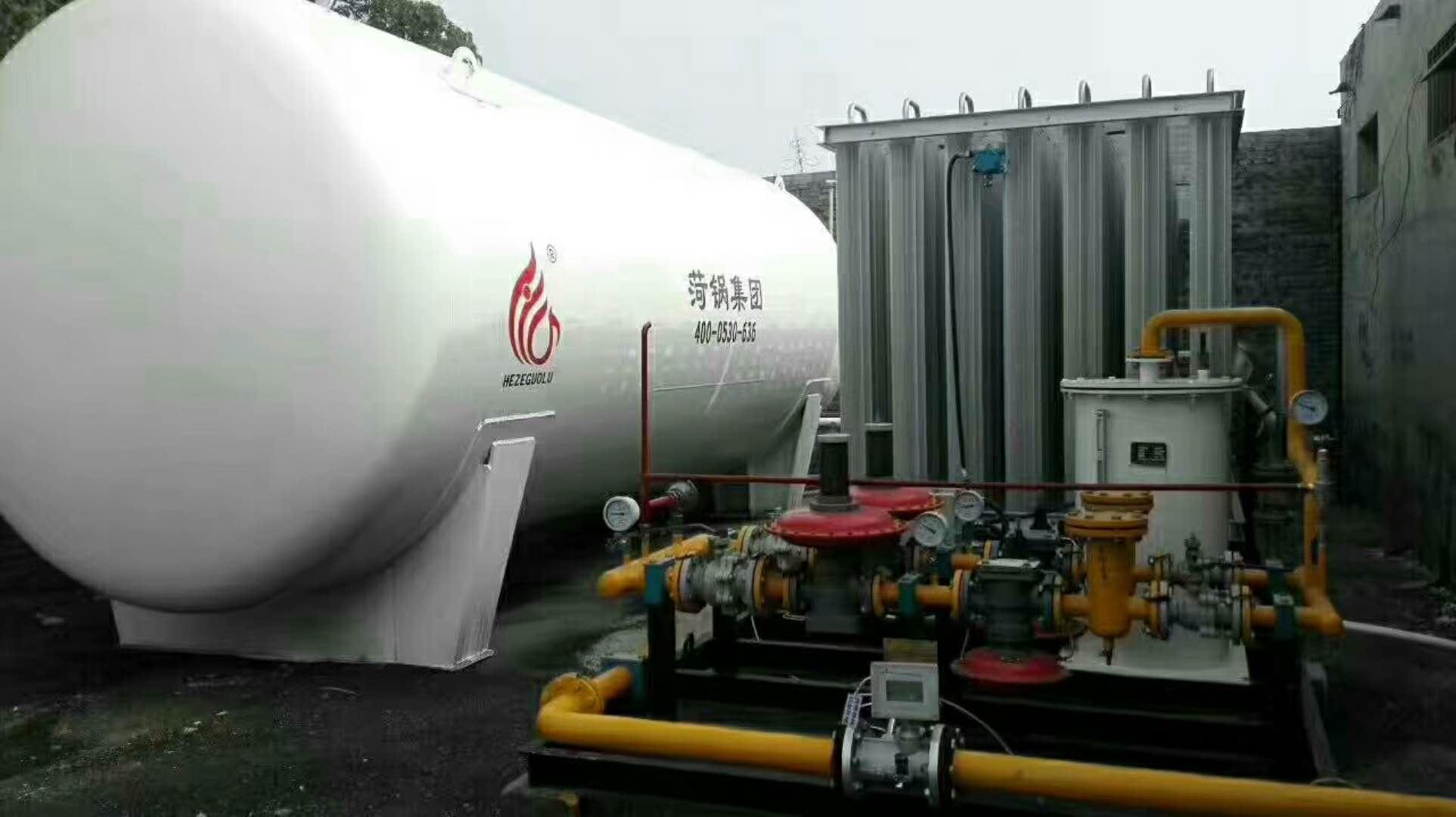
This series of low-temperature storage tanks are double-layer fixed vacuum powder-insulated storage tanks (vessels). The inner shell is made of stainless steel (with 16MnDR for CO2 storage tanks), while the outer shell is made of Q235B or 16MnR. Surface anti-corrosion coating is applied through sandblasting, sweeping, and spraying processes, accompanied by a two-component rapid curing liquid paint.
Application Range and Features
Primarily used for low-temperature storage of liquid oxygen, nitrogen, argon, and carbon dioxide, etc. One cubic meter of liquid can replace 130 gas cylinders. It can eliminate the daily round-trip transportation of gas cylinders, saving a substantial amount of labor and material resources. Widely applied in industries such as gas, hospitals, and metal smelting, where high gas consumption is required, it is the best product for centralized gas supply. It features a long service life, compact structure, minimal land occupation, centralized control, and ease of operation.
2 Product Model
5 cu ft, 10 cu ft, 15 cu ft, 20 cu ft, 30 cu ft, 50 cu ft, 100 cu ft
Technical Data
Maximum Working Pressure: 1.6 MPa
Maximum working pressure of carbon dioxide tank:
Liquefied Natural Gas (LNG) Storage Tank
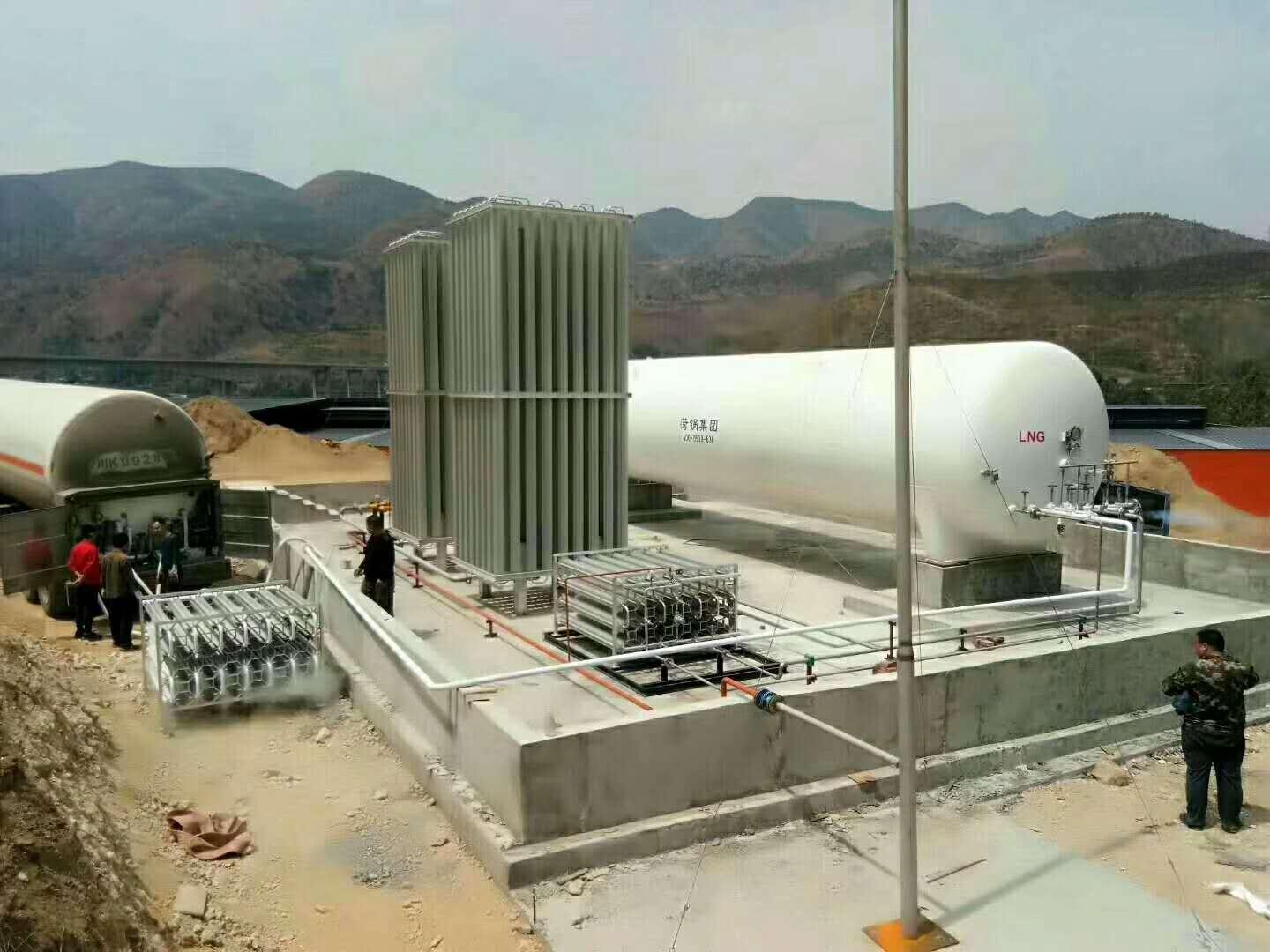
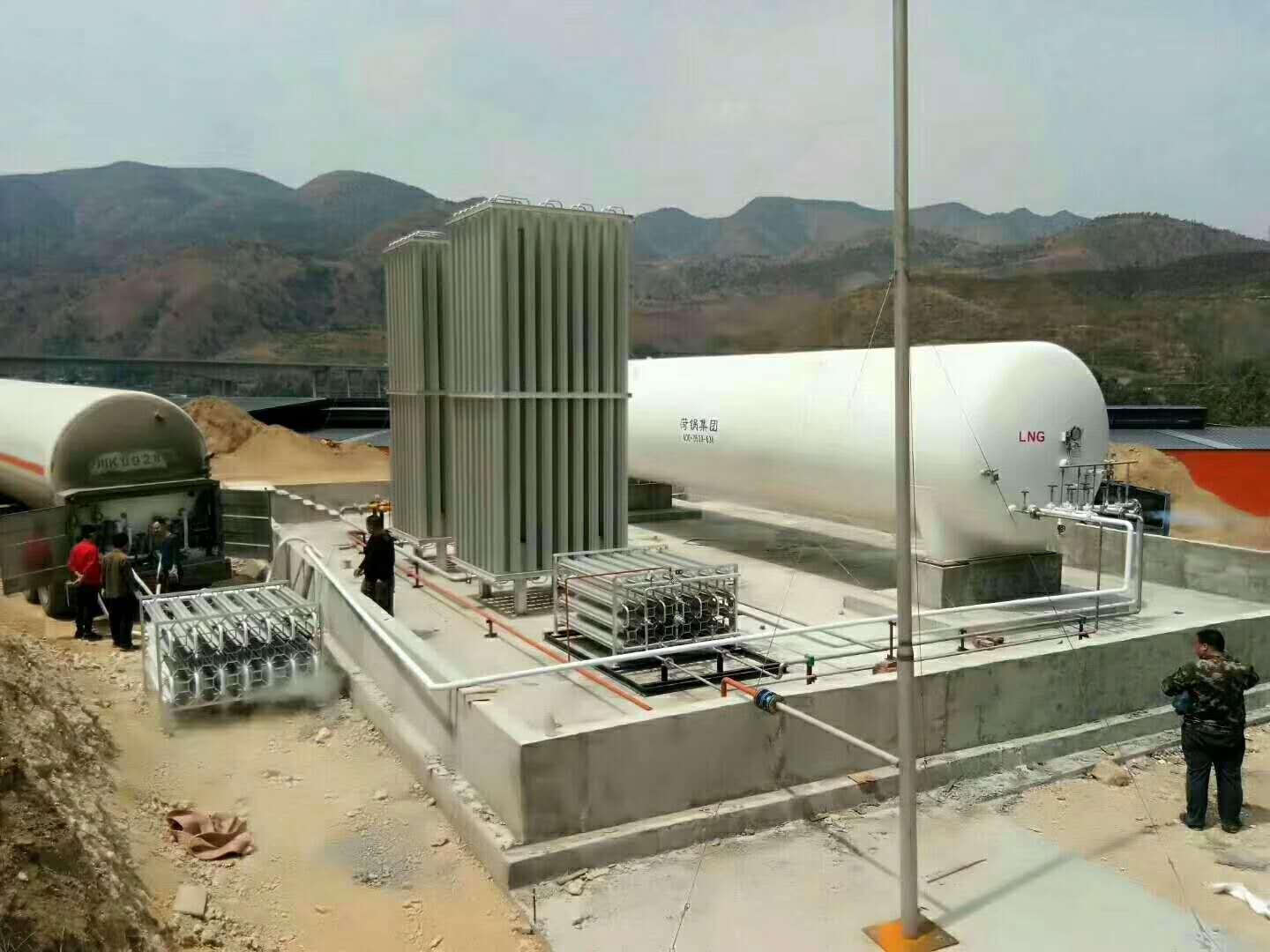
Liquefied Natural Gas (LNG) storage tanks are specialized products designed for storing liquefied petroleum gas, classified as special equipment and a third category pressure vessel. Made from 06Ni9DR material, these tanks undergo ultrasonic testing, hydrostatic and pneumatic testing, on-site inspections by the Technical Supervision Bureau, and are issued with pressure vessel inspection certificates. The manufacturing process includes external rust removal and painting, among other techniques. The quality of the LNG storage tanks is strictly assessed for the material of the pressure components, dimensions, weld quality, operational quality, installation quality, internal fittings, and safety accessories.
Routine physical and chemical tests for the material of the drum, such as mechanical properties and chemical composition.
The welding joints, welds, head ends of the tanks, and the mutual geometric positions of all pressure components are rigorously inspected through X-ray non-destructive testing and magnetic particle inspection. Tests are conducted on the product's sealing, pressure resistance, and all technical indicators that could affect the safe operation of the product.
Common structures of LNG storage tanks include: vertical LNG tanks, horizontal LNG tanks, vertical mother-child tanks, and atmospheric storage tanks.
Vertical LNG Storage Tank
Volume options include 50 cu, 100 cu, 150 cu, and 200 cu.
Horizontal LNG Storage Tank
Volume options include 50 cubic and 100 cubic.
Vertical mother-child tanks:
Sub-Containers refer to an internal container composed of multiple sub-containers connected in parallel to meet large storage capacity requirements. These sub-containers are assembled side by side within a large outer container. The number of sub-containers ranges from 3 to 7, generally not exceeding 12. The volume of a single sub-container should not be too large, typically between 100 to 150 cubic meters, with the maximum reaching 250 cubic meters. Common sizes include 1000 cubic meters, 1750 cubic meters, and 2000 cubic meters.