


LNG Fueling Station Process
The LNG fueling station process is divided into four steps: unloading process, pressure regulation process, fueling process, and pressure release process.
1. Unloading Process
Transfer LNG from tank trucks or containers to the LNG storage tanks at the refueling station can be done in three methods: turbocharger unloading, low-temperature pump unloading, and combined unloading using both turbocharger and low-temperature pump.
1) Turbocharger unloading: After unloading, the tanker needs to be depressurized by 0.2 to 0.3 MPa, requiring the release of a large volume of gas, which takes a considerable amount of time.
2) The gas phase space of LNG tank trucks and storage tanks is connected, and the gas is transported to the storage tank through low-temperature pumps. Disadvantages: High energy consumption, complex process flow.
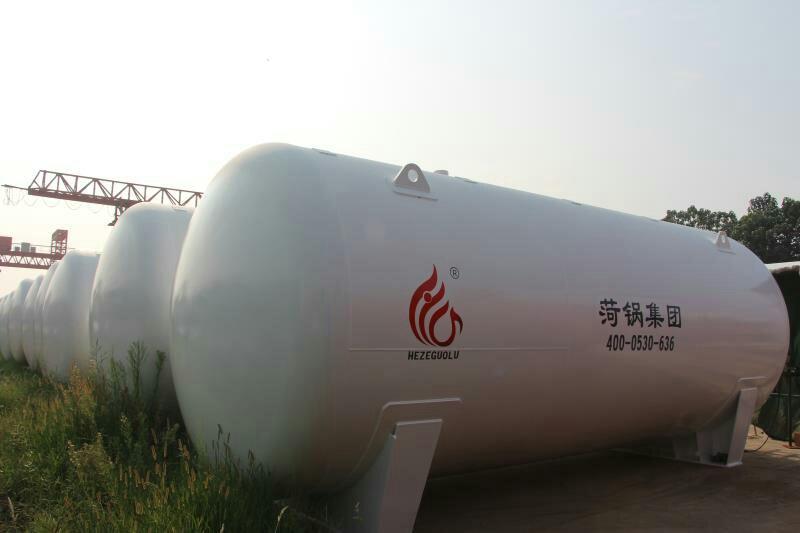
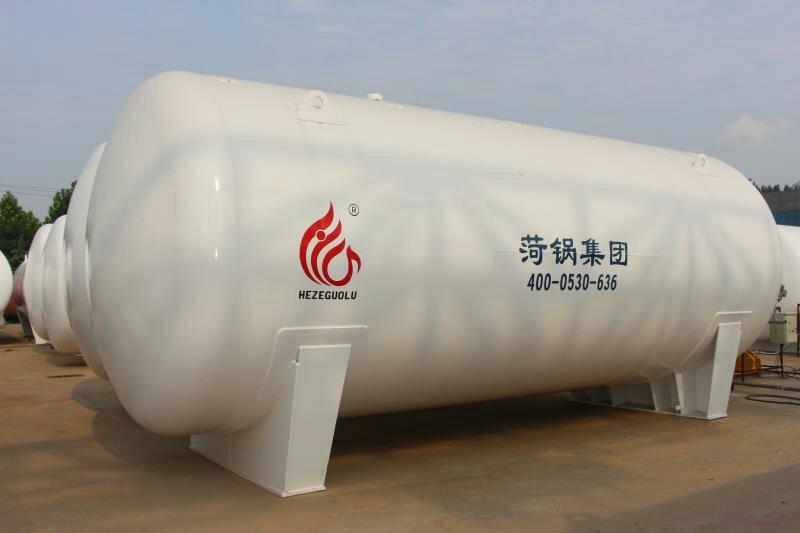
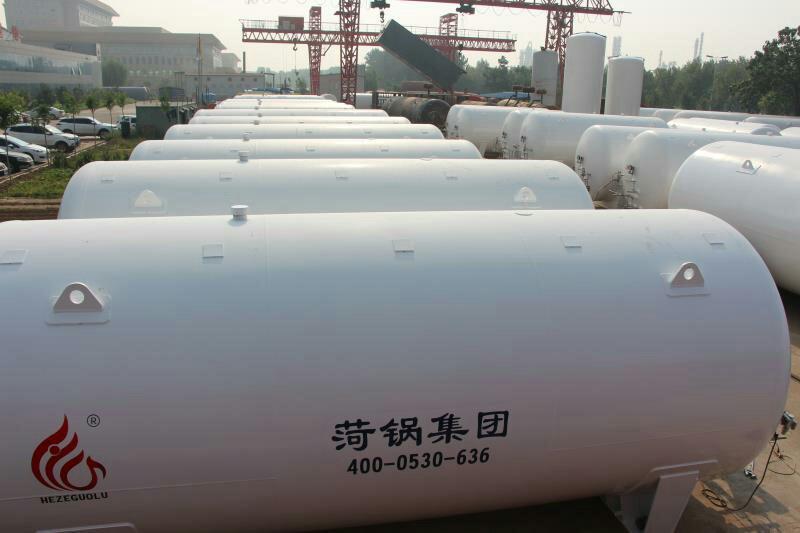
3) Combined unloading of turbochargers and low-temperature pumps: First, connect the vapor space of the LNG tank truck and storage tank, then disconnect them. During the unloading process, use the turbocharger to moderately increase the pressure of the tank truck, and use the low-temperature pump to transfer LNG to the storage tank. Drawbacks of 30, 60, and 100 cubic meter LNG storage tanks: They consume electricity, produce vented gases, and have complex processes.
More often use the second unloading method.
2. Pressure Regulation Process
The pressure inside the vehicle's gas cylinder is relatively high, typically ranging from 0.5 to 0.8 MPa. For transportation and storage, lower pressure is preferable. Therefore, before refueling a car, the tank needs to be pressurized. There are three methods: pressure increase with a booster, low-speed circulation with a pump, and combined pressure increase with both a booster and a low-speed pump.
3. Gasification Process
After being pressurized by a low-temperature pump, the gas is measured and then filled into vehicle gas cylinders by the gas refueling machine, available in single-line and dual-line configurations.
When the vehicle-mounted cylinder pressure is low, use the overhead sprinkling method to reduce pressure and minimize emitted gases.
When the pressure of the vehicle-mounted gas cylinder is high, a double-line charging method is used, and the gas inside the cylinder is recovered to the storage tank.
4. Pressure Relief Procedure
Excess pressure is released by the safety valve.
Section 9: LNG Trailer-mounted Refueling Station Process Flow
Ten. L-CNG Vehicle Fueling Station Process
Eleven. Multi-functional Gas Filling Station Process Flow
Chapter 12: CNG Filling Station Process
Thirteen. Operations
What are LNG and CNG vehicles?
What is the function of an LNG liquefaction plant?
3. What are the classifications of gas stations for vehicles?
4. Briefly describe the four main process flows of an LNG gasification station.
When unloading, when should you use the top injection method, and when should you use the bottom injection method? Why?
6. What method is used for the self-pressurization of the storage tank?
Why do we use EAG heaters during gas venting?
Why is a cofferdam set up around the LNG storage tank and its auxiliary equipment?
9. Briefly describe the main equipment of an LNG liquefaction plant and its functions.
10. Briefly describe the main equipment of an LNG vehicle refueling station.
11. Briefly describe the main process flow of a multifunctional vehicle gas station.
Huzhou Boiler Factory Co., Ltd. was established in1984Year, located in the Jining Road of the Development Zone in Heze City2218Lot No., Occupied Area10Over 10,000 square meters, main workshop area30000㎡. Current staff800Multiple, including engineers and technical personnel110Additional personnel, fixed assets2.5Billions.
The company boastsBGrade A boiler manufacturing qualificationA2Grade pressure vessel design and manufacturing qualifications2Grade boiler installation andGB、GCClass A pressure pipeline installation qualification, equipment and machinery installation qualification, etc. The company values scientific research and innovation, being a national high-tech enterprise, a famous trademark enterprise in Shandong Province, a provincial energy-saving and environmental protection demonstration enterprise, and a member unit of the China Chemical Equipment Association.
The company is highly focused on the green energy special equipment industry and is a professional manufacturer of special equipment such as boilers and pressure vessels. Our leading products include: fuel oil(Gas)Boilers, biomass boilers, waste heat boilers, coal-fired boilers, organic heat carrier boilers, and other boiler products. LNGTanks, Oxygen/Nitrogen/Argon Storage TanksCO2Tanks and vacuum-insulated cryogenic pressure vessels, LPG storage tanks, liquid ammonia storage tanks, denitration and auxiliary equipment, heat exchangers, complete chemical equipment sets, stainless steel pressure vessels, refrigeration auxiliary machinery, and other pressure vessel products.
The company operates with strict and efficient management.ISO9001Quality Management SystemISO14001Environmental Management SystemOHSAS18001Occupational Health and Safety Management System Certification. The company holds self-owned import and export rights, with products distributed to over twenty provinces, municipalities, and autonomous regions, as well as exported to Southeast Asia, Central Asia, Africa, Latin America, and other countries and regions, enjoying high praise from users.
Company specializes in“Becoming a top supplier of special equipment in China, validating the reputation of Made in China.”In pursuit of our vision for development, the company adheres to“Realize employee dreams, create customer value, and strive for the prosperity of our motherland.”Our mission is to commit to the development of green special equipment, delivering exceptional products and services to society.


