


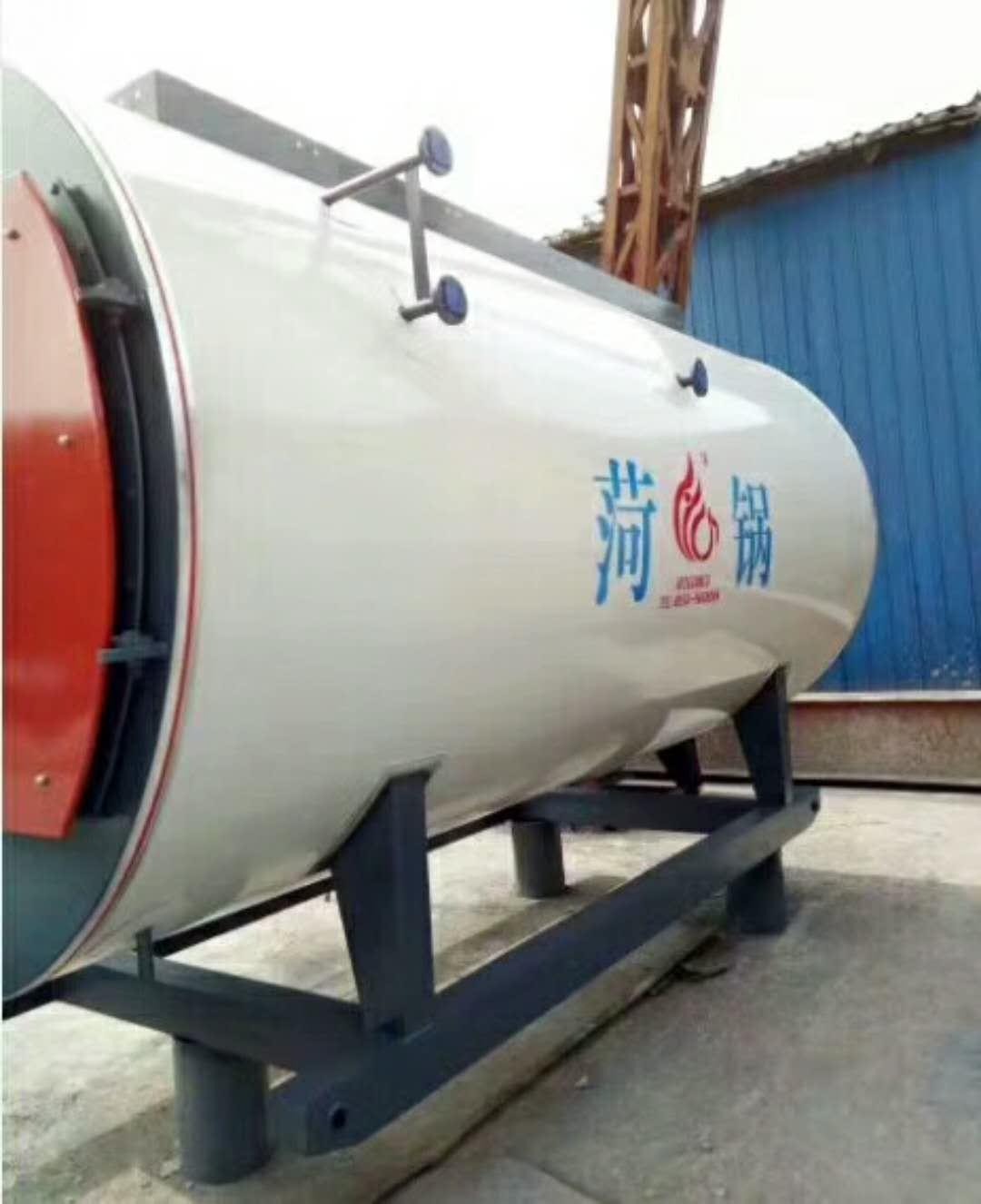
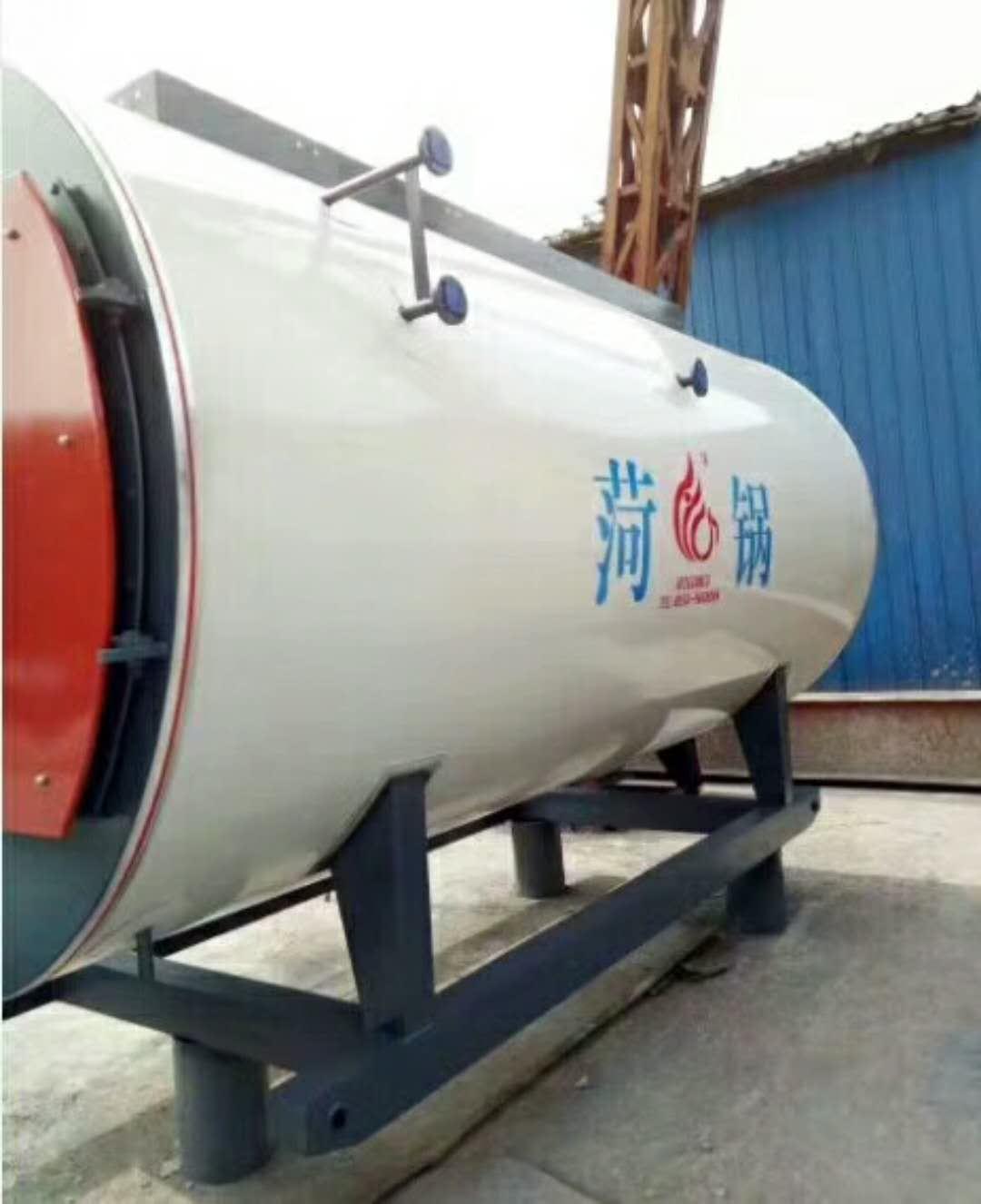
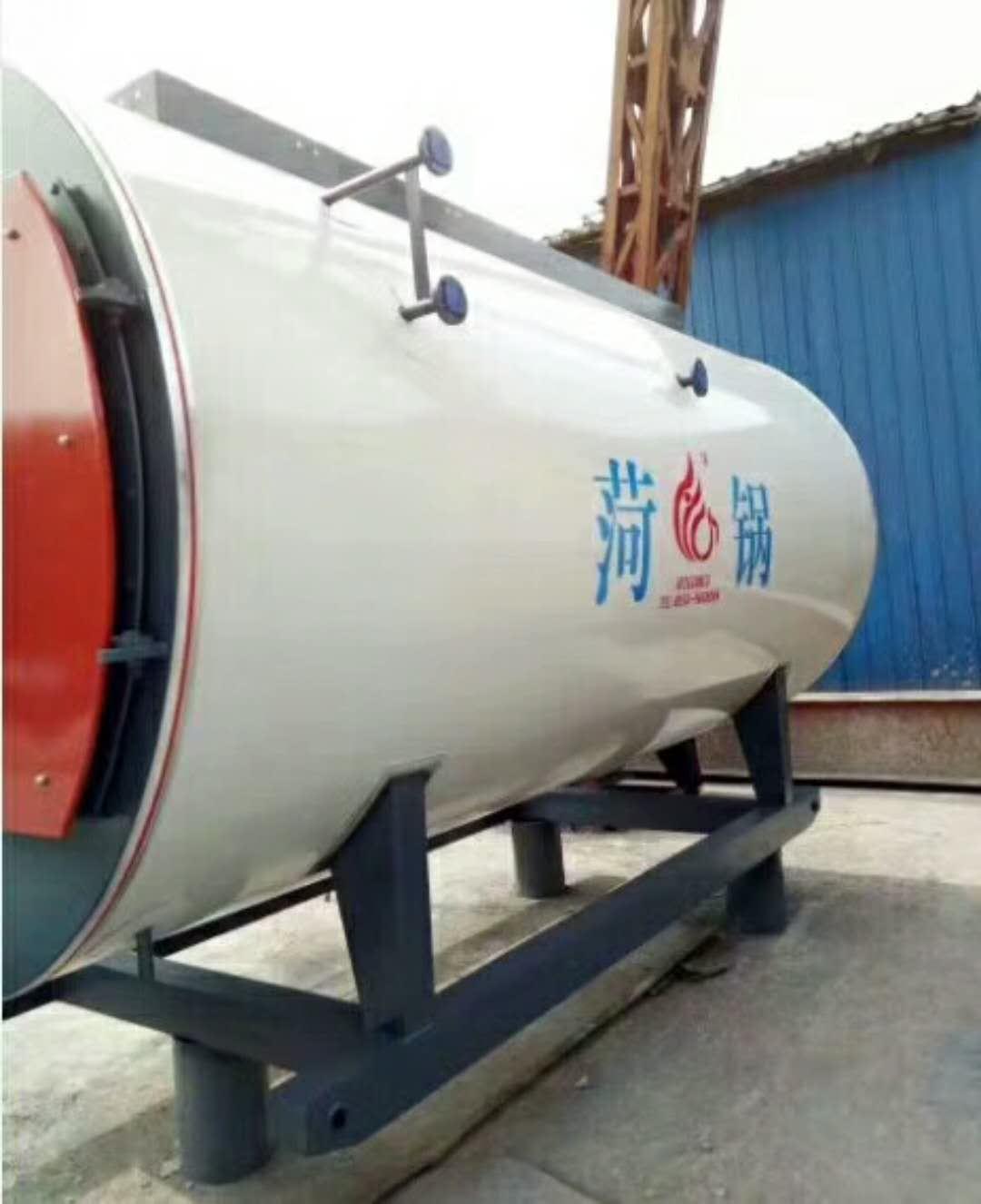
He Guo Group 60 cubic meter LNG storage tank price
60-cubic-meter LNG storage tank is a low-temperature vacuum-insulated tank of the powder insulation type. Its structure consists of an inner container and an outer container, forming a double-layered vessel. The materials used are Austenitic stainless steel, with the outer container material selected as Q235-B or 16MnR based on the user's location. The annulus between the inner and outer containers is filled with pearlite insulation material and evacuated. The insulation material is a vacuum-filled pearlite in the hot state.
60-cubic-meter LNG Storage Tank - Liquefied Natural Gas Storage Tank Applications
Our products are suitable for industries such as steel, metallurgy, construction, chemical, pharmaceutical, food, glass, civilian, and medical, while reducing gas consumption costs. They are the preferred liquid gas storage containers across various industries.
Product Features of Liquefied Natural Gas Storage Tanks
1. Liquefied Natural Gas Tank Models: Vertical and Horizontal
2. Tank Effective Volume: 2m3-100m3 (common volumes include 2m3, 3m3, 5m3, 10m3, 15m3, 20m3, 30m3, 50m3, 100m3) and can be customized according to customer specifications.
3. Working Pressure: ≥0.2 MPa (common pressures include 0.8 MPa, 1.6 MPa)
4. Storage Media: Liquid Oxygen (LOX), Liquid Nitrogen (LIN), Liquid Argon (LAr), Liquid Carbon Dioxide (LCO2), Liquefied Natural Gas (LNG), etc.
5. Design Pressure: 0.84 Mpa, 1.68 Mpa; Operating Pressure: 0.8 Mpa, 1.6 Mpa
6. High impact resistance and strong shock absorption.
60 cubic meter LNG tank development of liquefied natural gas storage tanks
With the development of the gas industry and natural gas industry, the application of liquefied natural gas (LNG) storage tanks has become increasingly widespread. In addition to large-scale LNG facilities and LNG receiving terminals, which are equipped with large and extra-large horizontal low-temperature storage tanks, air separation units, small and medium-sized LNG facilities, LNG storage and distribution stations, and LNG gasification stations generally use small and medium-sized horizontal low-temperature storage tanks, with capacities typically under 10,000 m³. As the core equipment of these units, the choice of tank type significantly affects the overall cost and operating expenses of the facility. Selecting the appropriate type of horizontal low-temperature storage tank to meet the installation requirements has become particularly important.
LNG Gasification Plant Major Equipment
1. LNG Storage Tank
Tanks are the main equipment of LNG liquefaction stations, accounting for a significant portion of the construction cost. Great emphasis should be placed on tank design.
1.1 Material Selection for LNG Tanks
During normal operation, the working temperature of the LNG tank is -162.3°C; it must be pre-cooled to -196°C before the first use.
Liquid nitrogen pre-cools the tank, with the tank's design temperature at -196°C. The inner tank must withstand both the working pressure of the medium and the low temperature of LNG, necessitating that the inner tank material possess excellent comprehensive mechanical properties at low temperatures, particularly good low-temperature toughness. Therefore, the inner tank material is selected as 0Crl8Ni9, which is equivalent to ASME (American Society of Mechanical Engineers) standard 304.
As a normal temperature and external pressure vessel, the outer shell material is selected to be low-alloy structural steel Q345R, low-carbon steel Q245R, and Q235B.
1.2 Assume Design
Tapped openings on the inner tank of the storage tank include: inlet liquid port, outlet liquid port, liquid discharge port, vapor port, level check port, upper level gauge port, lower level gauge port, and 8 process manholes. The material of the tapped openings on the inner tank is all 0Cr18Ni9.
For ease of regular measurement of vacuum and evacuation, a vacuum evacuation port is provided on the bottom cover of the outer shell (the port is sealed after evacuation). To prevent vacuum failure and the leakage of the inner tank medium into the outer shell, a pressure relief device is installed on the top cover of the outer shell.
2. Unloading Pressure Vapourizer
Due to the absence of pressurization equipment on the LNG tanker trucks, an onboard gasification regasifier with a capacity of m3/h is set up to increase the pressure of the tankers to 0.6 MPa. The temperature of the LNG entering the regasifier is -162.3°C, and the temperature of the gaseous natural gas exiting the regasifier is -145°C.
3. Storage Tank Pressure VapORIZer
After filling a 100m³ LNG tank with 90m³ of LNG, the pressure in the 10m³ vapor space is raised from the unloading state of 0.4MPa to the working state of 0.6MPa within 30 minutes. According to the calculation results, one 200m³/h air-temperature vaporizer is selected for each tank to increase pressure, with the LNG entering the booster vaporizer at -162.3°C and the gaseous natural gas exiting the booster vaporizer at -145°C.
Designs commonly feature one LNG tank with one booster gasifier. Multiple tanks can also share one or a set of gasifiers for boosting, which can streamline the process, reduce equipment, and lower costs through valve switching.
4. Air-cooled Vaporizer
The air-temperature vaporizer is the main vaporization facility for city gas supply from LNG vaporization stations. The vaporization capacity is determined based on peak-hour gas consumption, with a certain margin, usually set at 1.3 to 1.5 times the peak-hour gas consumption. They are grouped in sets of 2 to 4, with the design incorporating 2 to 3 sets, switching between them.
5. Water Bath Vaporizer
When the ambient temperature is low and the outlet gas temperature of the air-cooled gasifier is below 5°C, a water bath-type natural gas heater is connected in series after the air-cooled gasifier to heat the natural gas after gasification [5, 6]. The heating capacity of the heater is determined as 1.3 to 1.5 times the peak-hour gas consumption.
6. BOG Heater (Boil Off Gas)
Essentially an air-temperature vaporizer
Due to the largest BOG volume occurring post-unloading of the recovery trailers, the design capacity of the BOG air-temperature heater is calculated based on this, with the unloading time for the gaseous natural gas post-recovery trailer at 30 minutes. Taking a 40m3 trailer's pressure drop from 0.6MPa to 0.3MPa as an example, the required capacity of the BOG air-temperature vaporizer is 240m3/h. Generally, the BOG air-temperature heater is selected based on the number of trailers that can be simultaneously unloaded at the gasification station. Typically, the heating capacity of BOG heaters ranges from 500 to 1000m3/h. During winter, water bath-style natural gas heaters are used, with BOG serving as fuel for hot water boilers. The rest of the year, it is sent into the urban transmission and distribution network.
7. BOG Buffer Tank
For peak-shaving LNG gasification stations, to recover excess gas from unloading tankers during non-peak periods and BOG (Boil Off Gas) from storage tanks, or for natural gas blending stations to achieve uniform blending, it is common to add a BOG buffer tank at the outlet of the BOG heater. The capacity of the tank is set according to the recovered excess gas from tankers.
8. Safety Relief Gas (EAG) Heater
The EAG air-temperature heating equipment capacity is calculated based on the maximum safe venting quantity of a 100m³ tank. The calculated safe venting quantity for the 100m³ tank is 500m³/h, and a single air-temperature heater with a gasification rate of 500m³/h was selected in the design. The inlet gas temperature to the heater is -145°C, and the outlet gas temperature is -15°C.
9. Pressure Regulating, Metering, and Odorization Equipment
Select pressure-reducing devices based on the scale of the LNG gasification station. Typically, two pressure-reducing units are installed, with self-contained regulators equipped with controllers and overpressure cut-off switches.
The measurement is conducted using a turbine flow meter. The odorant used is tetrahydrothiophene, and the dosing is powered by a diaphragm metering pump, injecting the odorant into the gas pipeline based on flow signals.
Filter
Filter Structure Features
The station uses a mesh core filter for gas, designed to remove particulate impurities and water from the outgoing natural gas. The filter cores are replaceable, and the removed cores (made of stainless steel mesh) can be cleaned and reused. The filter is equipped with a pressure gauge that indicates the pressure difference between the inlet and outlet gases, indicating the degree of clogging of the filter cores. The standard precision for the filter cores is typically 50um, with the water collection chamber volume exceeding 12% of the filter's volume.


