


Global LNG Industry Development
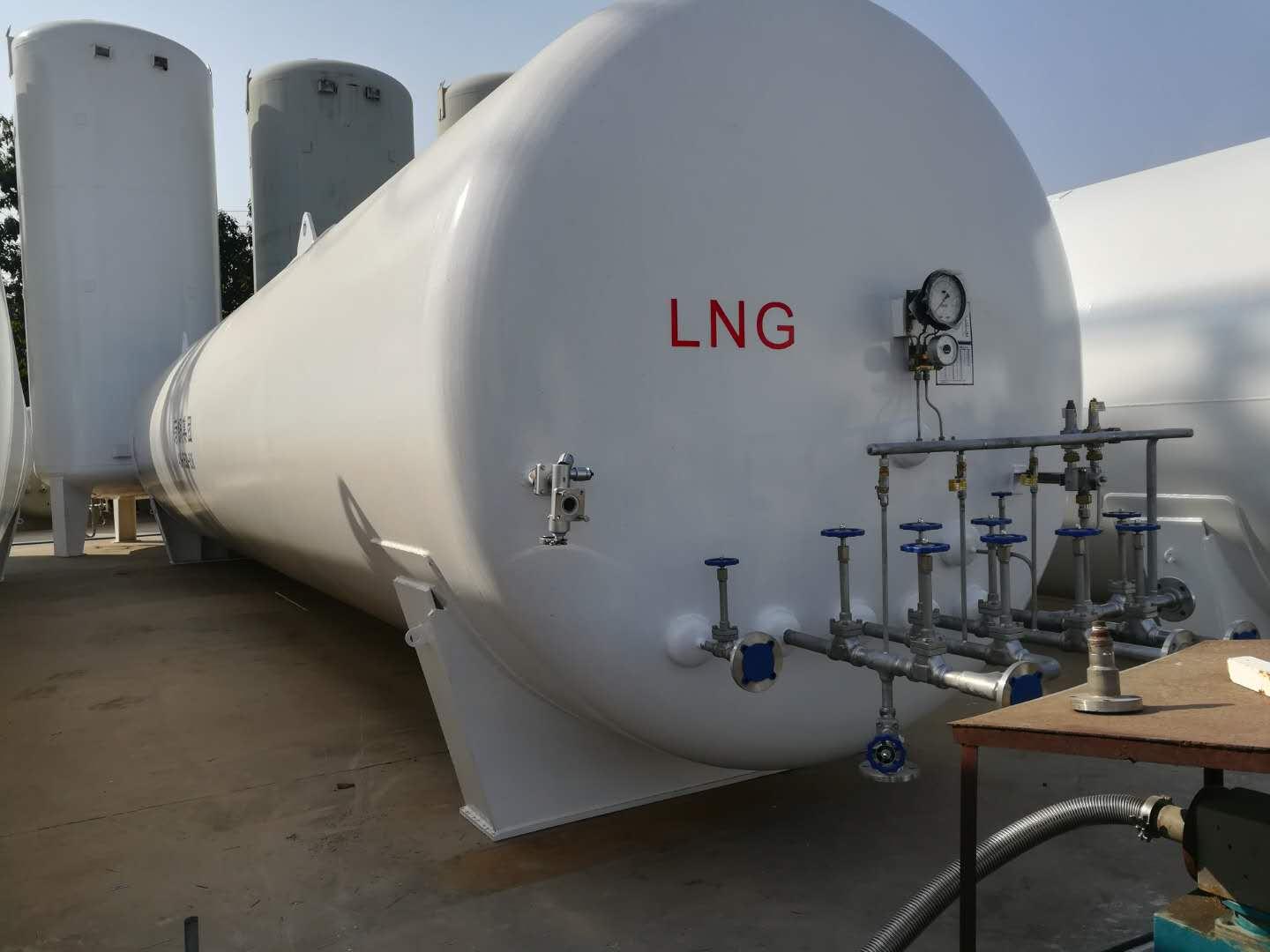
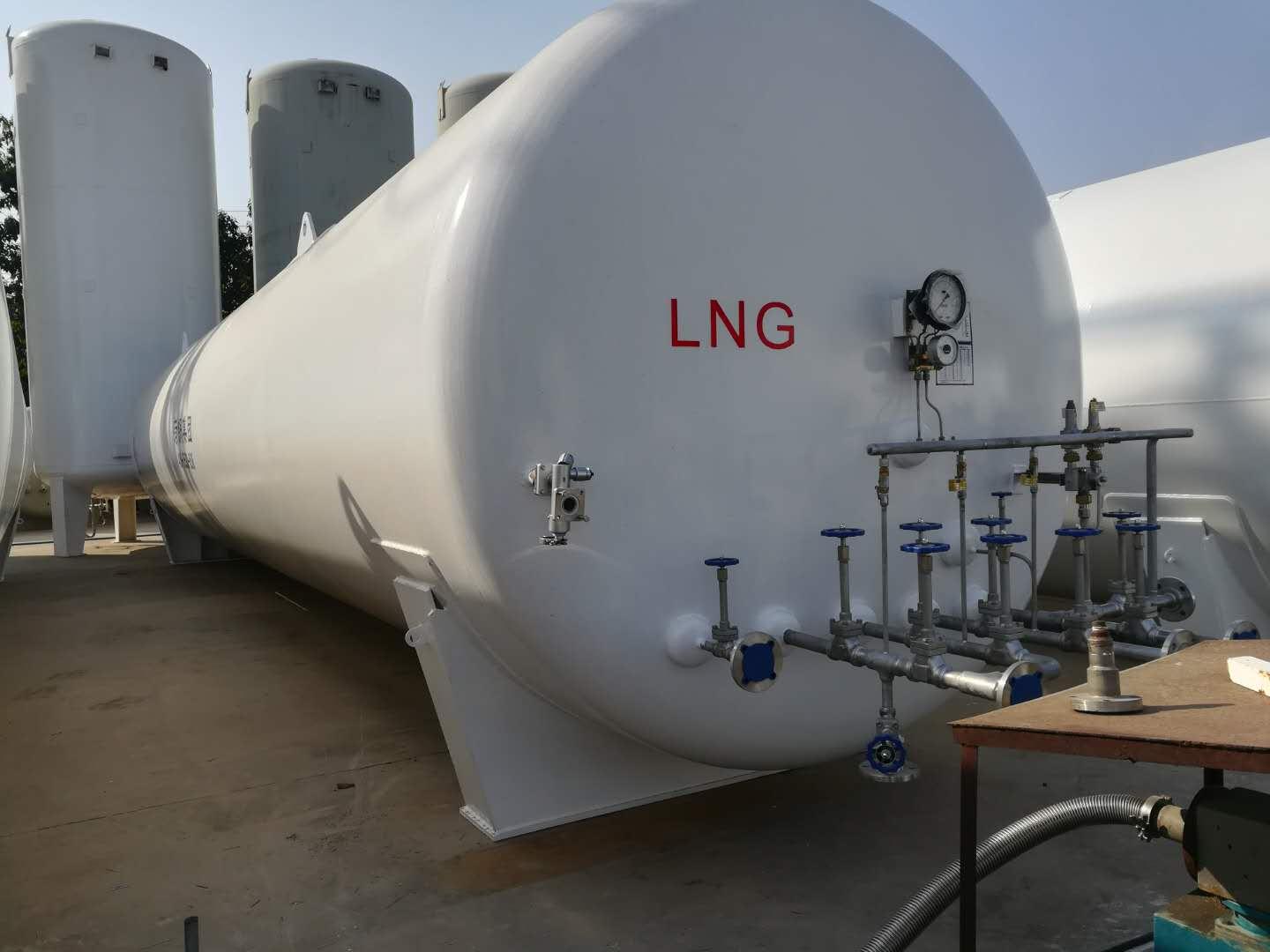
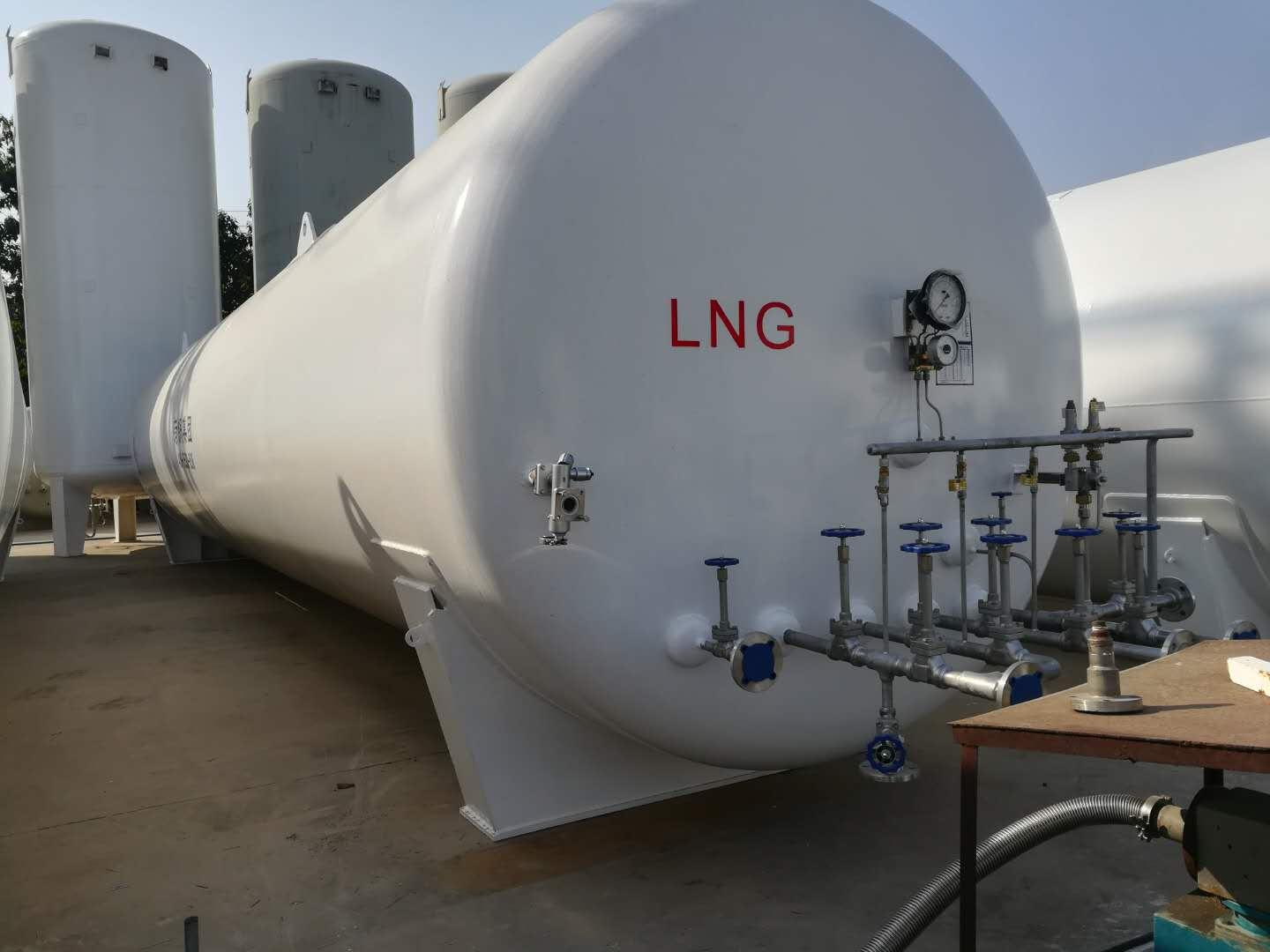
The primary component of natural gas is methane, a permanent gas that cannot be liquefied by compression at room temperature; it only turns into a liquid at extremely low temperatures (-162 degrees). Since the 1920s, with the rapid development of cryogenic industrial technology, large-scale liquefaction of natural gas has become possible.
In 1910, the United States began industrial-scale natural gas liquefaction. In 1917, Cabot received the first U.S. patent related to natural gas liquefaction, storage, and transportation. The same year, the world's first liquefied methane plant was built in the West Virginia region of the United States, where methane liquefaction production was initiated.
In 1937, Egerton from the UK proposed using liquefied natural gas (LNG) to regulate peak loads in urban gas supply. The natural gas would be liquefied and stored for peak winter supply and emergency supply needs. The Shanghai Pudong LNG production plant, which began operation at the end of 1999 with assistance from the French Sofagas Engineering Company, has a daily design capacity of 120,000 cubic meters and is China's first natural gas backup/peak load regulation station using LNG technology.
In 1955, Comstock International Methane Corporation in the United States was dedicated to the planning and design of cross-sea transportation for liquefied natural gas.
In 1957, British Gas decided to enter into a contract with Comstock Company to import liquefied natural gas to supplement the insufficient city gas supply. They established the world's first liquefied natural gas receiving facility on the island of Canvey in the United Kingdom, used for storing the imported liquefied natural gas.
In 1959, the U.S. Constock International Methane Company built the world's first LNG carrier, the "Methane Pioneer," which transported 2,200 tons of liquefied natural gas from Lake Charles, Louisiana, USA, to the Canvey Island receiving base in the UK from January 28th to February 20th the following year, marking the birth of the world's LNG industry.
In 1960, Shell UK acquired a 40% stake in the company. The "Methane Pioneer" tanker was put into service for LNG transportation from Algeria to the UK in 1964, rapidly propelling the global LNG commercial trade.
The surging popularity of LNG community gasification in China is set to greatly propel the inception of China's LNG industry and the rapid development of the global LNG industry, as domestic LNG liquefaction plants continue to emerge and coastal import LNG receiving bases increase.


