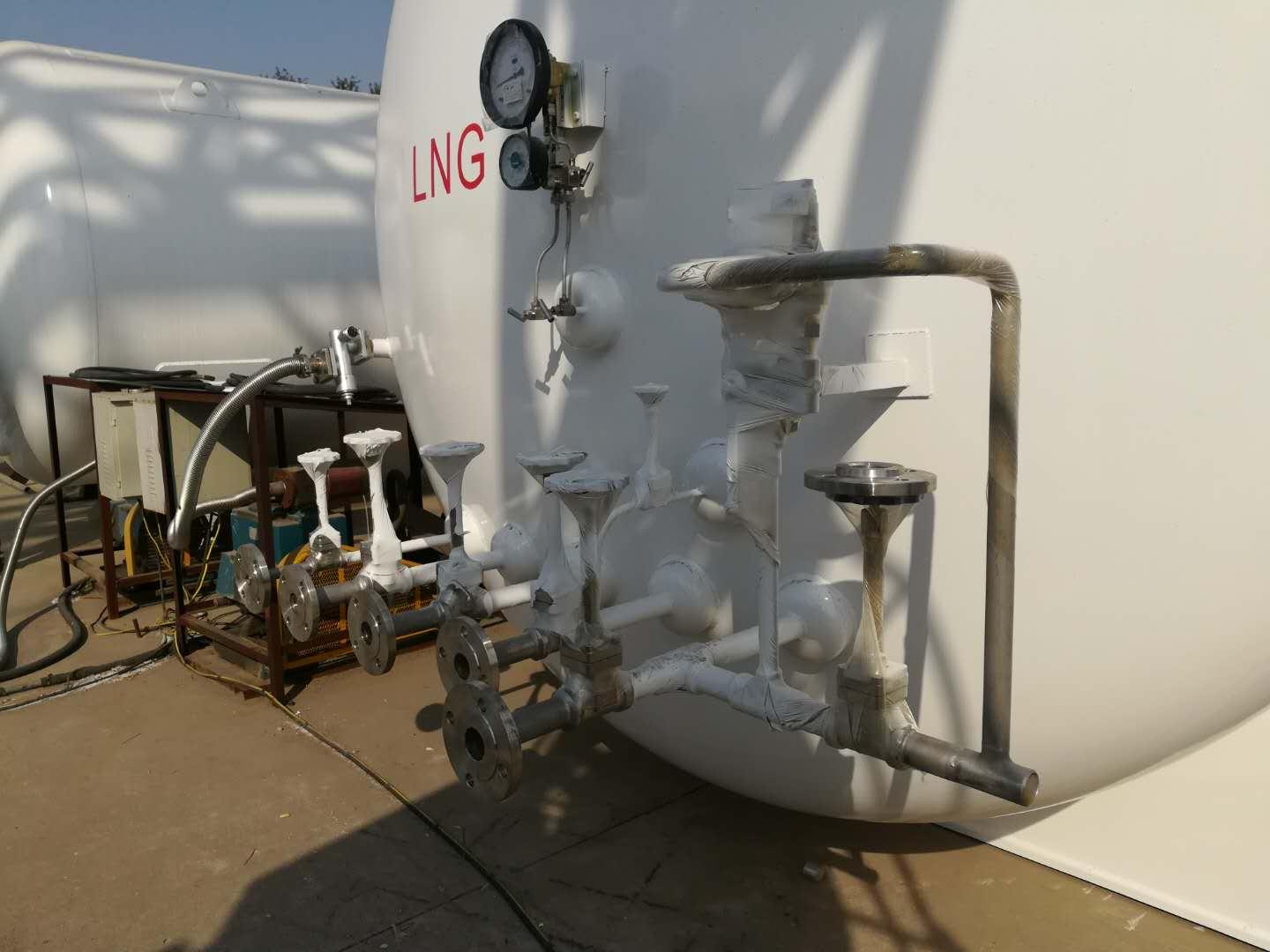
Global natural gas conversion projects are inevitably on the horizon.
As times progress and with the development of the economy and the demands for environmental protection, the disadvantages of coal-to-gas are increasingly being fully exposed. Advanced countries have successively phased out coal-to-gas in the 1950s, 1960s, 1970s, 1980s, and 1990s. Oil-to-gas also has many insurmountable drawbacks. LPG will become a transitional energy source as oil reserves are depleted in the future. The global shift to natural gas as a replacement for all other energy sources will inevitably lead to a gas energy revolution.
Partial Natural Gas Conversion Schedule for Some Countries
Country
During natural gas conversion (year)
Gas Source
USA
1945-1958
Pipeline natural gas predominant
Former Soviet Union
1948-1960
Pipeline natural gas predominant
United Kingdom
1964-1977
Initially use LNG, later shift to pipeline natural gas primarily.
France
1962-1982
LNG combined with pipeline natural gas
Germany
1960-1970
Pipeline natural gas predominant, with a small amount of LNG
Australia
1976-1986
Piped Natural Gas
Japan
1969-1998
All LNG supply
天然气的利用途径可采取管道输送和液化后用船运输、公路槽车和铁路槽车运输多种途径来实现。长输管道输送受到铺设管道需要穿过崇山峻岭、农田村庄以及征用村镇土地赔偿费用等限制,超过一定长距离,从经济角度来考虑是很不合算的。而将天然气液化后用大船(13.5万立方米)通过海上运输,送至城市边沿建设的LNG接收基地是非常经济合算的事。LNG在美国、欧洲、日本早就得到广泛的应用,而日本是世界上使用LNG最成功的国家,年用量达到了5000万吨,占世界LNG贸易量8000万吨的62.5%。亚洲的日本、韩国和台湾地区LNG消费数量,占了世界总消费量的四分之三还多。
The launch of the 3 million tons LNG project in Guangdong, China, the construction of the 2 million tons LNG project in Fujian, along with the commencement of the Indian LNG project, and the completion of the Dongding LNG receiving base in Taiwan, will result in a significant increase in Asia's LNG consumption.
Growth of the Global LNG Industry
The primary component of natural gas is methane, a permanent gas that cannot be liquefied by compression at room temperature; it only turns into a liquid at low temperatures (-162 degrees). Since the 1920s, with the rapid development of cryogenic industrial technology, large-scale liquefaction of natural gas has become possible.
In 1910, the United States began industrial-scale natural gas liquefaction. In 1917, Cabot received the first U.S. patent related to natural gas liquefaction, storage, and transportation. That same year, the world's first liquefied methane plant was established in the West Virginia region of the United States, commencing methane liquefaction production.
In 1937, Egerton from the UK proposed using liquefied natural gas (LNG) to regulate peak loads in urban gas supply. This involved liquefying and storing natural gas to meet peak demand during winter and for emergency situations. The Shanghai Pudong LNG production plant, which began operations at the end of 1999 with assistance from the French Sofirigas Engineering Company, has a daily design capacity of 120,000 cubic meters and is China's first natural gas backup/peak-shaving station using LNG technology.
In 1955, Comstock International Methane Company, USA, dedicated itself to the planning and design of cross-sea transportation for liquefied natural gas.
In 1957, British Gas decided to enter into a contract with Coniston Corporation to import liquefied natural gas to supplement the city's gas supply shortage. They established the world's first liquefied natural gas receiving terminal on the island of Canvey in the UK, for the storage of the imported liquefied natural gas.
In 1959, Comstock International Methane Company in the United States built the world's first LNG carrier, the "Methane Pioneer," which transported 2,200 tons of liquefied natural gas from Lake Charles, Louisiana, to the Canvey Island receiving facility in the United Kingdom between January 28 and February 20 of the following year. This marked the birth of the world's LNG industry.
In 1960, Shell UK acquired a 40% stake in the company. The "Methane Pioneer" tanker was launched in 1964 for the LNG transport service from Algeria to the UK, rapidly boosting the global LNG commercial trade.
The burgeoning LNG community gasification trend in China is poised to significantly accelerate the take-off of China's LNG industry and the rapid development of the global LNG industry, as domestic LNG liquefaction plants continue to emerge and coastal import LNG receiving bases expand.