


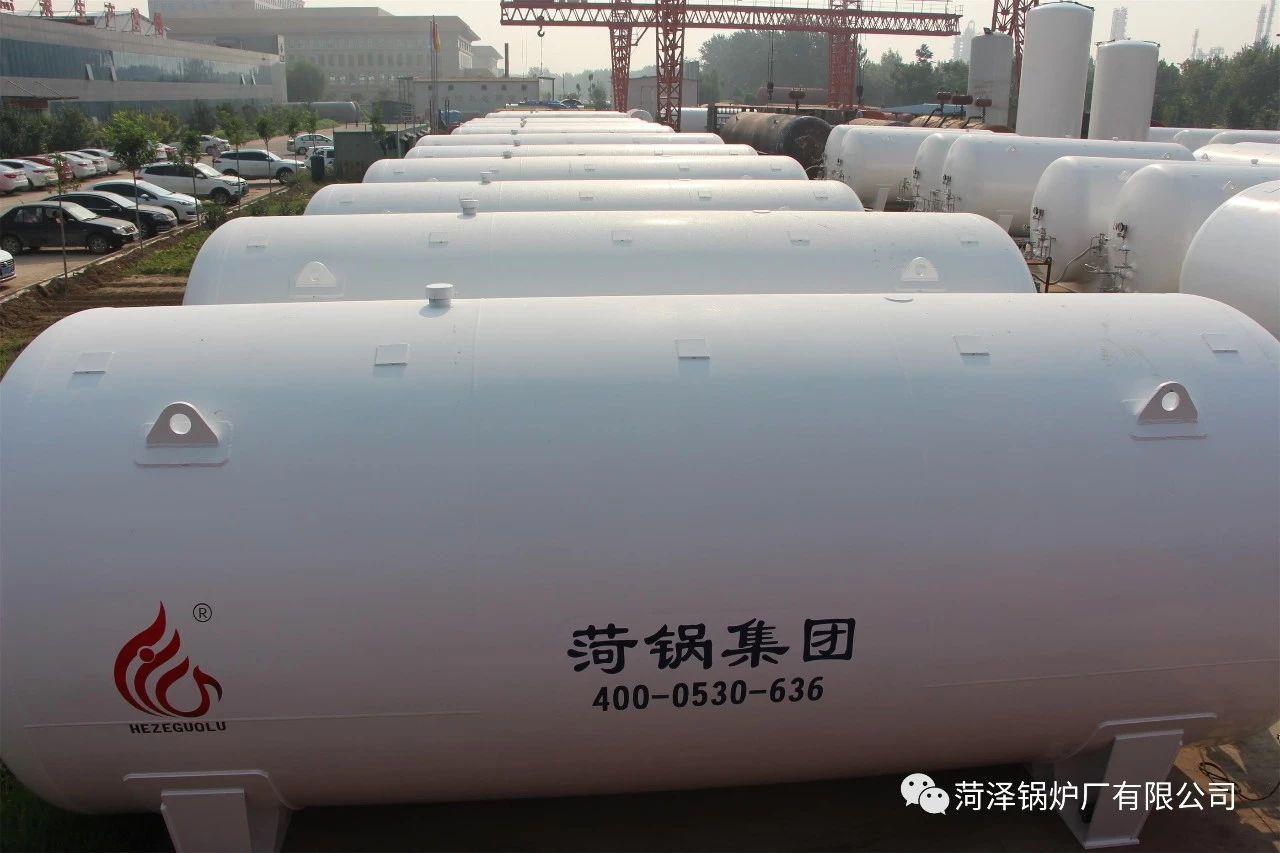
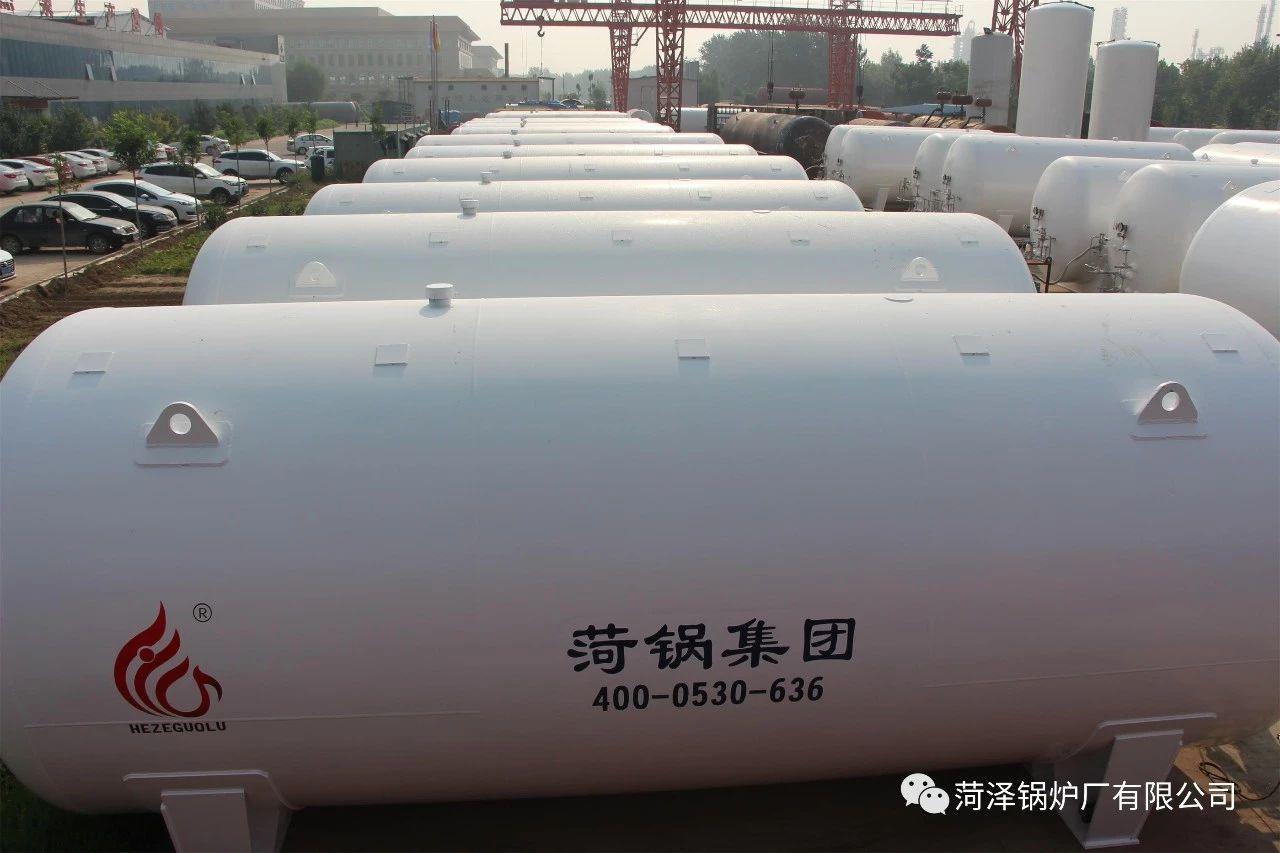
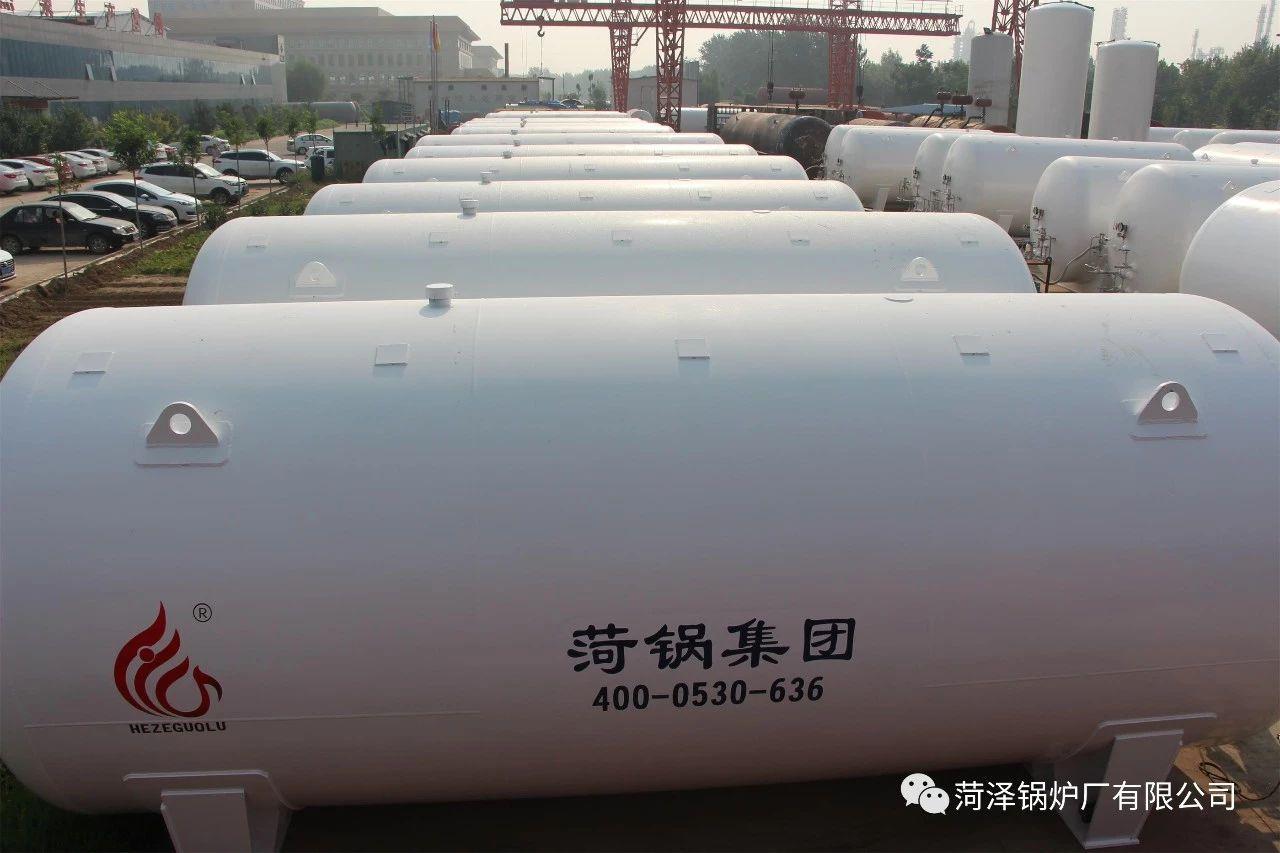
30, 60, 100 cubic LNG tanks
30, 60, and 100 cubic meter LNG tanks are commonly used in our production. We believe that this new type of LNG tank will also be quickly embraced by a wide range of users. Compared to regular tanks, LNG tanks offer enhanced safety. These tanks are categorized by size into: small LNG tanks, which range from 5 to 30 cubic meters and are often used in residential gas liquefaction stations, LNG vehicle refueling stations, etc.; medium-sized LNG tanks, ranging from 30 to 150 cubic meters, are commonly used in satellite liquefaction units, and are also the best choice for replacing general tanks.
The storage system for LNG tanks consists of low-temperature storage tanks, affiliated pipelines, and control instruments, yet it also falls under the category of low-temperature storage tanks.
2. All lng storage tank pipelines are made of austenitic stainless steel tubes. Austenitic stainless steel tubes have excellent low-temperature properties.
3. There are also different types based on the storage arrangement, including vertical (lng) tanks. These tanks utilize vacuum powder insulation technology, with the inner tank and piping made of Austenitic S30408 stainless steel, and the outer shell from high-quality carbon steel Q345R pressure vessel steel plate. These lng tanks are not only long-lasting but also extremely safe to use, having gained widespread recognition.
30, 60, and 100 cubic meter LNG storage tanks, LNG gasification stations, and vehicle refueling station process and equipment selection
30, 60, 100 cubic LNG storage tanks, LNG gasification station, and vehicle refueling station process and equipment selection
1. LNG - Liquified Natural Gas 2. CNG - Compressed Natural Gas 3. LPG - Liquefied Petroleum Gas
CNG: Compressed Natural Gas is high-pressure natural gas compressed to 20MPa. Natural gas stored in high-pressure cylinders is used as fuel in CNG vehicles. High-pressure cylinder storage at normal temperature: 20MPa.
LNG: Liquefied Natural Gas (LNG) is natural gas cooled to -162℃ to form a liquid. It is stored in low-temperature tanks, and vehicles fueled by this are known as LNG cars. Cylinders for low-pressure, low-temperature storage: 1.6 MPa.
LNG and CNG refueling, storage, and supply systems have certain differences, but natural gas ultimately enters the car engine in a gaseous state after being pressure-regulated through a pressure-reducing valve to 0.15 MPa for combustion and work.
LPG: Liquefied Petroleum Gas
Section 2: Uses of LNG Storage Tanks: Gasification Stations & Auto Gas Filling Stations
LNG Gasification Station
(1) Peak load and load balancing for urban pipeline gas supply and accident response
(2) Gas source for city municipal gas networks in areas where natural gas pipelines have not been installed.
(3) Gas sources for community supply: Boiler gas and residential gas supply.
(4) Source for corporate gas supply; (Image)
2. Gasoline Filling Station: Used for automotive fuel
Section 3: Types of CNG Filling Stations
LNG Vehicle Fueling Station
1) Standard Station: Located at a fixed site, LNG is unloaded using unloading equipment, filled into storage tanks, and refueled into vehicles using fueling machines. (Image)
2) Skid-mounted Station: Mounts related equipment and facilities of a CNG station onto a truck or skid, highly integrated for easy transportation and relocation, suitable for smaller CNG stations. (Image)
CNG Vehicle Refueling Station
L-CNG Vehicle Gas Filling Station


