


Export 30 cubic L LNG Tanks, Supplier of 5-150 cubic L LNG Tanks
LNG stands for Liquefied Natural Gas. It is the natural gas extracted from gas fields, primarily composed of methane. LNG is produced by cooling the gaseous natural gas to -162°C under atmospheric pressure, causing it to condense into a liquid form. The liquefaction of natural gas significantly reduces storage and transportation space and costs, and it also boasts high calorific value and superior performance.
LNG is a clean and efficient energy source. Importing LNG aids energy-consuming countries in diversifying energy supplies and ensuring energy security, while exporting LNG helps natural gas-producing nations effectively develop their resources, increase foreign exchange earnings, and promote national economic development. As a result, LNG trade is emerging as a new hot spot in the global energy market.

Overview of Liquid Low-Temperature Storage Tanks and LNG Storage Tanks
With the rapid development of the national economy and the widespread adoption of cryogenic technology, the application of cryogenic liquids is becoming increasingly extensive, including liquid hydrogen, liquid oxygen, liquid nitrogen, liquid argon, liquid helium, and liquefied natural gas. The production, application, and research of cryogenic liquids all require their storage and transportation. Many significant scientific research projects must be conducted under cryogenic conditions. There is a growing demand for cryogenic storage and transportation containers across various industries, particularly in industrial, agricultural, defense research, and medical fields.
Due to the low boiling point and small latent heat of vaporization of low-temperature liquids, it requires a significant cost to obtain low-temperature liquefied gases. Therefore, the effective storage and transportation of low-temperature liquids hold important economic value. In the application of low-temperature technology, the following situations often arise:
(1) Centralized production followed by distribution to various users, such as the centralized production and distribution of liquid oxygen, liquid nitrogen, liquid argon, liquefied natural gas, liquefied petroleum gas, and liquid helium.
(2) Products produced for short-term use are intended for longer-term application, such as the case where many testing and medical units produce liquid oxygen with their own liquid oxygen generators.
(3) Long-term production for short-term, high-volume applications, such as large-scale low-temperature tests or rocket launches, this method is used to supply liquid helium, liquid hydrogen, liquid oxygen, and liquid nitrogen.
To accommodate the aforementioned situations, effective storage and transportation of low-temperature liquids are essential. For departments using gases, opting for liquid transportation is also economically viable. For instance, a 3650 L liquid oxygen storage tank can store liquid oxygen with a total weight not exceeding 1250 kg, whereas gas transportation would require 500 steel cylinders, weighing 35,500 kg. Similarly, a 175L liquid oxygen storage tank with an evaporator, mounted on a small cart, is convenient to carry and can replace 20 oxygen cylinders for welding. In summary, nearly all applications involving low temperatures rely on the storage and transportation of low-temperature liquids, and naturally, the equipment for storing them. Therefore, the storage and transportation of low-temperature liquids are the most fundamental tasks in low-temperature engineering and also the fastest-evolving technology in the field over the past 30 years.

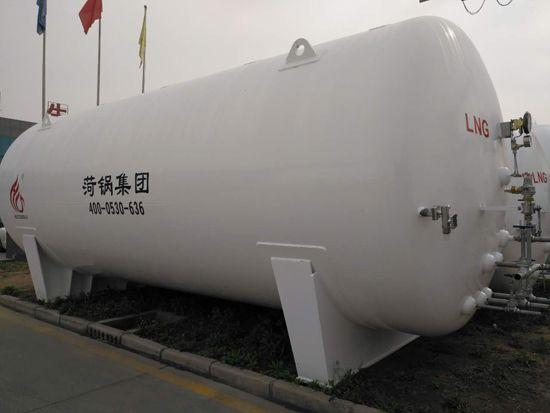
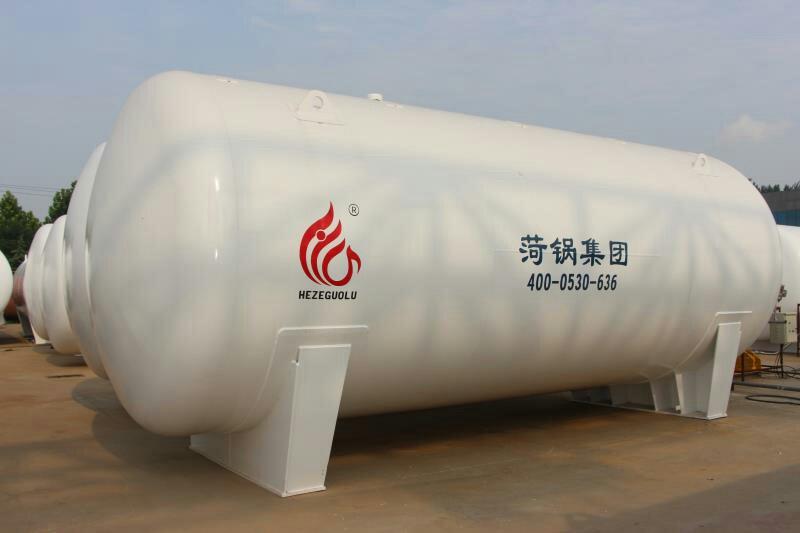
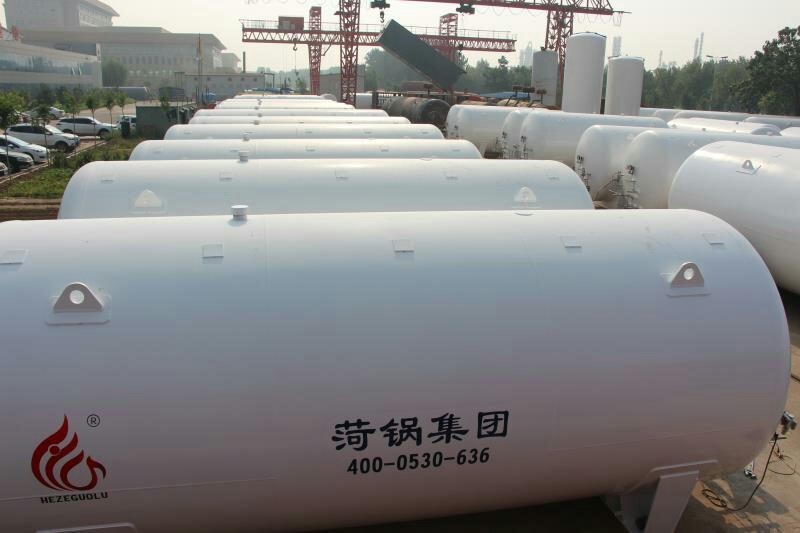
Export 30 cubic L LNG Storage Tanks; Manufacturer Offers 5-150 cubic L LNG Storage Tanks

.LNG fueling station main equipment
LNG Storage Tank
Internal灌装Design Pressure
External irrigation operating temperature
Ambient Temperature
External irrigation design pressure
-0.1MPa
Effective Volume
Internal灌 pressure
0.45~0.8MPa
Filling Rate
90%
External irrigation working pressure
-0.1MPa
Evaporation rate
Internal灌 design temperature
-196℃
Internal filling material
External irrigation design temperature
-19~50℃
External灌Material
Internal灌 temperature
-146℃
2. Low-temperature pump
Operating Temperature
-146℃
Design Head
220m
Design Temperature
-196℃
Maximum Head
255m
Design Flow
L/min
Required Net Positive Head for Import
0.7~3.0m
2. Truck Unloading Turbocharger, Tank Turbocharger
Single-unit processing capacity
M3/h
Highest Working Pressure
0.8MPa
Imported Temperature
-162℃
Design Pressure
1.6MPa
Export Temperature
-146℃
Design Temperature
-196℃
3. Gas Generator
Minimum Nozzle Pressure
0.41 MPa
Operating Temperature
-146℃
Traffic
0.15 cubic meters/minute
Measurement Accuracy
+0.5~-0.5%
Hose configuration
Single Tube


