


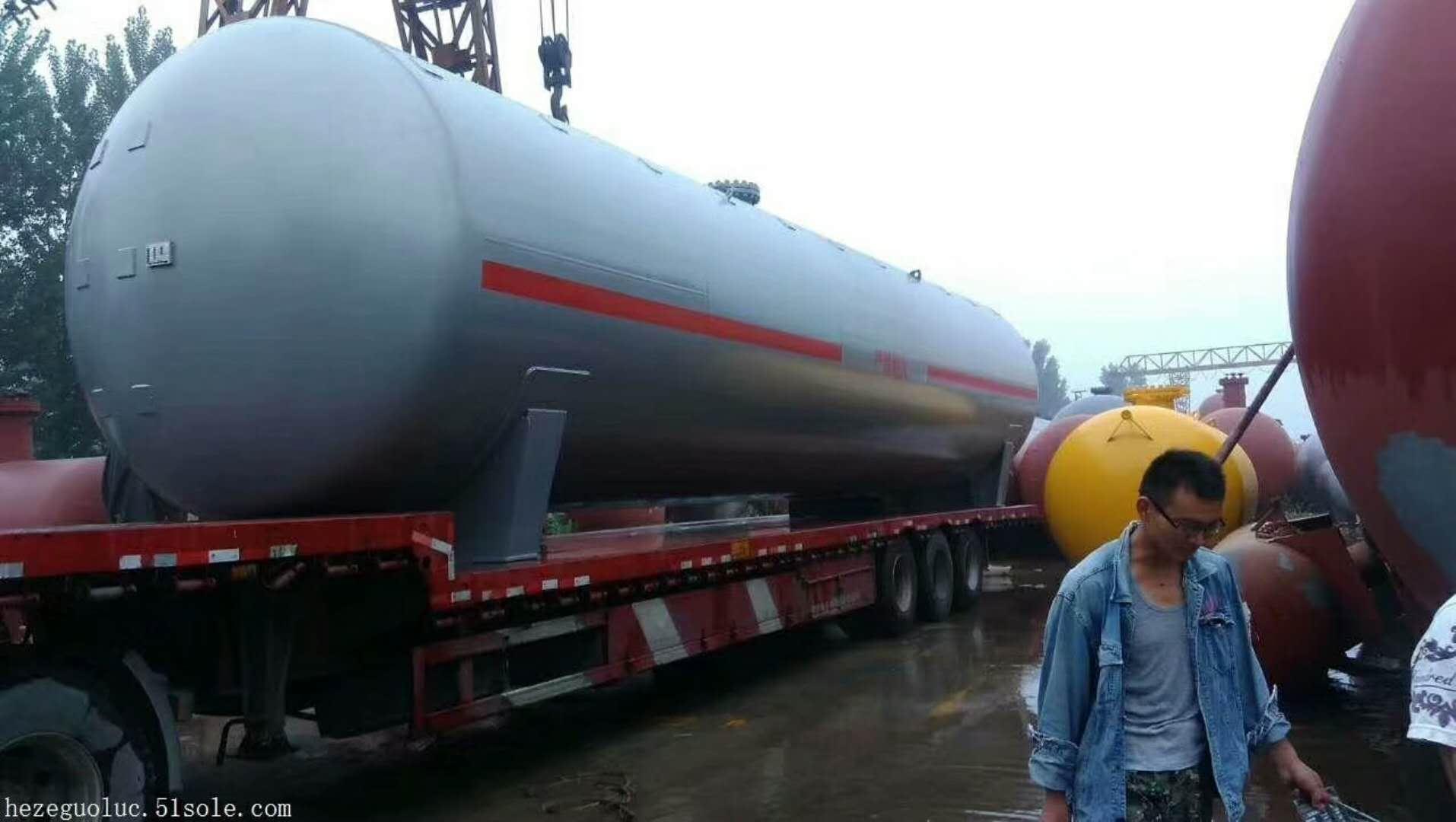
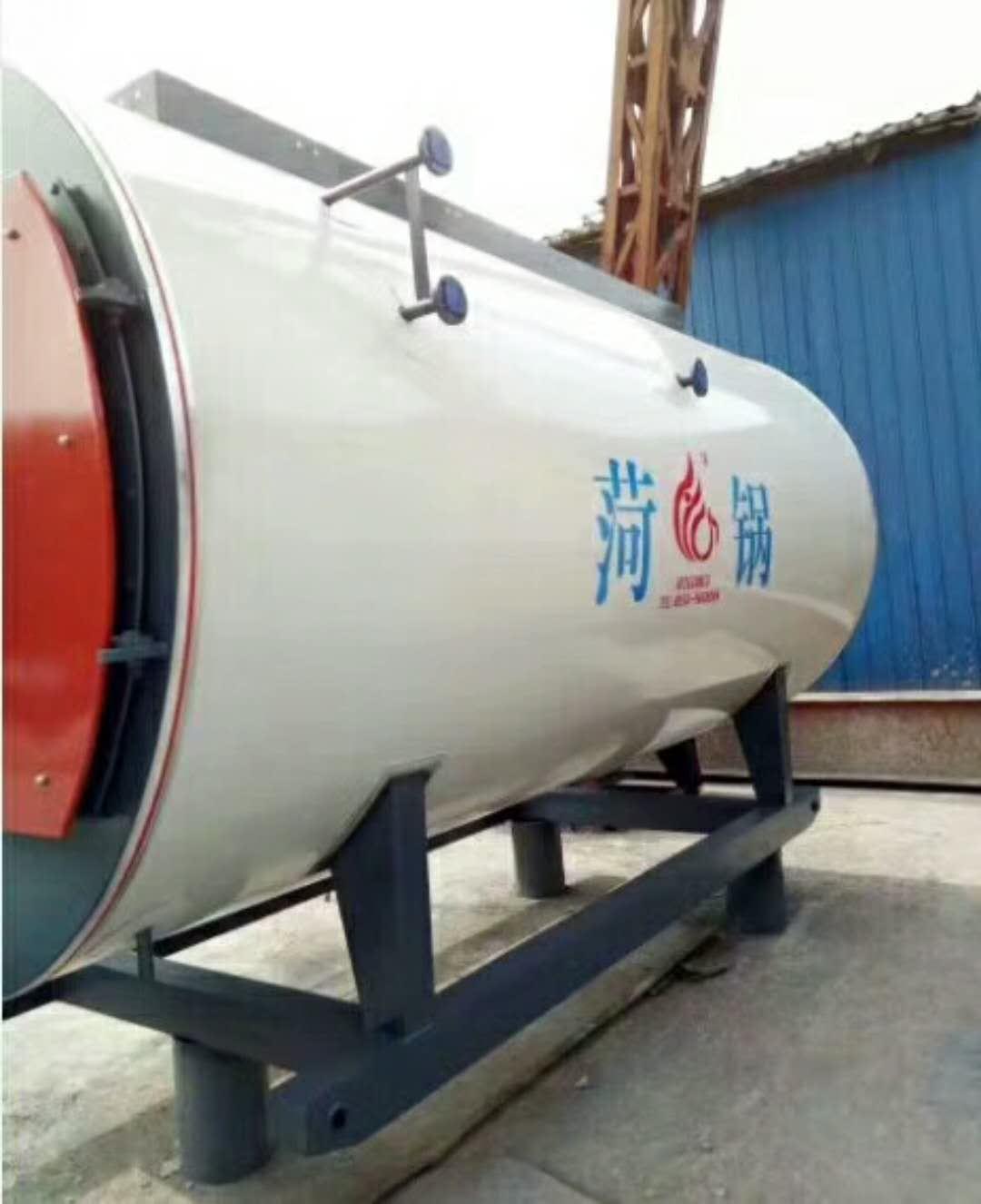

Liquefied Petroleum Gas TankWe offer compressed gas or liquefied gas storage tanks, etc.Liquefied Petroleum Gas TankFixed-volume tanks and variable-volume tanks, categorized by changes in container capacity, with large fixed-volume tanks.Liquefied Petroleum Gas (LPG) Storage TankManufactured in spherical or cylindrical shapes, depending on size. The movable volume storage tank, also known as a low-pressure gas storage tank or commonly referred to as a gas holder, can alter its geometric volume, is tightly sealed to prevent leakage, and serves to balance air pressure and regulate the supply of gas. The pressure generally does not exceed 60MPa.
Liquefied gas storage tanks undergo rigorous quality assessments for the material of pressure components, dimensional appearance, weld quality, operational quality, installation quality, internal fittings, and safety accessories.
Routine physical and chemical tests of the drum material, such as mechanical properties and chemical composition.
The weld joints, seams, tank end caps, and mutual geometric positions of all pressure components are strictly inspected via X-ray non-destructive testing and magnetic particle inspection. Testing and examining the product's sealing, pressure resistance, and all technical indicators that may affect the safe operation of the product.

The Diaphragm Liquefied Gas Storage Tanks are mainly composed of an electric motor, base, crankcase, crank and connecting rod mechanism, cylinder components, oil and gas pipelines, electrical control system, and some accessories. They increase gas pressure through single or multi-stage compression to meet the customer's requirements for pressure, flow rate, and temperature. The motor drives the crank, connecting rod, and piston to propel hydraulic oil, which in turn drives the diaphragm, compressing the medium through the vibration of the diaphragm. The Membrane Pressure Machine is a special volume liquefied gas storage tank, with its working cylinder divided into two parts by a diaphragm. The upper part of the diaphragm is called the gas cavity, and the lower part is called the oil cavity. During operation, the piston moves upwards to drive the hydraulic oil, which then drives the diaphragm to expel the compressed medium outside the membrane cavity. The Diaphragm Liquefied Gas Storage Tank compresses the gas through the deformation of the diaphragm. As the diaphragm moves, it must closely adhere to the cylinder head diaphragm cavity surface and have a smaller gap with the cylinder body diaphragm cavity surface. Through theoretical analysis and scientific selection of the membrane cavity curve radius, maximum deflection, and deflection index, a larger volume is ensured, allowing the diaphragm to work under approximately equal strength conditions.
Liquefied gas tanks primarily offer the following advantages and features:
1) The overall structural design is rational, ensuring smooth and reliable operation with minimal vibration and noise, and ease of operation and maintenance. 2) Cylinder components feature a structure without an oiling disk, reducing assembly difficulty and the number of sealing surfaces; it alarms when compressed medium leaks, enhancing the overall reliability. 3) The new diaphragm cavity curve improves the volume efficiency of the liquefied gas storage tank and extends the lifespan of the fragile diaphragm and gas valve components. 4) The built-in oil pump station provides pressure-stable, clean, and fully-cooled lubricant for the liquefied gas storage tank and the oil cylinder, addressing the oil leakage issue of the original external storage tank. 5) The highly automated control system ensures the safe operation of the equipment. 6) The entire equipment is mounted on a skid base for easy transportation, installation, and management.


