


Attachment: Safety valves and pressure gauges are mandatory for stringent inspection. It is essential to report for inspection at the local quality supervision bureau to ensure better user experience. If the pressure gauge malfunctions, you won't know the exact pressure your terminal uses, and you can't use it with peace of mind, fearing issues with the liquefied gas storage tank. Both the air compressor and the storage tank itself have safety valves. When pressure exceeds the safety valve's set range, it will automatically release pressure, and the pressure gauge plays a significant role. Therefore, daily components of special equipment must be used with caution. In case of any issues, first confirm if the steel plate thickness of the storage tank meets standards; if not, identify the cause of the steel corrosion. Also, reconfirm that the safety valves, pressure gauges, and other auxiliary equipment meet requirements. If all are found to be non-compliant, the local technical supervision bureau of the enterprise issues a notice of non-compliance. Upon receiving the notice, the enterprise should replace the new pressure vessel.

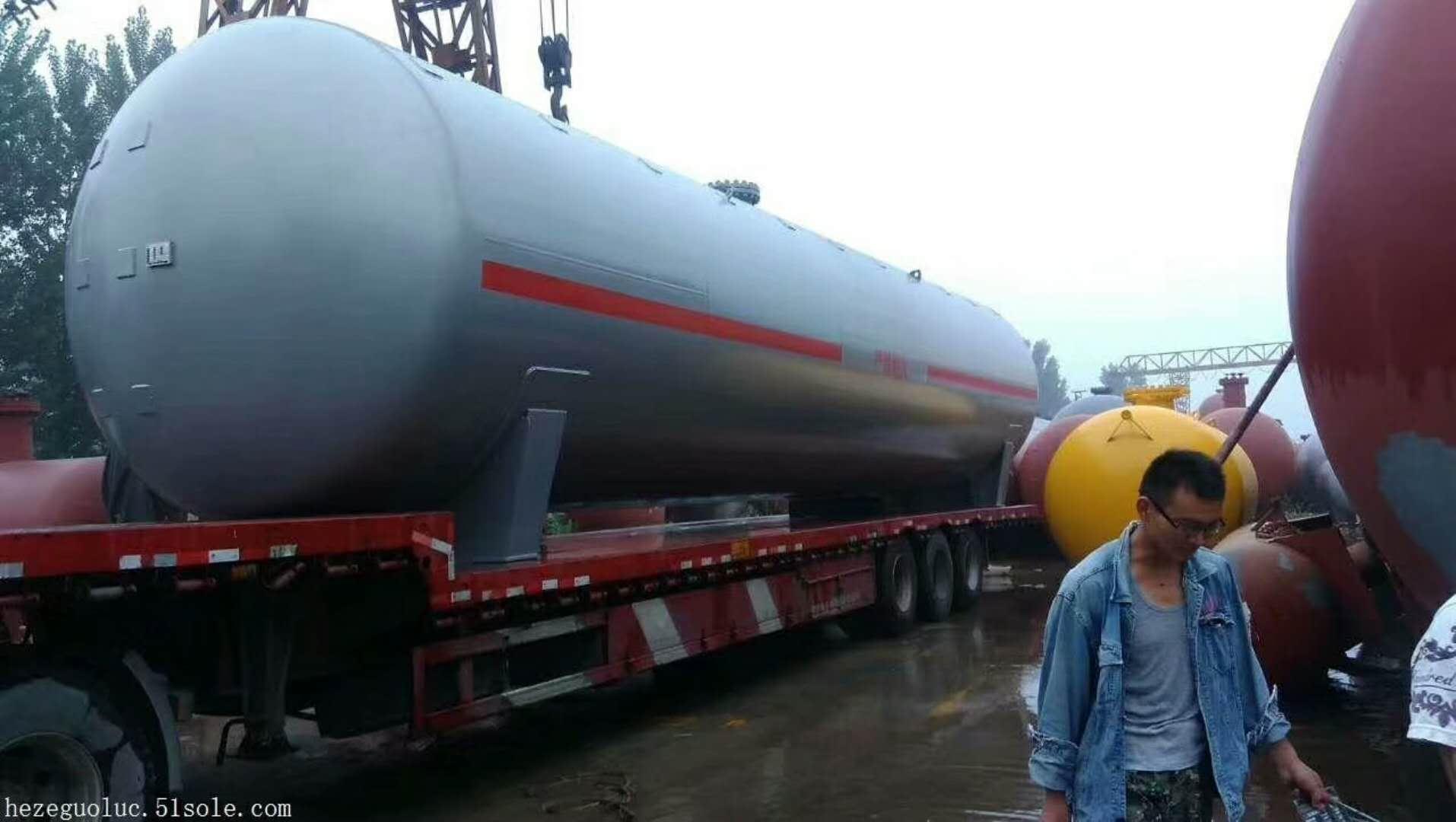
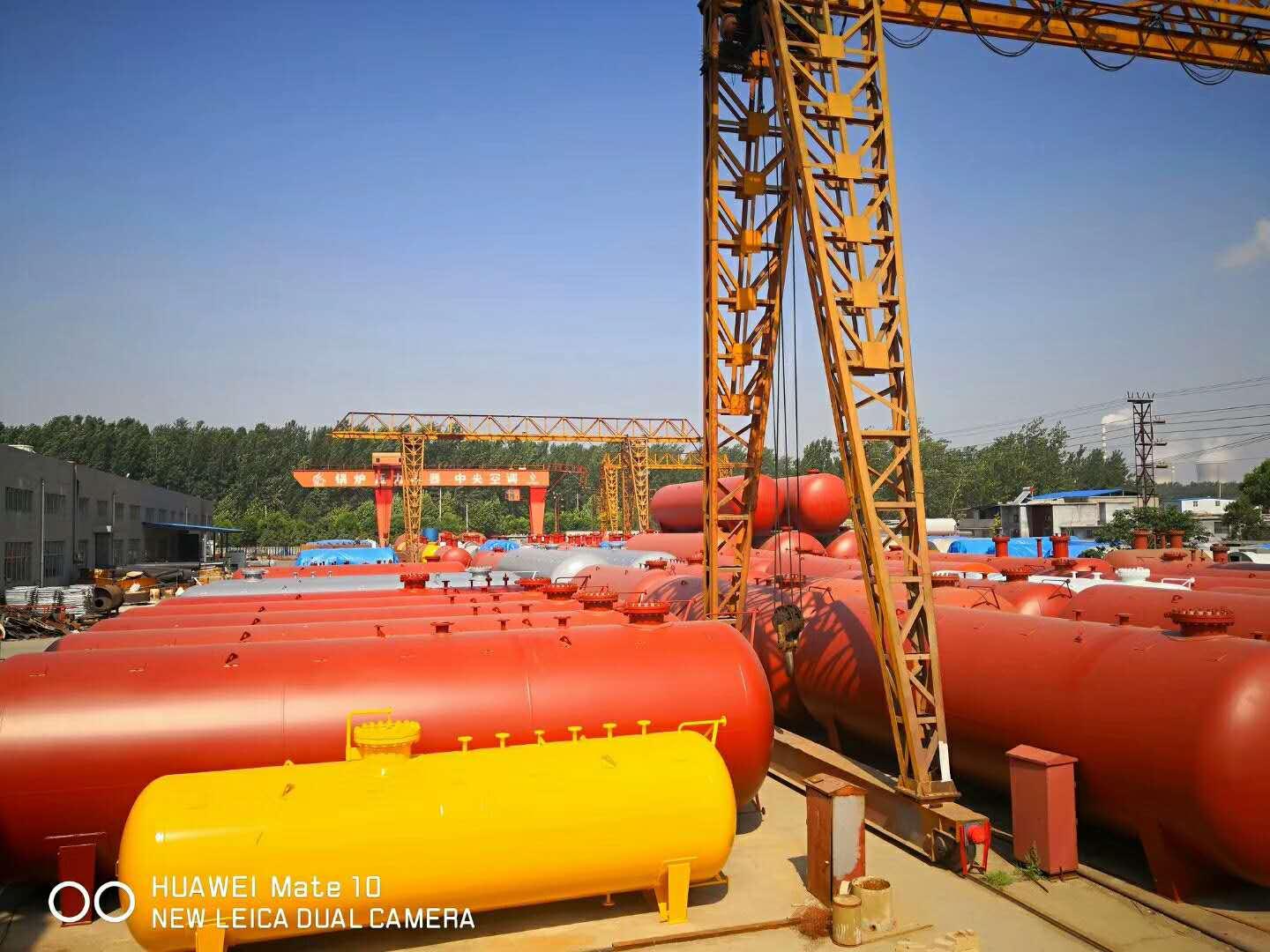
Liquefied Petroleum Gas (LPG) Storage TankWe offer compressed gas or liquefied gas storage tanks, etc.Liquefied Petroleum Gas TankFixed-volume storage tanks and variable-volume storage tanks, divided by whether the tank capacity changes or not, with large fixed-volume tanks.Liquefied Petroleum Gas (LPG) Storage TankManufactured into spherical or cylindrical shapes, depending on size. The mobile volume storage tank, also known as a low-pressure gas storage tank or commonly referred to as a gas holder, can vary in geometric volume. It is tightly sealed to prevent leakage and serves the function of balancing air pressure and regulating the gas supply. The pressure generally does not exceed 60MPa.
Liquefied gas storage tanks undergo strict quality assessments for the material of pressure components, exterior dimensions, weld quality, operational quality, installation quality, internal equipment, and safety accessories.
Routine physical and chemical tests for drum materials, such as mechanical properties and chemical composition.
The welding joints, welds, head closures of the tanks, and the mutual geometric positions of all pressure components are rigorously inspected through X-ray non-destructive testing and magnetic particle inspection. Tests are conducted on the product's sealability, pressure resistance, and all technical indicators that could affect the safe operation of the product.


