1. Safe Operation of LPG Storage Tanks - mm_+0 To prevent over-temperature and over-pressure phenomena in LPG storage tanks, the usage pressure and temperature should be controlled. The causes of over-temperature and over-pressure in LPG storage tanks include the following:
(1) Operational Errors To prevent operational errors, warning signs should be posted on critical operation devices, clearly marking or labeling the opening and closing directions, states, and precautions for valves, etc.
(2) Excessive Filling of Liquefied Gases Preventive measures against overfilling include: strictly filling according to the specified storage volume; upon discovery of overfilling, immediately attempt to extract the excess amount; all gauges used for filling must be regularly inspected; liquid level gauges should be flushed regularly; any residual liquid inside the container should be included in the filling volume; its weight cannot be ignored; and during elevated ambient temperatures, cooling should be conducted using spray systems.
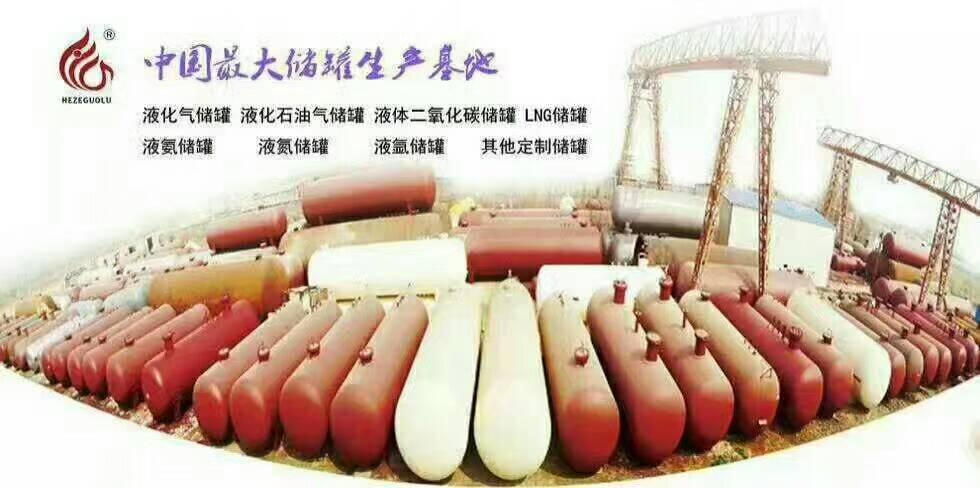
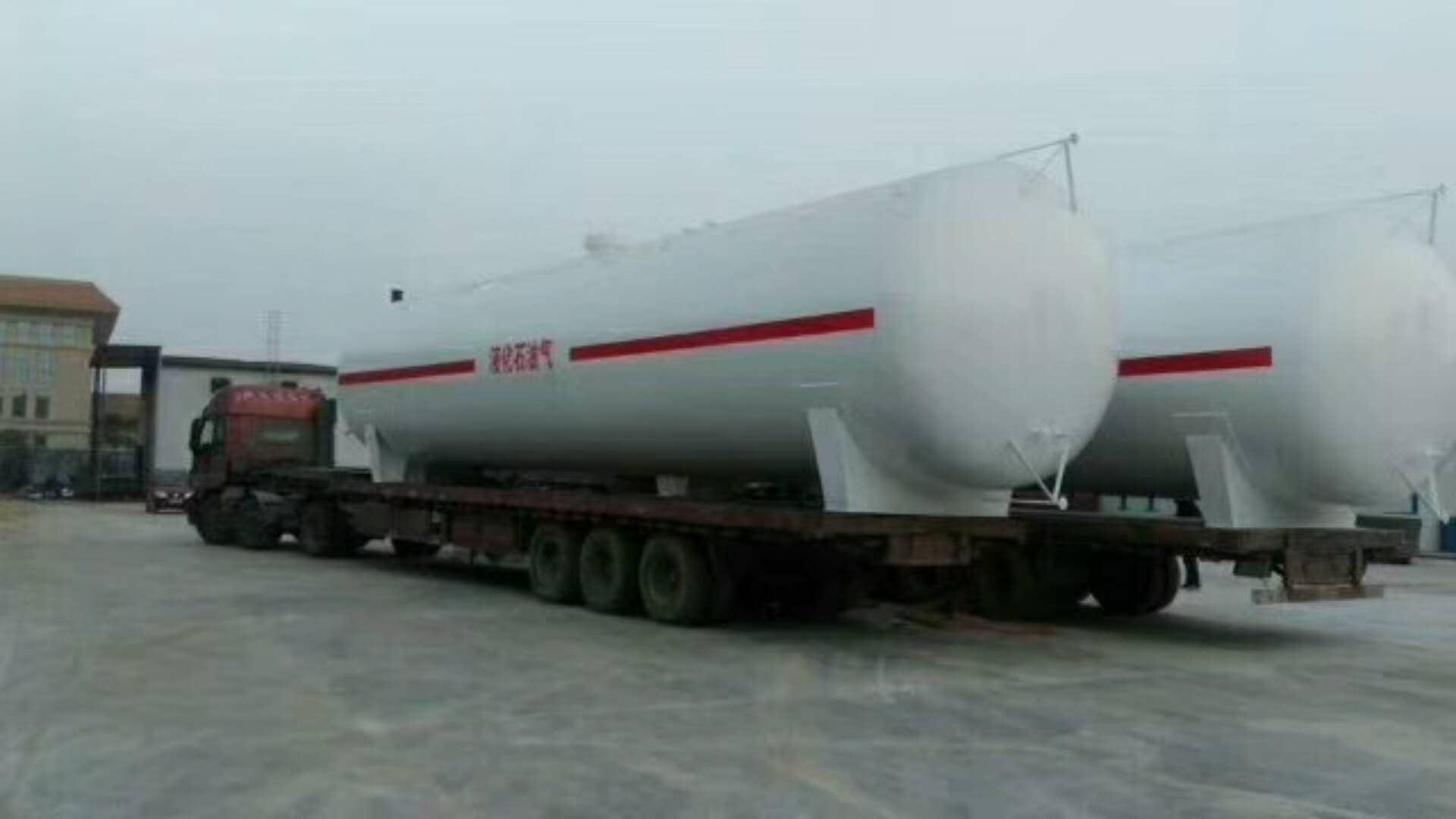
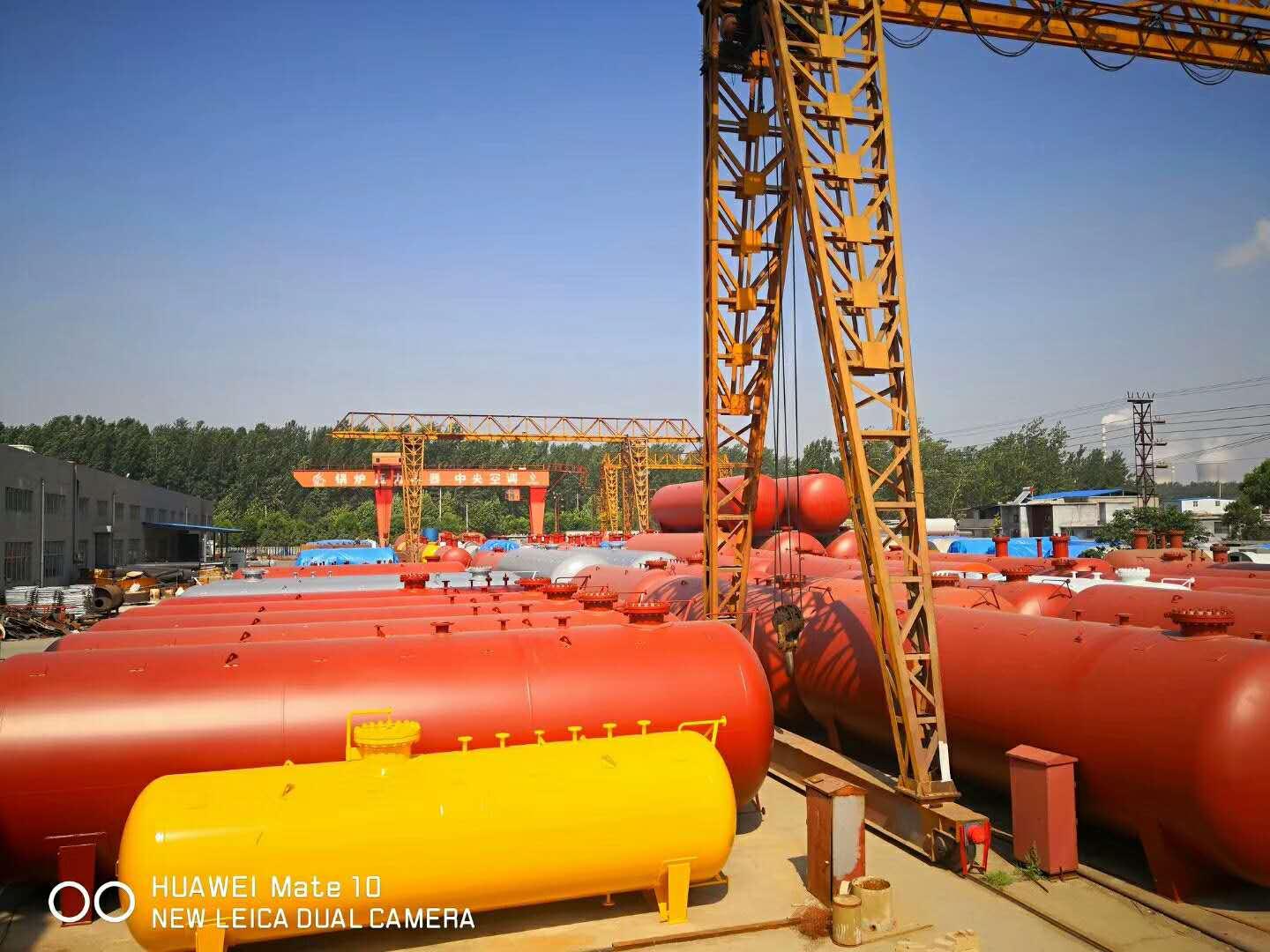
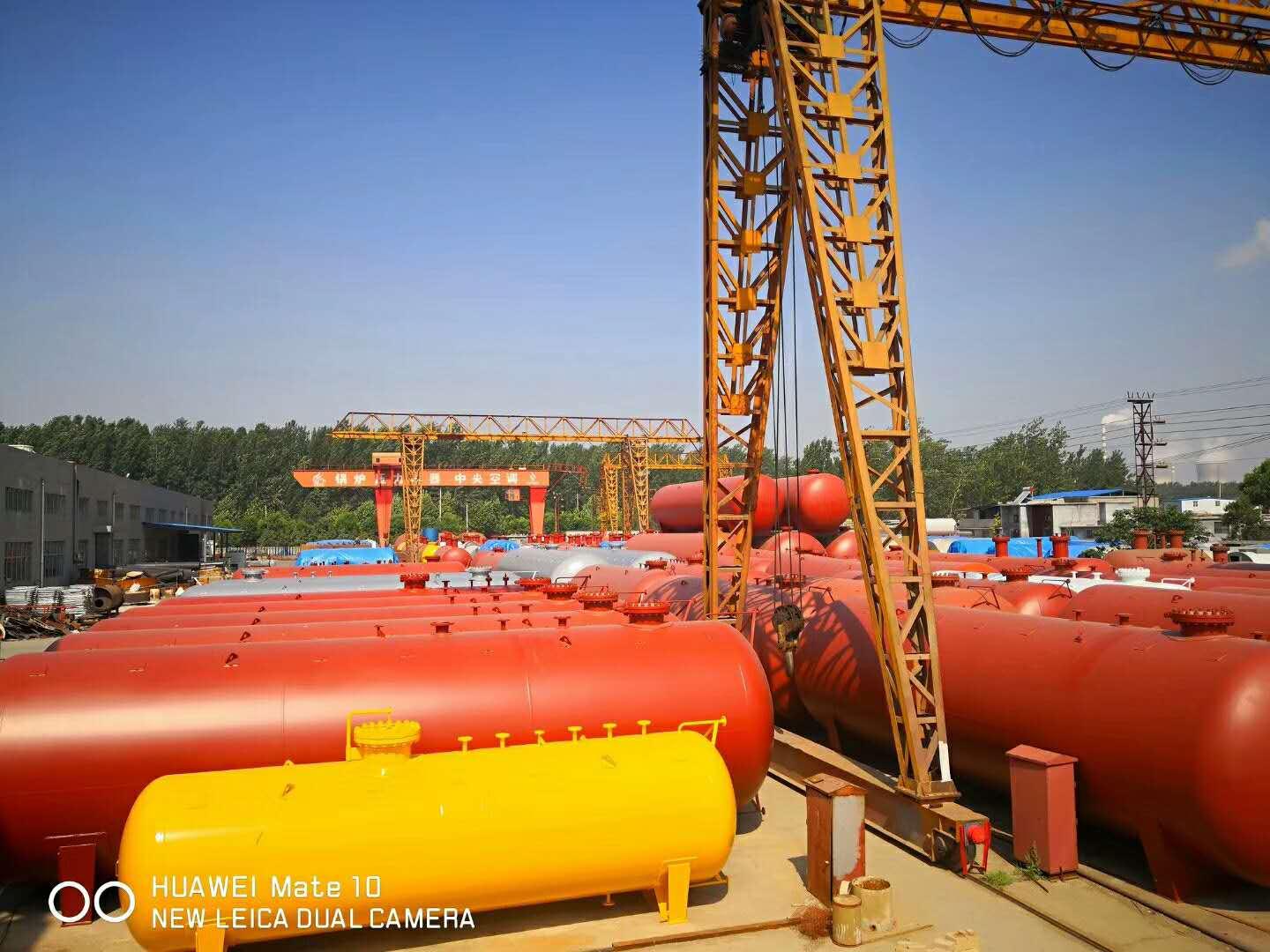
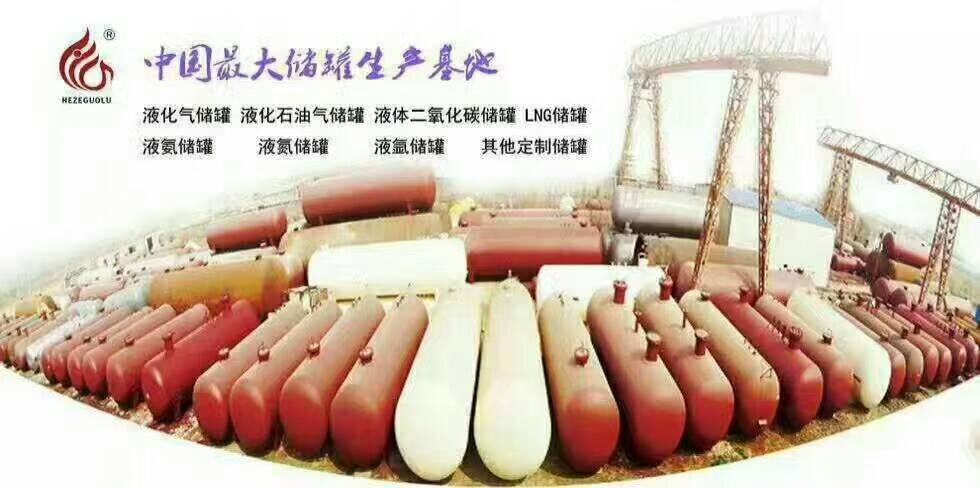
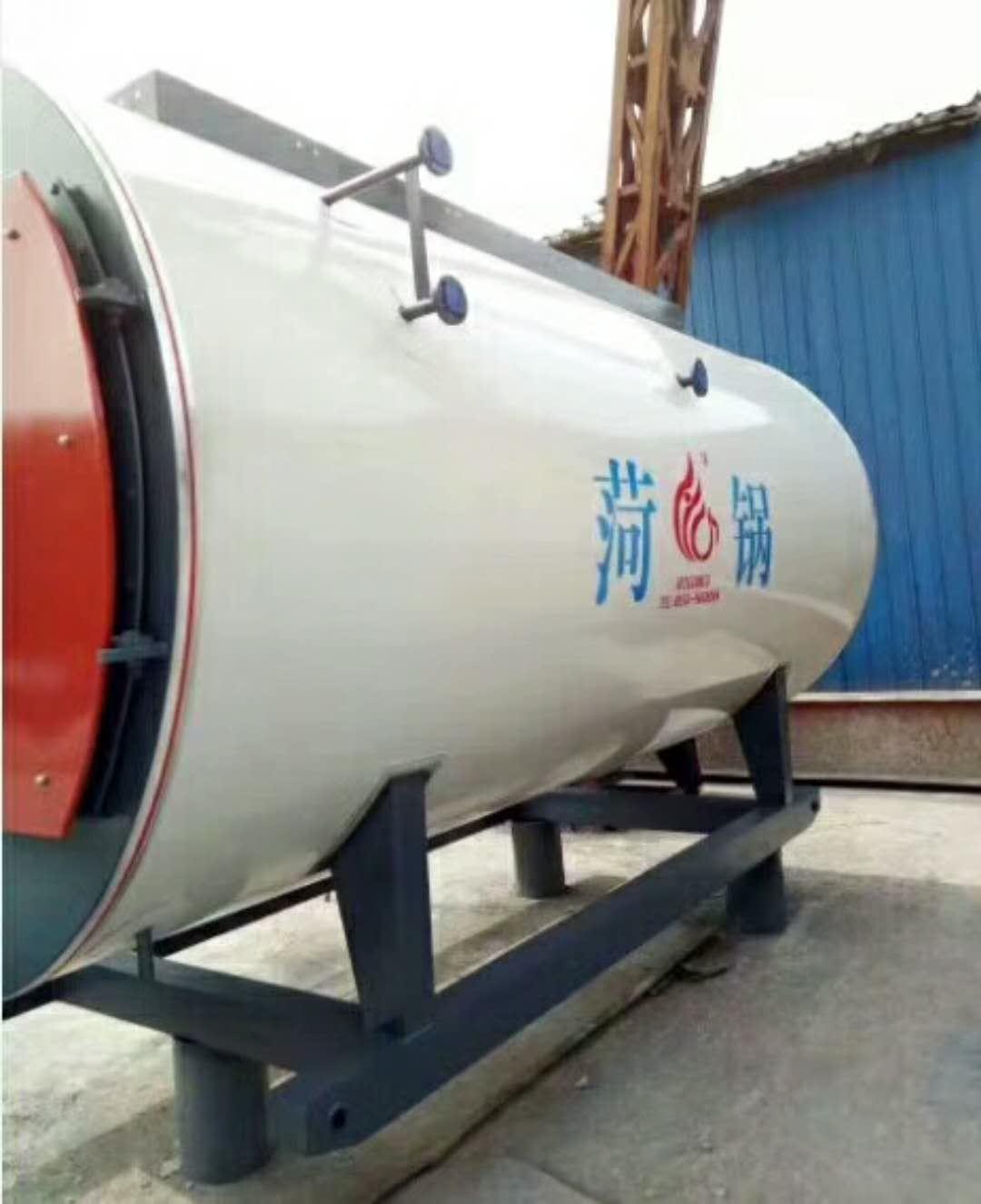
Our factory produces liquefied gas storage tanks, LPG storage tanks, and liquid ammonia storage tanks. The company is dedicated to the production of equipment for low-temperature storage tanks, liquefied gas storage tanks, liquid ammonia storage tanks, boilers, pressure vessels, and central air conditioning systems. Heze Boiler Co., Ltd. is a manufacturer of gas boilers, biomass boilers, and waste heat recovery boilers, conveniently located near National Highway 201 with easy access and a beautiful environment. Heze Boiler Factory Co., Ltd. specializes in the production of liquefied gas storage tanks, LPG storage tanks, and liquid ammonia storage tanks. Our developed storage tanks, liquid ammonia storage tanks, and LPG storage tanks are of high quality, with genuine prices for liquefied gas storage tanks. Welcome to choose our liquid ammonia and liquefied gas storage tanks. Our gas boilers are corrosion-resistant, energy-efficient, high-performance, environmentally friendly, and easy to maintain and operate. They are widely used for heating in residential communities and for domestic hot water, as well as in hotels and bath centers. We offer excellent product quality and comprehensive after-sales service. Our waste heat recovery boilers have good sealing performance, no pollution, low system resistance, easy operation, and are safe and reliable, ensuring full recovery of waste heat. We offer threaded flue tube waste heat recovery boilers, organic heat carrier matched waste heat recovery boilers, and dual-boiler waste heat recovery boilers, among others. The company strictly controls the quality of each production stage, adhering to the service tenet of integrity, professionalism, and commitment, providing high-quality products with guaranteed quality, reasonable prices, and excellent after-sales service!

Handling Instructions
1. Cylinders must be stored in well-ventilated areas and kept at a distance of not less than 1.5 meters from any flame or heat source. Do not use fire to bake, scald with boiling water, or expose to direct sunlight. Regularly inspect the cylinder valves and pipeline joints for air tightness to ensure no leaks. Typically, soapy water is used to check for leaks; open flames are strictly prohibited for leak testing.
2. When lighting the device, ignite the primer first, followed by opening the gas, and do not reverse the order. There should be a person supervising during use; do not leave it unattended to prevent boiling water from overflowing and extinguishing the flame, which could cause a surge of liquefied gas and lead to an explosion. After use, the valve must be tightly closed to prevent gas leakage.
3. Do not empty the liquefied gas inside the cylinder completely; a certain residual pressure should be maintained. The residual pressure should generally be greater than 49.03 kPa (i.e., 0.5 kg/cm², gauge pressure) to prevent air from entering the cylinder. After the liquefied petroleum gas is used up, the remaining residue inside the cylinder is also a flammable substance and should not be poured out自行. This is to prevent fires caused by the flowing and evaporation of the residue.
4、Liquefied Petroleum GasGas cylinders are pressurized containers that require proper maintenance and regular inspections. They must be handled to prevent dropping or impact, and it is forbidden to use metal tools to敲击 open the valve. They should be protected from direct sunlight and prolonged exposure to rain. Gas cylinders are typically inspected every 2 years.
5、PetroleumLiquefied gas has a relatively narrow explosion radius, but due to its low flammability limit, it's highly prone to ignition and explosion upon leakage. Since LPG is heavier than air, it tends to flow downward when leaking into the air, accumulating in low-lying areas and posing a hidden hazard for gas explosions. Therefore, areas where gas can easily leak require more than just window ventilation; attention must be given to adequate ventilation at the lower levels.
6. Upon discovering a liquefied gas leak indoors, promptly open windows and doors for ventilation, allowing it to dissipate away from any open flame. Fire is strictly prohibited in the vicinity. Use the facility only after the fault is resolved and the distinctive odor has dissipated. Dispose of any spilled liquid on the ground by covering it with sand or soil and removing it to a safe location. In the event of a gas cylinder fire, immediately close the valve, move it to an open area outside, and extinguish it using dry powder fire extinguisher, CO2 fire extinguisher, or by covering it with a damp sack.
7. Educate children not to tamper with gas cylinders carelessly, and users must be aware of the safety knowledge for using gas cylinders.