


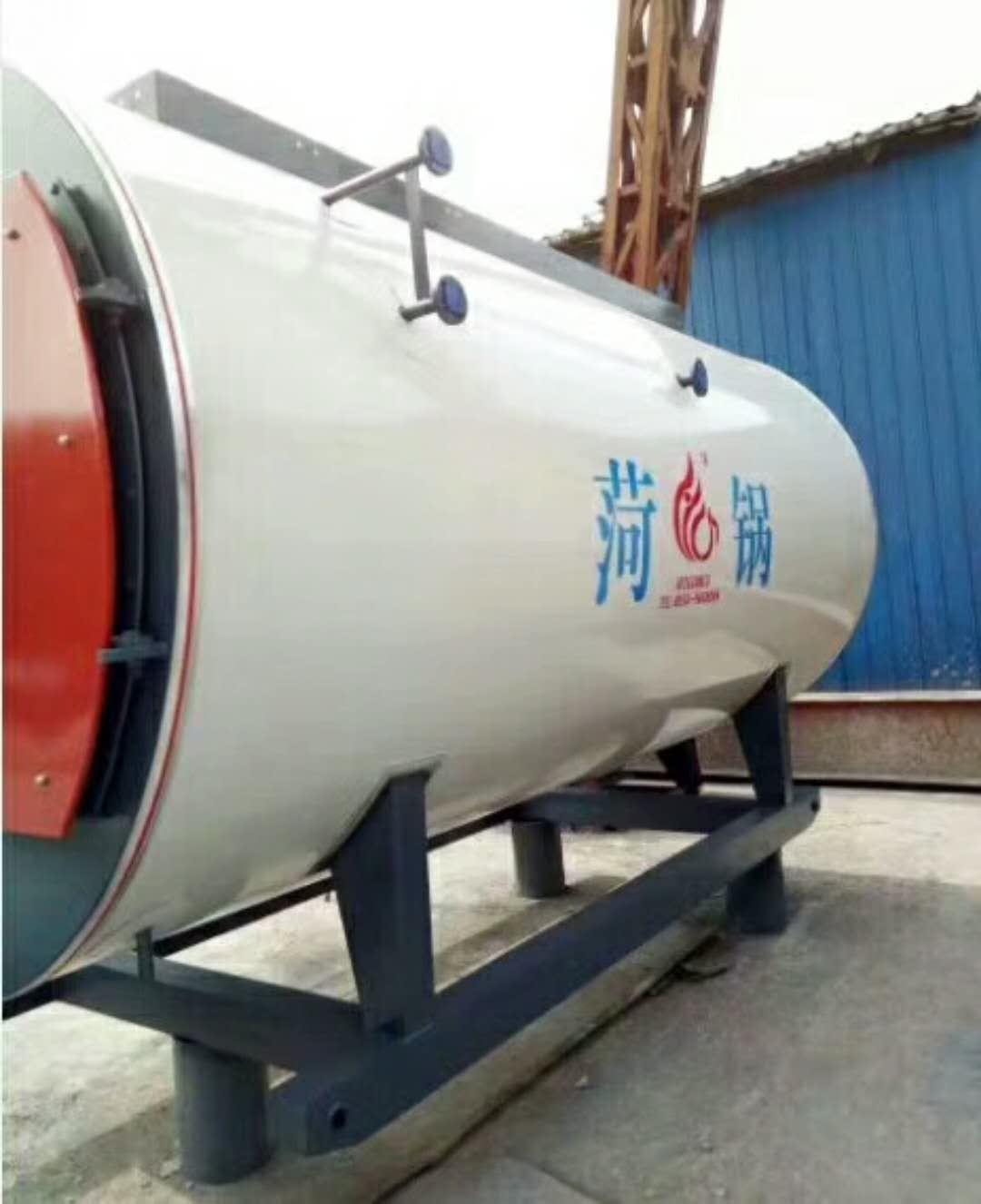
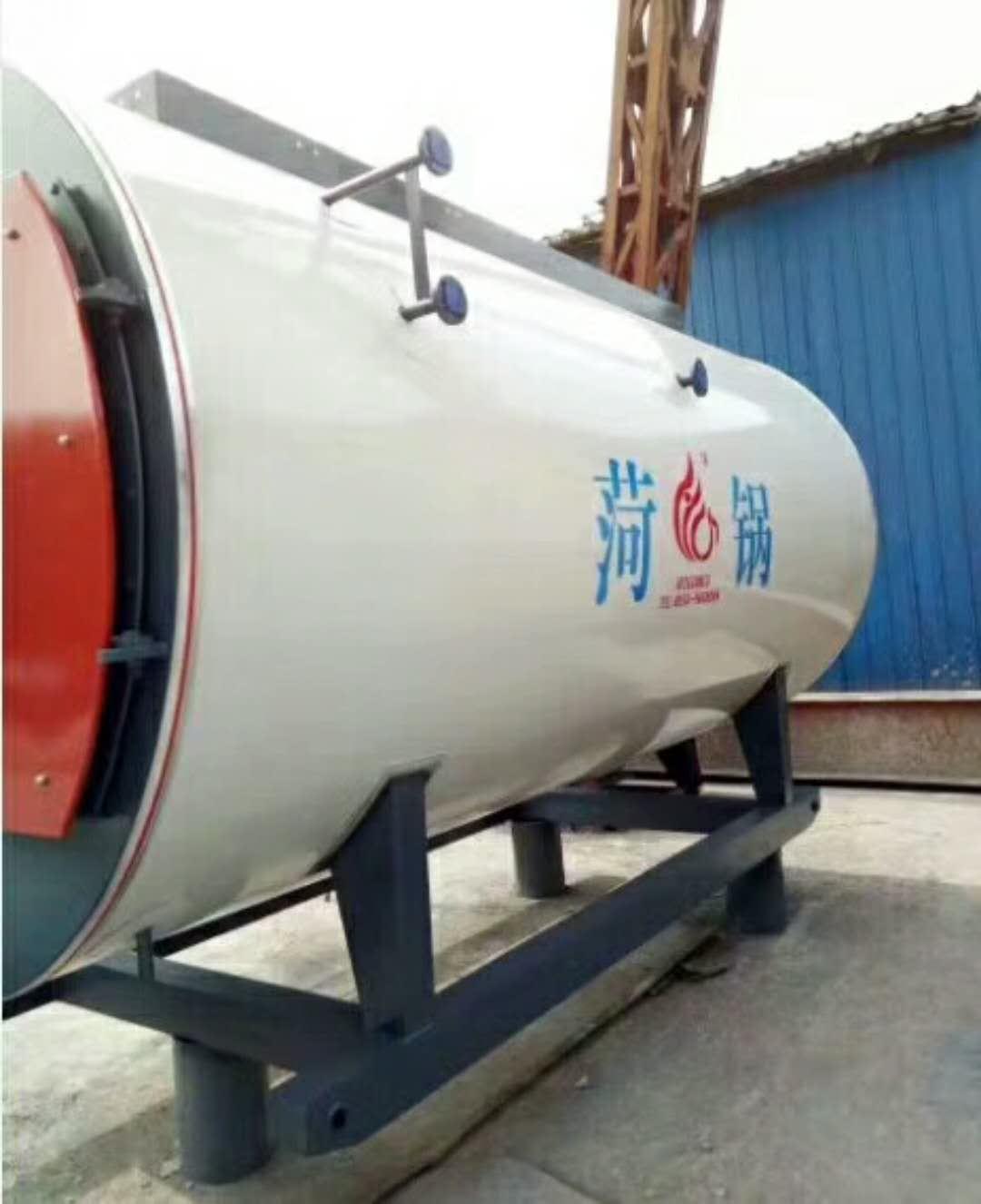
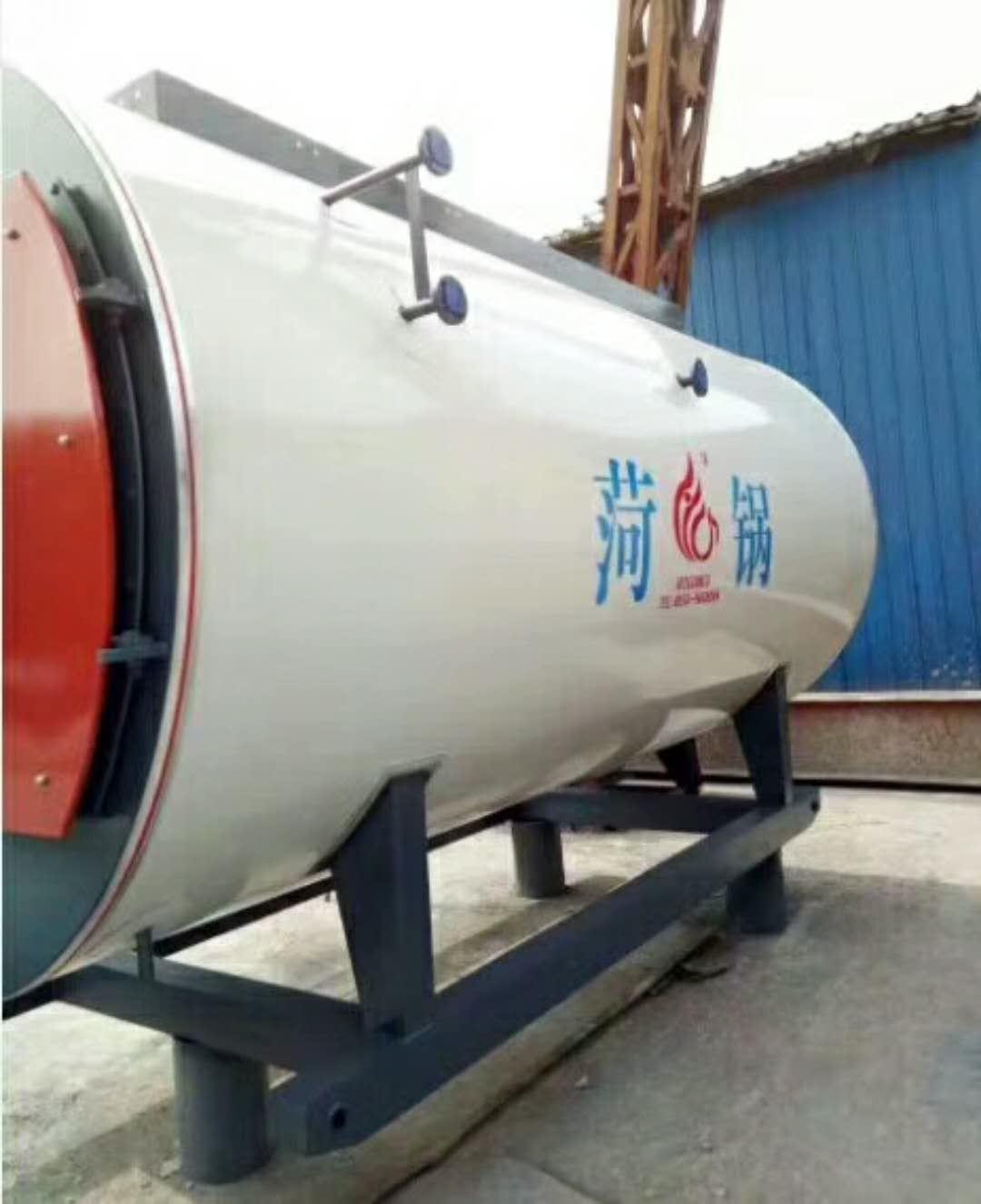
30, 60, 100 cubic LNG storage tank valves, piping, and fittings
Valve Selection and Design
Process system valves must meet the pressure and flow requirements for transporting LNG, while also possessing low-temperature performance capable of withstanding -196℃. Common LNG valves include pressure relief valves, pressure reducing valves, emergency shutdown valves, low-temperature stop valves, safety valves, check valves, etc. The valve material is 0Cr18Ni9.
Pipe, fittings, and flange selection design
Pipes with medium temperatures ≤ -20℃ are made of seamless stainless steel tubes for conveying fluids (GB/T 14976—2002) with material 0Cr18Ni9. Fittings are all made of seamless stamped fittings with material 0Cr18Ni9 (GB/T 12459). Flanges are used with long-neck socket-welding steel pipe flanges (HG 20592), also with material 0Cr18Ni9.法兰密封垫片 are metallic gasket wraps, material 0Cr18Ni9. Fasteners are specialized double-threaded studs and nuts, material 0Cr18Ni9.
Process pipes with medium temperatures greater than -20°C, use seamless steel tubes (GB/T 8163) for fluid conveyance when nominal diameter ≤ 200 mm, with material No. 20 steel; use welded steel tubes (GB/T 3041-2001) when nominal diameter > 200 mm, with material Q235B. Fittings are all made of seamless stamped fittings with material No. 20 steel (GB/T 12459). Flanges are raised face flanged steel pipe flanges (HG 20592), with material No. 20 steel. The flange sealing gasket is a flexible graphite composite pad (HG 20629).
LNG process pipelines are installed with welding connections, except for the necessary flange connections. Cryogenic process pipelines are insulated using polyurethane insulated pipe supports and composite polyethylene insulated pipe shells. Carbon steel process pipelines are treated for corrosion resistance.
Section 6: Fire Protection Design for LNG Gasification Stations
The fire protection design of the LNG gasification station is based on the LPG part of CB 50028 "Urban and Rural Gas Design Code." A dike area is set around the LNG storage tanks to minimize the damage to surrounding facilities in case of an accident. A sprinkler system is installed on the LNG storage tanks with a sprinkling intensity of 0.15 L/(s·m2). The water usage for sprinkling is calculated based on the total surface area of the storage tank on fire. Adjacent tanks within a diameter of 1.5 times the diameter of the fire tank are calculated at 50% of their surface area. The water usage for fire hoses is selected according to GBJ 16 "Code for Fire Protection Design of Buildings" (2001 edition) and GB 50028 "Urban and Rural Gas Design Code" (2002 edition).
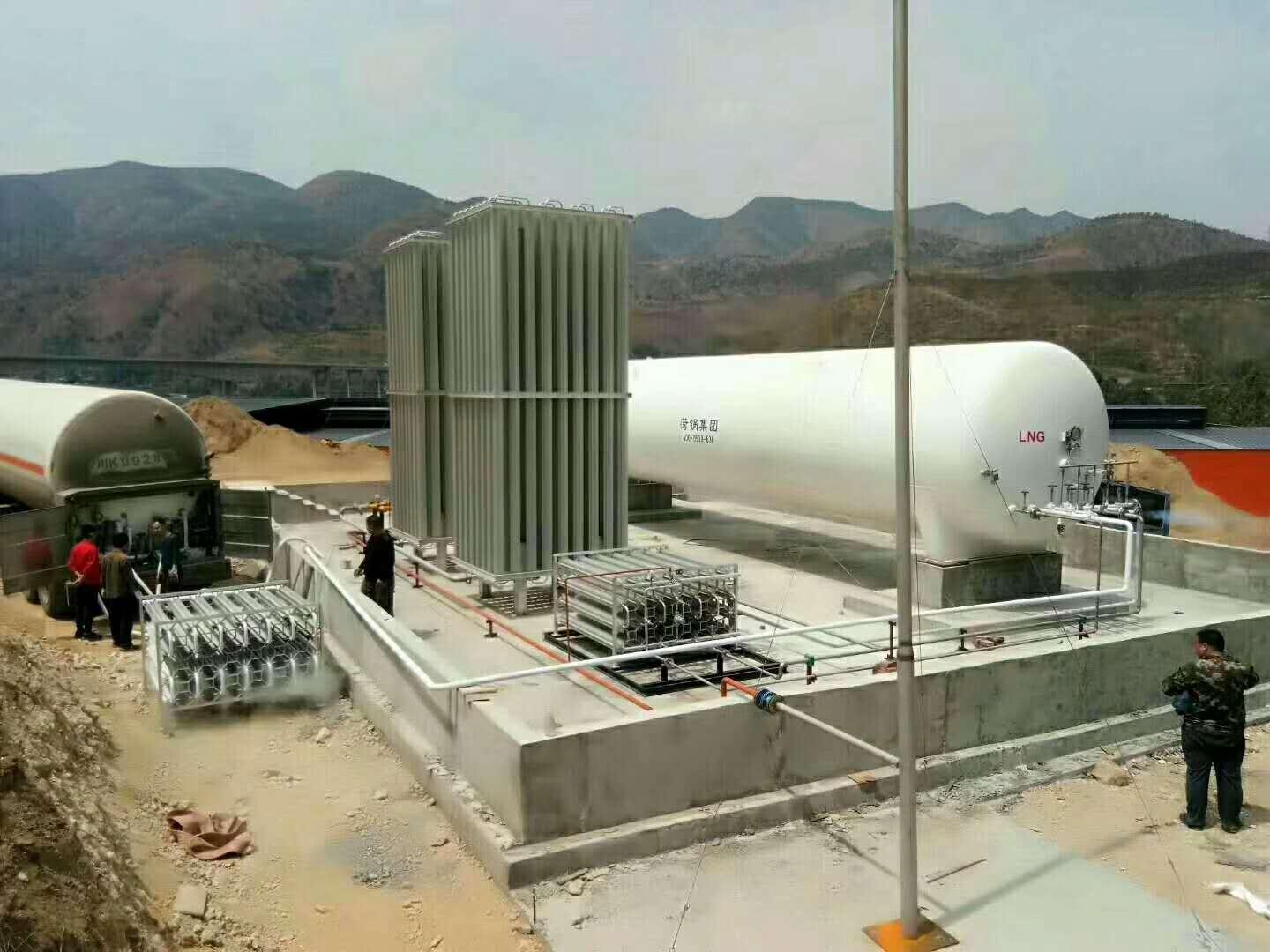
In the early stages of LNG tank development, tanks were all of the single-walled type. They were insulated with block insulation, but lacked a metallic moisture-proof layer and were prone to damage from windstorms. Subsequently, they evolved into double-walled, double-roofed tanks. Due to the ease with which LNG produces vapor, this can lead to overpressure inside the tank, ultimately leading to the development of double-walled, single-roofed tanks.
1. Tank Classification and Overview
LNG low-temperature storage tank types include: underground tanks, spherical tanks, single-container tanks, double-container tanks, full-container tanks, membrane tanks, and mother-daughter tanks. Currently, single-container tanks and mother-daughter tanks are more commonly used in liquefied natural gas plants, while underground tanks, full-container tanks, and membrane tanks are primarily applied in large-scale LNG receiving stations.
(1) Single-container tank
Single-walled containers and double-walled containers are available. Their design pressure ranges from 17 to 20 kPa, with the operating pressure typically at 12.5 kPa. For large-diameter single-walled containers, the design pressure is relatively lower, which can be less than 14 kPa. The equipment layout for single-walled containers requires a larger safety distance and land area, and fire dikes and embankments must be set up.
(2) Mother and daughter drums
The mother罐 consists of an inner and an outer tank. The inner tank is composed of multiple sub-tanks, which are assembled side by side within a large outer tank. This is a new type of low-temperature storage tank that has developed in recent years. It can be used for both pressurized and atmospheric storage, with operating pressures ranging from 0.2 to 1.0 MPa, up to a maximum of 1.8 MPa. Similar to single-container tanks, it requires a significant safety distance, large land area, and often features firebreaks and embankments.
(3) Spherical Tank
The spherical storage tank consists of an inner and outer sphere. In operation, the inner sphere serves as an internal pressure vessel, while the outer sphere acts as an external vacuum pressure vessel. The volume of the spherical tank typically ranges from 200 to 1500 cubic meters, with operating pressures between 0.2 to 1.0 MPa.
(4) Underground Tank
An underground storage tank is a type of tank where the highest liquid level of stored LNG is below ground level, with the tank body resting on an impermeable stable foundation. These tanks are constructed with cylindrical metal shells, encased in reinforced concrete. Due to the high investment cost and long delivery cycle of underground storage tanks, they are generally not chosen for design.
(5) Full-Volume Tank
The full capacity tank is composed of an inner cylinder, an outer cylinder, and a top cover, offering double containment for LNG and its vapors. The design pressure of the full capacity tank can reach 0.029 MPa, with a design temperature of -196 to 60°C. The seismic design friction coefficient is generally 0.3 to 0.6, with an allowable distance between the inner and outer cylinders not exceeding 2 meters. Compared to single or double containment tanks, the full capacity tank has the highest cost but the best safety reliability, making it extremely prevalent in receiving stations.
(6) Membrane罐
The membrane tank utilizes stainless steel inner membrane and concrete outer tank walls, meeting the same fire prevention and safety distance requirements as full capacity tanks. The membrane tank offers greater operational flexibility compared to full capacity tanks and is particularly suitable for use in areas with frequent seismic activity and high population density. However, it is characterized by higher investment costs and a longer construction period.
(7) Twin-Container
The dual-container design has the same pressure as a single-container design, with both the inner and outer containers capable of separately containing stored low-temperature liquid products. The outer container is made of low-temperature steel or concrete, while the inner container is made of 9% nickel steel or stainless steel. The distance between the inner and outer containers must not exceed 6 meters.


