


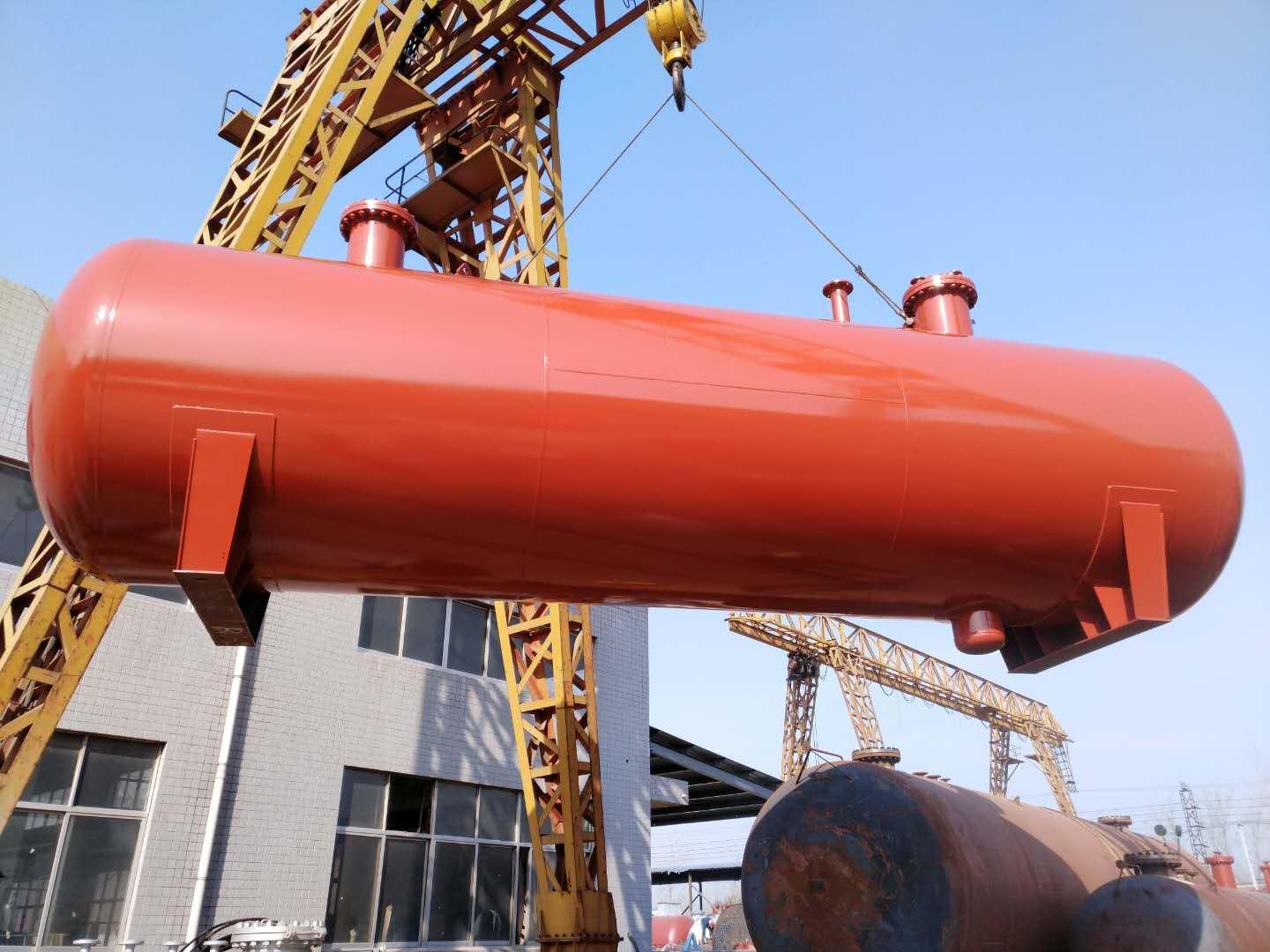
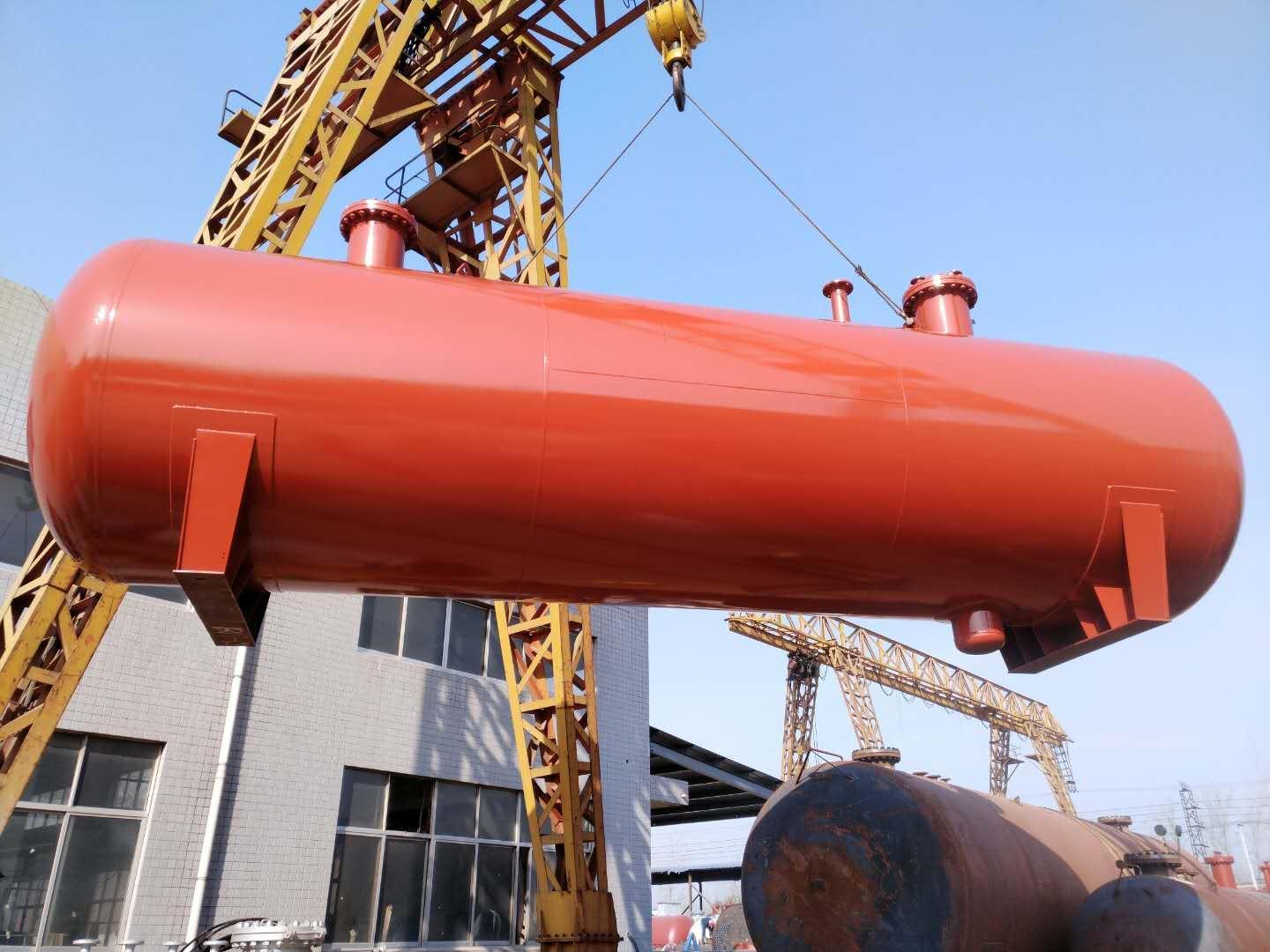
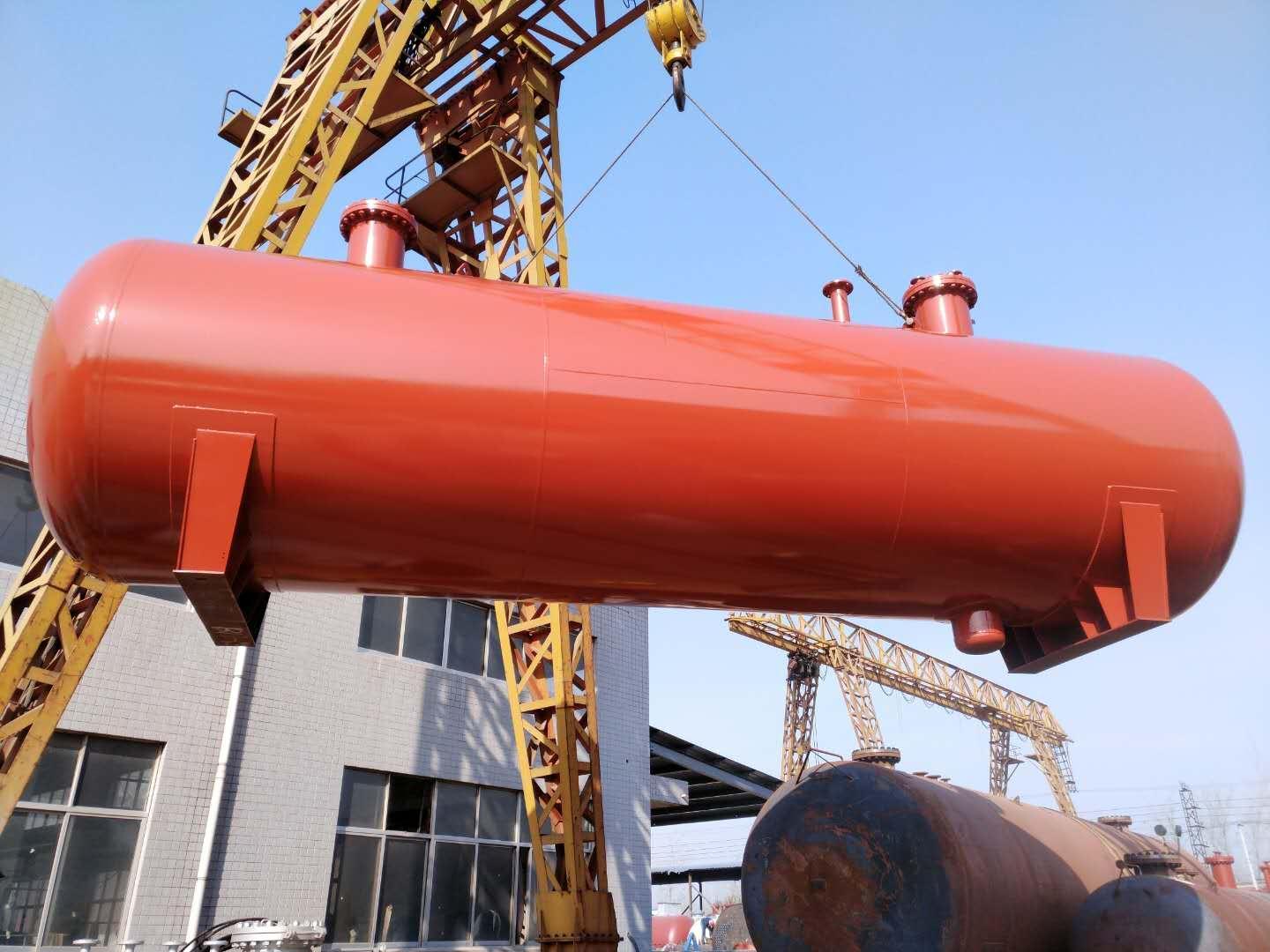

When the low-temperature storage tank is in operation, there are potential hazards such as leaks, overpressure, and explosions. If the hidden dangers before these accidents are not discovered and addressed in time, they can escalate into severe incidents. Therefore, establishing a comprehensive inspection system and strictly enforcing it is crucial for ensuring the safe operation of the low-temperature storage tank.
When the low-temperature storage tank is in operation, potential dangers such as leaks, overpressure, and explosions exist. If the hidden dangers before these accidents are not discovered and addressed in time, they can escalate into serious incidents. Therefore, establishing and strictly enforcing a comprehensive inspection system is crucial for ensuring the safe operation of the low-temperature storage tank. The daily inspections of the low-temperature storage tank mainly include the following:
1. Check for any leaks in valves and piping, and if the casing is frosting or sweating.
2. Are all valves in normal on/off status?
3. Are the instruments (level gauges, pressure gauges) functioning properly, and do the DCS display parameters match the on-site primary meters?
4. Is the tank slot pressure normal? Open the vent valve to release pressure when the pressure approaches or equals the maximum pressure.
5. Is the liquid fill rate over 95%?
6. Is the sealed gas normal for atmospheric pressure powder insulation storage tanks? (50mmH2O)
7. No flammable, explosive materials or any debris are allowed near the liquid oxygen storage tank, with clear signage.
8. No smoking or flames near liquid oxygen storage tanks.
9. Test the acetylene and total hydrocarbon content in the liquid oxygen storage tank at least once a week. The acetylene content must not exceed the specified process standard; if it does, liquid oxygen must be discharged and replaced promptly.
10. Is the liquid oxygen storage tank properly grounded?
11. Ensure there is a certain amount of liquid inside the drum if it's not to be used for an extended period, to avoid spending a long time re-cooling and replacing the drum.
12. Are the legs damaged, is the base sinking, tilting, or cracked, the condition of the fastening bolts, and any deformation of the tank.
13. Regularly check the vacuum level of the storage tank.

The LNG storage tank is a double-walled structure, consisting of the inner tank, outer tank, internal and external supports, insulating layer, pressure safety system, vacuum pump, pipeline system, etc. All vacuum-insulated structures rely on vacuum. Due to the high degassing rate and suction resistance of the insulating space material, and the sealing material's inability to withstand high baking temperatures and slow degassing, suction is challenging. To achieve the required vacuum level within the designed suction time, in addition to the vacuum pump and suction process, it also depends on the flow area of the annular suction pipe. To ensure a high vacuum level and improve the suction rate, a vacuum pump is installed at both ends of the equipment. One vacuum pump consists of three suction pipes, placed in the lower half of the annular space and extending from the bottom, while the other vacuum pump also consists of three suction pipes, positioned in the upper half of the annular space and extending from the top. The two sets of suction pipes cross and overlap along the length of the tank. By increasing the flow area of the suction pipes and using various auxiliary methods such as heating and nitrogen displacement, the vacuum achievement time for the annular insulating space of 100 m³ is reduced to one-third of the conventional structure.

特价天然气储罐多少钱-正规天然气储罐生产厂家-知名天然气储罐品牌-专业天然气储罐公司
