


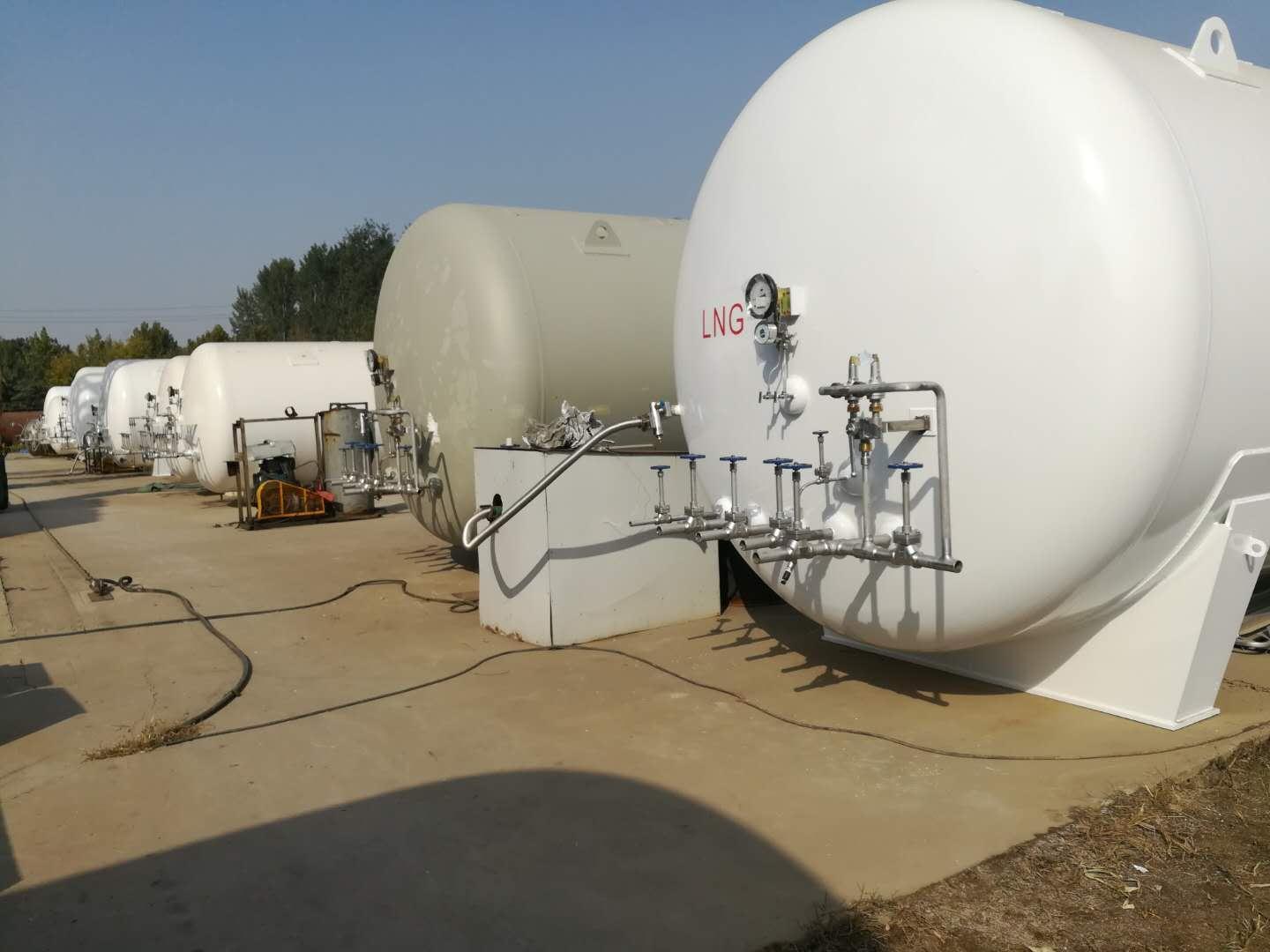
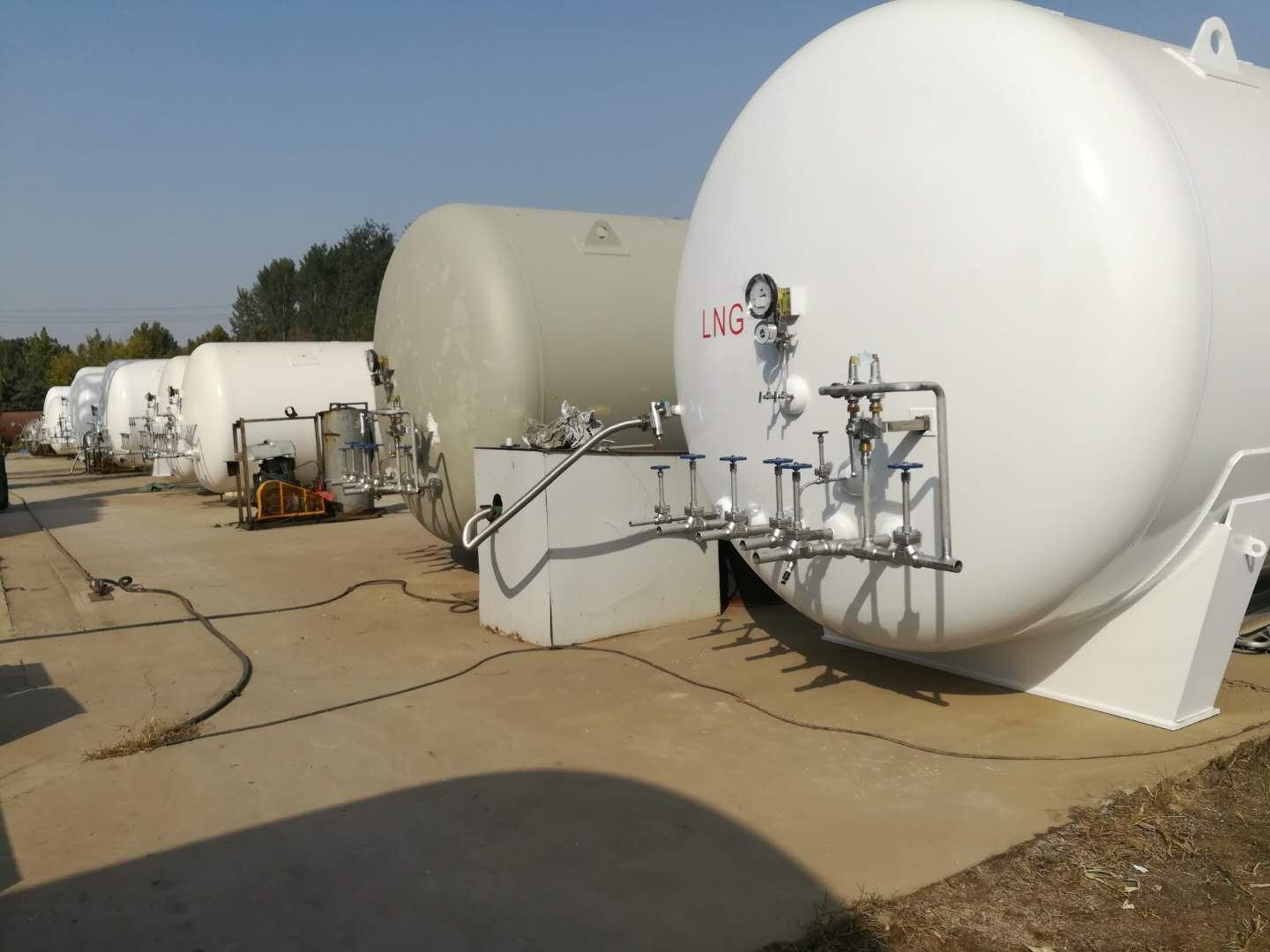
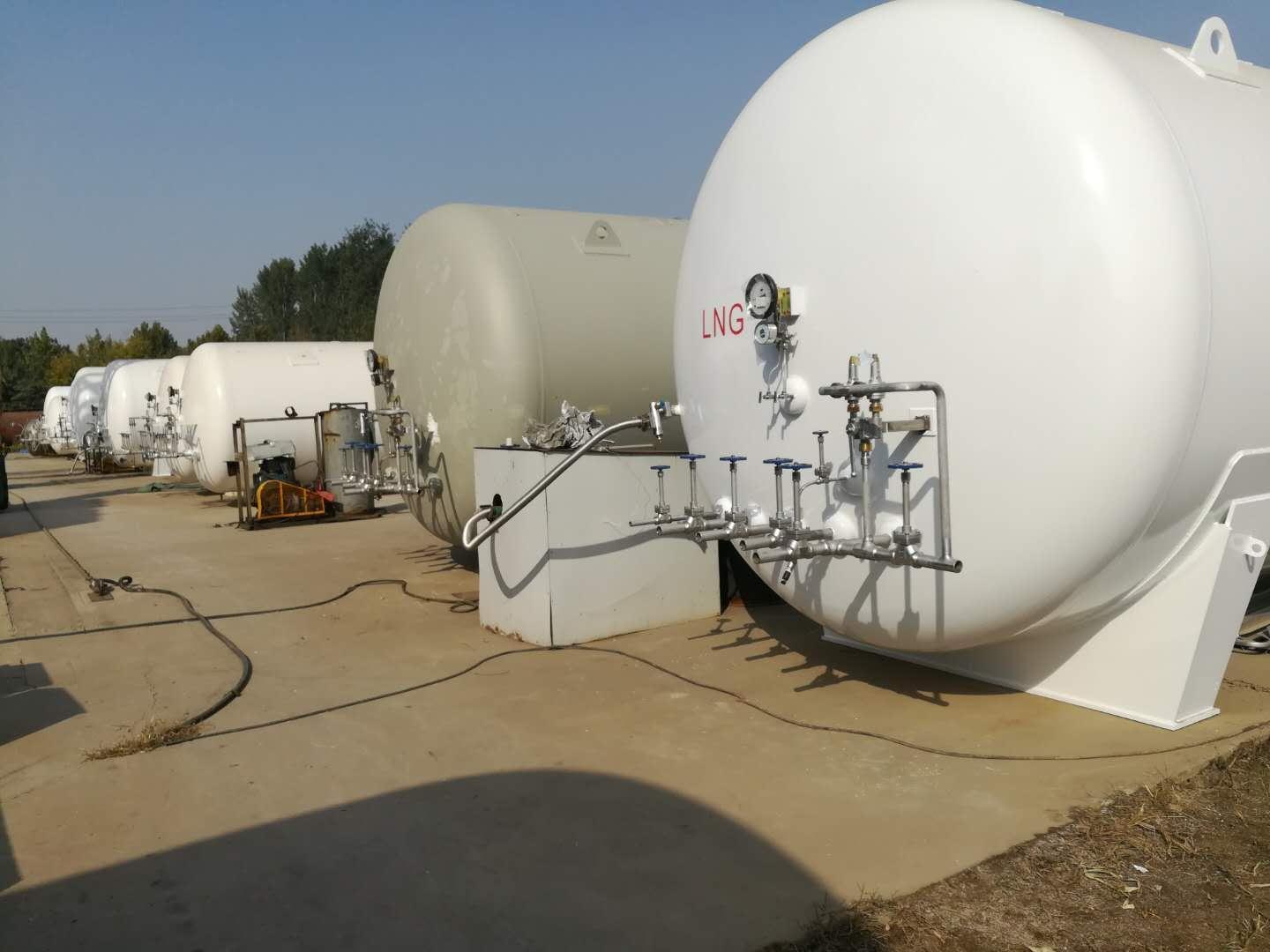
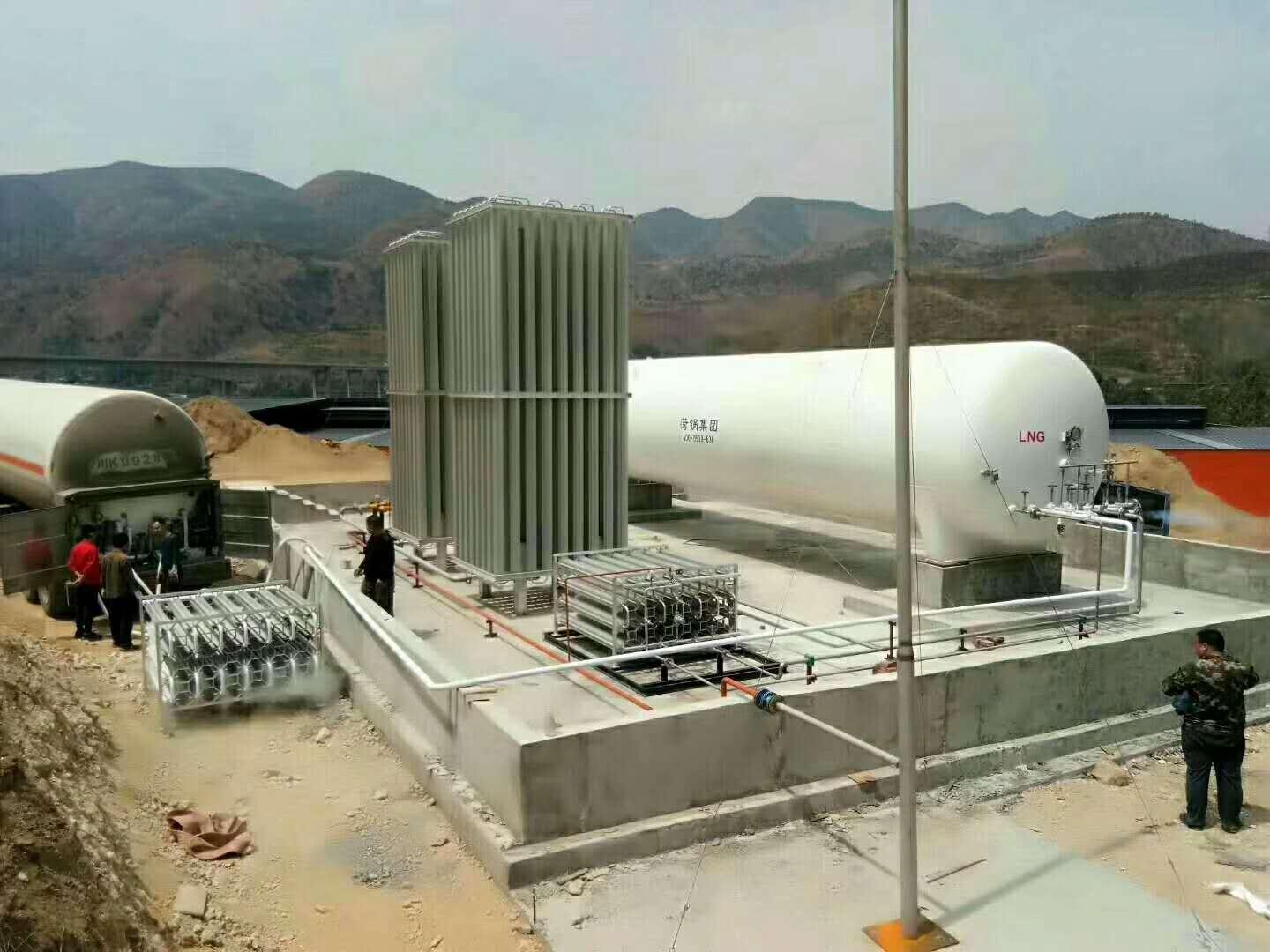
Natural gas tanks, also known as low-temperature tanks, are vertical or horizontal double-layer vacuum-insulated storage tanks. The inner shell is made of austenitic stainless steel, while the outer shell material varies by user location, following national regulations to use 345R. The annular space between the inner and outer shells is filled with insulating material, pearl sand, and then evacuated. The product undergoes on-site inspection by the National Technical Supervision Administration and is issued with a pressure vessel supervision and inspection certificate.

Natural gas tanks are the main equipment of LNG gasification stations, directly affecting the normal production of the stations and accounting for a significant portion of the construction cost. They can be categorized by structure into underground tanks, above-ground metal tanks, and metal prestressed concrete tanks. For LNG tanks, there are currently vacuum powder insulation tanks, positive pressure pile insulation tanks, and high vacuum layer insulation tanks. Medium and small-scale gasification stations generally opt for vacuum powder insulation type low-temperature tanks. The tanks are divided into inner and outer layers, with the gap filled with mica sand and vacuumed to reduce the transmission of external heat, ensuring that the daily gasification rate of LNG inside the tank is less than 0.3%.

Natural Gas Storage Tank
The operating pressure of the natural gas storage tank is 0.6-1.44 MPa, with an operating temperature of -162°C. (Available in either vertical or horizontal models) The tank consists of two layers, both internally and externally. To minimize heat transfer from the outside to the inside, a vacuum insulation structure filled with pearlite sand is used between the layers, isolating it from the atmosphere. This prevents the effects of atmospheric pressure or temperature changes and the entry of moist air into the insulation layer between the inner and outer tanks, effectively ensuring and enhancing the performance of the insulation material.

Safety requirements for natural gas storage tanks are stringent. As the tanks store cryogenic liquids, in the event of an accident, the chilled liquid would vaporize in large quantities, with the vaporization rate being approximately 300 times that of its refrigerated state, forming explosive gas clouds in the atmosphere. Therefore, specifications such as API, BS, etc., all require the use of double-walled tank structures and the application of containment concepts. In the event of a leakage in the primary tank, the secondary tank can completely contain the leaking liquid and evaporated gas, ensuring the safety of storage.
Advantages of LNG
Compared to LPG and CNG, the advantages of LNG as a substitute fuel for vehicles are as follows:
(1) Clean and Eco-Friendly. As a vehicle fuel, LNG must first be vaporized by a vaporizer and then combusted completely within the engine in its gaseous state. Due to the high methane content of 90% to 99% in LNG, the exhaust emissions contain very low levels of harmful substances, making it extremely clean and eco-friendly.
(2) High unit price calorific value. Compared to other fuels, LNG is priced lower with a higher unit price calorific value. The low-temperature characteristics of LNG can lower the temperature of the mixed gas and combustion temperature, enhancing the engine's thermal efficiency. This effectively ensures that LNG burns more completely and thoroughly than LPG, CNG, diesel, and gasoline within the engine. Furthermore, LNG boasts high energy density and storage efficiency, making it more favorable for transportation and applicable across a wider geographic area. Consequently, LNG exhibits strong economic and applicability attributes.
(3) High Safety. The LNG fuel tank allows working pressure up to 1.586 Mpa. The operation pressure range of the factory is 0.1759~1.4074 Mpa. The advantages of natural gas, its risk of danger is lower than that of CNG. Automotive LNG storage tanks commonly use double-layer metal vacuum powder insulation or double-layer metal vacuum winding insulation structures, which have high thermal insulation efficiency and can maintain non-evacuation for a longer time. The density of LNG after gasification is lower than air under atmospheric pressure, even if LNG leaks, it will quickly disperse in the air. The risk of spontaneous combustion is relatively low. Additionally, the composition of LNG is relatively stable, and the simplicity and consistency of its components are beneficial for determining design parameters like engine compression ratio, avoiding the adverse effects of explosive combustion of components like ethane and propane. As an alternative automotive fuel, LNG ensures smooth engine operation, reduces noise pollution, and can save over 50% in engine maintenance costs compared to conventional fuels.
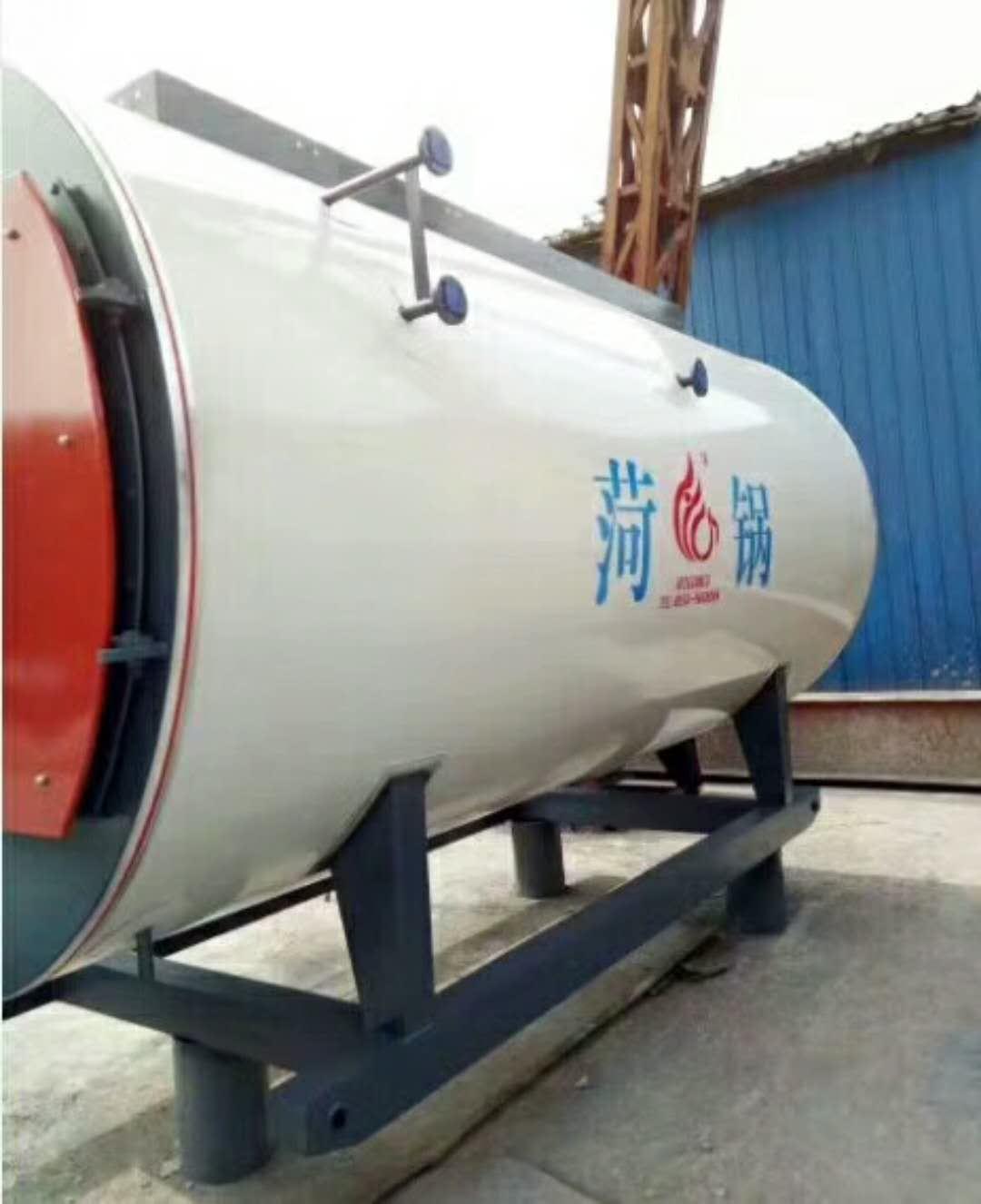

LNG储罐加工厂-现货LNG储罐批发-哪里有卖LNG储罐报价-哪家LNG储罐批发价
