


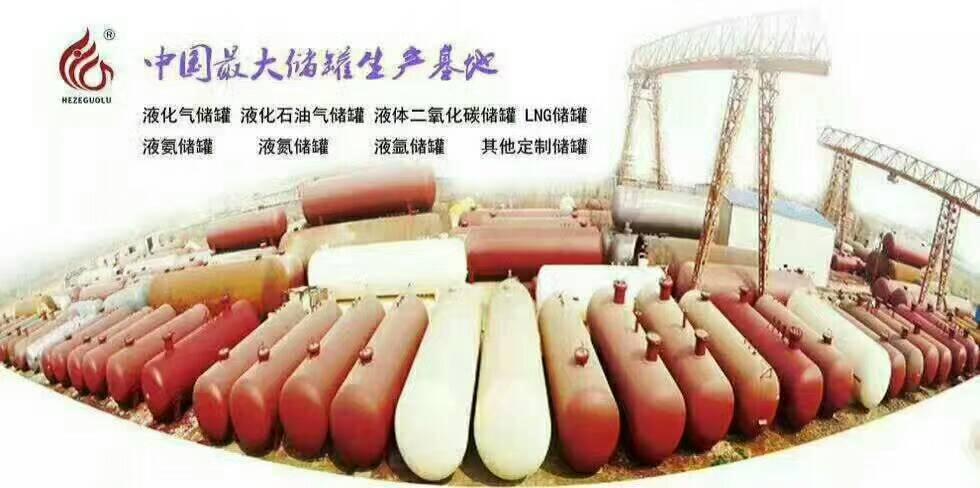
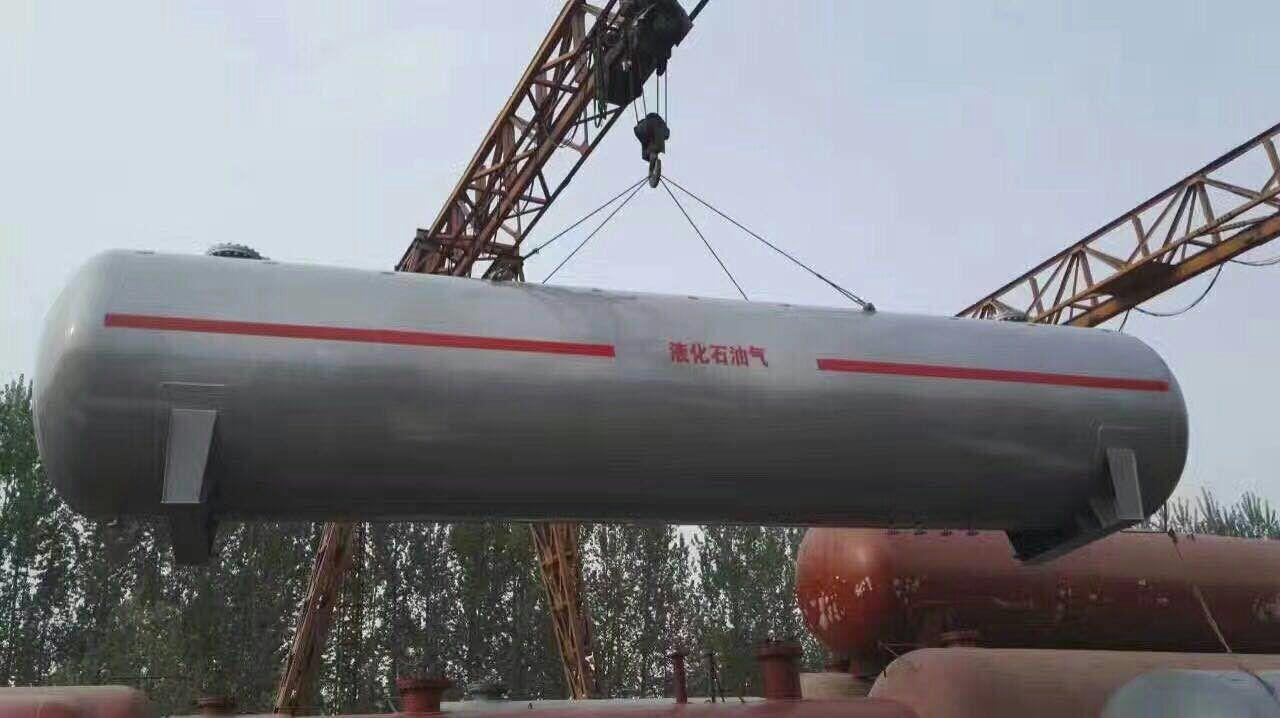
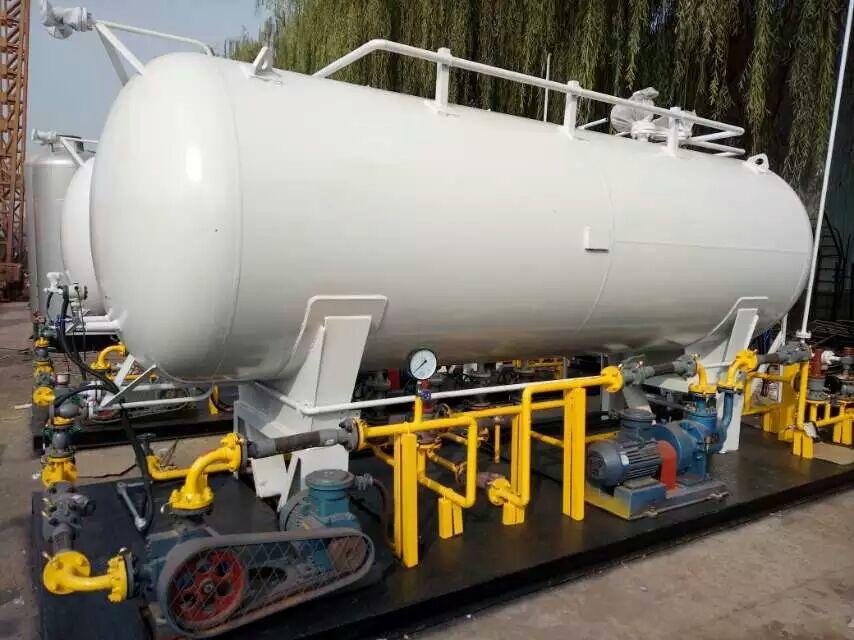

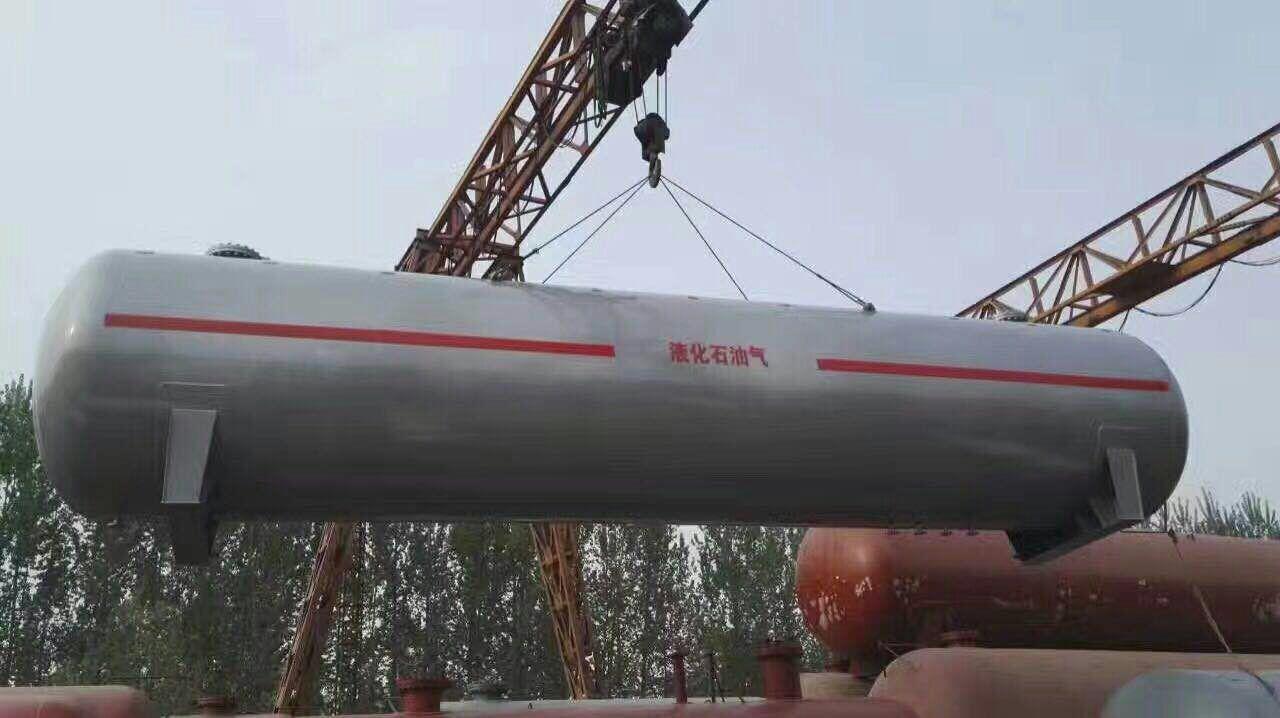
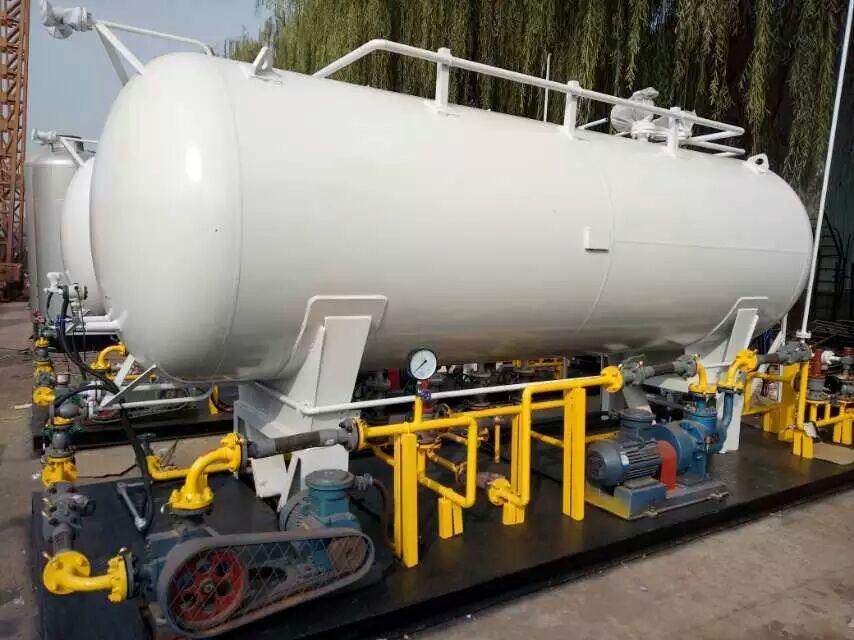
Our company specializes in storage tanks, which are among our key products. These include LPG storage tanks, anhydrous ammonia tanks, liquid chlorine tanks, propane tanks, pentane tanks, and low-temperature storage tanks for liquid oxygen and nitrogen. Particularly, our LPG storage tanks have been produced in bulk quantities with a continuous production line, and various models are available in stock. Available capacities range from 5 to 200 cubic meters, and we offer both above-ground and underground tank options.
Procedures for Safe Operation of Liquefied Petroleum Gas Aboveground Storage Tanks
1. Use storage tanks in accordance with national specifications and design parameters, strictly prohibiting overpressure and exceeding liquid levels.
2. Inspections are strictly conducted according to regulations; tanks that fail to meet standards are not to be put into use.
3. Various safety accessories of the storage tank must be inspected regularly according to regulations to ensure proper functioning.
4. Valves connected to the storage tank, including normally open and normally closed valves, must be clearly marked.
5. The liquid storage in the tank should be strictly controlled at 85% or below, and the level gauge must have clear limit markers.
5. Promptly offload the tank if overfilling is detected.
6. Conduct daily routine checks of the tank's pressure, temperature, and level; promptly address any anomalies and report them.
7. When the summer temperature exceeds 35℃ and the storage tank pressure reaches over 10 kgf, the sprinkler cooling system must be activated.
8. When the winter temperature drops below 5°C, daily draining and inspection of the storage tank should be conducted to prevent ice blockage.
Liquefied gas storage tanks are extremely dangerous in the event of a leak. At any legitimate industrial site, comprehensive safety operation regulations and management systems for storage tanks must be established when in use. 1. When there is only a small leak in the tank, the transporter should immediately close all pipeline valves of the tank and simultaneously halt the operation of other nearby equipment. Rapidly evacuate personnel from the leak-polluted area to the upwind location (due to the storage of liquefied gas, it is easy to float into the air) and implement safe isolation. Cut off all fire sources and, as safely as possible, prevent the spread of the leak source. 2. In the event of a large leak, in addition to the initial emergency response, an immediate report should be made to the local government, "119," and local environmental protection and public security traffic departments. The report should include: the unit involved, time and location of the incident, chemical name and amount of leakage, level of danger, presence of injuries or fatalities, and the name and phone number of the person reporting. Opening a liquefied gas storage tank for inspection is a major operation for any liquefied gas station. Given the characteristic of inspecting three tanks simultaneously and halting the entire station's normal production operations, thorough preparatory work is particularly important in advance.
液化气储罐销售价格-专业液化气储罐出售-特价液化气储罐制造厂-专业生产液化气储罐哪家质量好
