



"Fuel Gas Atmospheric Pressure Hot Water Boiler" Detailed Introduction
Categories.
The atmospheric hot water boilers are mainly categorized by their fuel types, including atmospheric gas-fired hot water boilers, atmospheric oil-fired hot water boilers, and atmospheric coal-fired hot water boilers, etc.
Application
Hot water boilers are primarily used for heating and bathing purposes. They circulate hot water from a thermal storage tank using a hot water circulation pump, continuously heating the water in the tank to achieve bathing goals. Additionally, hot water boilers circulate hot water through heating pipes using a circulation pump, which, when passed through radiators (heating panels), meet people's heating needs. The combination of a hot water boiler, circulation pump, and heat exchanger enables both bathing and heating functions.
Section 2: Atmospheric Pressure Fuel Gas Hot Water Boiler
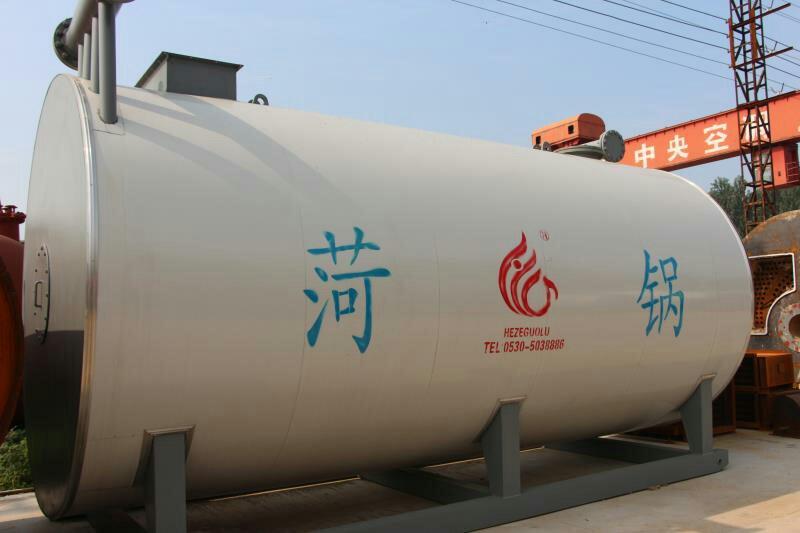
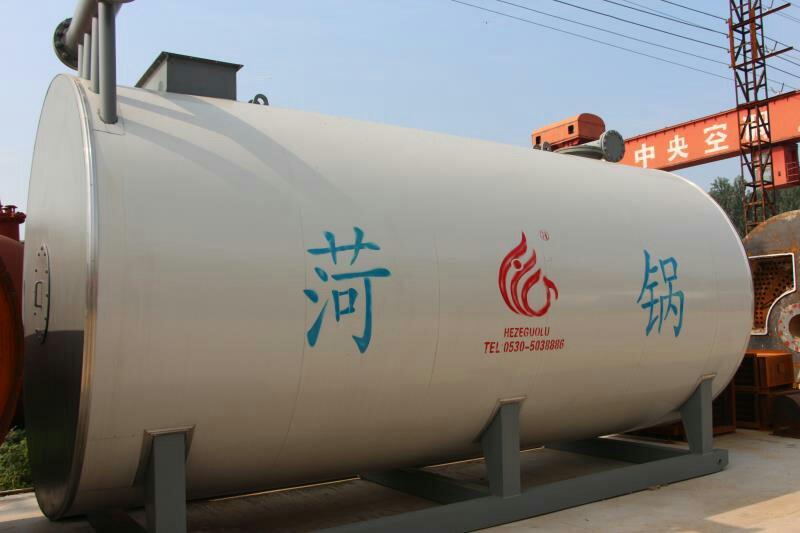
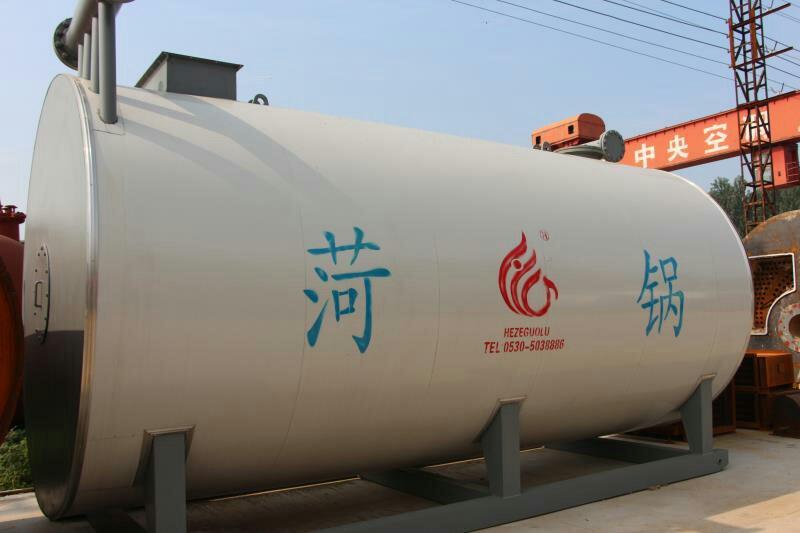
Atmospheric pressure fuel (gas) hot water boilers, fueled by diesel or natural gas, heat water via burners to provide heating and hot water for domestic use and bathing. These boilers are highly intelligent, quick to heat, low in noise, and dust-free, making them an economically popular boiler type well-suited to China's national conditions. The boiler can independently meet heating needs as well as hot water supply. If a heat exchanger is added to the piping system, the boiler can simultaneously fulfill both heating and bathing requirements.
Control System
Equipped with a dedicated microcomputer controller for hot water boiler, featuring a large full-Chinese LCD screen with a super-bright backlight, ensuring the boiler's operating status is clearly visible day and night. Comprehensive display includes: circulating pump operation, burner status, water temperature, water level high/low, current time, alarm records, etc., covering all aspects of the boiler's operation; easy settings: after the boiler is turned on, operators can easily access standby mode (settings), enter operational mode (start-up), or exit operational mode (shutdown) through 6 buttons, freely setting operational parameters while in standby mode; complete functions: allows setting of current time, alarm temperature, maximum water temperature, minimum water temperature, pump start/stop temperature, and boiler on/off times (divided into 4 time periods) among other operational parameters. Typically, operators only need to press the "Start" button to turn the boiler on and the "Stop" button to turn it off, making it very simple.
2. Combustion System
Utilizing original imported burners, featuring fully automatic programmed control, automatic fan sweeping, electronic automatic ignition, automatic oil-gas combustion, and automatic proportioning of fuel and air (or gas), with excellent atomization and complete combustion, energy-saving, and environmentally friendly. Equipped with an automatic shutdown protection device for combustion safety. Normally, the burner output adjusts the flame height automatically according to the boiler temperature. When the boiler outlet temperature reaches the set value, the burner automatically stops combustion. When the temperature falls below the set value, the burner automatically starts working. In case of abnormal fuel or air supply, the fault light illuminates, and the programmed control immediately stops fuel output, causing the combustion unit to automatically shut down.
3. Furnace design
Boilers are designed for atmospheric pressure operation, featuring an air vent at the top to eliminate the risk of explosion. The boiler body is designed through computer-optimized simulation, ensuring optimal dimensions and a harmonious, aesthetically pleasing shape. The CLHS vertical boiler utilizes a bottom-mounted burner combustion method, where fuel burns at a slight positive pressure within the furnace. High-temperature flue gases undergo radiant heat exchange inside the furnace and then enter the smoke tubes for convective heat exchange before being exhausted through the top smoke box. Baffle plates are inserted into the flue tubes to slow down the exhaust speed of flue gases, enhance heat exchange, and ensure that the heat generated by fuel combustion is maximized for heating the boiler water, significantly improving the boiler's thermal efficiency. The CWNS horizontal boiler employs a full-wet back three-pass structure, with a long flue gas path to reduce exhaust gas temperature. The full corrugated furnace pot creates strong flame disturbance, significantly increasing the heat transfer coefficient and effectively preventing equipment lifespan reduction due to metal thermal expansion and contraction. Large-diameter flue tubes and large bridge gaps allow for a thin scale buildup on the boiler in equal time, making cleaning easier.
4. Multi-layer Protection
The boiler features multiple safety protections: electrical leakage protection automatically cuts off the power supply; overheat protection stops the burner and sounds an alarm when the boiler water temperature exceeds the alarm temperature; secondary overheat protection automatically cuts off the secondary circuit and stops the boiler when the outer shell temperature exceeds 105℃; dry burning protection constantly monitors the water level with a high-quality water level electrode rod, and the boiler stops operating when the water level reaches or falls below the critically low level due to other reasons, preventing the risk of dry burning.
5. Insulation Performance
Glass wool is used for all-around thermal insulation, offering light weight, excellent thermal insulation properties, and minimal heat loss.
6. Overall Appearance
White color steel plate packaging, aesthetically pleasing and spacious, with good sealing and resistance to rust, mechatronics integration, small space occupation, and easy to use.


Gas-fired Heat Transfer Oil Boiler - Gas Boiler Direct Factory Sale in Urumqi - Professional Gas Boiler Manufacturing Quotation - Which Gas Boiler Has the Best Quality?
