


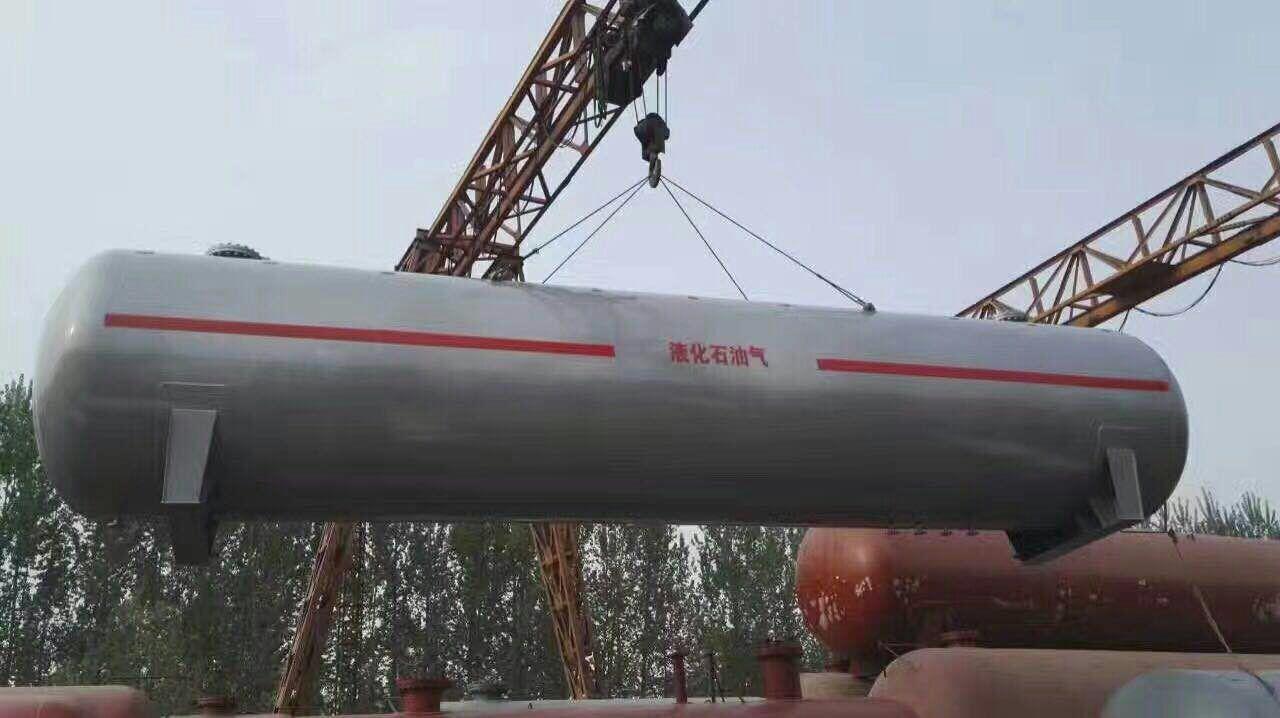
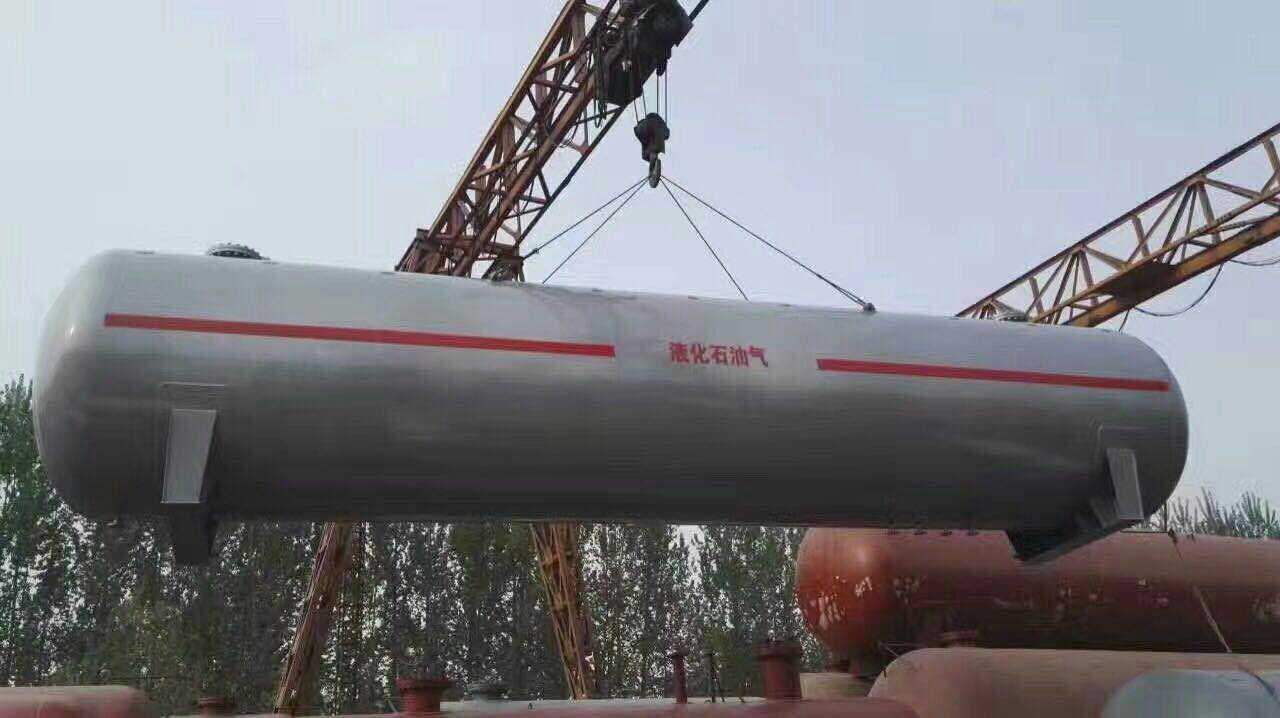
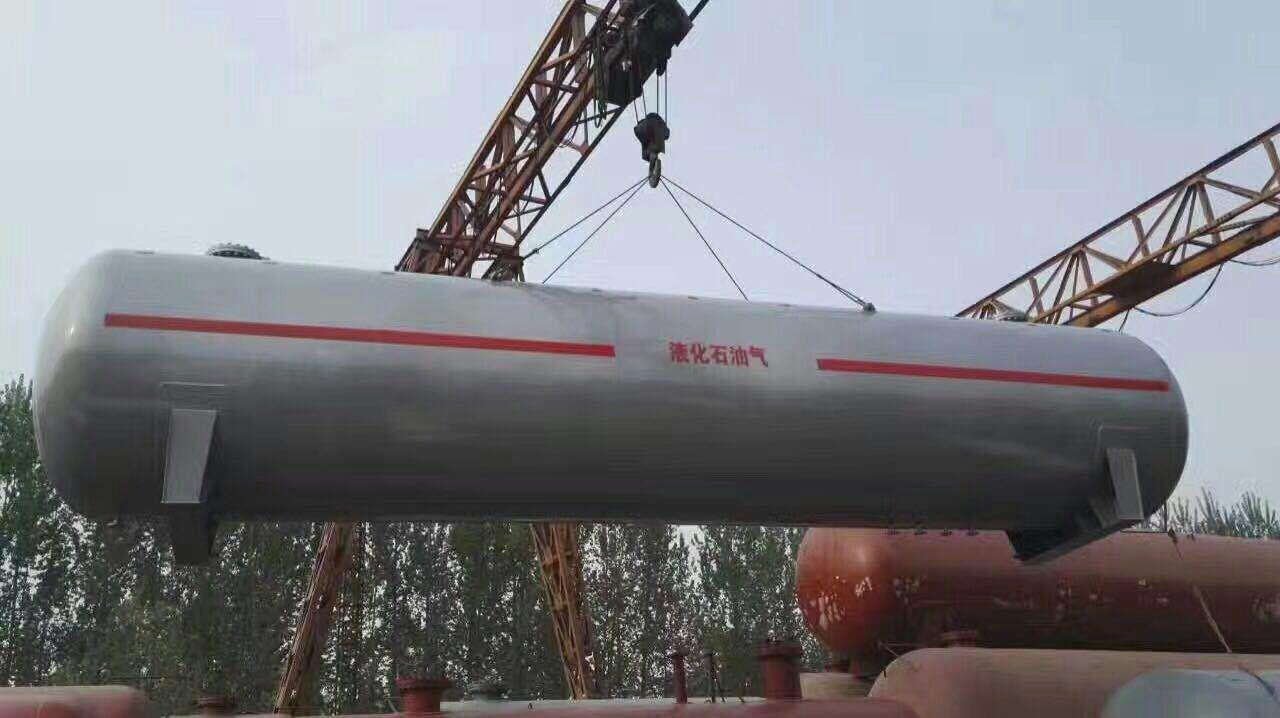

Natural gas is widely recognized as a clean, environmentally friendly, and safe high-quality energy source. Once liquefied, the volume of natural gas is reduced by approximately 600 times, which greatly benefits storage. Storage of liquefied natural gas (LNG) is done in atmospheric pressure, low-temperature tanks. Let's discuss the unique features of these LNG storage tanks.
What are the special requirements for LNG low-temperature storage tanks?
1.Low-temperature resistant
The boiling point of liquefied natural gas (LNG) at atmospheric pressure is -160°C. LNG is stored at low temperatures and atmospheric pressure, lowering the gas temperature below its boiling point. This results in storage tanks operating at slightly higher pressure than atmospheric, which, compared to high-pressure, ambient-temperature storage, significantly reduces tank wall thickness and enhances safety performance.
Therefore, LNG requires storage tanks with excellent low-temperature resistance and superior insulation properties.
2.High safety requirements
Due to the storage of low-temperature liquids inside the tank, in the event of an accident, the refrigerated liquid would volatilize in large quantities, with the vaporization amount being approximately 300 times that of its refrigerated state, forming an automatically detonating gas cloud in the atmosphere.
Therefore, standards such as API and BS require double-walled tank structures and the use of sealing concepts. In the event of a leak in the first layer, the second layer can completely seal off the leaked liquid and evaporated gas, ensuring storage safety.
3.Special Material
The inner tank wall must be able to withstand low temperatures, typically made of 9Ni steel or aluminum alloys, while the outer tank wall is pre-stressed reinforced concrete.
4.Thermal insulation measures are stringent
The tank must have excellent insulation properties to maintain an internal temperature of -160°C, considering the maximum temperature difference between inside and outside the tank can reach 200°C. High-performance insulation materials must be filled between the inner and outer tanks. The insulation material at the bottom of the tank also needs to have sufficient pressure-bearing capacity.
5.Good seismic performance
General buildings are required to crack but not collapse under specified seismic loads. To ensure the safety of storage tanks under unexpected loads, they must possess excellent seismic performance. For LNG storage tanks, it is required that they neither collapse nor crack under specified seismic loads.
Therefore, the selected construction site typically avoids seismic fault zones, and anti-seismic tests must be conducted on the storage tanks before construction to analyze the structural performance under dynamic conditions, ensuring the tank body does not sustain damage under the given seismic intensity.
6.Strict construction requirements
The tank welds must undergo 100% magnetic particle testing (MT) and 100% vacuum leak testing (VBT). Select insulating materials strictly and follow the specified procedures during construction. To prevent concrete cracking, post-tensioned prestressed construction is employed uniformly, with stringent control over the verticality of the tank walls.
LNG storage tanks are crucial containers for LNG refueling stations, an indispensable part of the infrastructure. As an industry professional in the LNG sector, do you truly understand it? Let's delve into it in detail below:
1. Storage Configuration
LNG storage tanks typically come in vertical and horizontal types. Vertical tanks offer small footprint and ease of use, reducing the power consumption of submersible pumps due to gravity differences and saving on electricity. However, vertical tanks usually exceed 10 meters in height, which can cause fear among surrounding residents, making them unsuitable for urban settings. Horizontal tanks are the most commonly used type currently, but they have the drawback of a larger footprint. They also require safe distances from surrounding structures and facilities, which according to GB50156, adds to the design complexity.
2. Insulation form
Common insulation forms for LNG tanks include high vacuum multi-layer wrapped insulation and pearl sand powder insulation. The latter is more common in practical applications due to its lower cost.
3. Materials
The container is made of high-quality Austenitic stainless steel plate 0Cr18Ni9 or imported 304 steel plate; the outer container is made of high-quality carbon steel Q345R steel plate.
4. Safety Protection System
Safety protection systems consist of tank accessories including: pressure gauges, level indicators, full set of single-use and standby fully enclosed safety valves at the root, overflow outlets, bursting discs.
5. Filling Form
The LNG storage tanks have two methods of liquid entry: top and bottom. Top entry can液化 off the BOG gas inside the tank with cold liquid. Both methods can be used. This selection needs to be made based on the on-site situation during the unloading process, which is more complex and cannot be explained in just a few sentences. Those with questions can discuss privately.
6Level Conversion
LNG液位换算质量容积及质量需要按照储罐厂家提供的数据,结合液厂的气质报告数据综合确定。
7Technical Requirements
General technical agreements require the design pressure for LNG tanks.0.8MPA, designed for -196°C, daily evaporation rate not exceeding 0.20%. The actual working pressure of the tank is generally less than 0%.8MPA, the working temperature is generally determined by the liquid's quality, around -100°F.
A seemingly simple white storage tank has deep waters. How to choose the right tank to minimize investment while meeting usage requirements, how to use the tank rationally to reduce losses at the gas station and maintenance costs? Welcome to PM for more information.


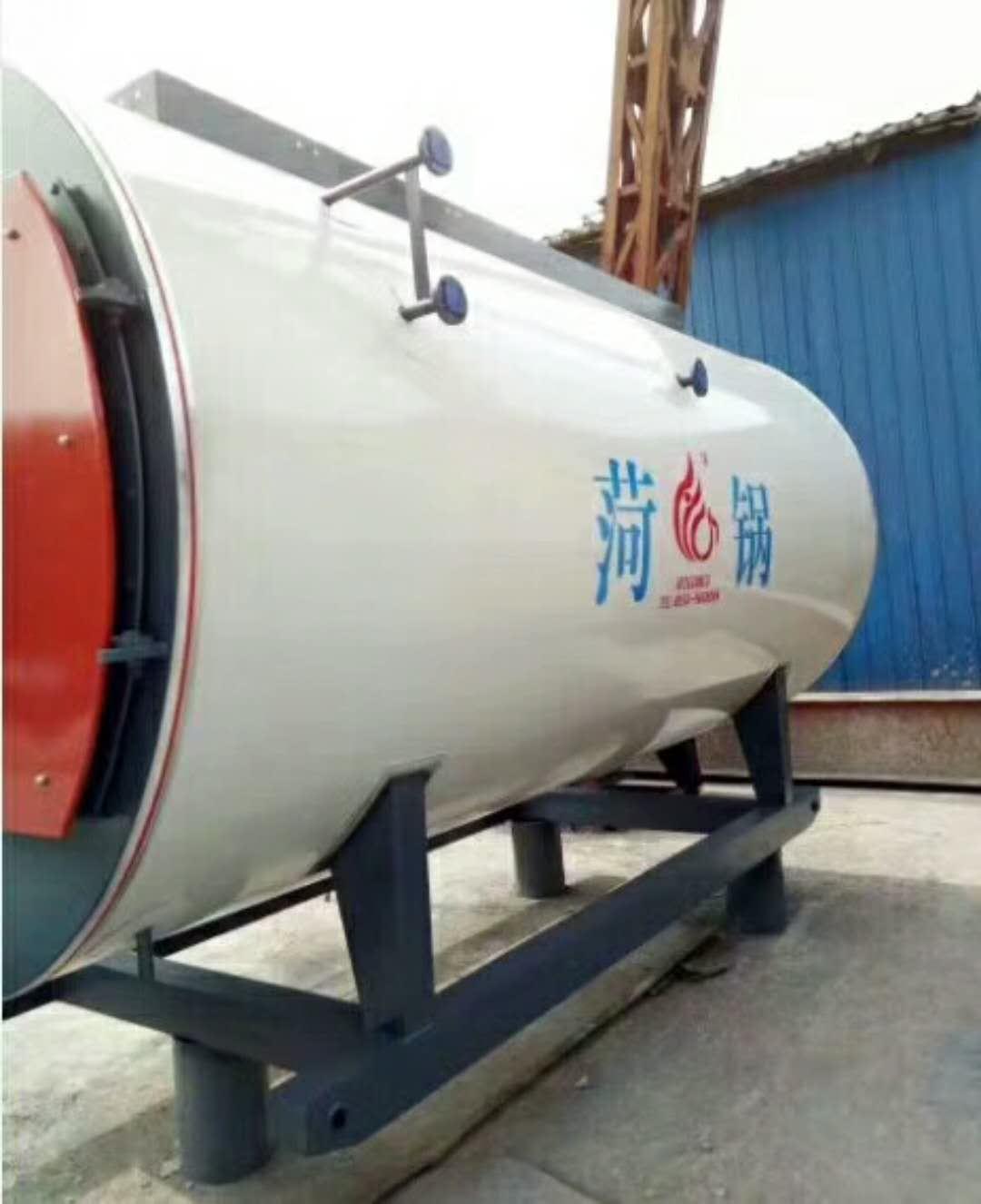
Available LNG Storage Tanks Custom-Made - Which Brand of LNG Storage Tanks is Best - Renowned LNG Storage Tanks Wholesale Prices - Professional Custom-Made LNG Storage Tank Brands
