


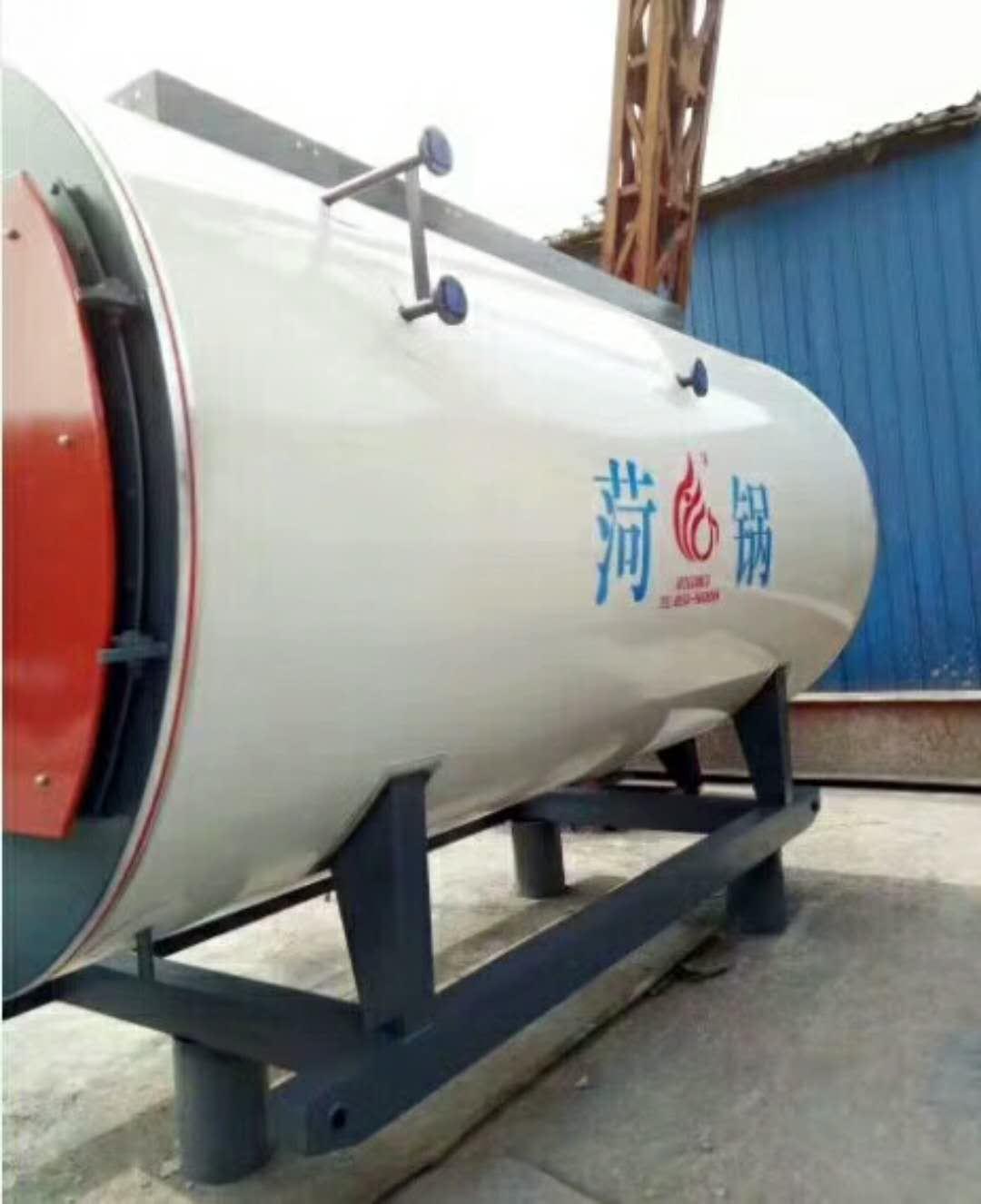
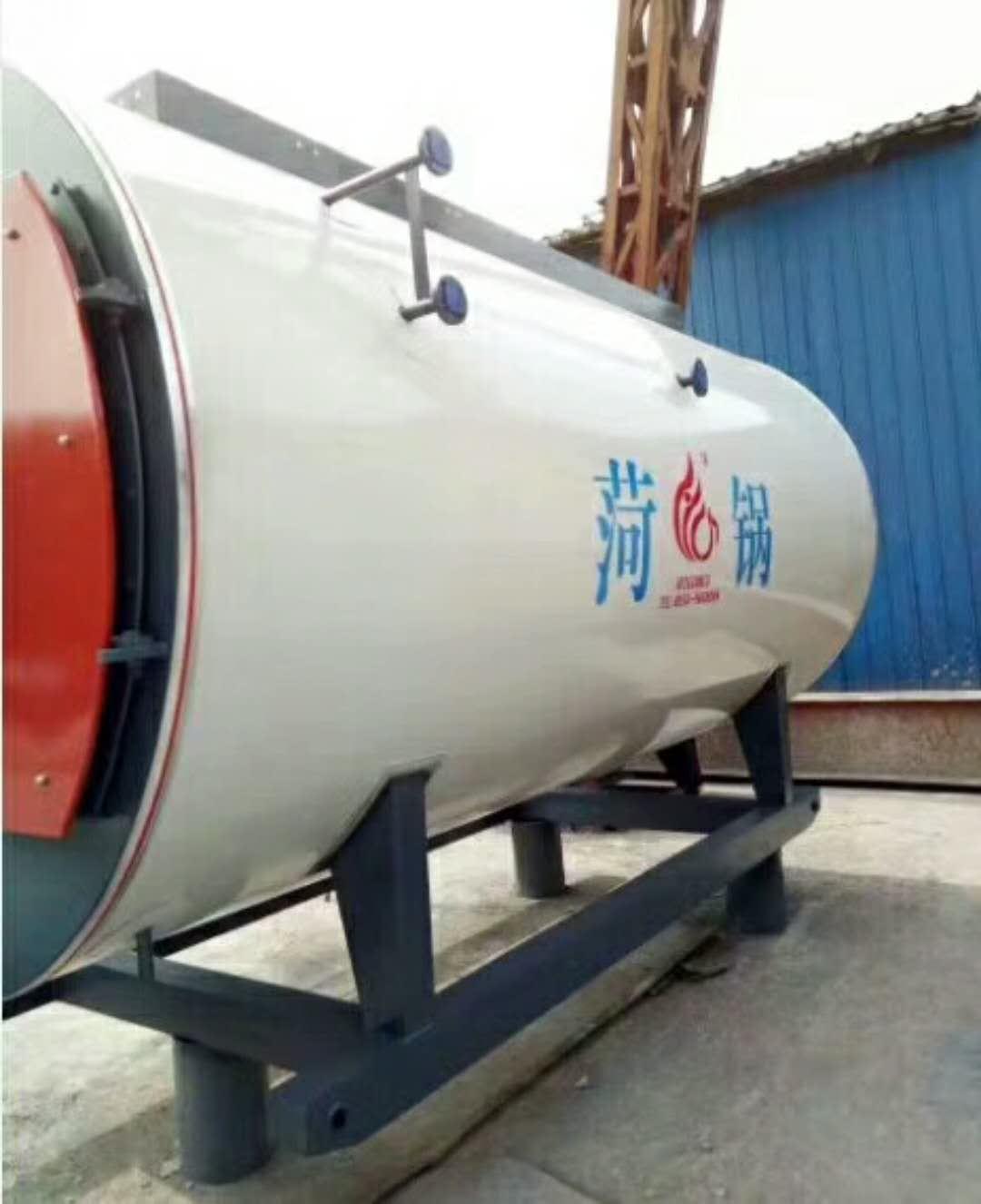
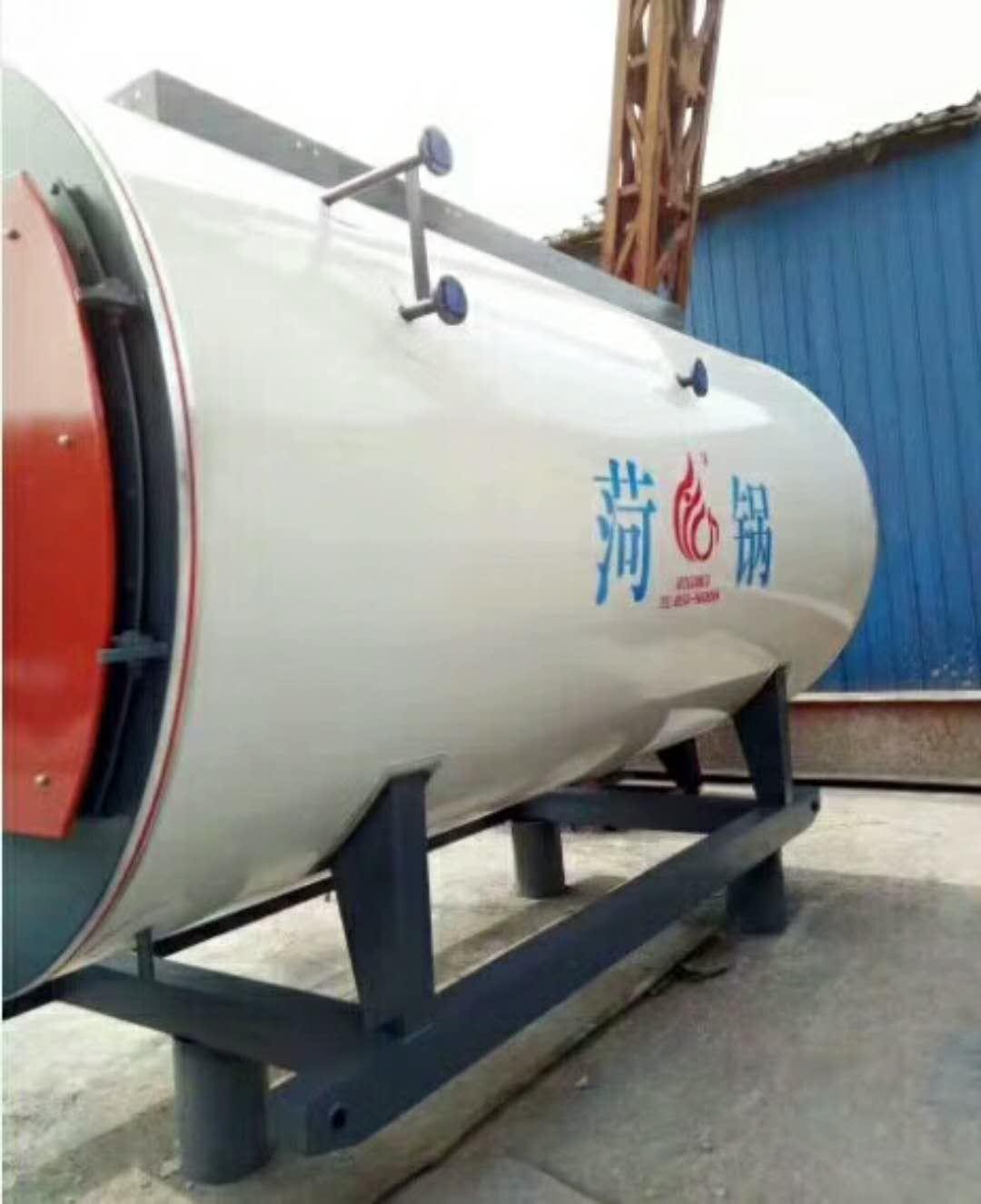
Natural gas storage tanks, also known as low-temperature storage tanks, are vertical or horizontal double-layer vacuum-insulated tanks. The inner shell is made of austenitic stainless steel, while the outer shell material varies by user location, following national regulations to use 345R. The annular space between the inner and outer shells is filled with insulating material, Pearlite sand, and then evacuated. The product undergoes on-site inspection by the National Technical Supervision Administration and is issued with a pressure vessel supervision and inspection certificate.

Natural gas storage tanks are the main equipment of LNG gasification stations, directly affecting the normal production of the stations and accounting for a significant portion of the construction cost. They can be categorized by structure into underground tanks, above-ground metal tanks, and metal prestressed concrete tanks. For LNG tanks, there are currently vacuum powder insulation tanks, positive pressure accumulation insulation tanks, and high vacuum layer insulation tanks. Medium and small-scale gasification stations generally opt for vacuum powder insulation low-temperature tanks. The tanks are divided into inner and outer layers, with the gap filled with mica sand and vacuumed to reduce the transmission of external heat, ensuring that the daily gasification rate of LNG inside the tank is less than 0.3%.

Natural Gas Storage Tank
The operational pressure of the natural gas storage tank is 0.6-1.44 MPa, with an operating temperature of -162°C. (Available in vertical or horizontal models) The tank body consists of two layers, both internally and externally. To minimize heat transfer from the outside to the inside of the tank, a vacuum insulation structure with vermiculite as the insulating material is used between the layers, isolating it from the atmosphere. This prevents the effects of atmospheric pressure or temperature changes and the entry of moist air into the insulating layer between the inner and outer tanks, effectively ensuring and enhancing the performance of the insulation material.

Natural gas storage tanks have stringent safety requirements. As they store low-temperature liquids, any accident could lead to a large-scale evaporation of the refrigerated liquid, with the vaporization amount being approximately 300 times that of the original refrigerated state, forming explosive gas clouds in the atmosphere. Therefore, standards such as API and BS require double-walled tank structures and the application of containment principles. In the event of a leak in the primary tank, the secondary tank can completely contain the leaked liquid and evaporated gas, ensuring storage safety.
The utilization and development of natural gas are crucial for optimizing our country's energy structure and ecological civilization construction. Representatives from the National Development and Reform Commission, the Ministry of Environmental Protection, the Ministry of Finance, and other ministries and departments, the State Grid Corporation and the five major power groups, the three major oil companies, gas enterprises, the Development Research Center of the State Council, and related research institutions and professional industry associations, among others, gathered for discussions to contribute wisdom to the promotion of China's natural gas utilization and development.
One of the advantages of natural gas – safety
The gas density of natural gas is half that of air. Compressed natural gas is lighter than air, highly volatile, and not easily explosive. Methane, ethane, and propane in natural gas are inherently non-toxic. In terms of safety, pipeline gas is superior to bottled gas. This is because pipeline gas utilizes a centralized storage and supply management system from gasification stations, avoiding the safety risks associated with the scattered storage of bottled gas, liquefied natural gas tanks, and self-use in households. The indoor pressure of pipeline gas is only 1/130th of that of tap water and 1/170th of bottled gas pressure. The storage capacity of the gas pipeline itself is very small, approximately 1/3000th of bottled gas when calculating the indoor pipeline length of 12 meters per household. In case of a leak or fire due to other reasons, simply closing the main valve or the unit riser valve indoors can cut off the gas supply and eliminate the danger. In contrast, in similar situations, it is difficult to effectively close or remove the oil liquefied gas cylinder, which can easily lead to explosions.
The second advantage of natural gas - Economic
Economical and affordable is one of the advantages of natural gas, which is also a reason for the rapid nationwide adoption of pipeline natural gas. Compared to other fuel prices in the market, using pipeline natural gas can save at least 25% to 35% on monthly costs under the same usage volume (calorific value) compared to bottled LPG. This not only eliminates the expenses of purchasing and regularly inspecting steel cylinders but also reduces the costs and烦恼 associated with transporting and replacing liquefied gas in daily life. The cost of using natural gas is more than 35% cheaper than electricity, and about 25% to 35% cheaper than diesel or heavy oil. The third advantage of natural gas – Environmental Friendly Natural gas is composed of 98% methane, which is a simple molecule (CH4) consisting of one carbon atom and four hydrogen atoms.


Specialty LNG Tank Quotation - Genuine LNG Tank for Sale - Best LNG Tank Brand - Where to Find LNG Tank Suppliers
