



Advantages of LNG
Compared to LPG and CNG, the advantages of LNG as a substitute automotive fuel are as follows:
(1) Clean and Eco-friendly. As a fuel for vehicles, LNG must first be vaporized by a vaporizer and then enter the engine in a gaseous state for complete combustion, resulting in extremely low levels of harmful substances in the exhaust, making it highly clean and eco-friendly.
(2) High calorific value per unit price. Compared to other fuels, LNG offers a lower price and higher calorific value per unit. The low-temperature characteristics of LNG can reduce the temperature of the mixed gas and the combustion temperature, thereby improving the engine's thermal efficiency. Consequently, LNG boasts strong economic and applicability advantages.
(3) High safety. LNG fuel tanks typically allow for a working pressure of 1.586 MPa. Automotive LNG storage tanks commonly use double-layer metal vacuum powder insulation or double-layer metal vacuum spiral insulation structures, which offer high thermal insulation efficiency and can maintain a longer period without venting.
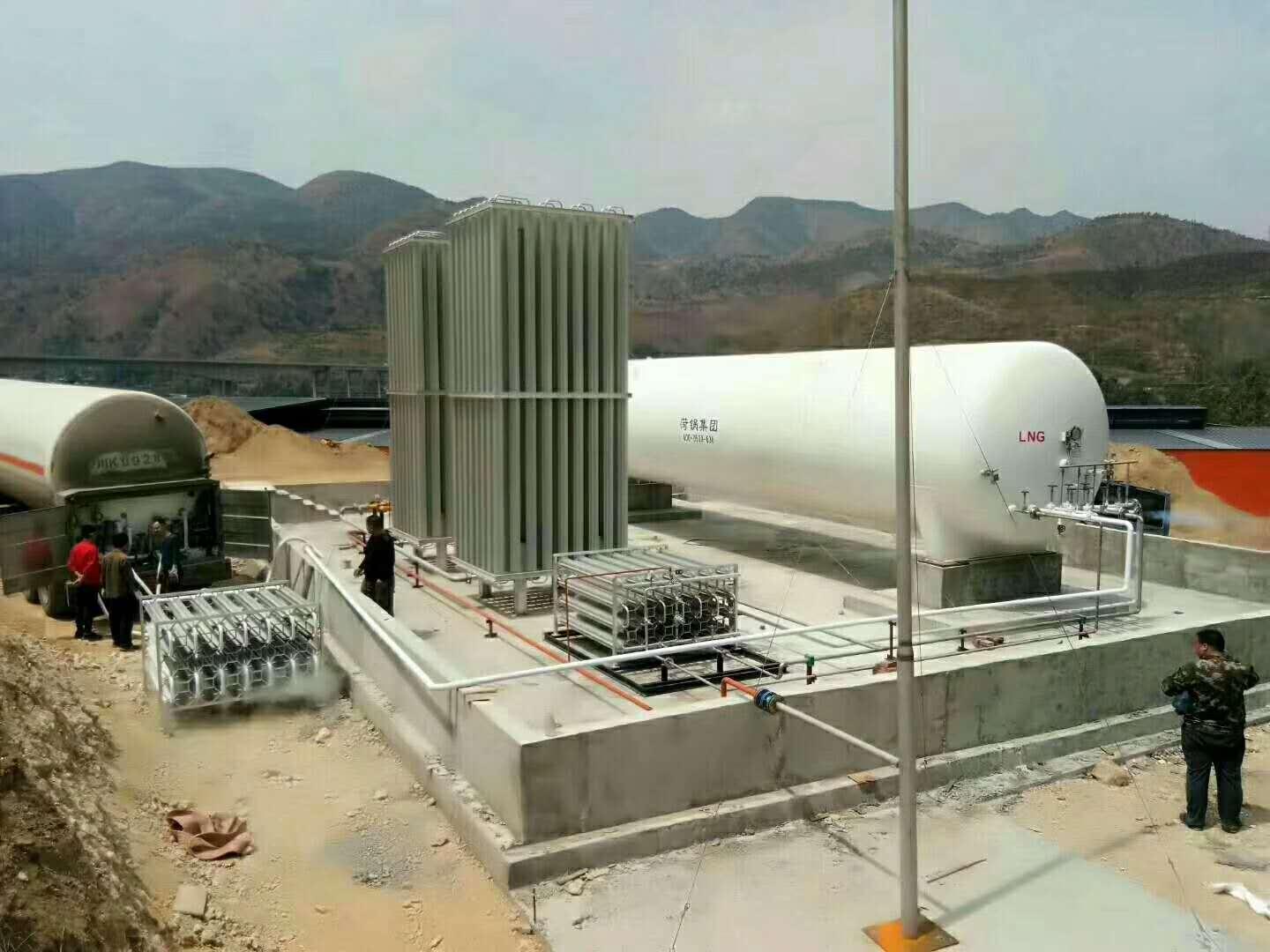
(4) Easy to Install. Compared to CNG refueling stations, LNG refueling stations occupy less land, produce no noise, and have lower operation costs. The initial investment for setting up an LNG station is more than 30% less than that of a CNG station, and it can reduce daily operation and maintenance costs by over 50%. Due to the LNG refueling station's independence from natural gas sources and pipelines, it can be designed as either a fixed or skid-mounted unit, offering strong mobility.
(5) High Efficiency of Cold Energy Recovery. LNG is stored and transported at atmospheric pressure and low temperature, releasing a large amount of cold energy when it is vaporized to normal conditions. Currently, the cold energy recovery rate for LNG can reach 50%, with 1 cubic meter of LNG capable of recovering and utilizing 960 to 1095 MJ of cold energy. For instance, an average refrigerated truck absorbs 56.16 MJ of heat daily during operation. To absorb this heat, a standard diesel refrigeration system would require about 15 liters of diesel. In an LNG vehicle, the cold energy released from vaporizing 143 liters of liquefied natural gas can fully absorb the 56.16 MJ of heat, significantly enhancing economic benefits. By recovering and utilizing LNG cold energy in vehicle air conditioning or refrigerated trucks, there's no need for a dedicated refrigeration system, thereby saving energy and reducing noise pollution caused by mechanical refrigeration.
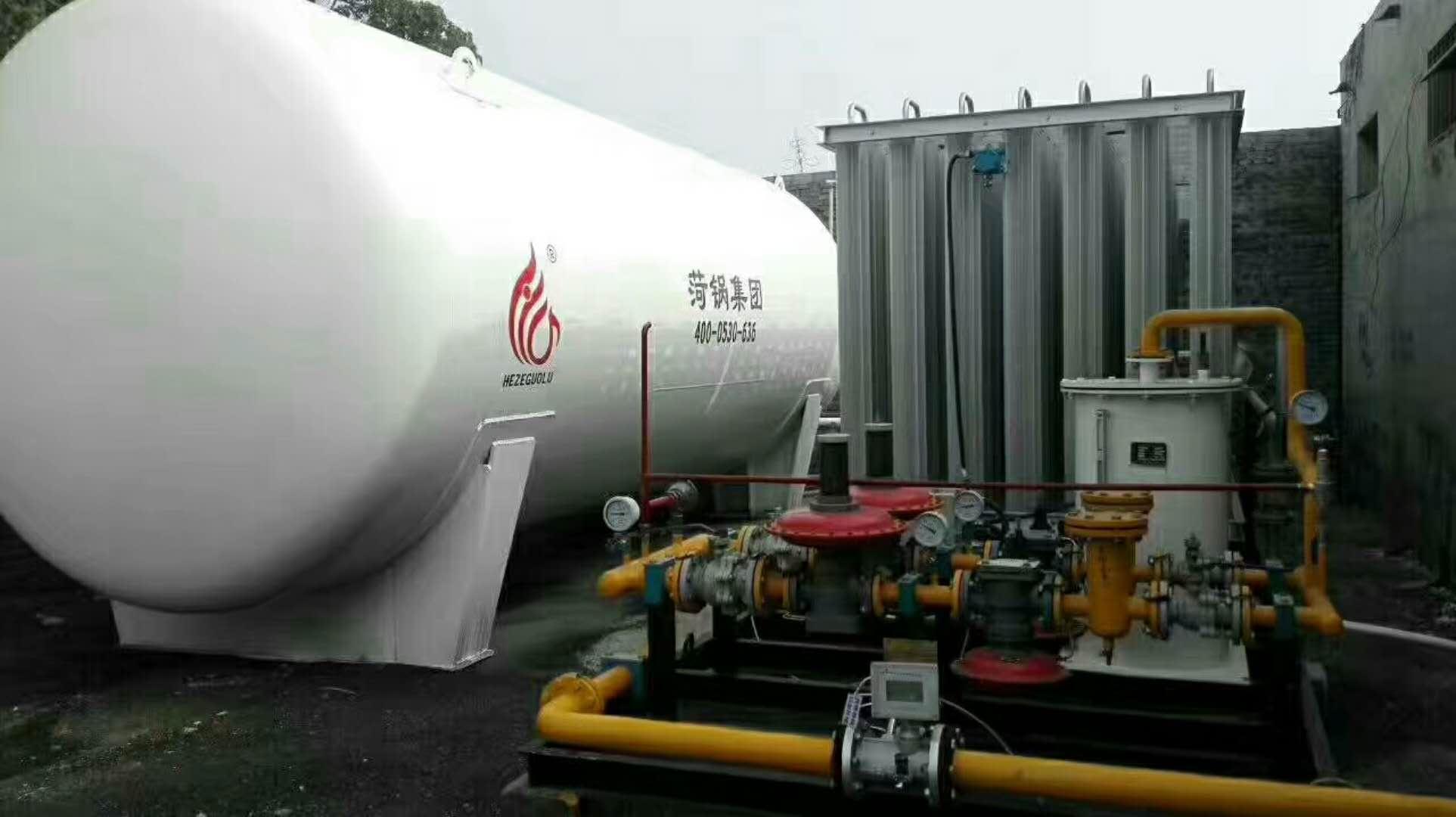
(6) Wide Application Range. By adding a high-pressure pump and a high-pressure gasifier to the LNG fueling system, an LNG/CNG fueling station can be established, allowing direct conversion of LNG to CNG. This fueling station can service both LNG and CNG vehicles, thereby avoiding the need for fuel system modifications in CNG vehicles and eliminating the limitations of CNG fueling stations due to natural gas supply and pipeline constraints. The scalability of the LNG fueling system further expands the applicability of LNG.
LNG is a clean and efficient energy source. Importing LNG aids energy-consuming countries in diversifying their energy supply and ensuring energy security, while exporting LNG tanks helps natural gas-producing countries effectively develop their gas resources, increase foreign exchange earnings, and promote national economic development. Therefore, LNG tank trade is emerging as a new hot spot in the global energy market.
As of now, over 40 construction sites for 60-cubic-meter LNG storage tanks are in progress in our country, with more than 20 facilities already in operation, boasting a total annual production capacity of 2.5 million tons. It is expected that by 2015, the total annual production capacity of 60-cubic-meter LNG storage tanks in China will reach 7.5 million tons. During the 12th Five-Year Plan period, the development of 60-cubic-meter LNG storage tanks, as a clean energy source, has not only improved the energy structure but also stimulated the growth of related industries such as technology, equipment, and new energy vehicles.
Under the impact of numerous policies such as China's slowing economic growth, the restructuring of the national energy structure, the convergence of prices for existing and incremental natural gas, and the adjustment of residential gas tiered pricing, the domestic 60-cubic-meter LNG storage tank industry is currently in a critical period of reshuffling...
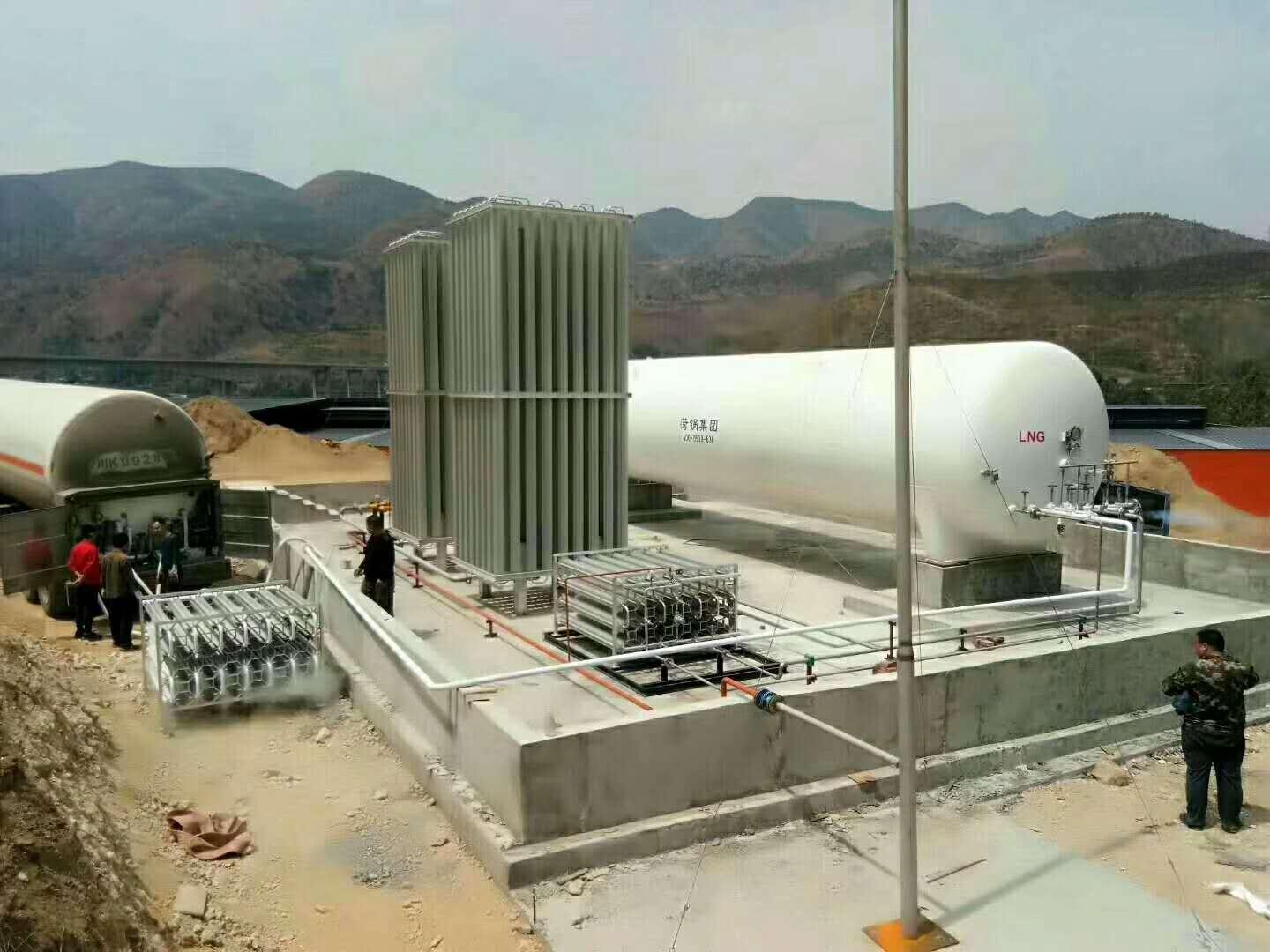


Available LNG Tank Production - Best Brand for Discount LNG Tanks - Who Offers Wholesale LNG Tank Prices - Direct Factory Supply of LNG Tanks
