


Advantages of LNG
Compared to LPG and CNG, the advantages of LNG as an alternative fuel for vehicles are as follows:
(1) Clean and environmentally friendly. As a fuel for cars, LNG must first be vaporized by a vaporizer and then enter the engine in a gaseous state for complete combustion. Due to the high methane content of up to 90% to 99% in the composition of LNG, the exhaust contains minimal harmful substances, making it extremely clean and environmentally friendly.
(2) High unit price calorific value. Compared to other fuels, LNG is priced lower with a higher unit price calorific value. The low-temperature characteristics of LNG can lower the temperature of the mixed gas and combustion temperature, improving the engine's thermal efficiency. This effectively ensures that LNG burns more completely and thoroughly within the engine than LPG, CNG, diesel, and gasoline. Added to this, LNG has the properties of high energy density and high storage efficiency, making it more conducive to transportation and with a wider geographical range of use. Therefore, LNG boasts strong economic and applicability.
(3) High safety. LNG fuel tanks allow working pressures up to 1.586 MPa, with natural gas operating pressure typically set between 0.1759 to 1.4074 MPa. The advantages of natural gas include a lower likelihood of danger compared to CNG. Automotive LNG tanks commonly use double-layered metal vacuum powder insulation or double-layered metal vacuum wrapped insulation structures, offering high thermal insulation efficiency and maintaining a longer period without venting. After gasification, LNG has a lower density than air under normal pressure, so even in the event of a leak, it will quickly disperse into the air. The risk of spontaneous combustion is minimal. Additionally, the composition of LNG is relatively stable, with its simplicity and consistency beneficial for determining design parameters like engine compression ratio, which helps avoid the detrimental effects of explosive combustion of components like ethane and propane. As a substitute fuel for vehicles, LNG ensures smooth engine operation, reduces noise pollution, and can save over 50% on engine maintenance costs compared to conventional fuels.

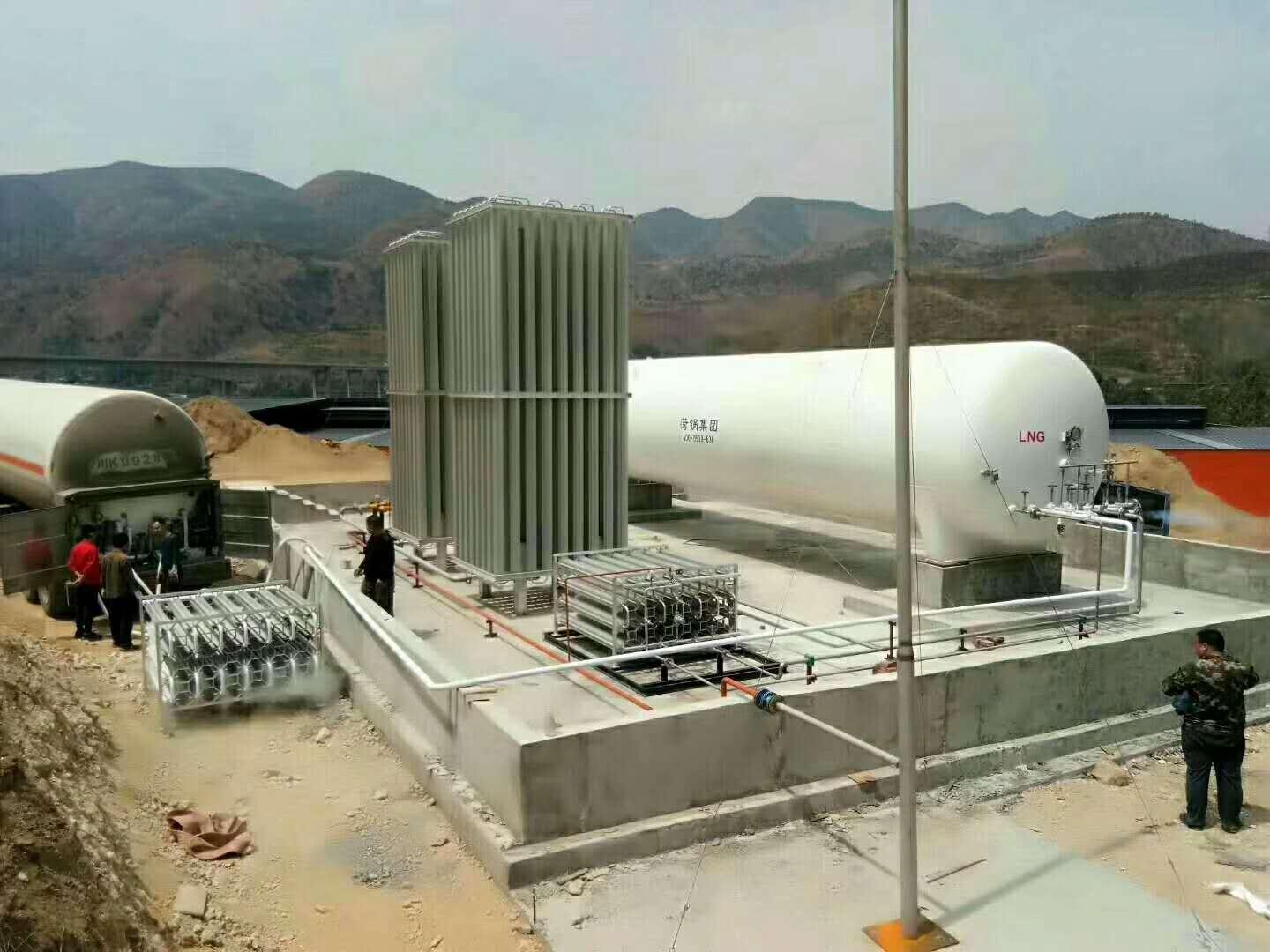
LNG is a clean and efficient energy source. Importing LNG aids energy-consuming countries in diversifying their energy supply and ensuring energy security, while exporting LNG tanks helps natural gas-producing nations effectively tap into their gas resources, boost foreign exchange earnings, and drive national economic development. Therefore, LNG tank trade is emerging as a new hot spot in the global energy market.

To date, over 40 construction sites for 60-cubic-meter LNG storage tanks are in progress in our country, with more than 20 facilities already in operation, boasting a total annual production capacity of 2.5 million tons. It is projected that by 2015, the total annual production capacity of 60-cubic-meter LNG storage tanks in China will reach 7.5 million tons. During the 12th Five-Year Plan period, the development of 60-cubic-meter LNG storage tanks as a clean energy source not only improved the energy structure but also stimulated the growth of related technologies, equipment, and other industries such as new energy vehicles.
Under the impact of numerous policies such as the slowing economic growth in China, the adjustment of the national energy structure, the convergence of prices for existing and incremental natural gas, and the adjustment of the tiered pricing for residential gas consumption, the domestic 60-cubic-meter LNG storage tank industry is currently in a crucial period of reshuffling...

供应LNG储罐哪家专业-正规LNG储罐生产厂家-哪里有LNG储罐厂家直销-现货LNG储罐哪家专业
