


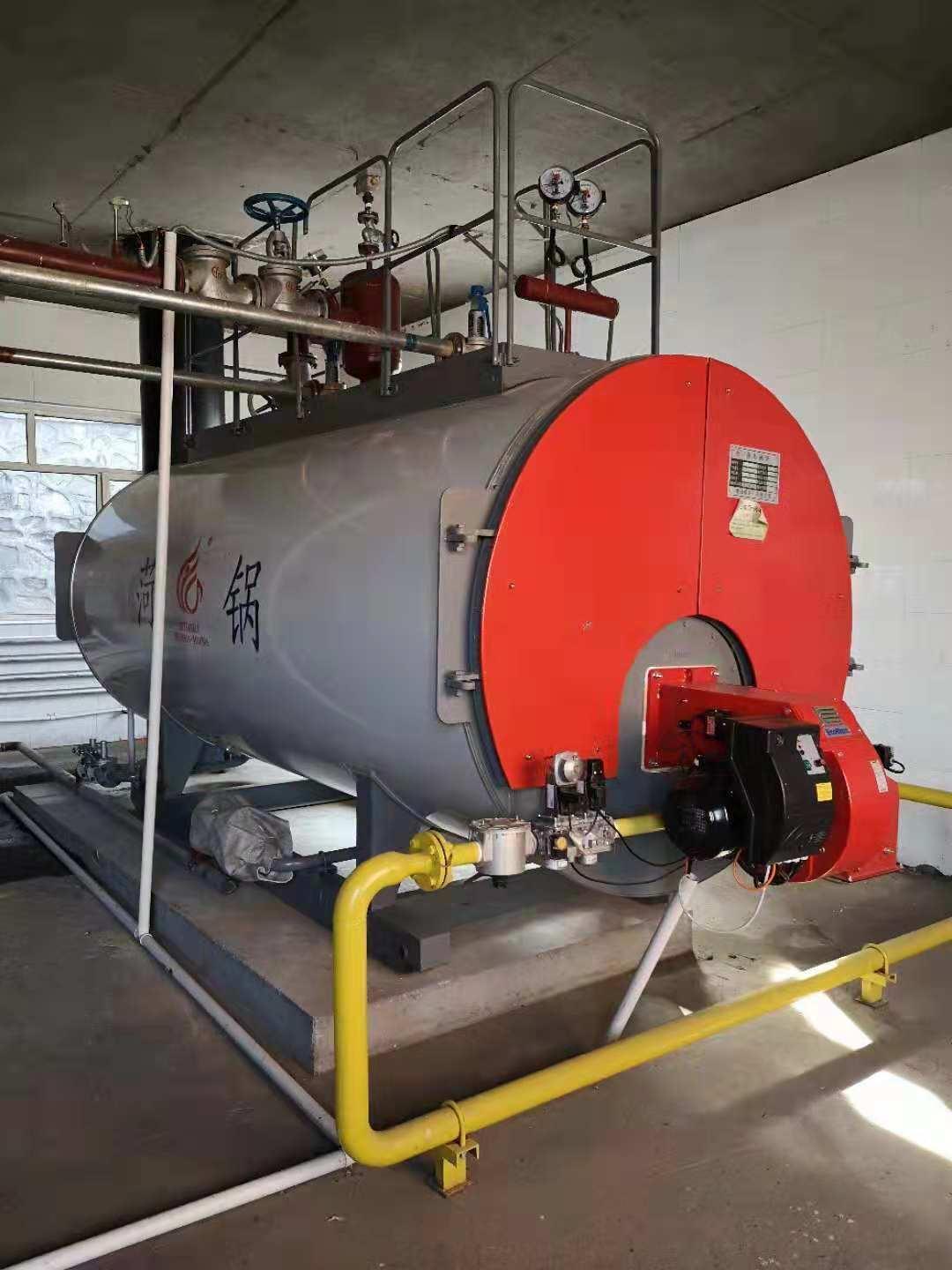
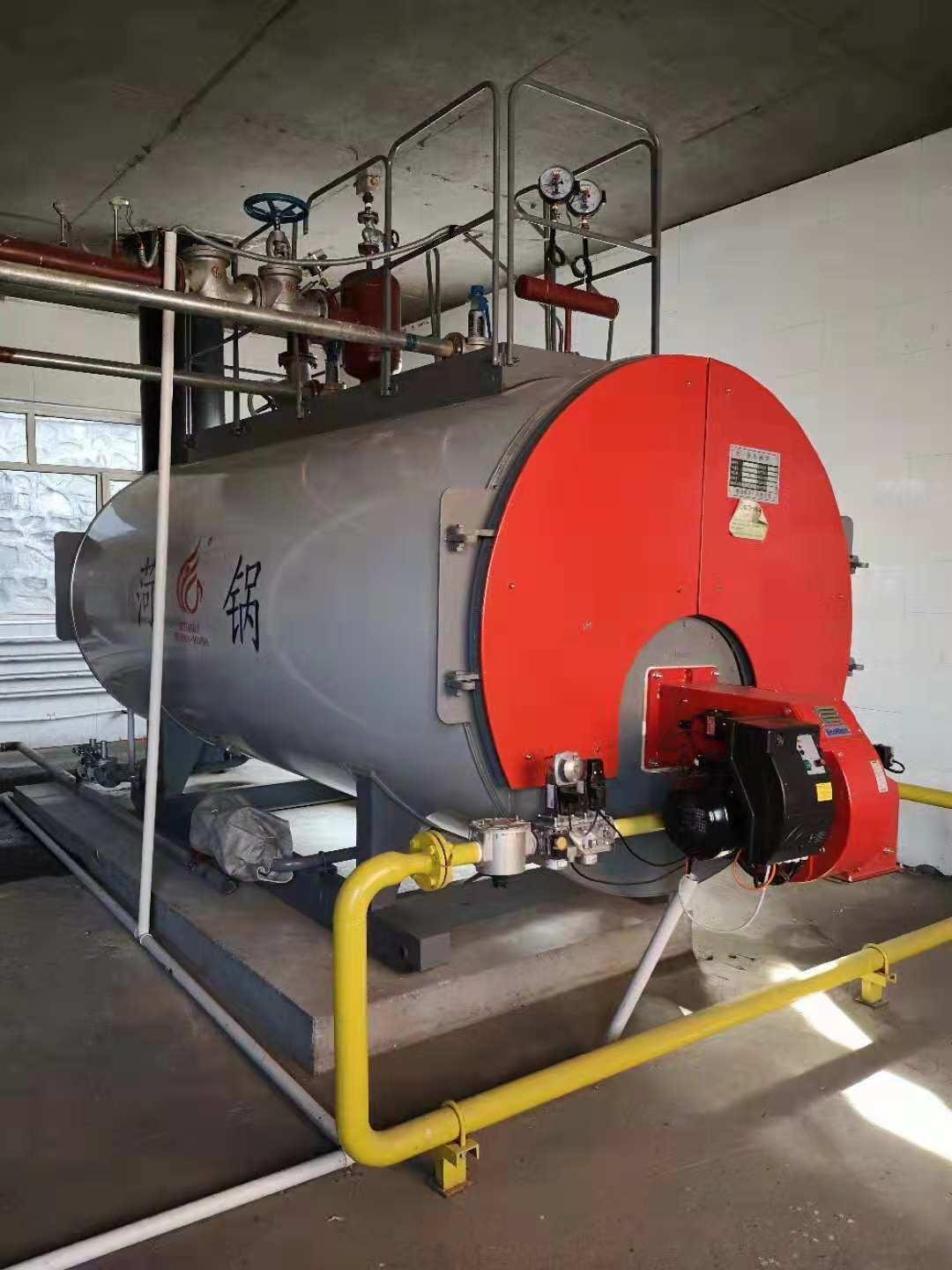
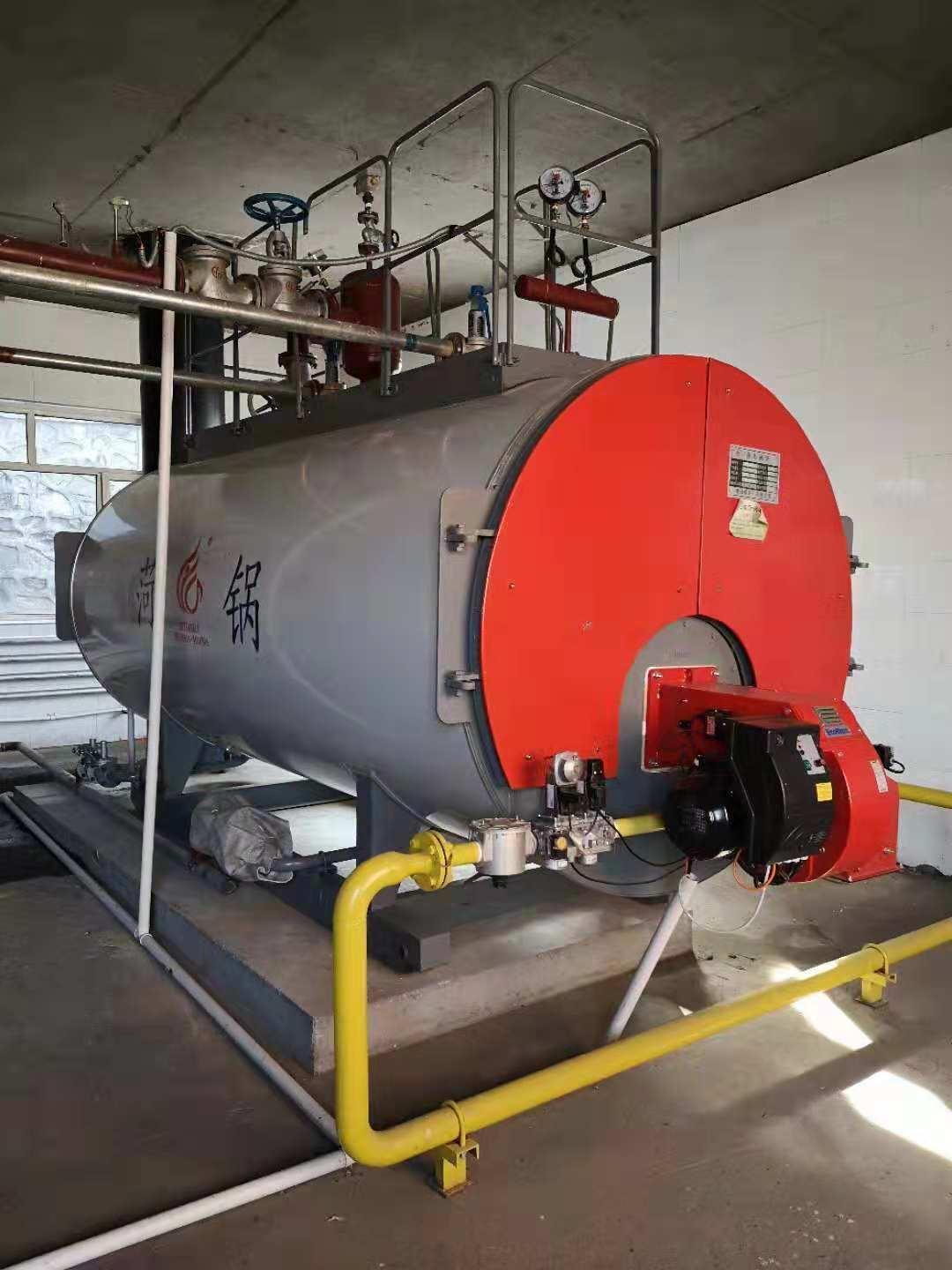
1、Natural Gas Storage TankLNG Storage System: The LNG storage system consists of low-temperature storage tanks, auxiliary pipelines, and control instruments. 2. Classified by capacity: Small-scaleNatural Gas Storage Tank5-50 cubic meters, commonly used in civil gas liquefaction stations, LNG vehicle refueling stations, etc.; medium-sizedNatural Gas Storage Tank50-100 cubic meters, commonly used in satellite liquefaction units, industrial gas vaporization stations, etc. 3Natural Gas Storage TankLNG pipelines typically use austenitic stainless steel pipes. Austenitic stainless steel pipes offer excellent low-temperature properties. 4, VerticalNatural Gas Storage TankLNG Storage Tanks, insulated with vacuum powder insulation technology, featuring inner cylinder and pipeline materials of OCr18Ni Austenitic stainless steel, and outer cylinder made of high-quality carbon steel Q345R pressure vessel steel plate. We offer a variety of sizes from 50 to 100 cubic meters.Natural Gas Storage Tank。5、Natural Gas Storage TankApplications: Chemical fuel, residential fuel, automotive fuel, co-generation, heat pumps, fuel cells, etc. 6Natural Gas Storage TankLiquidification Process: Cascading Liquidification Process, Mixed Refrigerant Liquidification Process, Expansion Turbine Liquidification Process. 7Natural Gas Storage TankThe liquefaction unit consists of a natural gas pretreatment process, liquefaction process, storage system, control system, and fire protection system.
1.2.3 LNG Storage Tank Gas Supply Process:
All valves on the tanks to be pressurized, except for the root valve and the emergency shut-off valve, are in the closed position.
2. Open the lower liquid inlet valve of the low-temperature storage tank, as well as the valves for increasing the liquid and vapor phase pressure, and check that the valves before and after the pressurized vaporizer are both open.
3. Open the low-temperature cutoff valve before the gasifier, the at-room-temperature flanged ball valve after the gasifier, and all valves required to be opened in the pressure regulation system.
4.A. When the gas supply rate is less than 1000-2000 Nm3/h, one storage tank is sufficient to meet the gas supply requirements.
5. Flow rate:
5.1 When the tank pressure exceeds the outlet pressure by more than 0.15 MPa, slowly open the liquid outlet valve to initiate the gas supply operation.
5.2 Record the liquid storage tank number and the start of gas supply.
5.3 Pay close attention to the liquid level, pressure changes, and flow and pressure variations at the outlet of the storage tank during gas supply.
1.2.4 Self-pressurization Operation Procedure for LNG Tanks
1. During manual operation, open the valves: the boost liquid phase valve, the boost gas phase bypass valve, and the liquefied gas receiver inlet valve, allowing LNG to flow directly into the self-boosting gasifier. After vaporization, it enters the LNG storage tank. At this point, closely monitor the pressure. Close the boost liquid phase valve when the pressure in the LNG storage tank reaches the required level.
2. Cautionary Notes:
(1) During operation, the LNG low-temperature storage tank must ensure a liquid level upper limit of ≤90% and a lower limit of ≥15%.
(2) When manually operating the self-pressurizing system, it is strictly forbidden to leave the site unattended.
(3) When the self-pressurizing system is in operation, the pressure-reducing system should be in the off position.
3. Cautionary Notes:
(1) During operation, the LNG tank must maintain a liquid level of ≥15%.
(2) When operating manually, the site must not be left unattended.
1.2.5 Risk Analysis and Countermeasures
When loading and unloading LNG tankers, operators should wear masks, antistatic work clothes, and antifreeze gloves, etc.
2) During LNG tanker unloading, the vehicle must not move to prevent the disconnection of the loading/unloading hoses, which could lead to significant LNG leakage.
3) When LNG is present in the pipeline, both ends' valves cannot be closed simultaneously.
4) Absolutely no touching or stepping on low-temperature pipelines and equipment.
6) Under no circumstances shall moisture, oil, mechanical impurities, etc., enter the pipeline to avoid blockage.
7) Absolutely no hammering, fire roasting, or water spraying on the frozen areas.
8) To ensure the safety of the working environment, operators must wear protective gear. Static electricity from the human body must be neutralized before entering the station. Open flames are strictly prohibited within the station's operational area, as well as the use of non-explosion-proof tools and electronic devices.
9) Strictly adhere to the operation ticket system, follow the steps outlined on the operation ticket, and require at least two on-site operators, with one person executing the operation and another acting as a supervisor to ensure safety.
10) Conduct safety education before operation, implement on-site safety precautions, and know how to escape and control emergencies in case of danger.


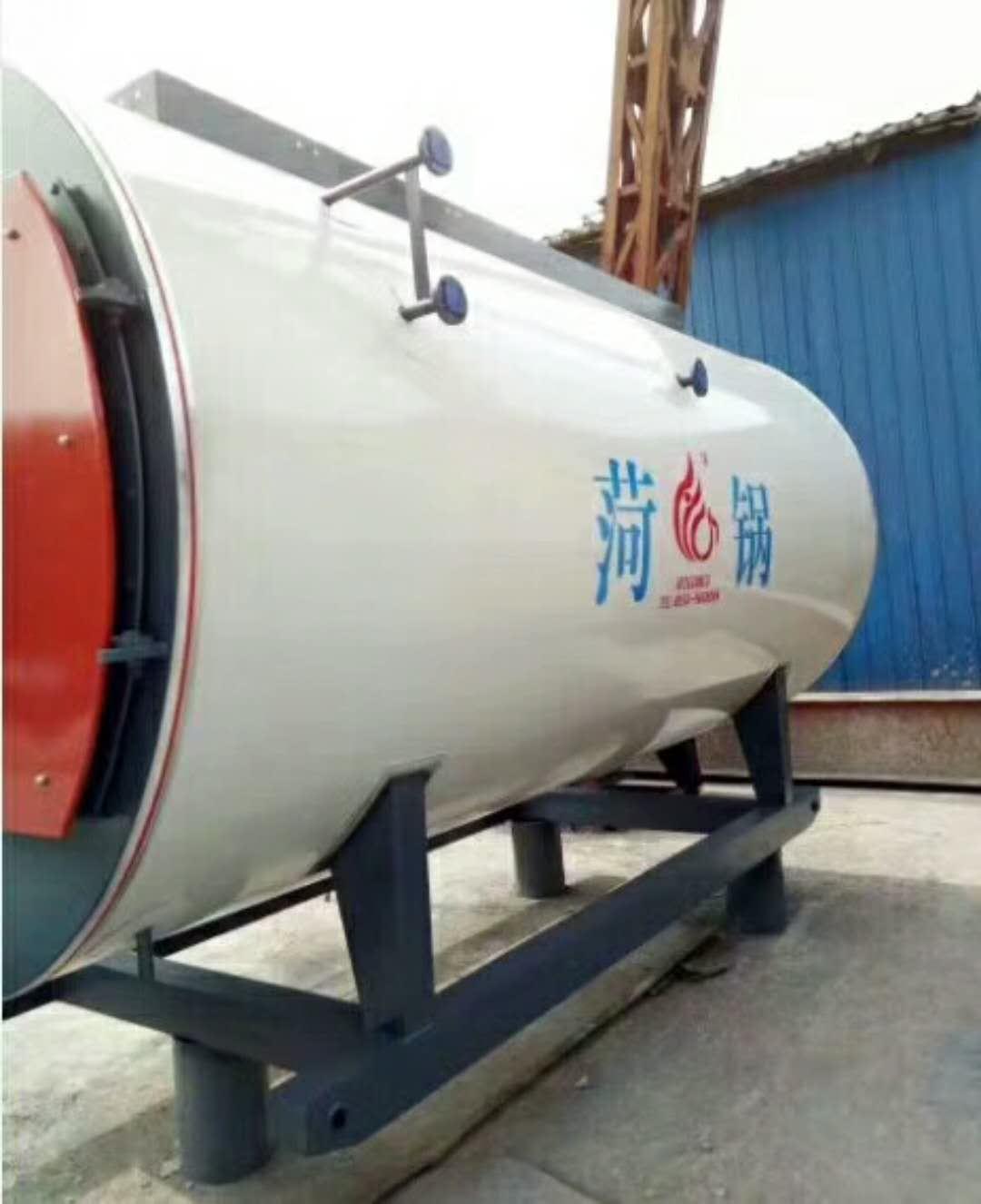
专业制造天然气储罐公司-专业生产天然气储罐报价-专业天然气储罐品牌-销售天然气储罐十大品牌
