


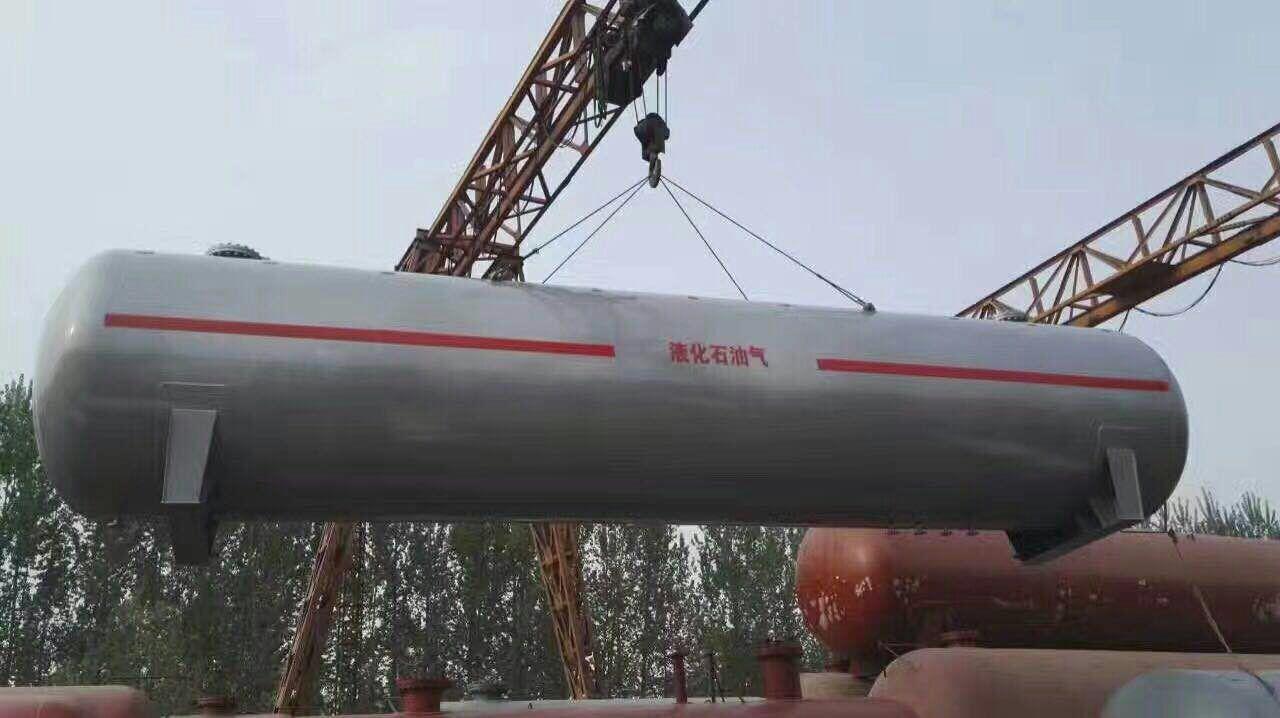
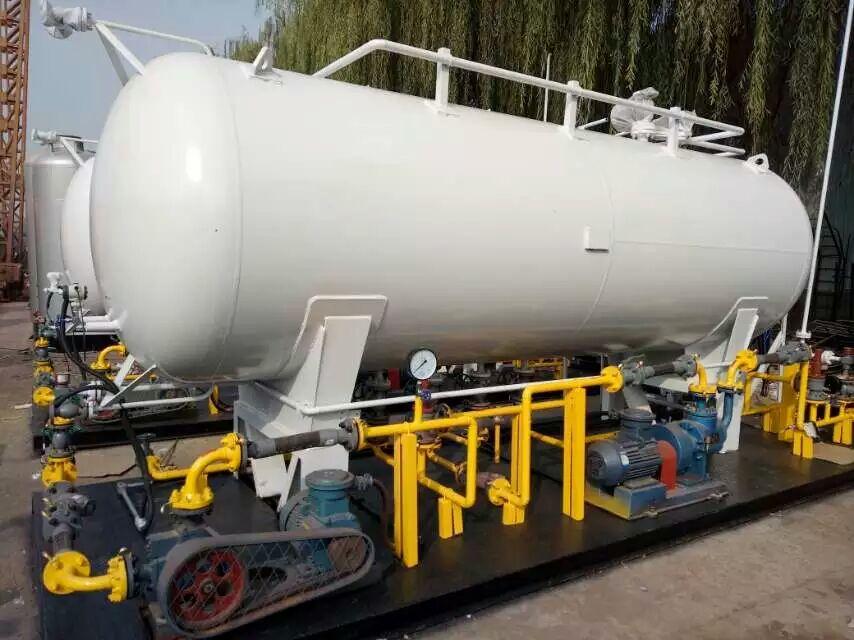
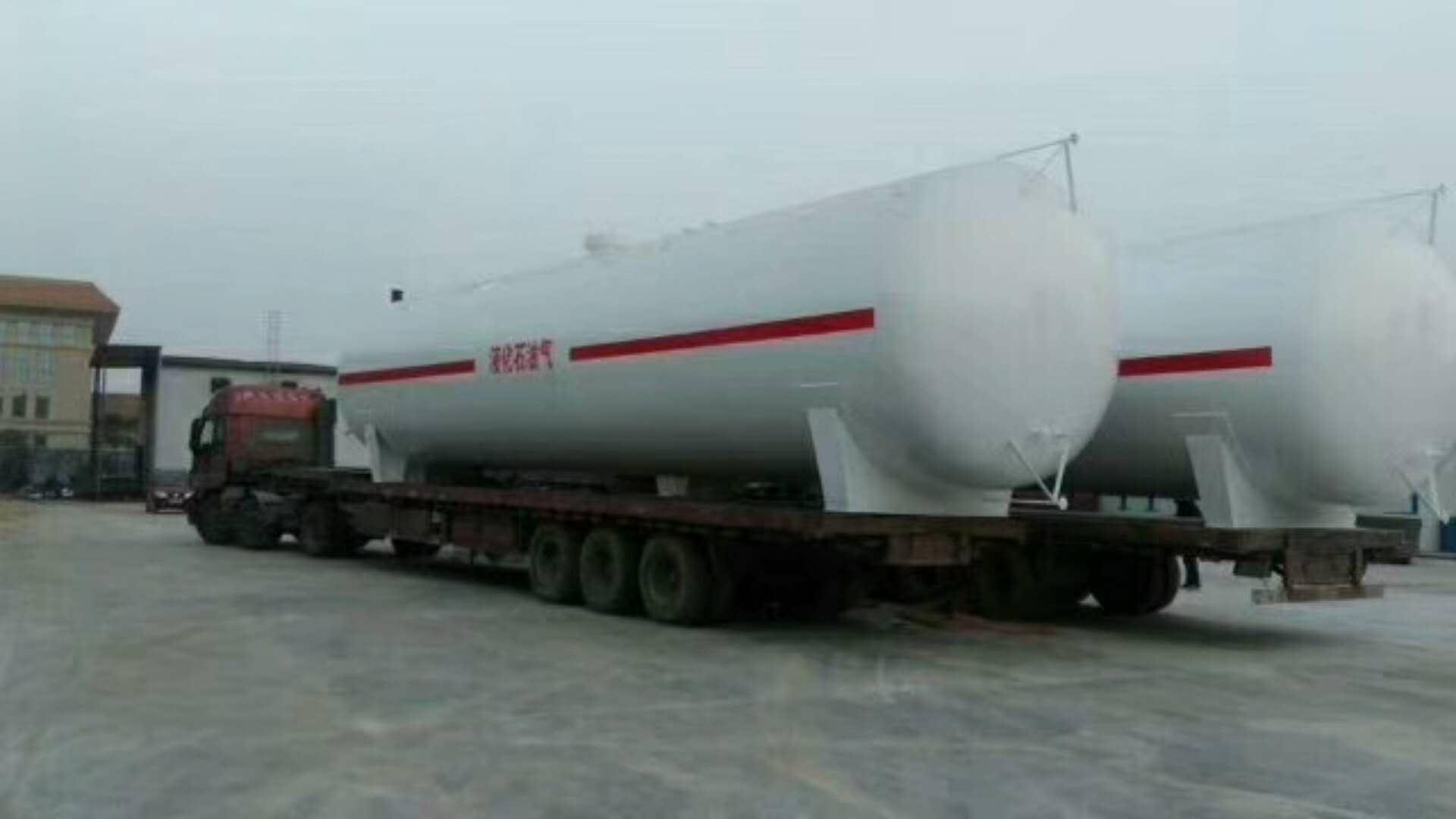
Huzhou Boiler Factory Co., Ltd. operates a development center, an installation company, and three production bases. It has established close cooperative relationships with numerous key universities and research institutions in China. New product development is ongoing and enjoys great popularity among customers. We offer industrial and residential coal-fired boilers, oil-fired boilers, gas-fired boilers, biomass boilers, heat transfer oil boilers, waste heat recovery boilers, refrigeration auxiliary equipment, and pressure vessels of Class 1, 2, and 3 (including liquefied gas storage tanks, liquid ammonia storage tanks, methyl chloride storage tanks, propane storage tanks, underground tanks, towers), as well as low-temperature vessels (liquid oxygen storage tanks, liquid nitrogen storage tanks, liquid argon tanks), heat exchanger units, ground-source heat pump units, and more. For years, the company has actively implemented an innovation strategy centered around technological, market, and management innovation, accelerating the pace of corporate reform and restructuring. We have gradually established a modern corporate system that adapts to the socialist market economy system.
Liquefied Petroleum Gas primarily originates from refinery gas and associated gas from oil fields.
One: Extracted from the natural gas of an oil refinery
Refinery gas is a byproduct of the oil refining and processing, its quantity depending on the production method and processing depth of the refinery, generally around 4%-10% of the original weight. Currently, the recovery of liquefied petroleum gas from the catalytic cracking gas of refineries is the main source of domestic LPG.
From associated gas obtained from oil fields
Associated gas from oil fields is a byproduct gas produced during the oil extraction process. It is itself a combustible gas that exists within the geological structures of the oil reservoirs, containing 10%-40% of propane, butane, pentane, and higher carbon alkanes. During oil extraction, both oil and associated gas are emitted simultaneously. They are separated using gas-oil separation units installed above the oil wells. The associated gas contains approximately 5% of propane and butane components, which can be extracted using absorption methods, resulting in high-purity liquefied petroleum gas with low sulfur content. The liquefied petroleum gas supplied by countries such as Europe, the United States, and Japan is mostly of this type.
3. Extraction from Natural Gas
Pure natural gas extracted from the ground is divided into dry gas and wet gas. Wet gas contains less than 90% methane, with more than 10% of ethane, propane, butane, and other alkanes. After the gas is compressed and fractionated, it is sprayed with diesel to be absorbed, then further fractionated in a fractionation tower, and condensed into a liquid state at a pressure of 1.6 MPa, forming liquefied petroleum gas.
Safety Procedure for Pouring Containers
1. Prior to production or maintenance procedures, first check the pressure, liquid level, and temperature of the incoming and outgoing tanks. After confirming they are correct, record the details before proceeding with tank transfer.
2. Determine the liquid output volume from the discharge tank and the incoming liquid volume to the receiving tank, and calculate whether the receiving tank's capacity meets the process and safety requirements. Confirm the tank transfer process.
3. The operational procedure is: open the liquid phase valves for in and out of the tank - adjust the vapor phase valves - start the circulating compressor.
4. During decanting, pay attention to checking the storage tank's pressure and liquid level changes, and always revalidate calculations. The incoming liquid tank must not exceed the highest permitted liquid level.
5. After emptying the container, shut off the compressor, close the liquid phase valve, and re-adjust the compressor valve.
6. Carefully fill out the operation records.
Liquefied Gas Storage TankIt is extremely dangerous in the event of a leak.Liquefied Gas Storage TankWhen in use at any legitimate industrial site, comprehensive tank safety operation specifications and management systems should be established. 1. In the event of only a small leakage from the tank, the transporter should immediately close all valves on the tank's pipelines and simultaneously cease the operation of surrounding equipment. Rapidly evacuate personnel from the leakage contaminated area to upwind locations (due to the storage of liquefied gas, it is easy to float in the air) and conduct safe isolation. Cut off all fire sources and, as safely as possible, prevent the spread of the leakage source. 2. In the event of a large-scale leakage, in addition to the basic emergency response measures, the transporter should immediately report to the local government, "119," and local environmental protection and public security traffic police departments. The report should include: the name of the incident unit, time and location of the incident, chemical name and amount of leakage, level of danger, presence of injuries or casualties, and the name and phone number of the person reporting.Liquefied Gas Storage TankInspection is a major operation for any liquefied gas terminal. Given the characteristics of simultaneous inspection for three tanks and the complete halt of the entire terminal's normal production operations, thorough preparatory work is especially crucial in the preliminary stages.


Which manufacturer offers the best quality liquid gas tanks - Sales prices for high-quality liquid gas tanks - Professional liquid gas tank production prices - Liquid gas tanks in stock from a factory
